



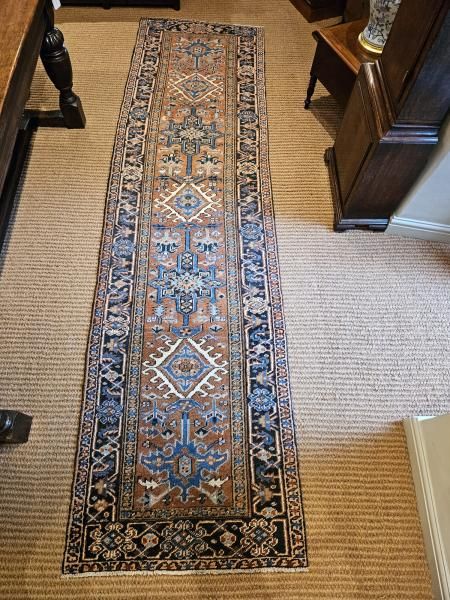
Traditional Caucasian Wool Rug
A traditional caucasian wool rug brings geometric motifs, bold colour and historic village weaving straight to the floor.
Traditional Caucasian Wool Rug
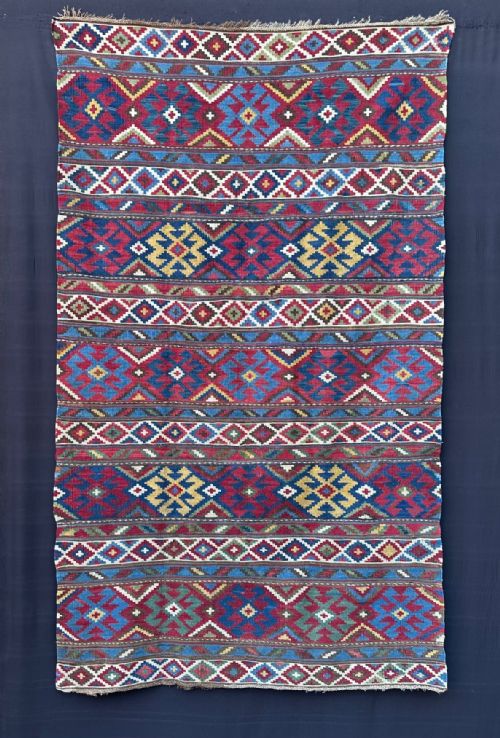
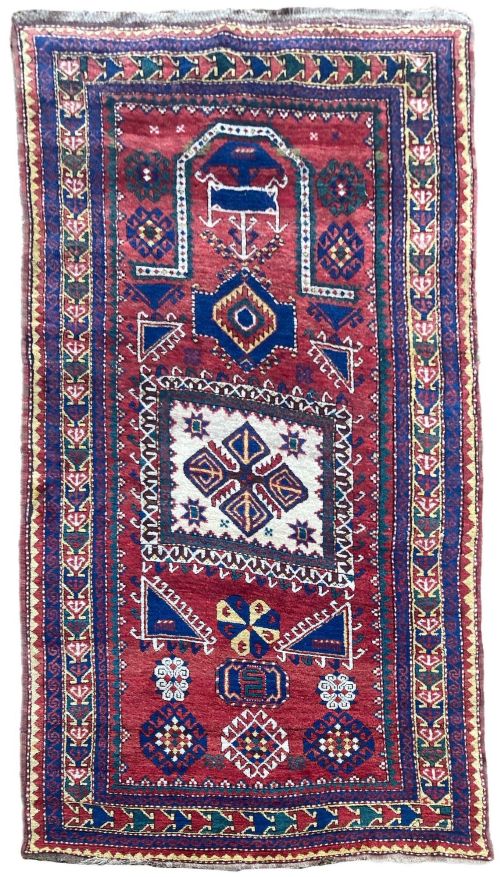
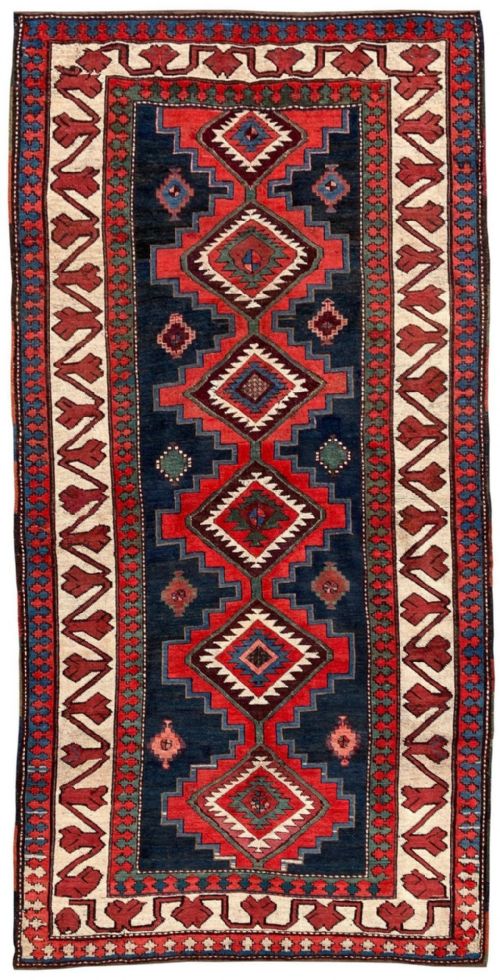
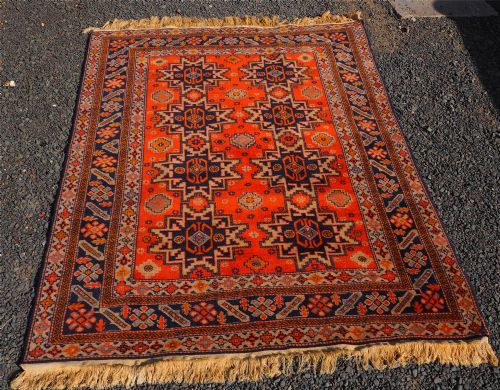
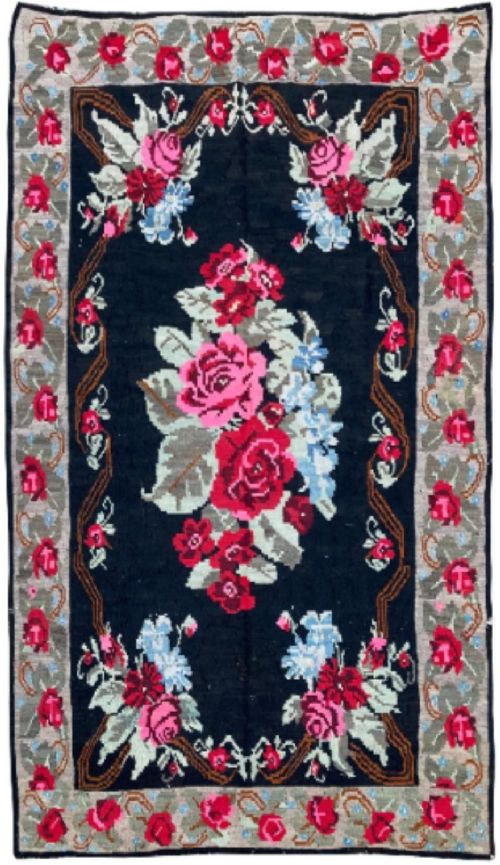
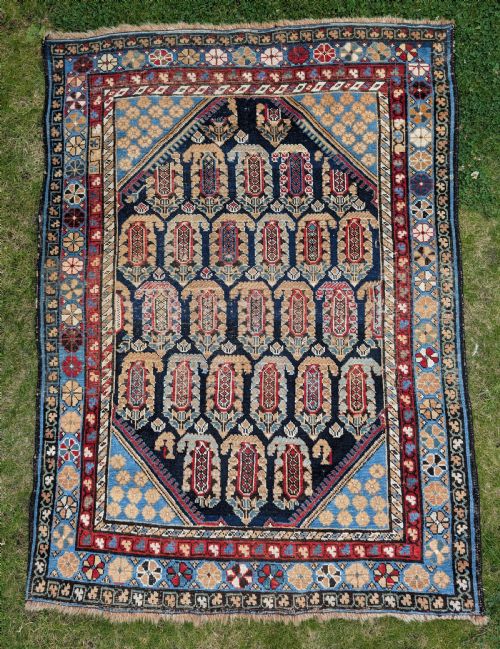
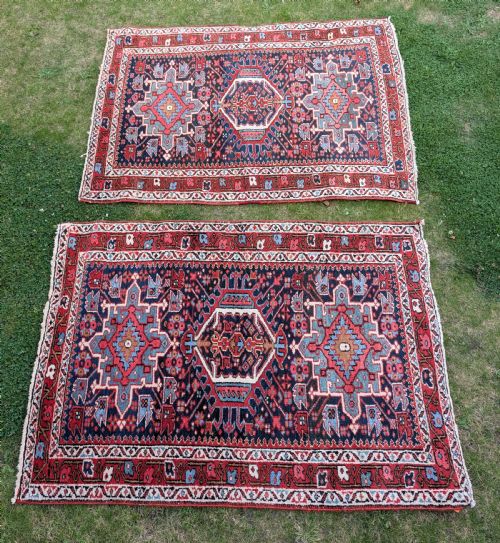
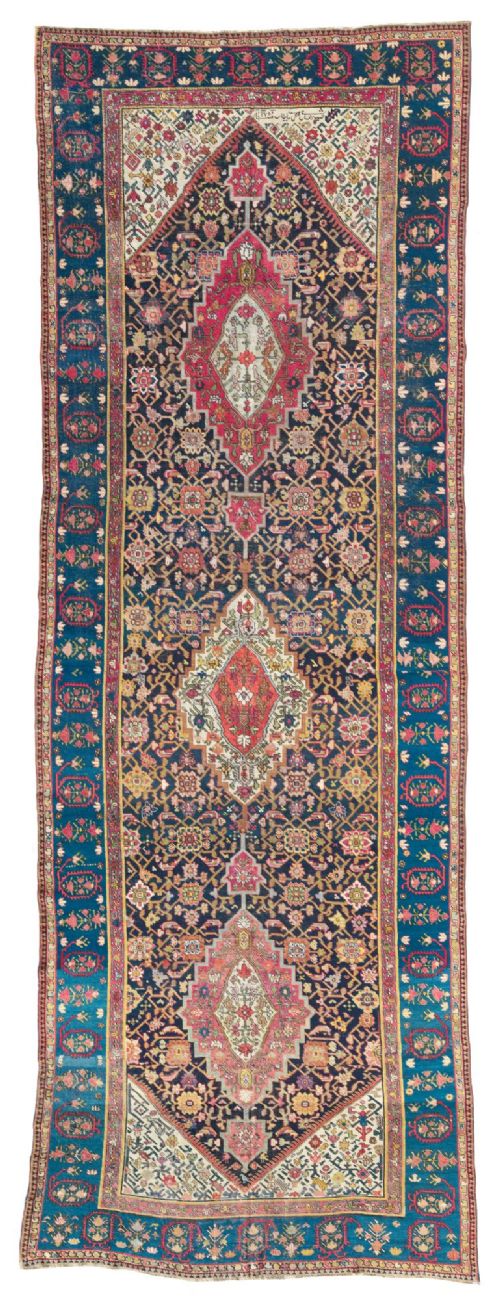
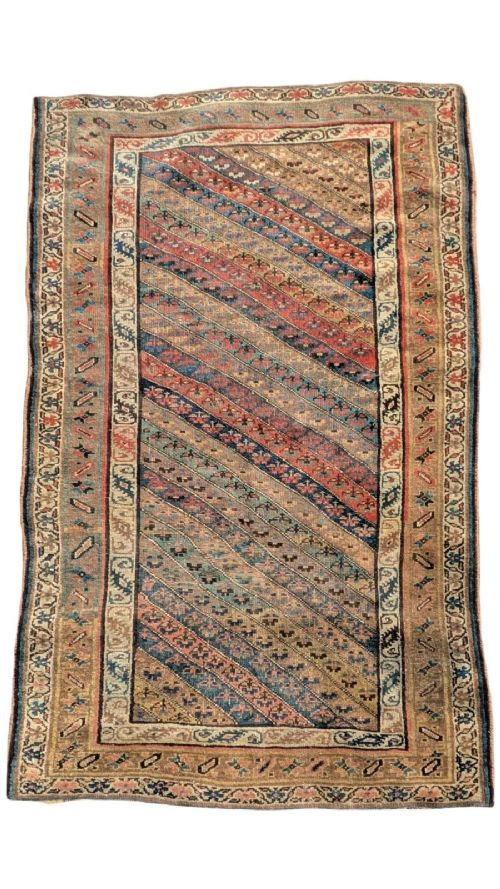
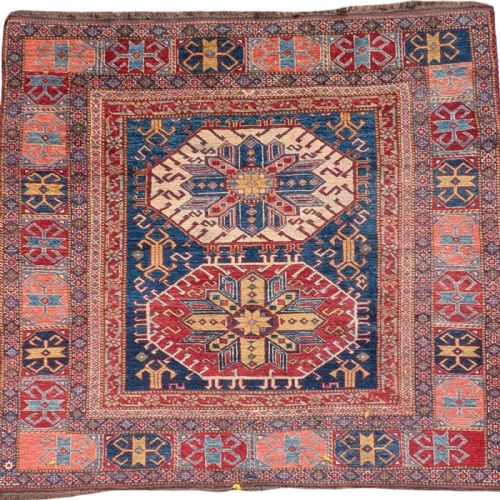
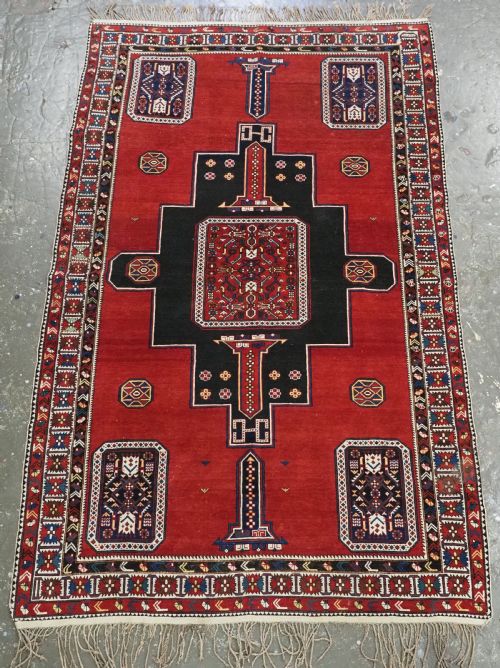
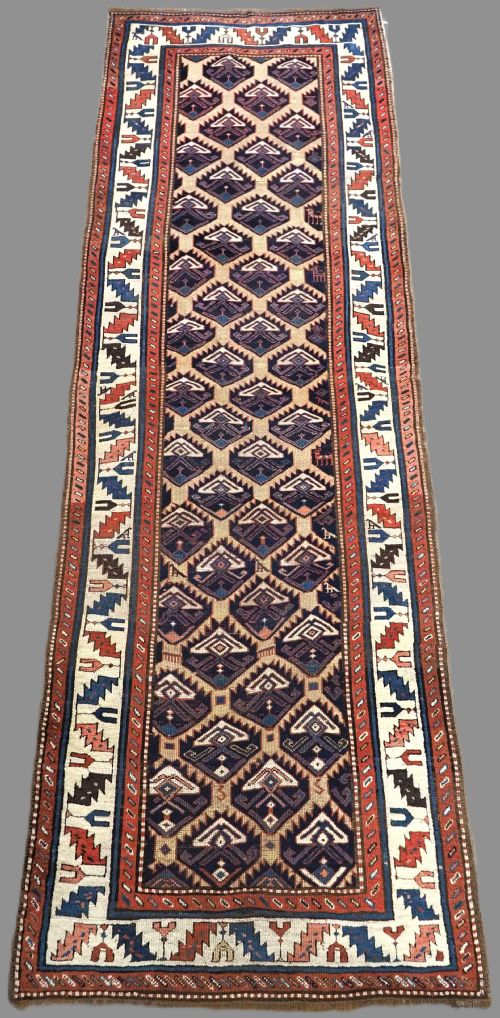
A traditional caucasian wool rug is a hand-knotted textile originating from the Caucasus region, spanning the nineteenth and early twentieth centuries. These floor coverings arrive in various formats, including smaller area rugs, prayer rugs and elongated runners.
The pieces on this page showcase distinct regional identities through specific tribal designs. Examples include Kazak, Karabagh, Shirvan, Kuba and Daghestan village weaves, alongside related Kurdish and Persian borderland pieces.
Makers utilised characteristic geometric medallions, animal motifs and diagonal lattice patterns rather than curved floral court designs. Each surviving carpet reflects the specific local weaving traditions of its Eastern Caucasus or North-West Persian origin.
What varies in quality
Quality rests in the precision of the knotting and the crispness of the geometric drawing across the field. Tighter knot density allows intricate medallions and animal motifs to maintain sharp definition rather than blurring into the background.
The vibrancy and depth of the palette dictate the visual impact of the piece. Saturation derived from early natural dye formulas creates tonal variations within individual wool yarns that chemically dyed alternatives lack.
Weavers occasionally included stray animal motifs and wandering tribal symbols directly into geometric fields, proving that strict symmetry was optional.
The Traditional Caucasian Wool Rug Glossary
- Kazak
- A type of traditional caucasian wool rug produced by various tribal groups in the southern Caucasus, known for bold geometric medallions and primary saturated colours. These rugs typically display thick wool piles and strong contrasting borders.
- Karabagh
- A regional style originating from the highland and lowland areas east of Lake Sevan, frequently featuring naturalistic floral sprays or geometric lattice fields. Woven items from this area often employ darker indigo grounds alongside warm terracotta tones.
- Shirvan
- A classification for textiles woven in the eastern sector of the Caucasus, bordering the Caspian Sea. They generally feature refined geometric patterns, star motifs and narrower formats executed with fine knot counts.
- Sumak
- A flatweave technique where supplementary pattern wefts are wrapped around the warp threads before passing to the next, creating a textured surface resembling embroidery. This method produces durable coverings without a cut pile.
- Medallion
- A central ornamental design motif placed in the middle of the rug field. In these tribal pieces, medallions take angular, octagonal or cruciform shapes rather than circular curves.
Traditional Caucasian Wool Rug: Frequently Asked Questions
Where were these rugs made?
These textiles originate from the mountainous Caucasus region situated between the Black Sea and the Caspian Sea. Individual valleys and towns developed distinct tribal weaving vocabularies.
Production also extended across adjacent borderlands including parts of North-West Persia and Kurdish regions where weavers shared similar technical methods and design motifs.
How do I care for an antique wool rug?
Vacuum the rug gently using suction only without a rotating brush roll to protect the aged wool pile. Keep the textile out of direct, prolonged sunlight to prevent natural dye fading.
Rotate the rug periodically to ensure even wear across high-traffic zones and consult a specialist textile conservator for professional washing.
What is the difference between a Kazak and a Shirvan rug?
Kazak rugs generally feature larger, bolder geometric medallions, heavier wool piles and highly saturated primary colours. Their designs prioritize striking, robust visual impact.
Shirvan rugs typically display finer knot counts, narrower dimensions and more delicate geometric arrangements with star motifs or repeated lattices. Their overall aesthetic leans toward intricate precision.
Can I place these rugs in a hallway?
Longer formats and hallway runners specifically accommodate narrow traffic corridors and entryways. The durable wool construction handles daily foot movement when supported by a proper underlay.
Ensure the floor rug rests on a breathable non-slip pad to prevent sliding and reduce friction against the original foundation threads.