


Vintage Tribal Floor Rug
When you search for a vintage tribal floor rug, you find hand-knotted wool and cotton floor coverings made across Persia, the Caucasus, and Central Asia.
Vintage Tribal Floor Rug
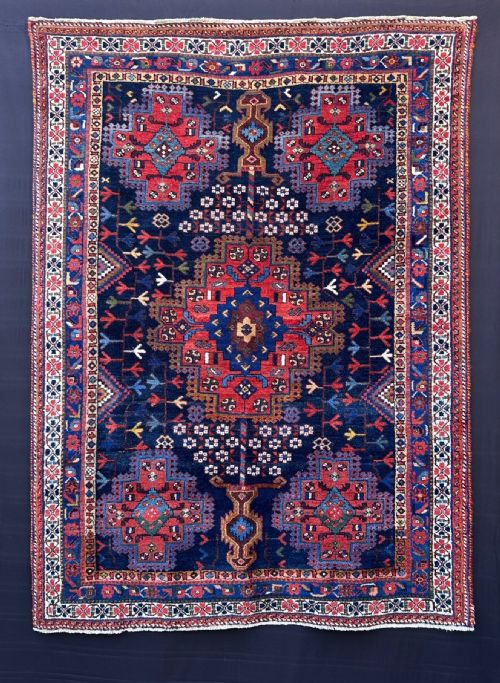
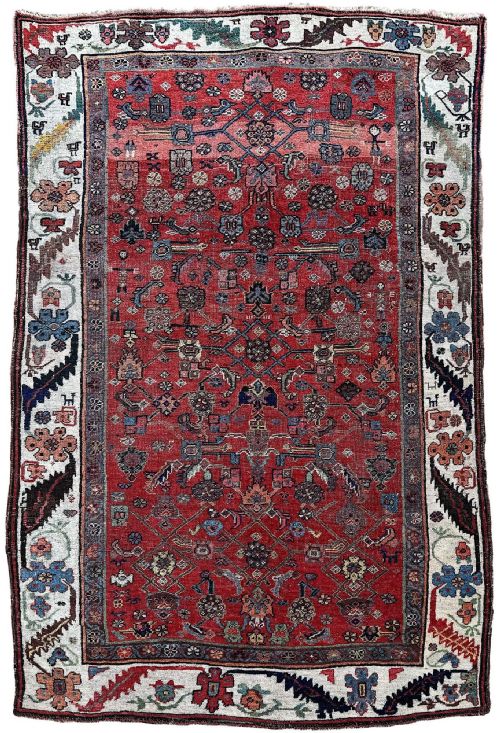
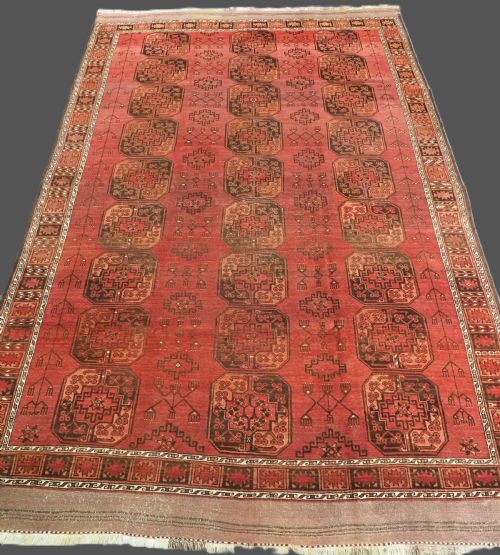
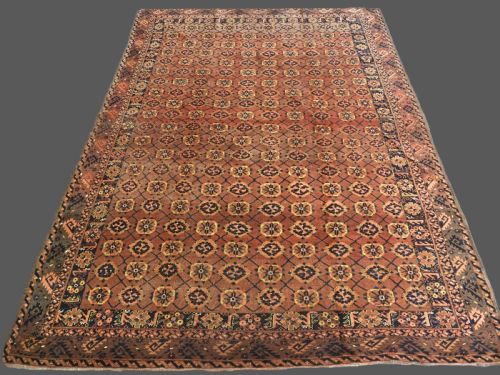
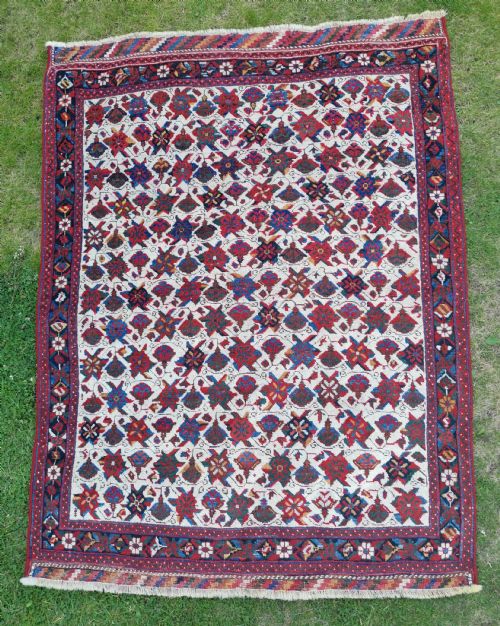
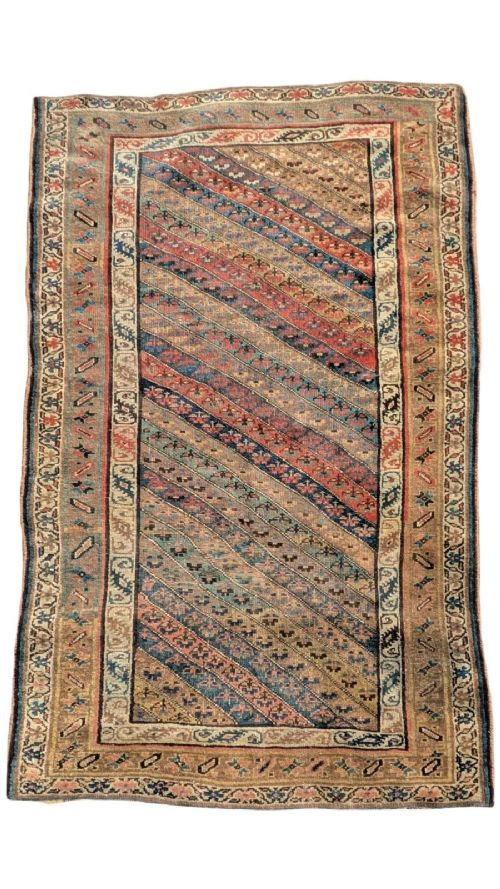
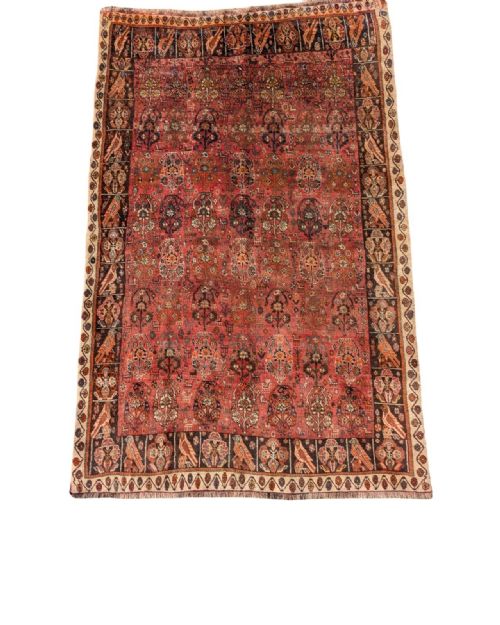
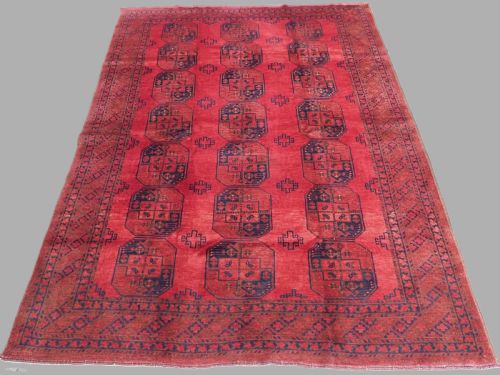
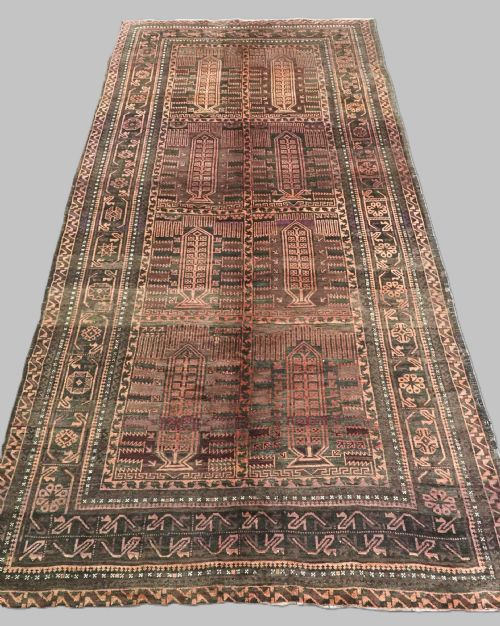
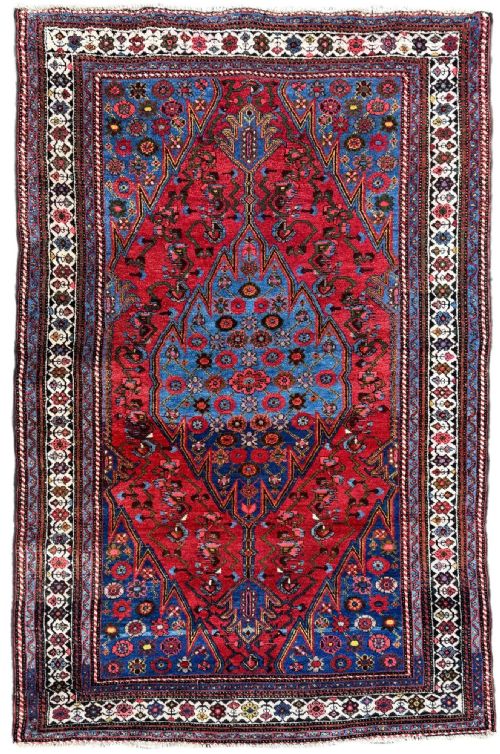
A vintage tribal floor rug encompasses hand-knotted wool and cotton floor coverings woven by village and nomadic weavers across Persia, the Caucasus, and Central Asia. These textiles span periods from the late nineteenth century through to the 1940s, including larger area carpets, hallway runners, and smaller hearth rugs.
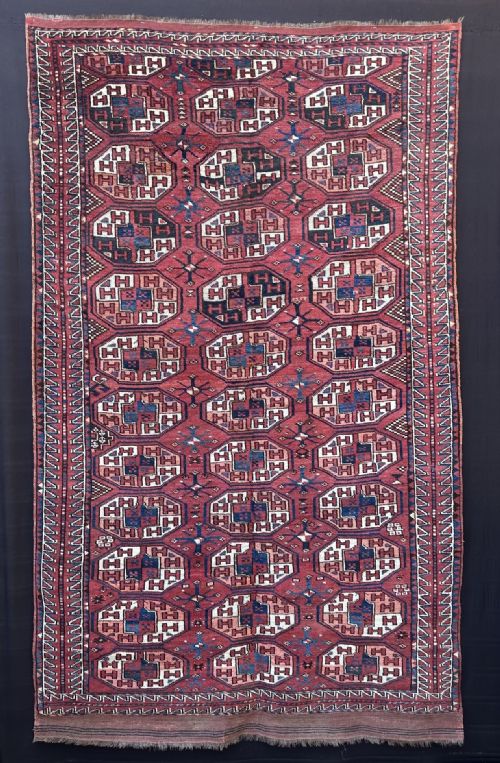
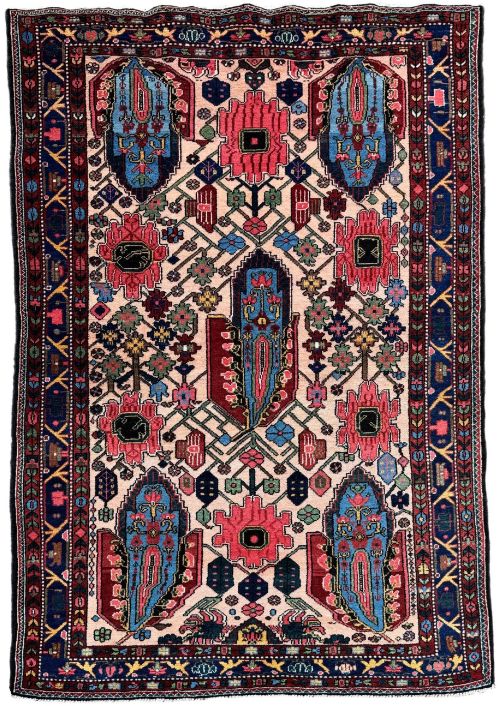
The regional styles represented include Persian Tribal, Caucasian, Turkmen Tribal, and specific village types such as Bakhtiar, Afshar, Bidjar, and Kazak. Each piece displays distinct geometric or floral patterns rooted in the traditions of specific groups like the Kizyl Ayak, Teke, and Kurds.
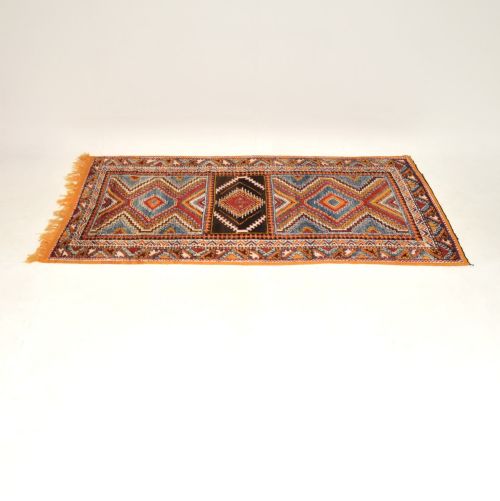
Buyers meet pieces ranging from long runner formats designed for corridors to square and rectangular formats suited for living spaces. The selection reflects domestic and nomadic production utilising durable materials intended for daily utility.
How they were made
The construction relies primarily on hand-knotted wool pile secured onto cotton or wool foundation warps and wefts. Weavers employed natural dyes to achieve deep reds, blues, and earthy tones that settle into rich patinas over decades of wear.
Nomadic and village workshops produced these pieces on portable or stationary vertical looms without commercial machinery. The density of the knotting and the preparation of the yarn dictate the structural resilience of each carpet.
Materials recorded across current inventory consist exclusively of wool, cotton, and natural dyes.
What varies in quality
Quality rests upon the tightness of the knot count and the stability of the wool foundation. Finer knotting permits sharper rendering of geometric lattice work and pictorial motifs.
The depth and consistency of natural dyes contribute significantly to a piece's visual resonance. Superior examples maintain structural integrity across the selvages and fringes while displaying harmonious colour distribution.
Kizyl Ayak Tribe·Ersari Turkmen·Teke Tribes
The Vintage Tribal Floor Rug Glossary
- Warp
- The stationary vertical threads stretched on a loom that form the structural foundation of a rug. The exposed ends of these threads often create the fringe at either end of the carpet.
- Weft
- The horizontal threads passed alternately over and under the warp threads to bind the knots in place. Together with the warp, they form the grid that supports the wool pile.
- Pile
- The vertical or slanted wool fibres that stand up from the foundation to create the soft surface of the rug. This is the part of the textile that receives foot traffic and displays the woven design.
- Natural Dyes
- Colourants derived from plant, insect, and mineral sources prior to the widespread adoption of synthetic alternatives. These dyes produce complex, muted tones that age with considerable depth.
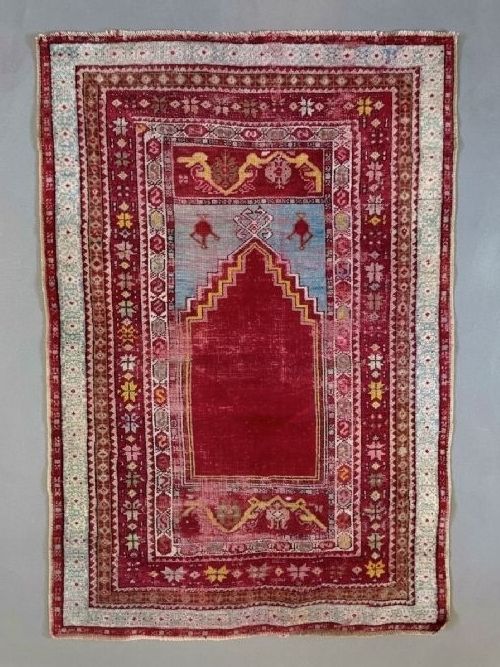
- Prayer Rug
- A specialised format featuring a central mihrab or arch design indicating the direction of prayer. These pieces were traditionally used for personal devotion in domestic settings.
Vintage Tribal Floor Rug: Frequently Asked Questions
How do I clean a vintage tribal rug?
Gentle surface vacuuming without a rotating brush roll removes everyday dust and grit from the wool pile. Professional specialist cleaning remains essential for deep washing to protect the natural dyes and foundation.
Avoid immersion in water or chemical spot treatments that can cause dye bleed or weaken old cotton warps. Regular rotation ensures even wear across high-traffic areas in your home.
Are these rugs suitable for high-traffic hallways?
Many examples on this page are produced in runner formats specifically suited for hallways and corridors. The dense wool pile and sturdy construction withstand regular foot traffic when paired with a quality underlay.
Positioning a protective pad underneath prevents sliding and cushions the foundation against hard flooring. This simple addition significantly extends the working life of older carpets.
What is a prayer rug used for?
Prayer rugs were woven with a distinct arched niche motif, known as a mihrab, pointing toward Mecca. They served as portable, personal spaces for daily prayer within nomadic and village households.
Today, these smaller formats function well as accent pieces on walls, small tables, or compact floor spaces. Their concentrated designs offer a striking focal point in interior styling.