







Traditional British Landscape Painting
Traditional british landscape painting captures fields, rivers and coastlines through centuries of oil and watercolour.
Traditional British Landscape Painting
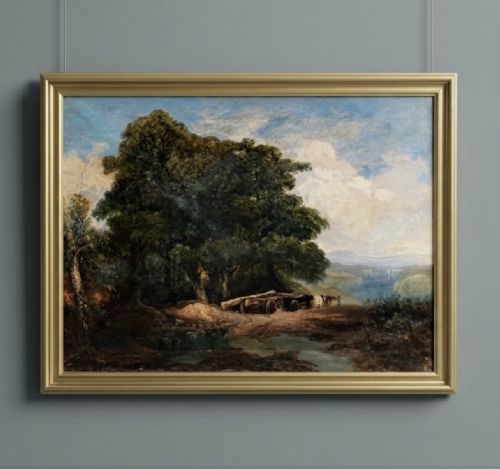
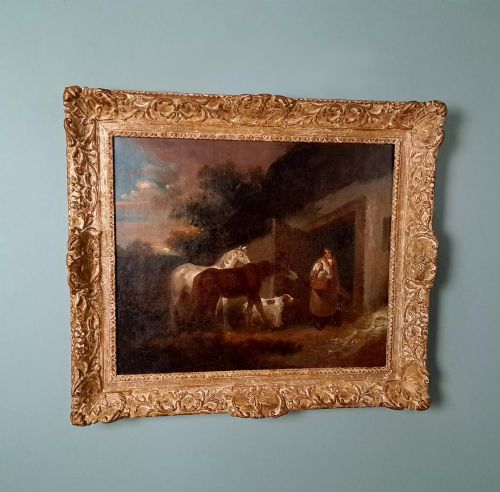
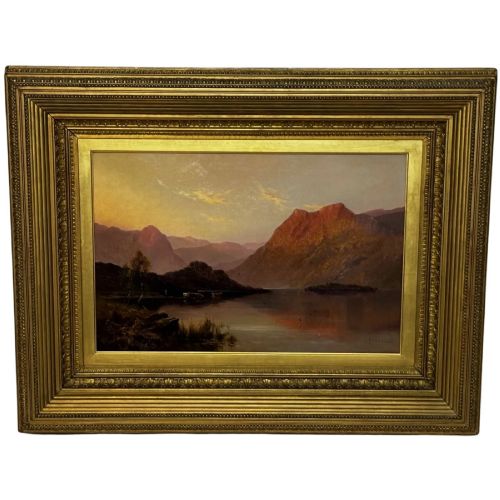
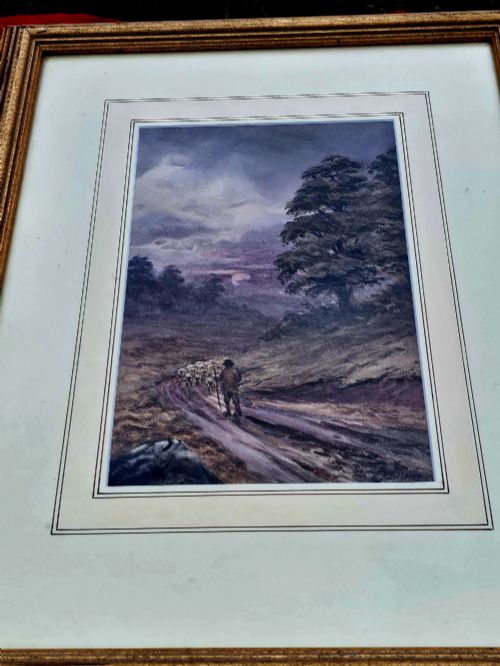
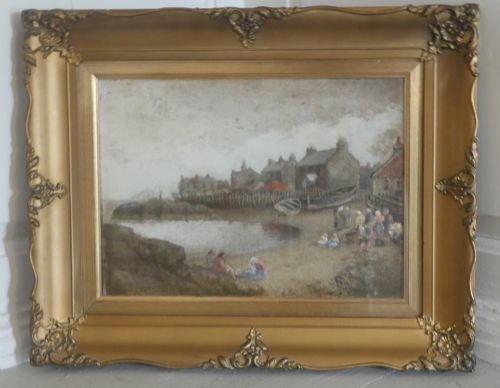
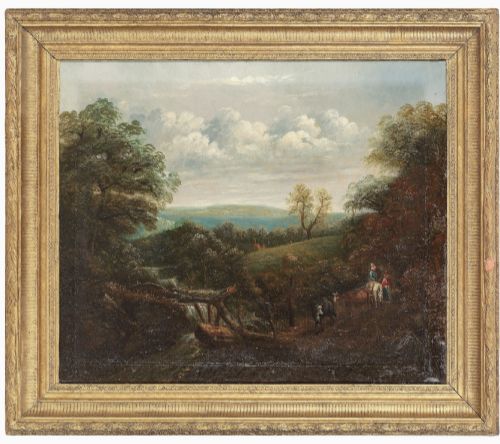
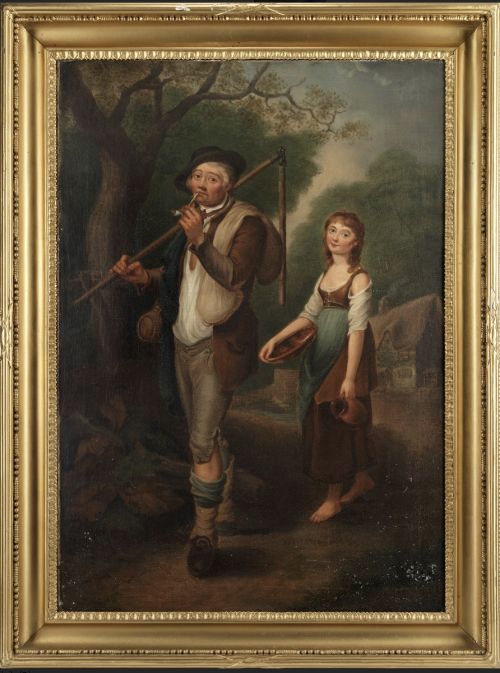
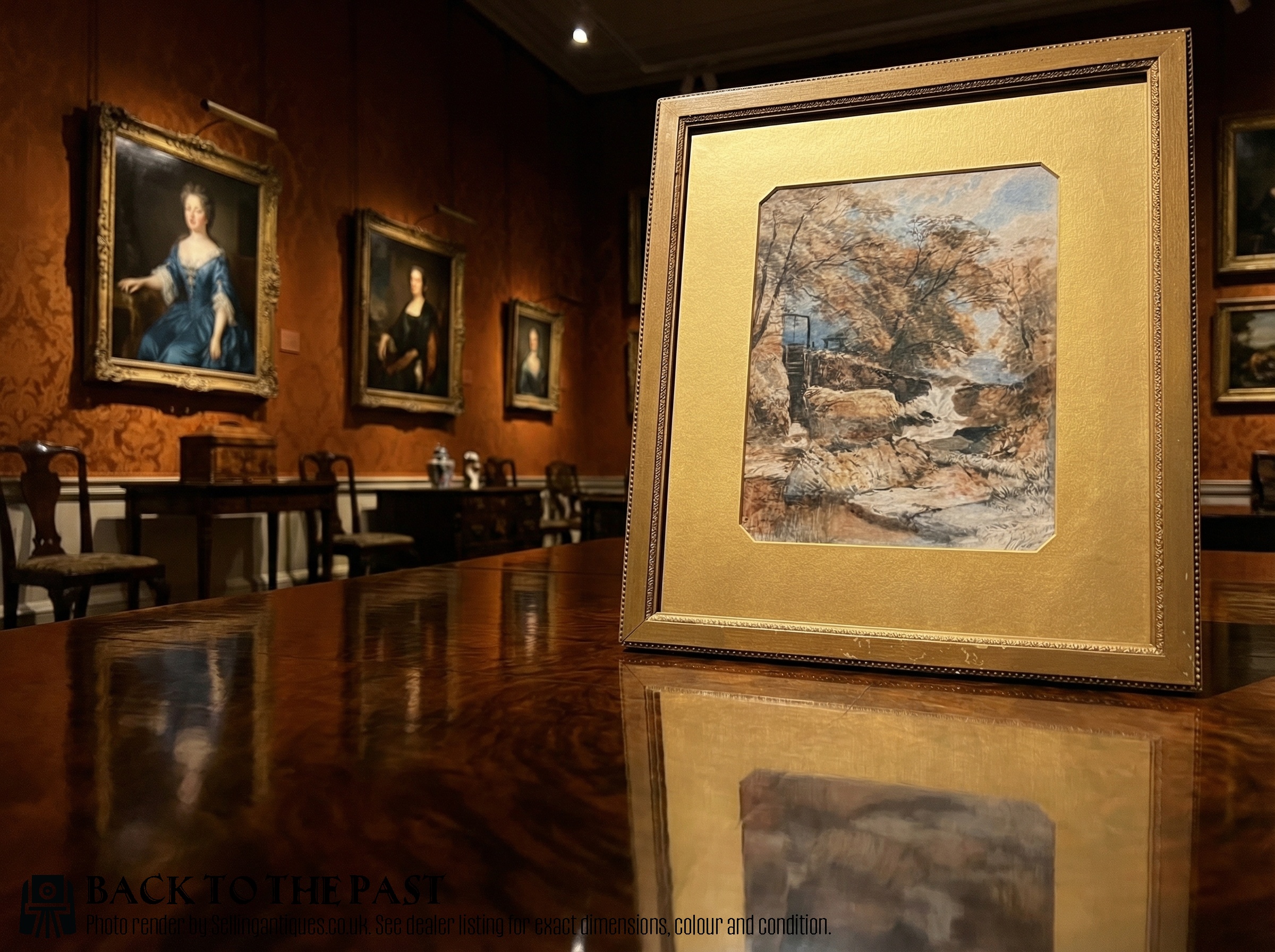
Traditional british landscape painting records the rural scenery, rivers, coastlines and rural life of the British Isles across the nineteenth and twentieth centuries. These works range from intimate watercolours on paper to large oil paintings on canvas and wood panel. Buyers look for depictions of familiar countryside, pastoral scenes with livestock, and coastal harbours set within period frames.
The versions most commonly met on this page date from the Victorian and Edwardian eras, extending into the early decades of the twentieth century. Examples include works by named artists of the British School alongside unsigned watercolours and oils by regional painters. Subjects frequently incorporate figures working the land, cattle near woodland, or boats moored in village harbours.
How they were made
Artists painted primarily with oil paint on canvas, prepared wooden panels or boards, capturing light and atmosphere with loaded brushes. Alternatively, they applied watercolours to paper, utilising the white of the sheet to create luminosity in skies and water. Finished works were often housed in heavy giltwood frames that provided both protection and a formal boundary for the composition.
Techniques relied on direct observation of nature combined with studio conventions of the period, building up layers of pigment to denote distance, foliage and water. Painters used fine brushes for architectural details and figures, while employing broader strokes for skies, distant hills and open fields.
The selection includes rural landscapes, coastal scenes and pastoral views associated with the British School and regional painters.
What varies in quality
Quality rests upon the artist's handling of light, perspective and atmospheric depth within the composition. Stronger works display confident brushwork and balanced tonal values that draw the eye naturally into the distance, whereas weaker examples remain flat and formulaic in execution.
The treatment of specific details, such as foliage, water reflections and human or animal anatomy, distinguishes superior paintings from ordinary production work. Original framing, clear signatures and well-documented provenance further separate the finest examples from standard school pieces.
Richard Sebastian Bond·William H Myers·Tom Campbell·Alfred Young Nutt·Percy Lancaster·William Howard Hardy·John Horace Hooper·William Joseph Shayer Senior·Alfred Fontville de Breanski Jr·Edward Mills·William Banks Fortescue·Thomas Barker of Bath·Thomas W Lascelles·William Joseph Boyes·David Bates·Thomas Smythe·Walter Heath Williams·Robert Thorne Waite·John Smith Atherton·George Oyston·George Wright·Alfred G Morgan·Russell Sidney Reeves·Vernon DeBeauvoir Ward·Robert Leslie Howey
The Traditional British Landscape Painting Glossary
- Oil on Canvas
- Pigment mixed with drying oil applied to a stretched woven fabric support. This combination allows for rich colour blending and textured impasto work.
- Watercolour
- A painting method where water-soluble pigments are suspended in a water-based solution on paper. Artists use transparent washes to build delicate atmospheric effects.
- Giltwood
- Wood carved and coated with a thin layer of gold leaf or metallic powder. These frames are traditional accompaniments for period oil paintings.
- Wood Panel
- A rigid flat wooden support used instead of canvas for painting. Panels offer a smooth surface favoured by artists working in fine detail.
- British School
- A term used to describe works produced by artists trained or working within Britain who share stylistic traits. It often denotes unsigned paintings attributed by style and period.
Traditional British Landscape Painting: Frequently Asked Questions
What periods do these paintings cover?
The available works span from the late eighteenth century through the Victorian and Edwardian periods up to the mid-twentieth century. Most examples cluster around the nineteenth century and the early decades of the twentieth.
This broad timeline encompasses various regional British schools and individual artists working in oil and watercolour.
How should I care for an antique watercolour?
Watercolours on paper require protection from direct sunlight to prevent fading of the pigments and yellowing of the paper support. Framing behind conservation glass helps block ultraviolet rays.
Keep them away from damp environments to avoid foxing spots and mould growth on the paper surface.
What subjects are most common?
Common subjects include pastoral scenes with cattle or sheep, river landscapes, woodland paths and coastal harbour views. Figures are frequently included working the land or travelling along country lanes.
Regional topography from locations across England, Scotland and Wales appears often in the titles.
Are these paintings supplied with frames?
Many pieces retain their original or period frames, particularly giltwood examples that complement the age of the artwork. Framing details are typically noted in the description.
Buyers should check whether the listed item includes the frame shown in the images.