


Antique Painting on Board
An antique painting on board offers a direct encounter with historical portraiture, landscape, and still life executed on a stable rigid panel rather than stretched fabric.
Antique Painting on Board
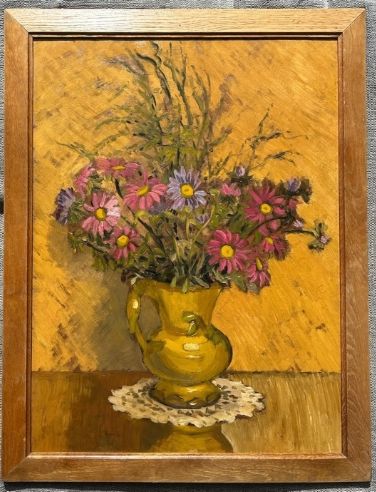
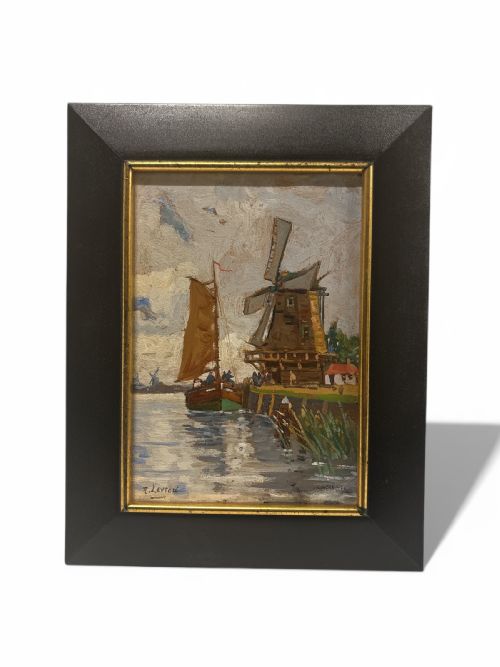
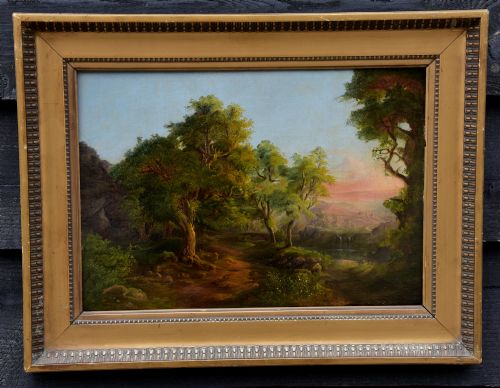
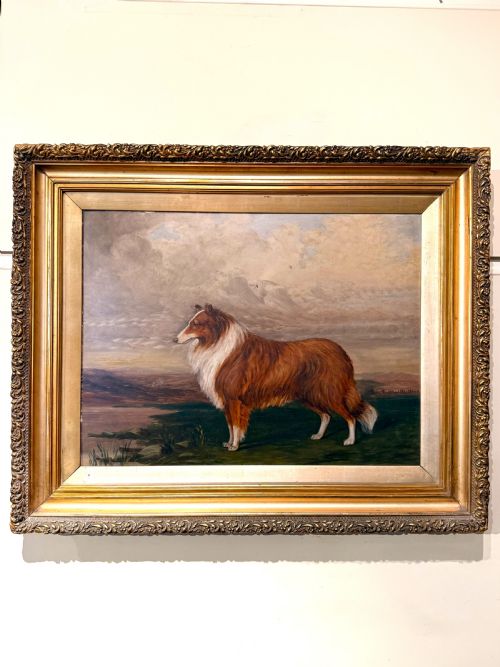
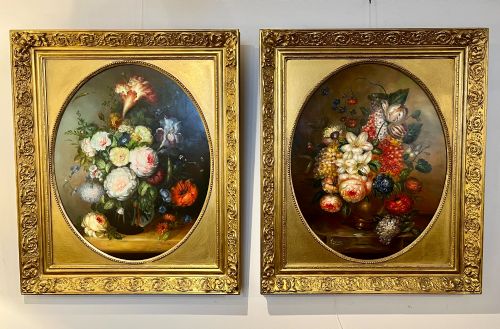
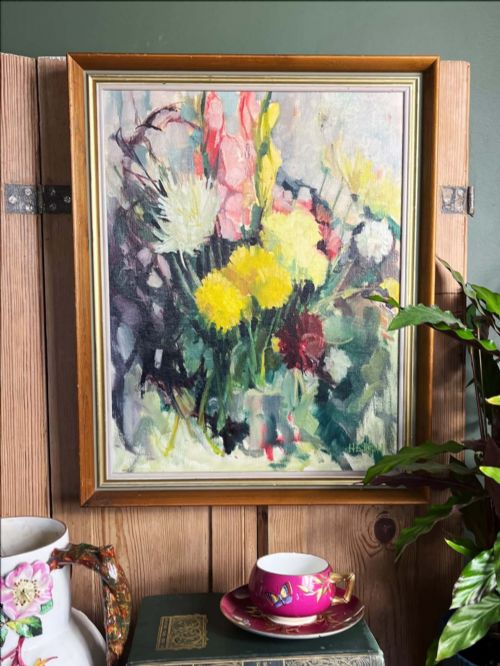
When searching for an antique painting on board, collectors encounter a diverse range of artistic expressions spanning from the eighteenth century through the mid-twentieth century. The selection encompasses intimate woodland scenes, coastal maritime views, animal studies, and floral still lifes created by regional artists and continental schools.
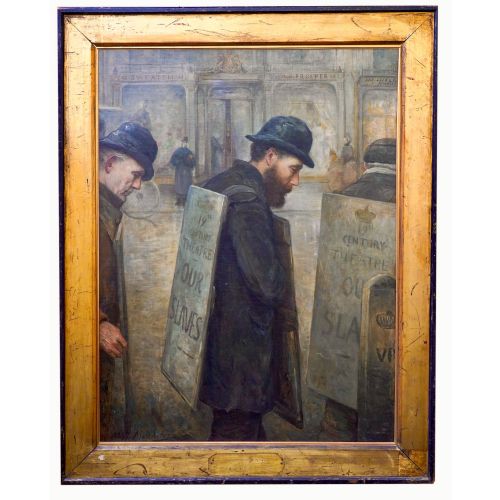
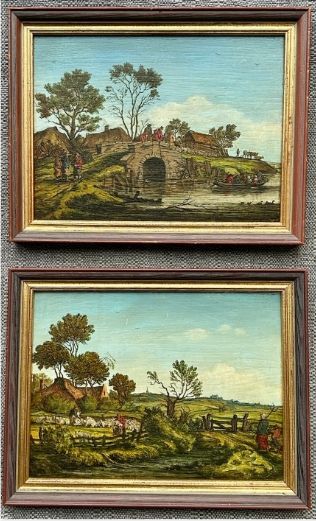
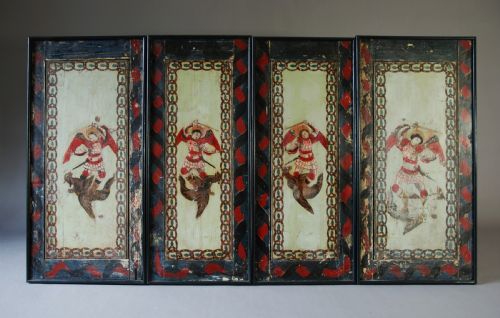
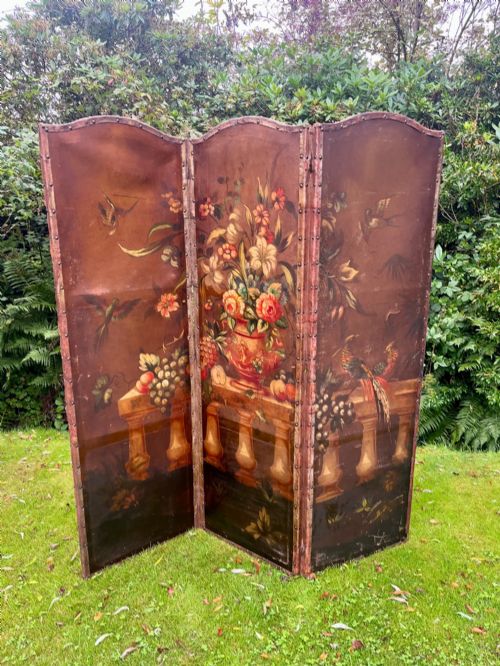
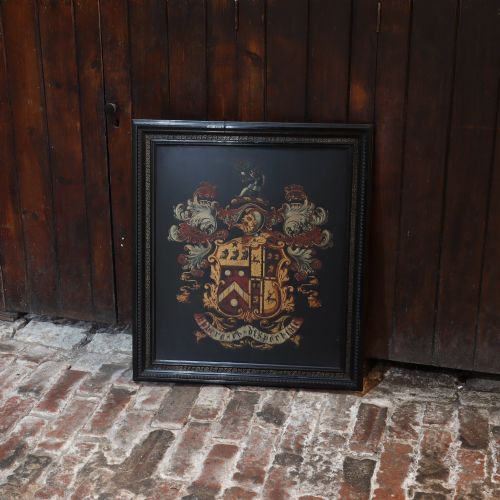
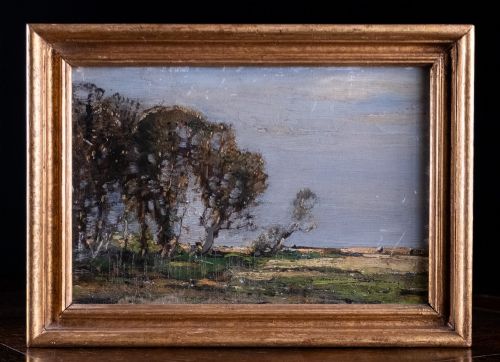
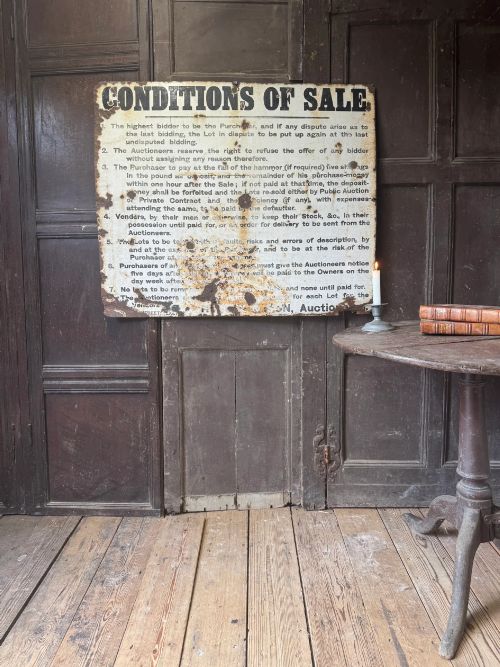
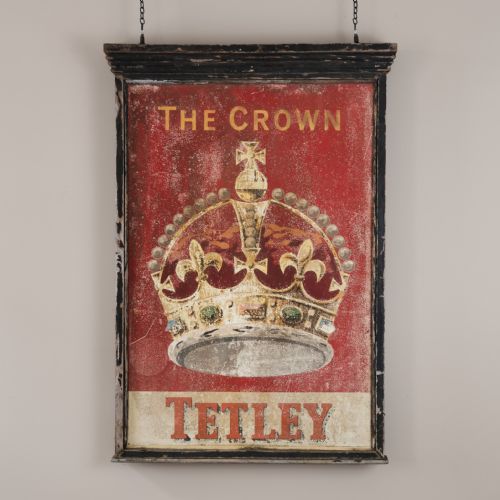
The dominant forms on this page include nineteenth-century landscapes and early twentieth-century genre scenes rendered directly onto wooden panels, canvas laid onto board, or heavy card. Alongside framed fine art, buyers frequently find hand-painted trade signs, heraldic panels, and decorative screens reflecting utilitarian and domestic applications.
Origins vary from British regional landscapes and Scottish Highland vistas to Dutch-style still lifes and French provincial works. These pieces demonstrate how artists favoured rigid supports for both rapid plein-air sketching and finished studio compositions due to the durability and smooth working surface of the substrate.
How They Were Made
Artists utilised prepared wooden panels, millboard, or canvas adhered to rigid board as a durable alternative to stretched canvas. These supports were often coated with gesso or a priming layer to create a stable, non-porous foundation for oil paint or gouache.
Pigments bound in oil were applied with brushes or palette knives, allowing for impasto textures in pastoral and maritime scenes as well as delicate glazing in portraits. Finished panels were frequently housed in gilt frames or mounted within architectural settings depending on their original domestic or commercial function.
The inventory records regional British landscapes, maritime scenes, and floral still lifes alongside hand-painted trade signs and decorative panels.
What Varies In Quality
The distinction between tiers rests upon the confidence of brushwork, compositional balance, and the handling of light within the scene. Masterful artist execution conveys atmospheric depth and anatomical accuracy with economy, whereas lesser examples rely on stiff repetition and muddy pigment mixing.
The integrity of the underlying board and the preservation of the original paint layer heavily influence overall standard. Superior works retain their original surface tension and framing context without extensive overpainting or structural warping of the wooden support.
Felix Stone Moscheles·Kershaw Schofield·Charles Houben·T C Hofland·John Moore of Ipswich
The Antique Painting on Board Glossary
- Board
- A rigid flat support made from wood, millboard, or heavy pasteboard used by artists as an alternative to stretched canvas. It provides a firm resistance against the brush during application.
- Gesso
- A traditional primer mixture consisting of a binder mixed with chalk, gypsum, or pigment applied to a panel. This creates a smooth, absorbent surface ready to receive oil or tempera paint.
- Impasto
- Paint applied thickly to a support so that it stands out from the surface, retaining visible brush or palette knife marks. This technique adds tactile dimension to highlights and water reflections.
- Provenance
- The documented history and chain of ownership attached to a work of art, often verified by inscriptions, gallery labels, or signatures verso. It establishes authenticity and historical context.
- Verso
- The reverse side of a painting, panel, or board. This area frequently yields artist signatures, historic titles, exhibition stamps, or secondary sketches left by the creator.
Antique Painting on Board: Frequently Asked Questions
What is an antique painting on board?
An antique painting on board is a work of fine art or decorative panels executed on a rigid flat support rather than flexible woven canvas. These pieces utilise wood, millboard, or heavy card as a sturdy foundation for oil or gouache pigments.
Artists favoured this medium for portability during outdoor sketching and for its resistance to sagging or punctures over decades of display.
How do I care for a painting on board?
Living with these works requires stable indoor humidity and protection from direct sunlight to prevent warping of the wooden support and fading of sensitive pigments. Dusting should be performed gently with a dry, soft brush without applying cleaning solutions to the paint surface.
Displaying panels away from radiators and damp exterior walls ensures the wood and gesso foundation remains structurally sound.
How can I tell the age of the board?
Dating the support involves examining the material composition, framing methods, and any handwritten inscriptions or stamps located on the reverse side. Nineteenth-century panels often display specific mill markings, bevelled edges, or heavy card textures typical of historical manufacturing.
Stylistic clues within the brushwork and clothing fashions depicted in portraits also assist in narrowing the production period.
Were all paintings on board meant for art?
While many pieces represent framed fine art landscapes and portraits, a significant portion served decorative or commercial functions in daily life. Examples include painted trade signs, heraldic panels, architectural plaques, and folding screens produced for domestic interiors.
These utilitarian items demonstrate the widespread application of paint on rigid wooden substrates beyond traditional easel painting.