

Tin Glazed Earthenware Dishes
Tin glazed earthenware dishes bring centuries of painted blue and white ceramic history into domestic spaces through chargers, plates and bowls.
Tin Glazed Earthenware Dishes
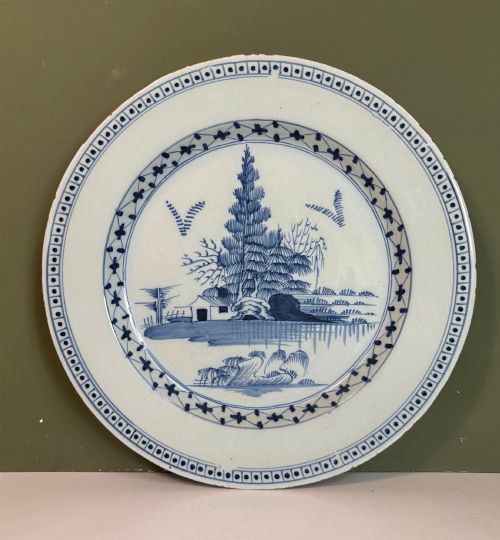
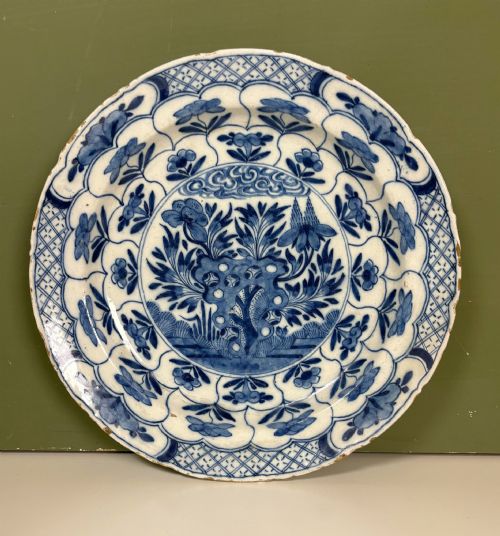
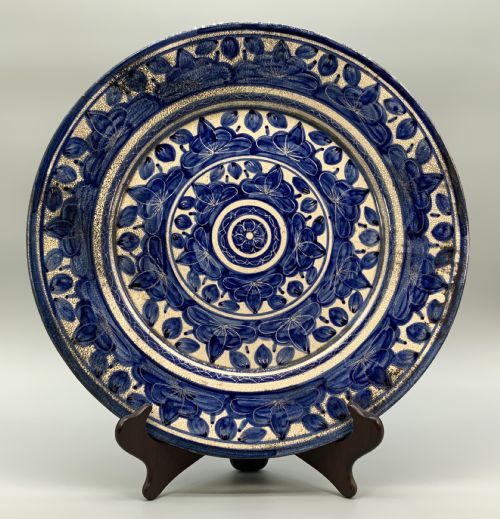
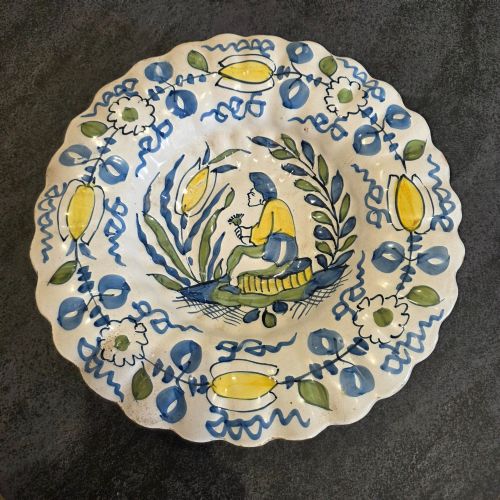
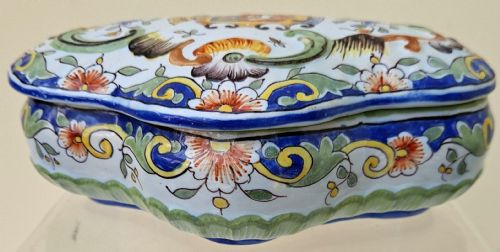
Tin glazed earthenware dishes encompass large chargers, decorative plates, lobed dishes, and smaller table vessels produced across several centuries. The selection centres primarily on 17th and 18th century examples alongside later continental revivals.
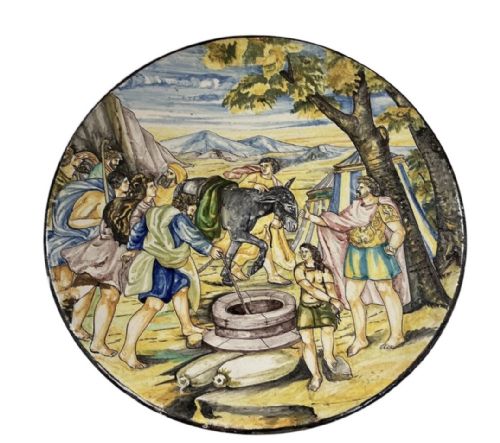
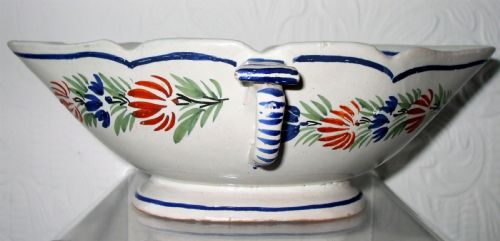
Buyers encounter distinct regional traditions including English Delftware, Dutch Delft, French Faience, and Italian maiolica. Chargers and plates dominate the forms, accompanied by specialised pieces like barber's bowls, sauceboats, and salt cellars.
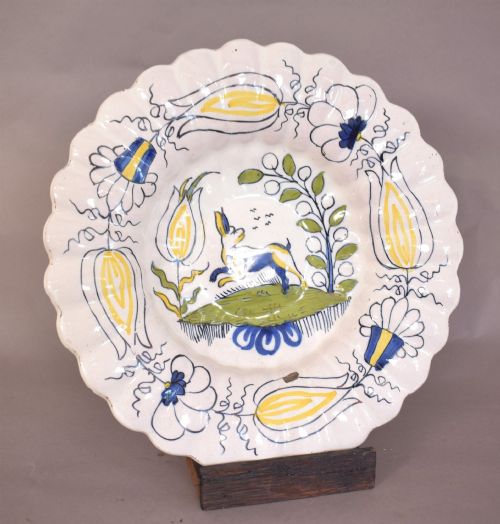
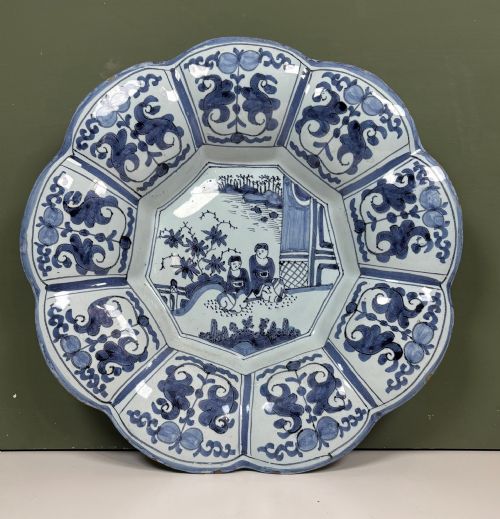
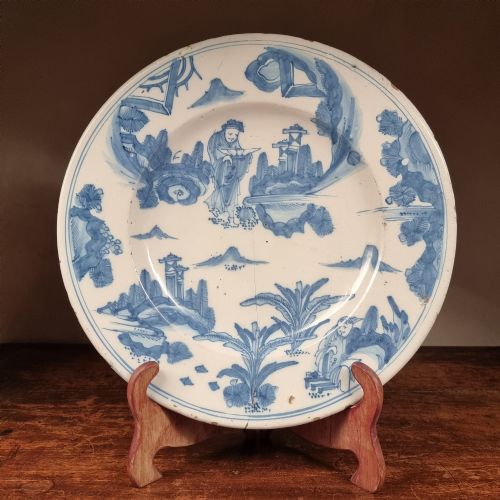
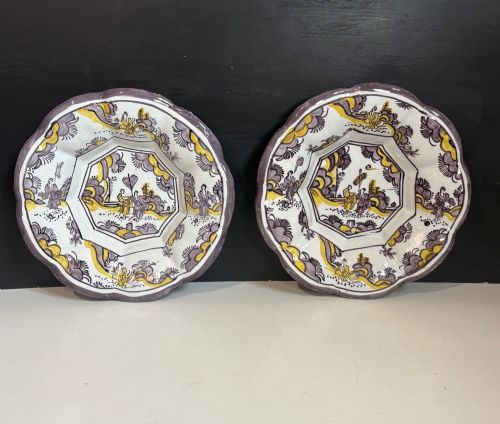
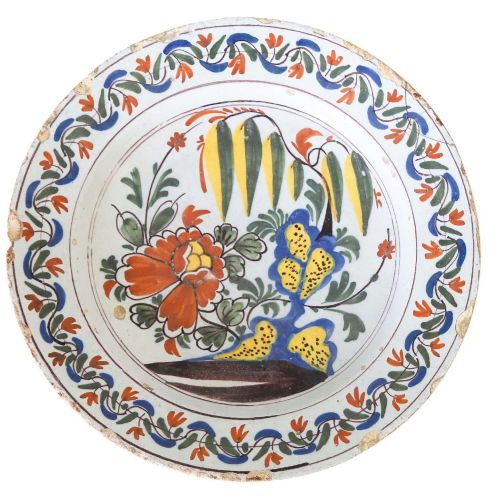
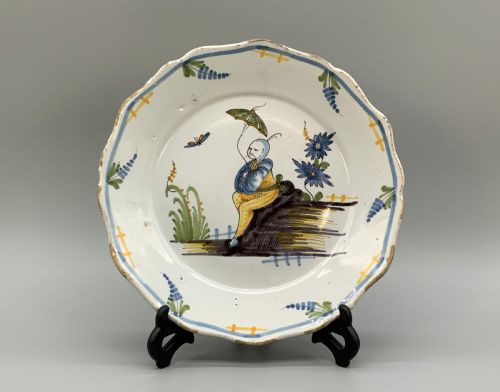
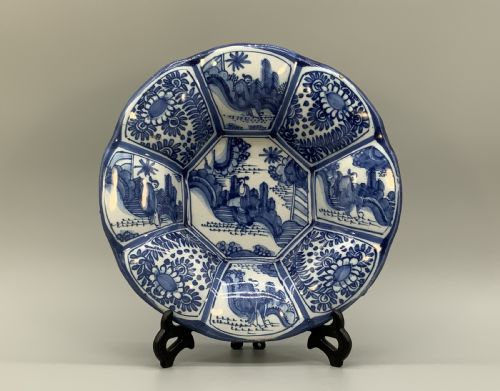
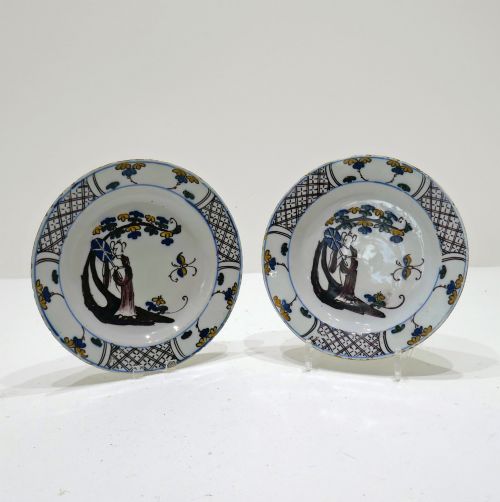
The aesthetic ranges from blue and white Chinoiserie and Kraak styles to polychrome floral decorations and classical historical scenes. These pieces reflect diverse European and Middle Eastern influences adapted by local potteries.
Materials and Manufacture
Potters shaped local earthenware clay into plates and chargers before applying a liquid glaze opacified with tin oxide. This opaque white surface provided a smooth ground for subsequent hand-painted decoration.
Painters applied mineral pigments directly onto the unfired or raw glaze, using cobalt oxide for blue, alongside manganese, yellow, and other colours for polychrome scenes. The vessels underwent a high-temperature kiln firing that fused the pigments into the tin glaze.
Listings span tin-glazed earthenware from the 17th, 18th, and 19th centuries, featuring English, Dutch, French, and Italian origins.
Judging Quality
Quality rests in the crispness and confidence of the hand-painted brushwork, distinguishing swiftly executed commercial output from detailed artistic compositions. Pigment depth and the smoothness of the opaque white tin glaze surface also dictate overall refinement.
The structural integrity of the ceramic body and the preservation of the painted glaze across centuries determine desirability. Pieces retaining their original glaze lustre and sharp rim contours stand out within the category.
Desvres French Faience·HB Quimper·Quimper French Faience
The Tin Glazed Earthenware Dishes Glossary
- Charger
- A large decorative plate or dish, typically measuring over thirty centimetres in diameter. These served as display pieces on sideboards or walls during earlier periods.
- Tin-Glazed Earthenware
- Pottery covered with a lead glaze made opaque by the addition of tin oxide. This technique originated in the Middle East before spreading through Europe as faience, majolica, and delftware.
- Chinoiserie
- European interpretations of Chinese artistic motifs and styles. Potters rendered imaginative landscapes and figures in blue and white pigments.
- Polychrome
- Decoration utilising multiple colours rather than a single pigment. Painters employed manganese, yellow, and green alongside cobalt to create vibrant floral or figural scenes.
- Kraak Style
- A type of Chinese porcelain design imitated by European potteries, characterised by panelled borders and central landscape motifs.
Tin Glazed Earthenware Dishes: Frequently Asked Questions
What are tin glazed earthenware dishes?
These objects are ceramic plates, chargers, and serving vessels coated in an opaque white tin glaze. Artisans hand-painted designs directly onto this surface before firing.
Originating across various European regions, they served both decorative display purposes and functional dining roles in past centuries.
How were these dishes used originally?
Large chargers and plates frequently functioned as display items on sideboards or walls to impress guests. Smaller bowls and dishes held food, sauces, or personal items.
Specialised forms like barber's bowls and salt cellars fulfilled specific domestic and grooming tasks within wealthy households.
How do I care for antique ceramic dishes?
Keep these pieces away from modern dishwashers and harsh cleaning agents to protect the historic glaze. Wash them gently by hand using lukewarm water and mild soap when necessary.
Display them securely on stable plate stands or wall mounts designed specifically for heavy earthenware chargers.
How do I tell seventeenth and eighteenth century pieces apart?
Seventeenth century examples often feature heavier potting and strong influences from Chinese Kraak porcelain styles. Eighteenth century items frequently display lighter bodies and varied polychrome or Chinoiserie palettes.
Examining the foot ring, glaze pooling on the reverse, and stylistic brushwork helps identify the specific manufacturing era.