








Chinoiserie Tin Glaze Plates
Chinoiserie tin glaze plates bring together European earthenware and Asian motifs, offering collectors remarkable historic depth.
Chinoiserie Tin Glaze Plates
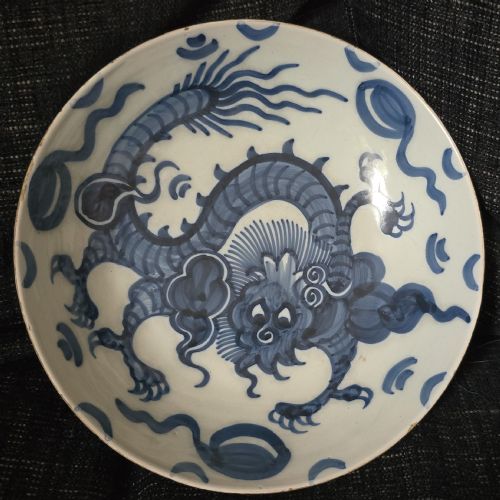
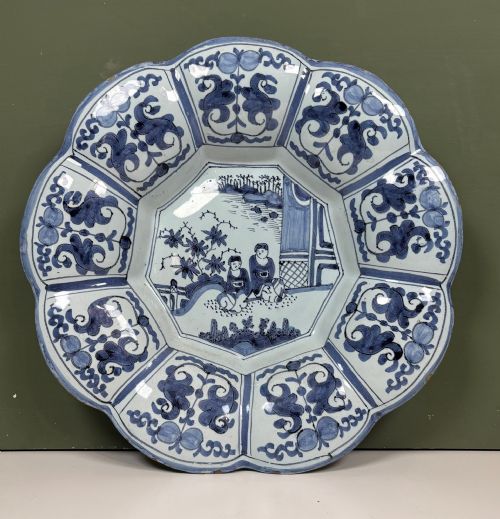
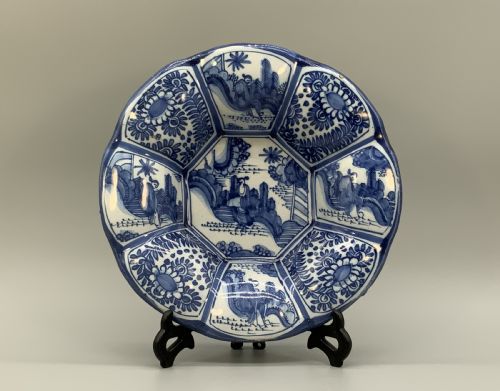
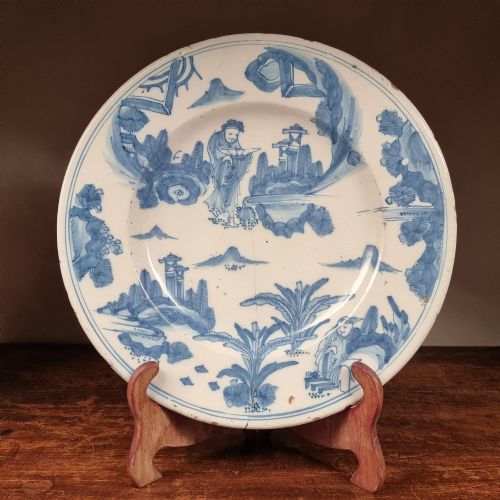
These chinoiserie tin glaze plates comprise decorative dishes, chargers, and platters spanning the seventeenth and eighteenth centuries. Buyers encounter English, Dutch, and French examples originating from workshops in centres such as Bristol and Lambeth alongside continental kilns. The forms range from small plates to large chargers designed for display rather than heavy dining use.
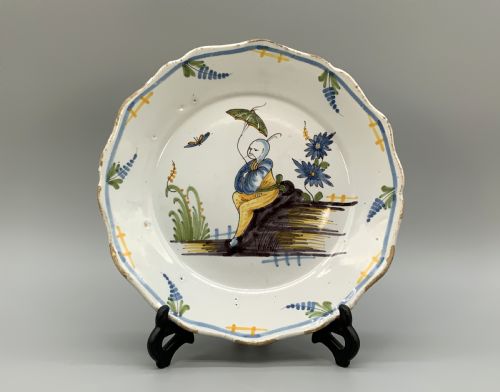
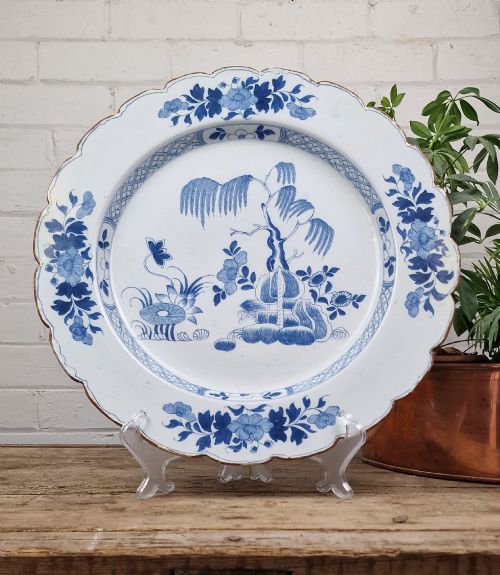
Makers drew heavily upon Chinese porcelain aesthetics, adapting oriental figures, landscapes, and floral arrangements into domestic ceramic traditions. Dutch baroque influences and Kraak styles frequently appear alongside Georgian interpretations of Eastern scenes. Most pieces on offer date from the eighteenth century, though late seventeenth-century examples also surface.
Factors influencing quality
The crispness of the hand-painted decoration determines the visual appeal of each dish. Freehand brushwork executed with confidence elevates a charger above stiff, derivative copies of oriental motifs.
The purity and consistency of the tin glaze across the surface dictate the tactile and aesthetic merit. A smooth, even glaze free from excessive pooling or heavy crazing preserves the clarity of the underlying cobalt pigment.
Chinoiserie Tin Glaze Plates Retail Price Guide 2026
Typical asking prices for chinoiserie tin glaze plates among the pieces listed under this phrase on Sellingantiques today, from the lower quarter to the upper quarter. They describe what is for sale here now, not the wider market.
Potters occasionally painted faux Chinese character marks on the bases to mimic genuine imported porcelain.
The Chinoiserie Tin Glaze Plates Glossary
- Tin-glaze
- Earthenware coated with a white glaze rendered opaque by the inclusion of tin oxide. This surface served as the ground for hand-painted cobalt and polychrome decoration.
- Charger
- A large decorative plate primarily intended for wall hanging or buffet display rather than table service. These substantial vessels often display the most ambitious chinoiserie scenes.
- Polychrome
- Decoration employing multiple colours rather than a single pigment. On these pieces, artisans combined cobalt blue with manganese purple, yellow, and green.
- Kraak style
- A Dutch imitation of Chinese porcelain exported during the late Ming dynasty, characterised by panelled borders and central landscape motifs. Potters adopted these layouts for European earthenware dishes.
Chinoiserie Tin Glaze Plates: Frequently Asked Questions
How should I display a charger?
These large dishes suit wall mounting using specialised wire hangers designed for heavy earthenware. Alternatively, sturdy plate stands allow them to sit securely on sideboards or mantelpieces.
Keep the pieces away from direct sunlight and damp walls to protect the historic earthenware body and tin glaze.
Were these plates used for dining?
Large chargers served primarily for visual display during feasts rather than everyday dining. Standard plates saw occasional table use, though their soft earthenware fabric chipped easily.
Today, collectors treat all surviving examples as decorative objects due to their fragile nature and age.
What causes crazing on the glaze?
Crazing occurs when the tin glaze contracts at a different rate than the underlying earthenware body over centuries of temperature fluctuation. This network of fine lines is a natural characteristic of antique tin-glazed ceramics.
Such ageing patterns do not detract from the historical authenticity of the piece.