
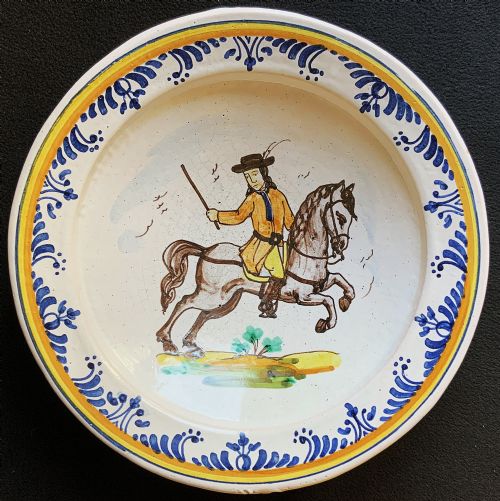


18th Century Faience Plate
An 18th century faience plate brings tin-glazed earthenware into the home, offering hand-painted blue and polychrome scenes that capture historic ceramic artistry.
18th Century Faience Plate
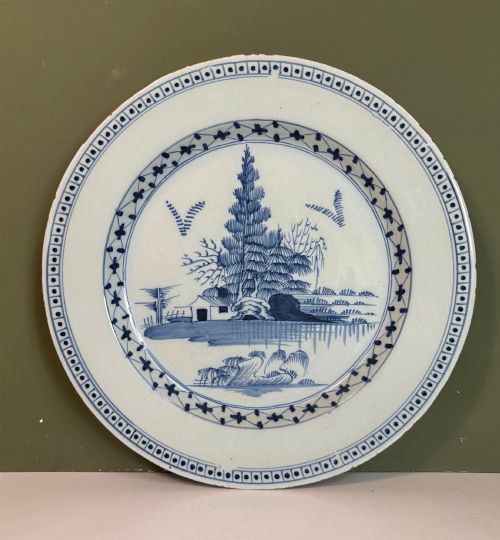
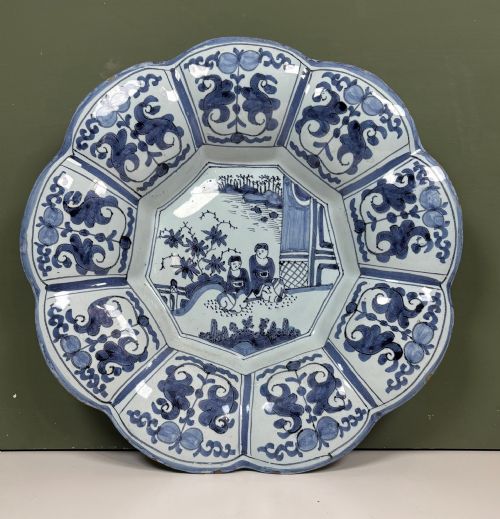
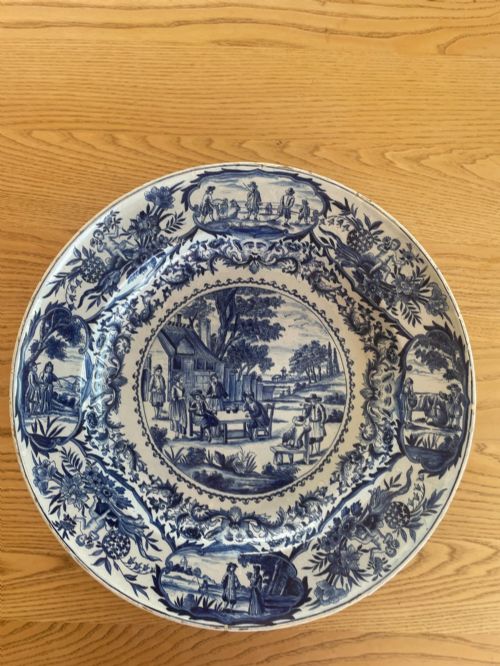
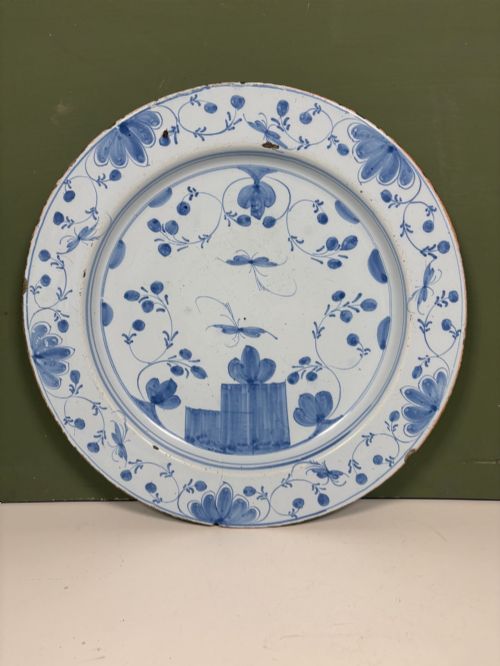
An 18th century faience plate takes the form of chargers, decorative dishes, and smaller table plates originating from Dutch, French, Spanish, and English workshops. These pieces span from the late seventeenth century through to the end of the eighteenth century, showing considerable variety in scale and purpose.
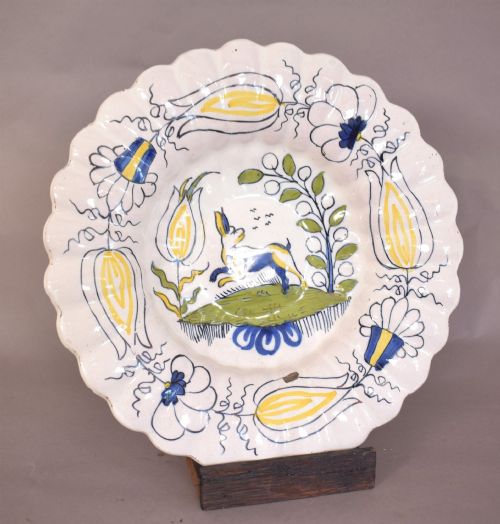
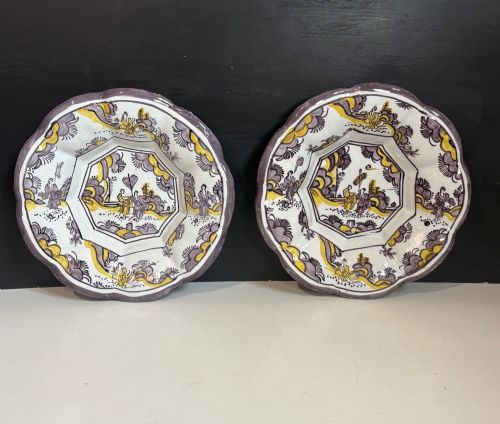
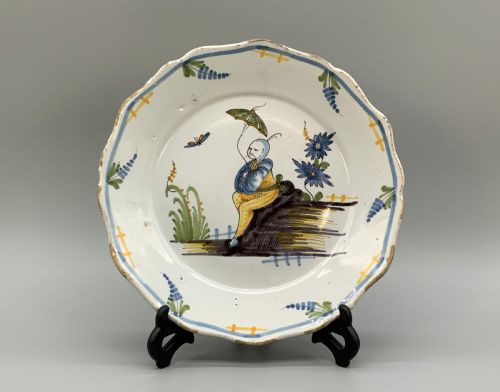
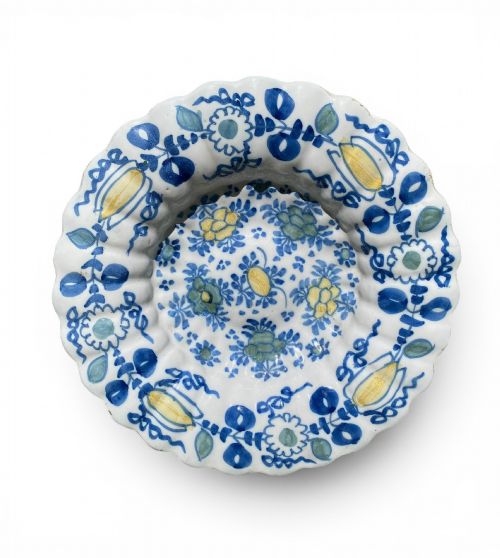
The version most commonly encountered on this page is the Dutch Delft charger or smaller plate, frequently painted in cobalt blue or broader polychrome palettes. French and Spanish examples also appear, bringing distinct regional styles such as manganese and yellow colourways or Chinoiserie motifs to the selection.
Materials and construction
These items rely on earthenware bodies covered in an opaque tin glaze, which provides a smooth white surface for subsequent painting. Artisans applied cobalt pigment and other mineral colours directly onto the unfired or absorbent glaze.
Firing took place in traditional kilns, fixing the metallic oxides into the glaze to create vibrant blue and polychrome imagery. The resulting ceramic combines a porous earthenware fabric with a characteristic tin-glazed finish.
Listings span multiple regions, featuring Dutch, French, Spanish, and English tin-glazed earthenware alongside specific styles like Chinoiserie and Dutch Baroque.
Distinguishing quality across the range
The refinement of the painted brushwork dictates much of the distinction between standard vessels and superior examples. Detailed hand-painted scenes, such as Chinoiserie or specific pictorial motifs, show a higher degree of artistic control than repetitive geometric borders.
The complexity of the palette also separates pieces, with polychrome decorations involving manganese, yellow, and multiple pigments requiring greater technical skill in the kiln than simple blue and white work.
Veuve Perrin
The 18th Century Faience Plate Glossary
- Faience
- Tin-glazed earthenware produced in continental Europe, particularly in France, Germany, and Spain. The term encompasses a broad range of decorated pottery from various regional centres.
- Delftware
- Tin-glazed earthenware originating from the Netherlands, famous for its blue and white or polychrome decoration. It mimics the appearance of imported Chinese porcelain.
- Charger
- A large decorative plate intended for display on walls or sideboards rather than everyday dining use. These large surfaces often display the most ambitious painted compositions.
- Polychrome
- Decoration employing multiple colours rather than a single pigment like cobalt blue. Such schemes frequently include yellow, green, and manganese purple.
- Tin glaze
- An opaque white glaze containing tin oxide applied to an earthenware body. It provides the characteristic canvas for painted ceramic decoration.
18th Century Faience Plate: Frequently Asked Questions
How were these plates used historically?
Larger chargers and dishes served primarily as decorative displays on walls or sideboards within prosperous homes, rather than for serving food at the table.
Smaller plates occasionally saw service during formal meals, though their tin-glazed surfaces made them susceptible to chipping and wear from cutlery.
What is the difference between faience and delftware?
Faience is the broader continental European term for tin-glazed earthenware produced in countries such as France and Spain. Delftware specifically denotes the tin-glazed pottery made in the Netherlands.
Both categories share the fundamental technique of an earthenware body covered in an opaque white tin glaze painted with mineral pigments.
How do I identify a polychrome piece?
Polychrome pieces incorporate several distinct colours in their painted designs, moving beyond traditional blue and white schemes. Look for combinations involving manganese, yellow, green, and iron red upon the white tin glaze.
These multi-coloured examples often feature floral, geometric, or figurative scenes created by skilled painters in Dutch or French workshops.
Can these antique plates be hung on walls?
Many chargers and decorative dishes feature traditional manufacturing traits or historic mounts suitable for display. Care must be taken to use appropriate, non-damaging wire hangers designed specifically for antique ceramics.
Displaying them away from direct sunlight and moisture helps protect the fragile tin glaze and hand-painted pigments over time.