



Dutch Pottery Plates
Dutch pottery plates bring the rich artistry of the seventeenth and eighteenth centuries into modern spaces through tin-glazed earthenware decorated in blue and white or polychrome palettes.
Dutch Pottery Plates
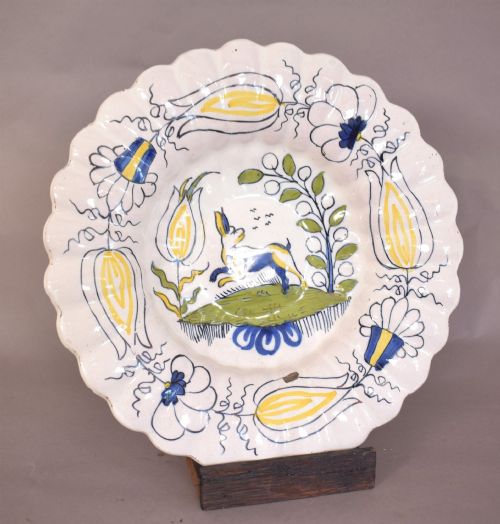
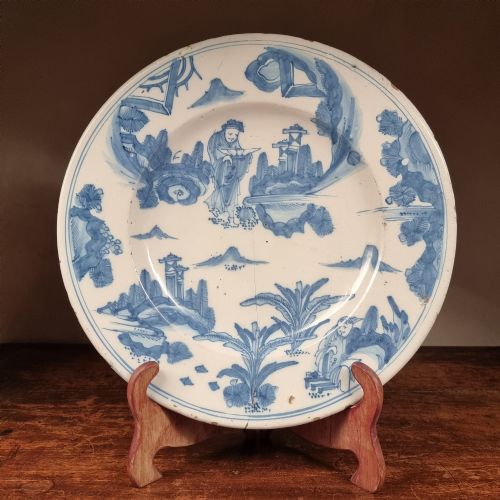
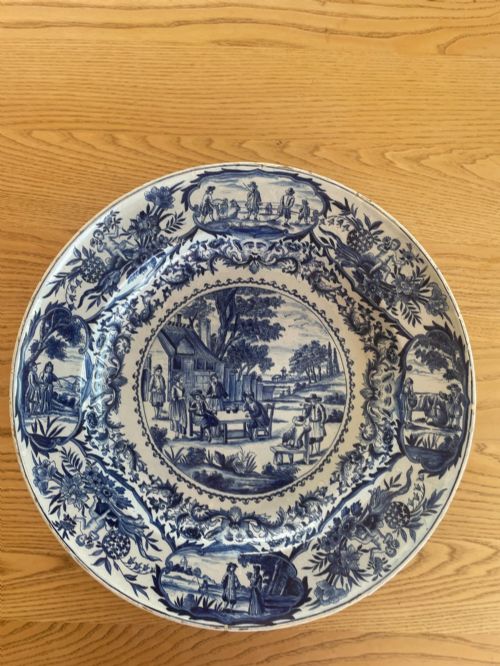
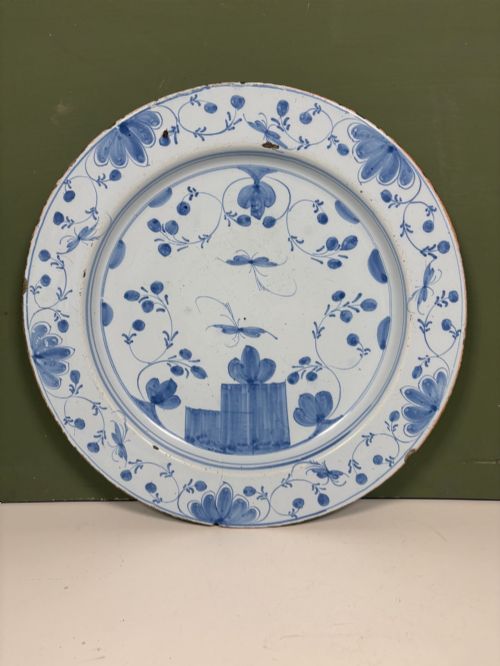
Dutch pottery plates encompass decorative plates, chargers, shallow bowls, and lobbed dishes originating from the seventeenth, eighteenth, and nineteenth centuries. Buyers searching for dutch pottery plates encounter everything from small domestic plates to grand wall chargers spanning the Dutch Baroque and Golden Age periods. The most common survivals on this page are eighteenth-century examples featuring hand-painted floral motifs or Chinese-inspired designs.
The forms range from flat pancake plates to deep chargers meant for display on walls or sideboards. Many pieces demonstrate the cross-cultural exchange of the era, adopting Kraak styles and oriental patterns into European ceramic traditions. Collectors often find matching pairs and sets alongside single chargers that served as centrepieces in historic households.
How they were made
Potters shaped these wares from local earthenware clays before coating them in an opaque tin glaze that provided a smooth, white surface for painting. Artisans then applied pigments directly to the unfired glaze, using cobalt oxide for deep blues and manganese for rich purples and browns. Grand feu techniques allowed certain pigments to fuse completely with the glaze during high-temperature firing, producing a durable and glossy finish.
Polychrome decoration required additional mineral pigments such as iron oxides and copper to achieve greens, yellows, and oranges on the finished plate. The porous earthenware body beneath the tin glaze typically shows warm buff or pinkish tones where the glaze has worn or chipped over centuries of handling.
Listings span seventeenth, eighteenth, and nineteenth-century Dutch pottery plates executed in tin-glazed earthenware with blue and white or polychrome pigments.
What varies in quality
The standard of a piece rests heavily on the confidence and fluidity of the brushwork painted across the tin glaze. Superior examples display crisp, deliberate cobalt painting with clear botanical or figurative details, whereas lesser items show hurried or muddy execution. The vibrancy of the palette and the complexity of the composition also separate ordinary domestic ware from exhibition-quality chargers.
Condition plays a central role in valuation, as tin-glazed earthenware is notoriously prone to edge flaking and glaze loss along the rim. Plates that retain their original glaze lustre and structural integrity without extensive restoration represent the pinnacle of surviving Dutch ceramic output.
De Witte Ster
The Dutch Pottery Plates Glossary
- Tin-Glazed Earthenware
- A ceramic body covered with a lead glaze made opaque by the addition of tin oxide. This white surface served as a canvas for painted decoration before final firing.
- Charger
- A large decorative plate traditionally used for ceremonial dining or displayed upright on sideboards and walls. These substantial vessels often measure over thirty centimetres across.
- Polychrome
- Decoration employing multiple colours rather than the standard blue and white. Artisans used various metallic oxides to achieve greens, yellows, and manganese purples.
- Kraak
- A style of Chinese export porcelain featuring panelled designs of flowers, birds, and aquatic scenes. Dutch potters frequently copied these popular motifs onto their own earthenware plates.
Dutch Pottery Plates: Frequently Asked Questions
How were Dutch pottery plates used historically?
These vessels served both practical dining functions and purely decorative display roles within affluent households. Large chargers were frequently hung on walls or stood on dressers to showcase wealth and taste.
Smaller plates saw regular use at the table for meals, which accounts for the frequent rim chips and glaze wear found on surviving domestic examples.
How do I care for antique tin-glazed plates?
Display these historic pieces away from direct sunlight and areas subject to sudden temperature fluctuations that can stress the ceramic body. Clean them only with a dry, soft cloth and avoid submerging them in water, as moisture can penetrate old glaze fractures.
If mounting chargers on walls, utilise specialist padded hangers that distribute the weight evenly without putting pressure on the fragile earthenware rims.
How can I tell an eighteenth-century plate from a nineteenth-century one?
Eighteenth-century plates generally exhibit thinner, lighter earthenware bodies and softer tin glazes with subtle undulations from hand manufacturing. The cobalt pigments often sink slightly into the glaze during firing, creating a softer outline.
Nineteenth-century revivals tend to feature heavier, more uniform ceramic bodies with brighter, flatter glazes and mechanically precise painted decoration that lacks earlier spontaneity.