
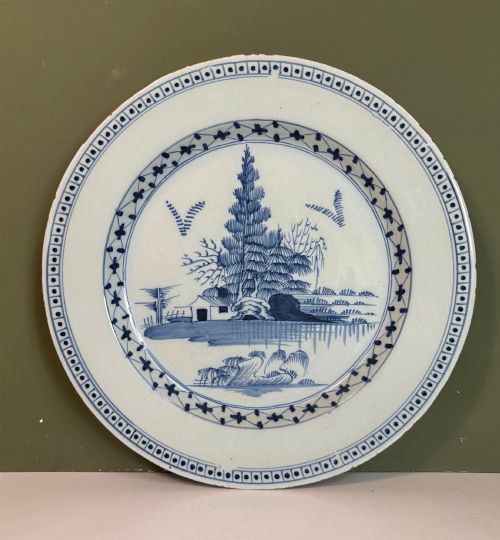

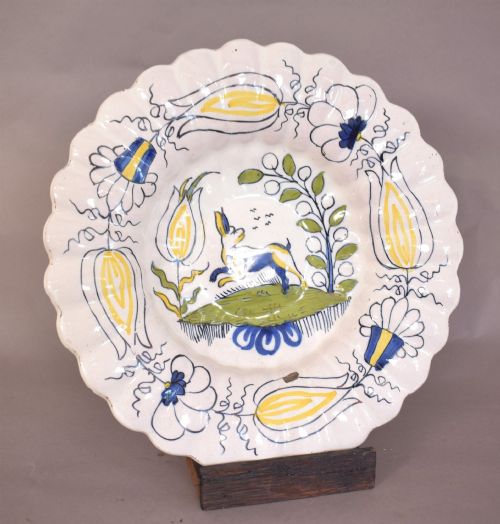
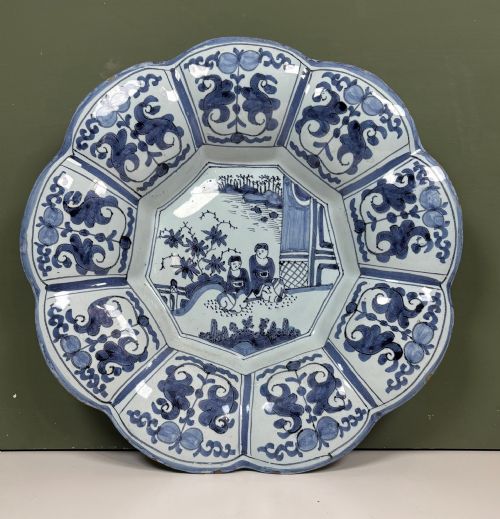
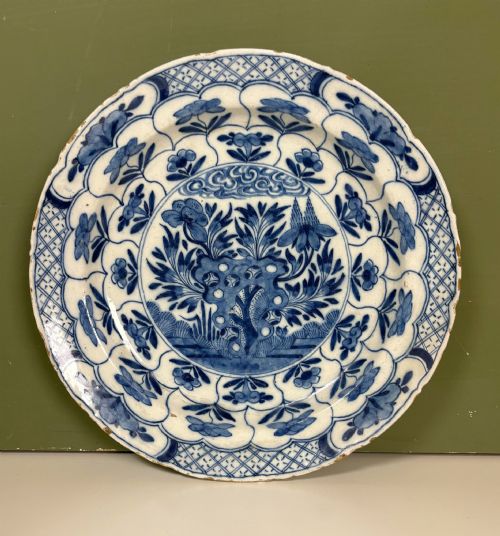
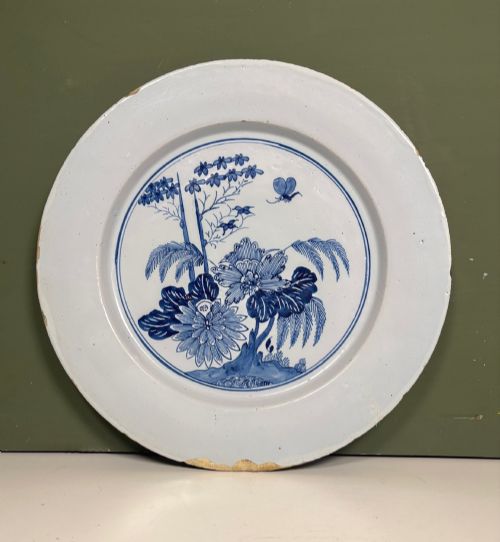
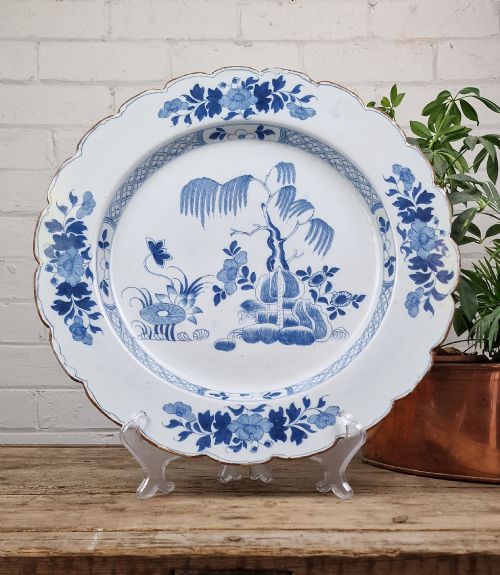

Hand Painted Delftware Plate
When you handle a hand painted delftware plate, you hold centuries of tin-glazed earthenware shaped by varied regional hands.
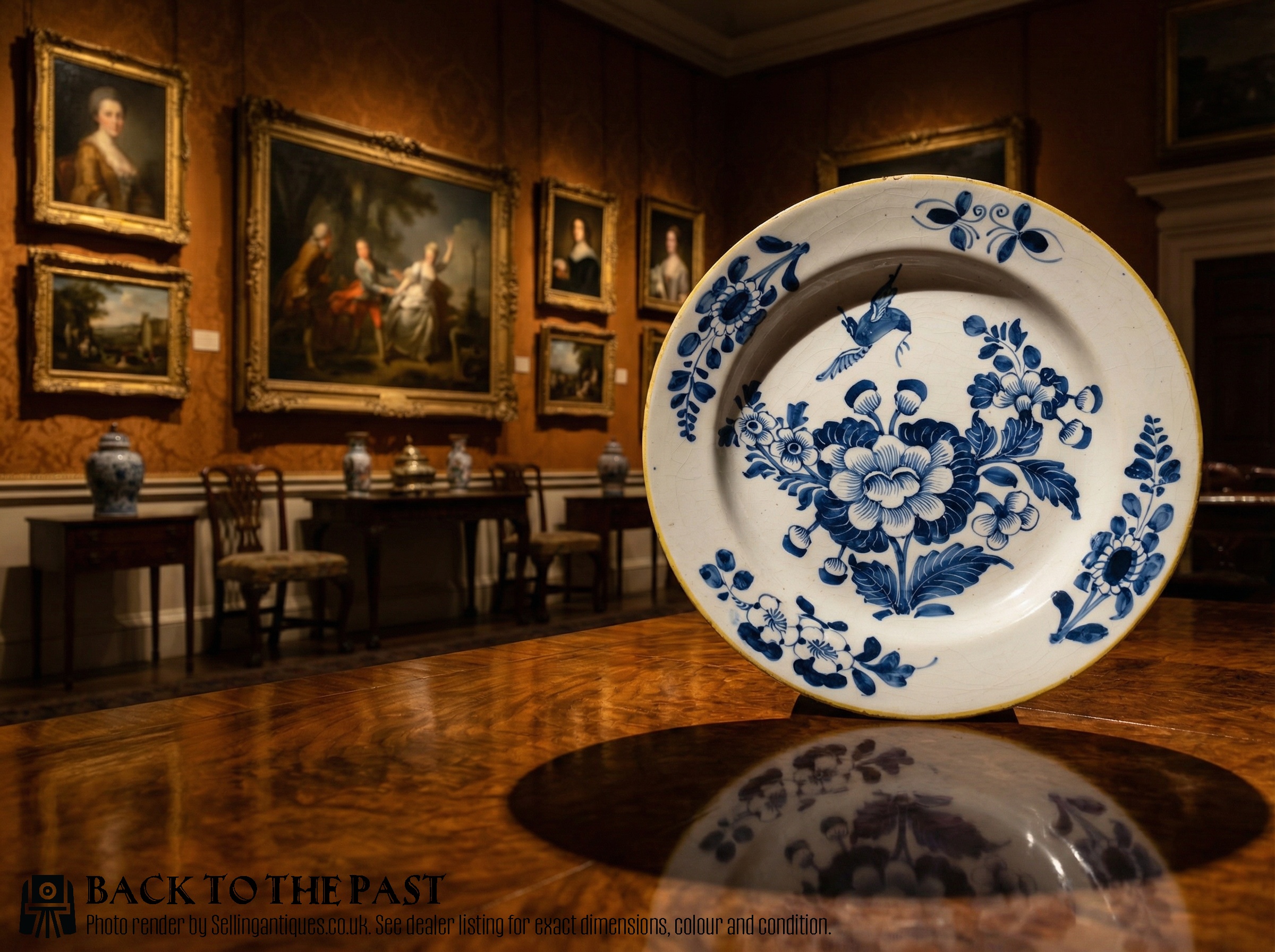
Hand Painted Delftware Plate
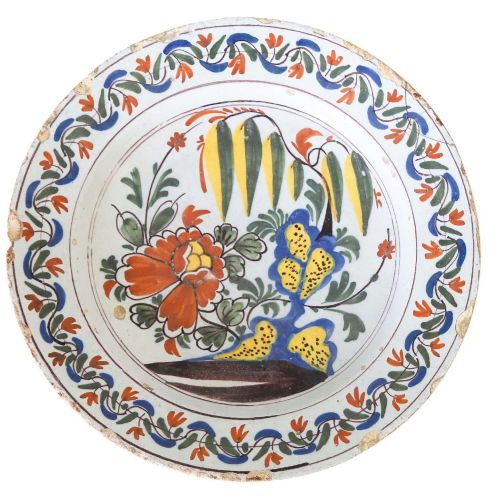
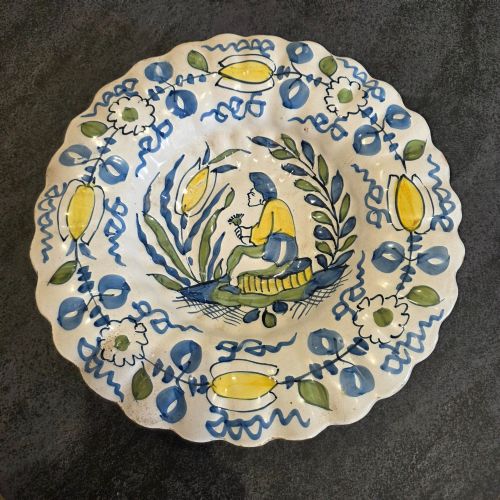
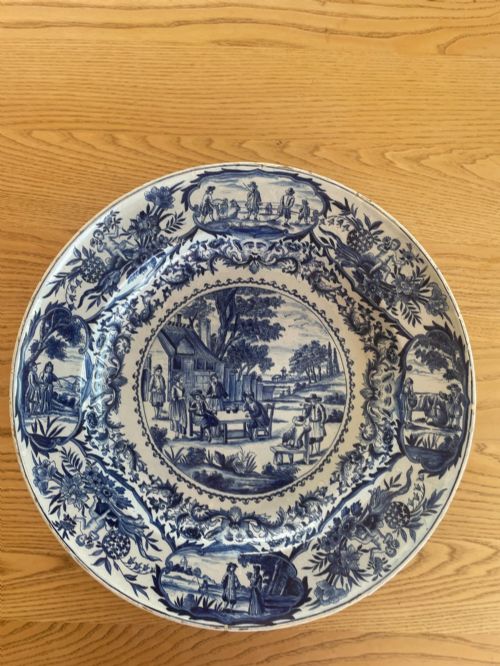
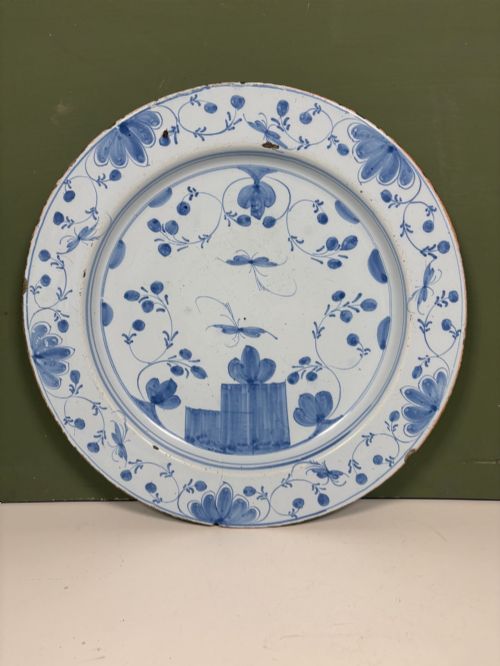
A hand painted delftware plate brings together centuries of ceramic history, with examples spanning from the seventeenth century through to the twentieth. You encounter forms ranging from smaller shallow bowls and standard plates to large chargers and decorative platters. The pieces crossing your path originate primarily from English and Dutch potteries, alongside continental examples.
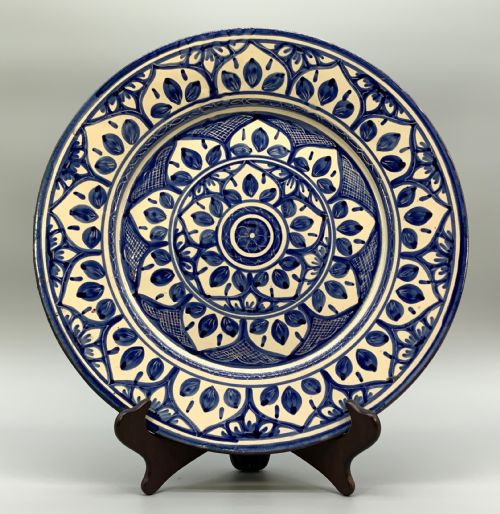
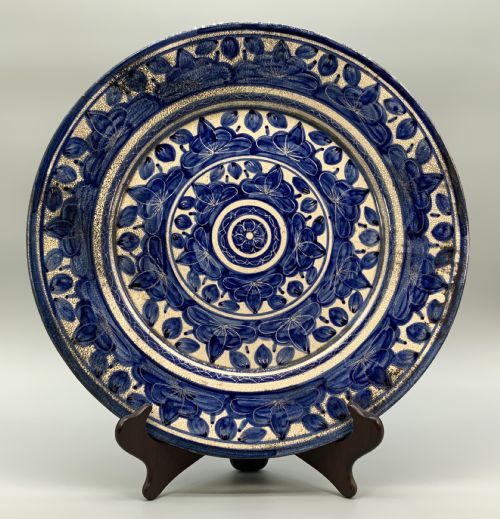
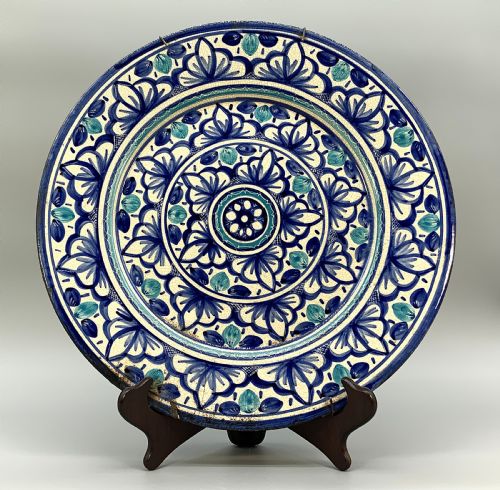
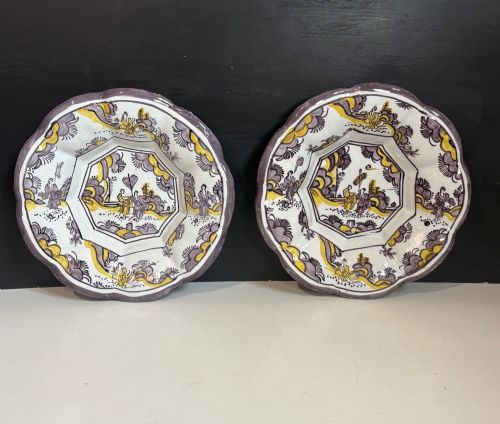
The aesthetic vocabulary encompasses blue and white schemes, polychrome palettes, manganese tones, and specific decorative schemes such as Chinoiserie and Moorish Revival. Domestic interiors often accommodated these items as wall-hung chargers or table display pieces rather than everyday tableware.
Materials and technique
Potters formed these items from earthenware clay, coating the surface in a tin glaze that provided a smooth white ground for decoration. Artisans painted directly onto this absorbent unfired glaze using cobalt pigment, cobalt oxide, and various polychrome mineral colours.
The chemistry of the firing process allowed the metallic pigments to fuse with the tin glaze, creating the characteristic surface depth seen on the pieces. Grand feu techniques and subsequent low-temperature firings fixed the pigments into the white enamel background.
Materials documented across the listings include tin-glazed earthenware, ceramic, and cobalt pigment.
What separates the grades
The precision and fluidity of the hand-painted brushwork distinguish standard utilitarian production from exceptional decorative commissions. Deliberate control over cobalt pigment and multi-coloured enamel application creates visual clarity on the glaze surface.
Scale and ambition separate standard plates from large chargers carrying complex geometric, floral, or figurative compositions. The integrity of the tin glaze over the earthenware body determines the preservation of the surface.
The Hand Painted Delftware Plate Glossary
- Tin-glazed earthenware
- Earthenware pottery covered with an opaque white tin glaze that accepts painted decoration. This material forms the core medium for all pieces in this category.
- Charger
- A large decorative plate intended for display on a wall or sideboard rather than dining use. These items measure larger than standard tableware dishes.
- Polychrome
- Decoration employing multiple colours rather than a single pigment like blue or manganese. Artisans used this palette for floral and pictorial subjects.
- Chinoiserie
- European interpretations of Chinese artistic motifs applied to ceramic surfaces. This style appears frequently on eighteenth-century plates.
- Grand feu
- A high-temperature firing technique used to fix pigments into the raw glaze. This method requires considerable skill from the potter to control colour stability.
Hand Painted Delftware Plate: Frequently Asked Questions
How were delftware plates used?
Historic households utilised these ceramic items primarily for formal display on sideboards or walls. Larger chargers functioned as decorative centrepieces rather than active tableware.
Smaller plates occasionally saw service during meals, though the delicate tin glaze made them susceptible to chipping from metal cutlery.
Are these plates dishwasher safe?
Historic tin-glazed earthenware requires gentle manual care to preserve the fragile glaze and ceramic body. Modern dishwashers subject antique surfaces to harsh thermal shock and abrasive detergents.
Wash these items by hand in lukewarm water using mild soap, drying them promptly with a soft cloth.
How do I hang a charger?
Displaying a large charger safely requires a specialist spring-loaded plate hanger that grips the rim evenly without putting pressure on the ceramic body. Wire or plastic clips distribute the weight across the reverse of the plate.
Ensure the wall fixing is secure and rated to hold the substantial weight of an earthenware charger.
How do I identify English versus Dutch pieces?
English potteries, such as those in Lambeth and Bristol, often employed distinct clay bodies and specific regional colour palettes on their tin-glazed earthenware. Dutch workshops frequently utilised particular cobalt shades and specific decorative border patterns.
Comparing the foot ring and glaze pooling on the reverse provides further clues to geographic origin.
What causes glaze chipping?
The tin glaze on earthenware is a glass-like surface applied over a porous clay body, making the edges vulnerable to impact. Centuries of handling naturally lead to minor losses along the rim.
Stable minor losses do not diminish the historical integrity of an eighteenth-century plate.