
18th Century Tin Faience
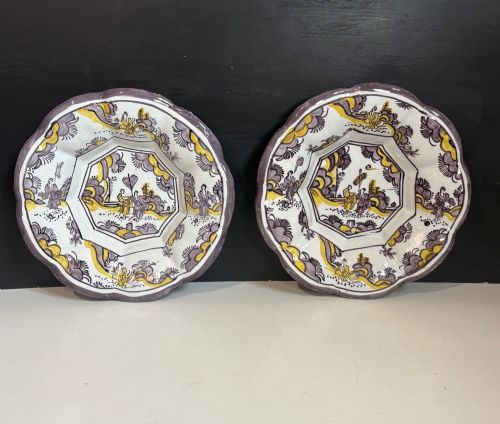
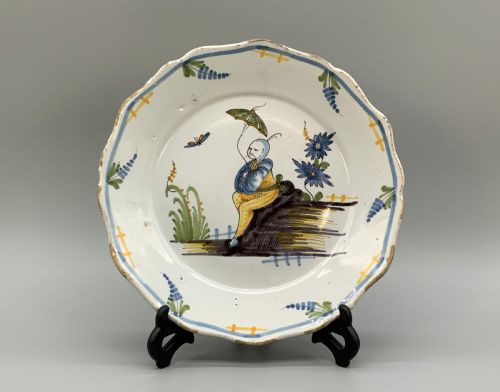
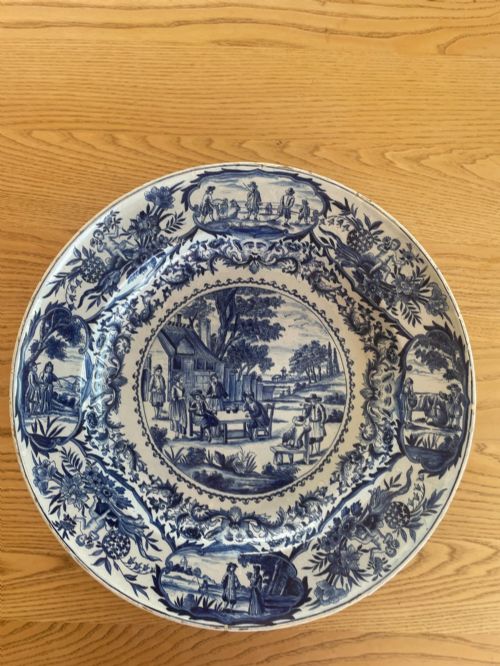
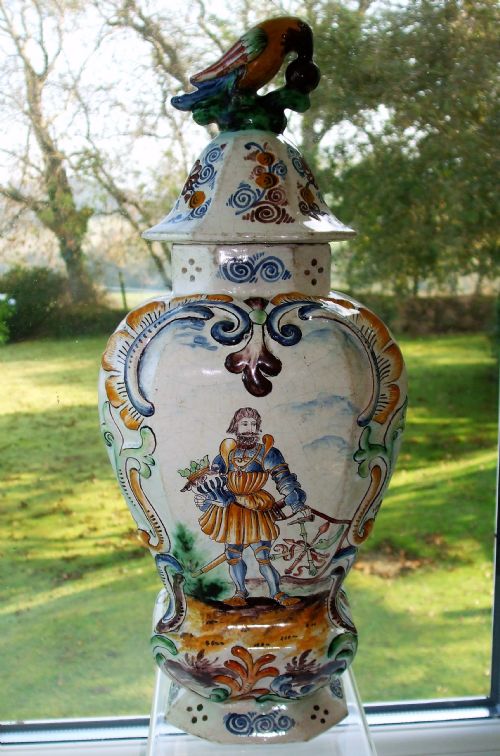
These 18th century tin faience items comprise earthenware ceramics coated in tin glaze, offering collectors a rich variety of European decorative and apothecary forms.
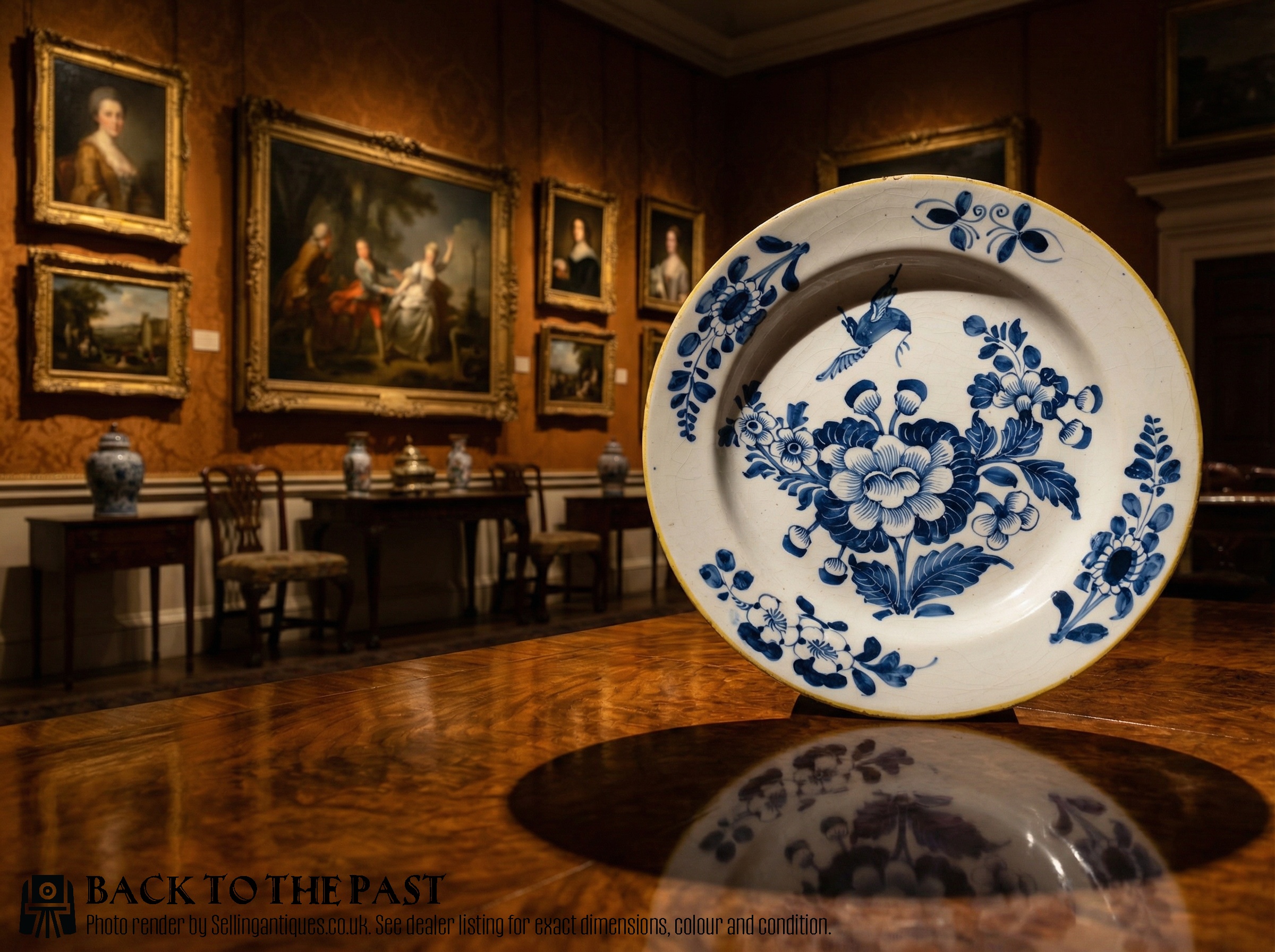
18th Century Tin Faience
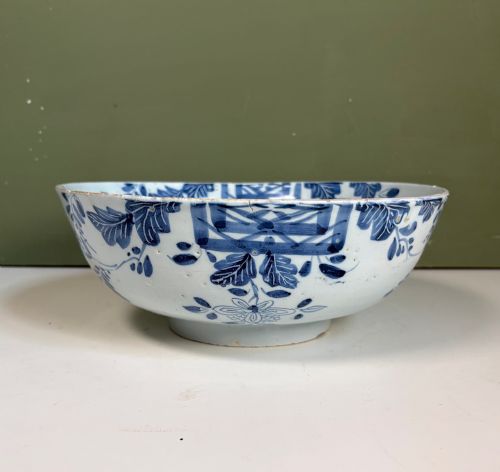
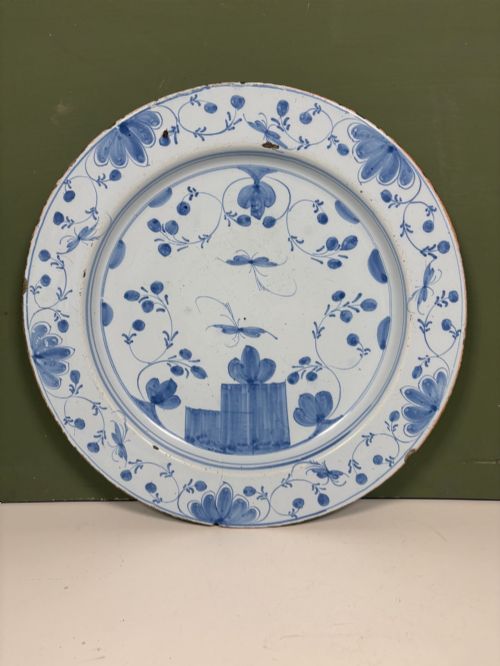
When searching for 18th century tin faience, collectors encounter a diverse selection of ceramics created across European workshops. The forms range from large decorative chargers and dishes to functional apothecary jars, jugs, urns, and devotional plaques.
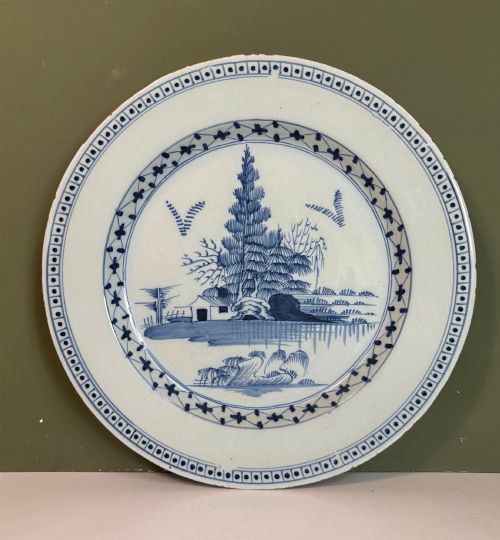
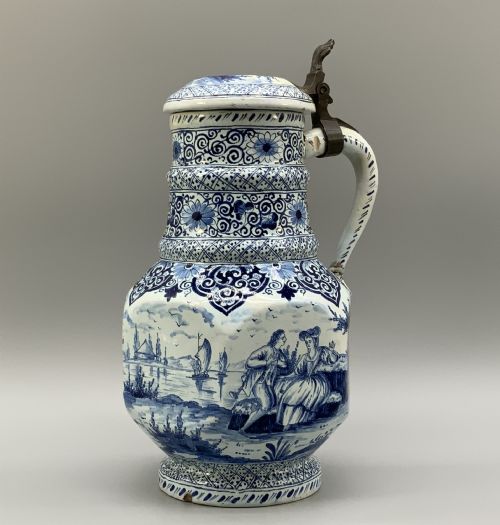
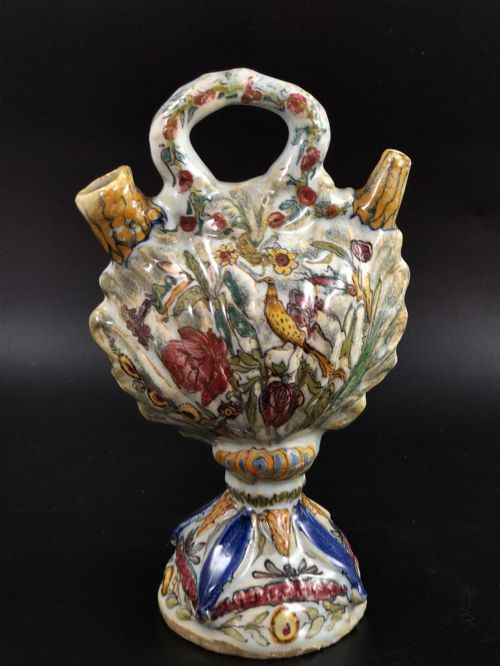
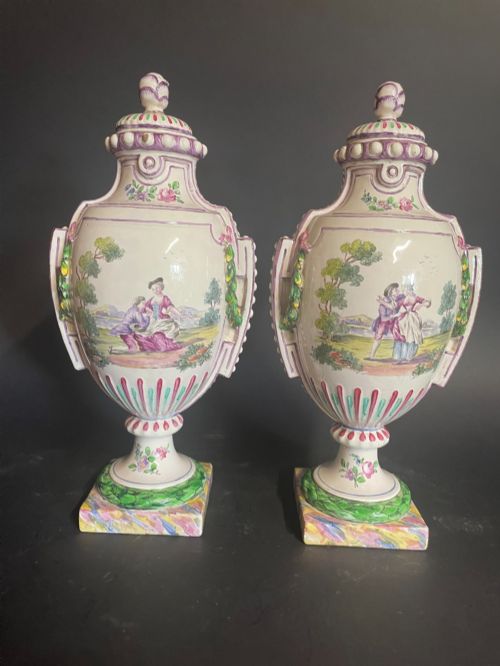
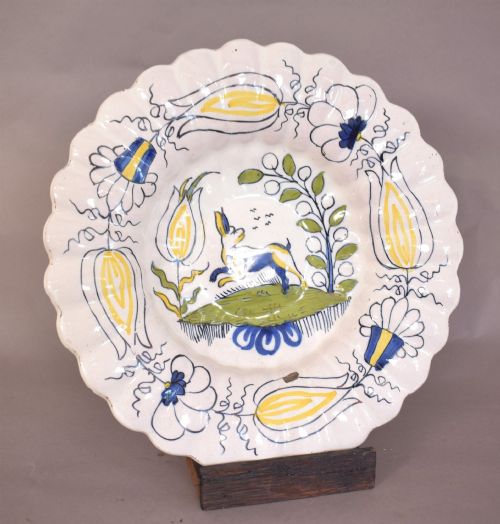
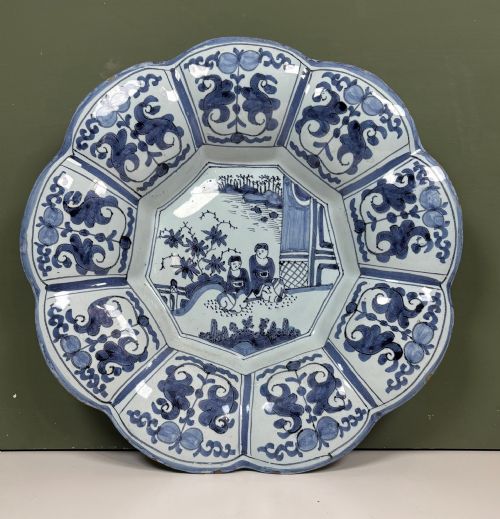
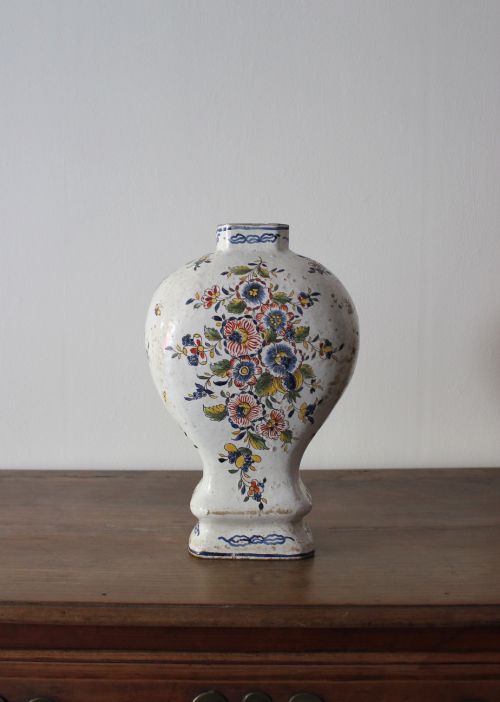
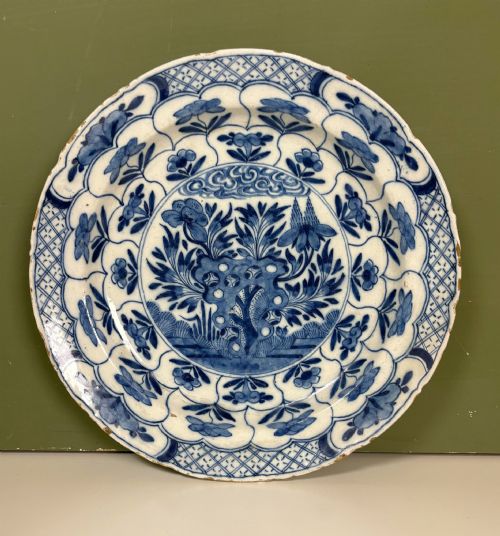
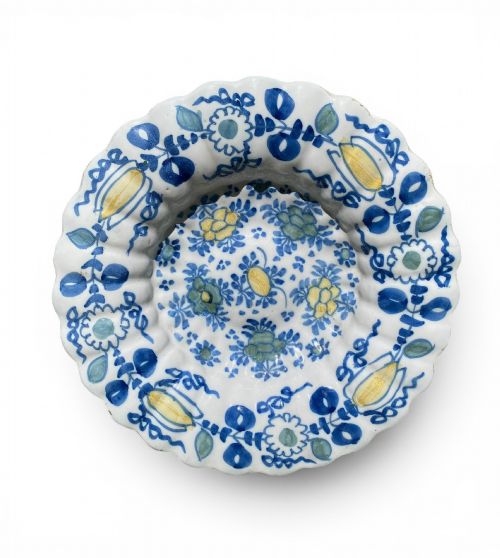
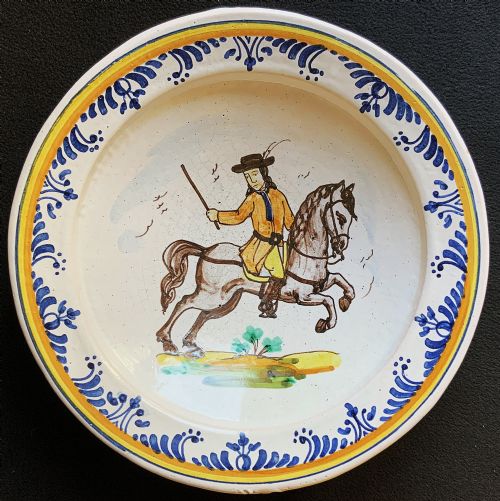
The most common examples on this page originate from Dutch, French, Spanish, and Italian centres of production. Dutch Delftware and Italian majolica heavily populate the selection, often rendered in blue and white or polychrome palettes.
Domestic and apothecary wares dominate the output, including drug jars, coffee pots, pilgrim flasks, and wall plaques. These pieces reflect both household display traditions and the practical storage needs of historical apothecaries.
How They Were Made
Potters shaped earthenware bodies from local clays, which were then fired to create a porous base biscuit. This body received a opaque white tin glaze that provided a smooth canvas for subsequent brushwork.
Painters applied metallic oxide pigments directly onto the unfired or raw glaze, absorbing the colours permanently during the high-temperature kiln firing. Cobalt pigment delivered deep blues, while manganese, yellow, and other mineral oxides created polychrome scenes.
Several pharmacy jars still bear Latin inscriptions for historic medical ingredients, preserving centuries-old remedies on their ceramic bellies.
What Varies in Quality
The precision and fluidity of the hand-painted decoration distinguish finer examples from simpler commercial output. Well-executed pieces show confident brushstrokes, balanced compositions, and careful detailing in complex Chinoiserie or figurative scenes.
The smoothness, opacity, and consistency of the white tin glaze also mark the grade of a piece. Superior glazes cover the earthenware body evenly without excessive pooling, bubbling, or discoloration.
Sceaux Faience·Niderviller French Faience
The 18th Century Tin Faience Glossary
- Tin Glaze
- An opaque white glaze made by adding tin oxide to a lead glaze. This mixture provides a brilliant white background that mimics porcelain.
- Albarello
- A cylindrical earthenware jar used by apothecaries to store drugs and ointments. Its waisted shape allows handlers to grip the vessel securely on busy pharmacy shelves.
- Charger
- A large decorative plate intended for display on a wall or dresser rather than for dining. These substantial dishes often carry the most ambitious painted designs.
- Polychrome
- Decoration employing multiple colours rather than a single pigment. Painters utilised various metallic oxides to achieve multi-hued floral and pictorial motifs.
- Majolica
- Tin-glazed earthenware produced in Italy and other Mediterranean regions. The tradition encompasses brightly coloured wares spanning utility and display.
18th Century Tin Faience: Frequently Asked Questions
What is tin faience?
Tin faience refers to ceramic earthenware covered with an opaque tin-lead glaze. This technique allows artisans to paint directly onto the surface before firing.
The resulting glazed body creates a bright canvas reminiscent of expensive oriental porcelain, which European potteries sought to imitate during the period.
How were apothecary jars used?
Apothecaries utilised these ceramic vessels to store dried herbs, syrups, and chemical preparations in pharmacies and dispensaries. Their inscribed labels identified the contents quickly for the chemist.
Many of these jars feature wet or dry drug designations, combining functional storage with decorative painted cartouches.
How do I display a charger?
Chargers were designed primarily for visual impact on sideboards or walls rather than for serving food. Collectors often mount them securely using specialised plate hangers for wall display.
Placing them away from direct heat sources helps preserve the stability of the earthenware body and the historic glaze.
How do I distinguish Dutch Delft from Italian majolica?
Dutch Delftware often leans towards blue and white palettes influenced by imported Chinese porcelain, alongside distinctive geometric or floral borders. Italian majolica frequently displays warmer polychrome tones and earlier Renaissance styling.
Examining the palette, potting thickness, and base characteristics helps reveal the specific regional origin of each piece.