
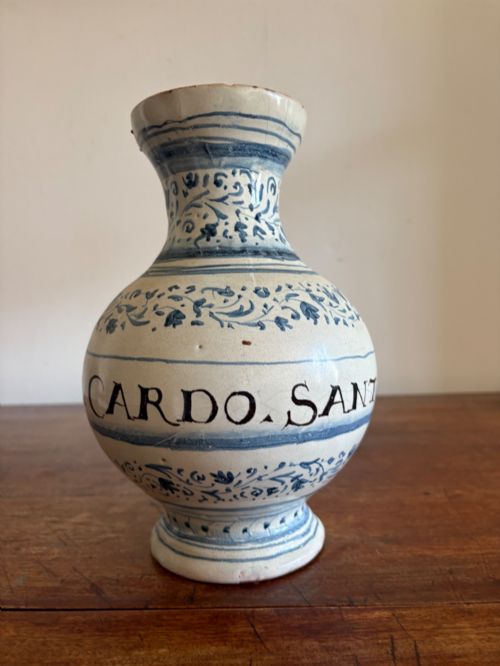


Tin Glaze Pharmacy Jar
These tin glaze pharmacy jar examples are historical ceramic vessels designed for apothecary use, prized for their painted drug labels and tin-glazed surfaces.
Tin Glaze Pharmacy Jar
A tin glaze pharmacy jar represents the historic vessel forms used by apothecaries and chemists to store medicinal preparations, dry drugs, and wet syrups. Buyers exploring this selection encounter pieces originating primarily from the seventeenth, eighteenth, and nineteenth centuries, spanning various European traditions.
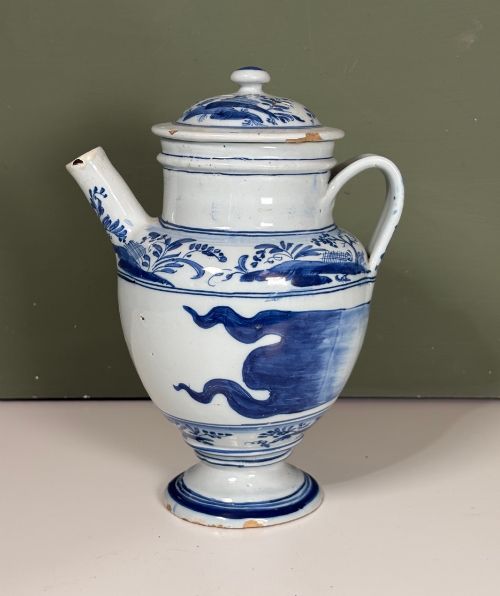
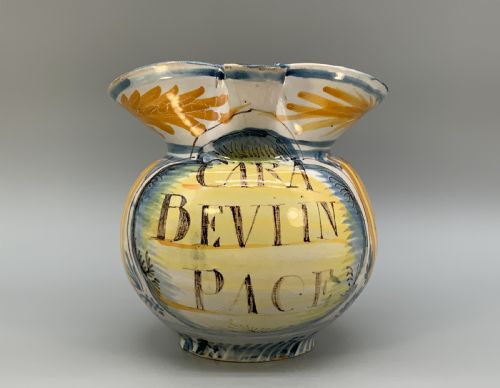
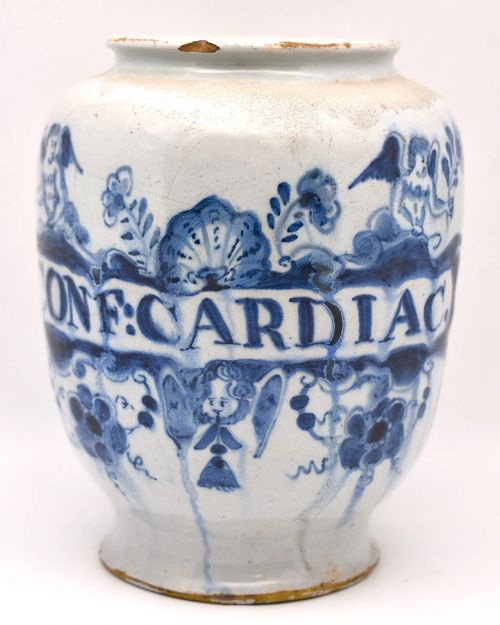
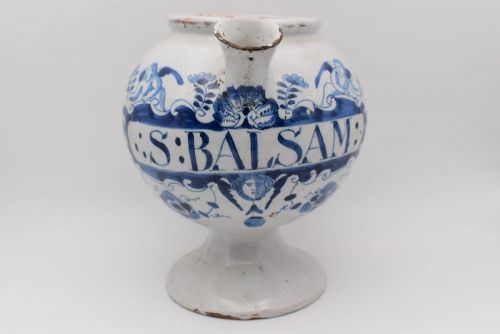
The most common forms on this page include the tall waist-shaped albarello, cylindrical drug jars, and spouted pharmacy jugs with handles. These vessels frequently feature hand-painted inscriptions naming specific contents alongside cobalt blue or polychrome decorative schemes.
Origins range across English delftware, Dutch delft, and continental faience alongside Italian majolica traditions. Pieces emerge from workshops in centres such as Savona and Naples, reflecting the diverse stylistic output of historic European potteries.
How they were made
Potters formed these vessels from earthenware clay, shaping bodies on the wheel to create traditional albarello and jug silhouettes. The dried clay body received an opaque tin-glaze coating that provided a smooth white ground suitable for painting.
Artisans applied pigments directly onto the porous unfired glaze surface, utilising cobalt oxide for traditional blue and white designs alongside manganese and yellow pigments for polychrome decoration. Subsequent firing fused the pigments into the glaze, producing durable finishes.
Materials recorded across the inventory include tin-glazed earthenware, ceramic bodies, and cobalt pigment.
What varies in quality
The sophistication of the painted ornamentation separates standard utility vessels from exceptional examples, with finely detailed cherubs, cartouches, and lettering indicating superior handwork. The crispness of the cobalt pigment or the complexity of a polychrome palette distinguishes the tier of production.
Proportional balance in the historic potting, particularly in the waisted curves of albarello jars and the symmetry of applied handles or spouts, marks the skill of the original ceramicist. Preservation of the tin glaze surface and clarity of the pharmaceutical inscription further govern the standing of individual pieces.
The Tin Glaze Pharmacy Jar Glossary
- Albarello
- A cylindrical pharmacy jar with a waisted centre designed for holding dry drugs and ointments. This characteristic shape allowed pharmacists to stack jars efficiently on apothecary shelves.
- Tin Glaze
- A lead glaze made opaque by the addition of tin oxide, creating a white surface for painted decoration. It serves as the defining technical base for delftware, majolica, and faience.
- Majolica
- Italian tin-glazed earthenware decorated with coloured pigments on an opaque white glaze. Production flourished across centres like Savona and Naples during successive centuries.
- Delftware
- Tin-glazed earthenware produced in England and the Netherlands, typically featuring cobalt blue painting. English delft drug jars often display named contents and specific dates.
- Faience
- European tin-glazed pottery produced outside of Italy, encompassing various continental earthenware traditions. The term describes the glazed ceramic output of numerous regional European potteries.
Tin Glaze Pharmacy Jar: Frequently Asked Questions
What were tin glaze pharmacy jars used for?
These ceramic vessels held dry medicines, herbal remedies, ointments, and liquid syrups in historic apothecary shops and dispensaries. Their opaque glazed bodies protected sensitive contents from light and moisture.
Pharmacists organised these jars on wooden shelves to provide quick access to medicinal ingredients during compounding. The painted inscriptions ensured correct identification of the stored drugs.
How do I identify Italian majolica pharmacy jars?
Italian majolica pieces display characteristic tin glazes combined with cobalt blue, manganese, or polychrome pigments. Look for traditional Renaissance or Baroque decorative motifs alongside painted apothecary labels.
Origin markers often appear in the form of regional painting styles associated with historic centres such as Naples or Savona. The weight and warmth of the earthenware body further distinguish these continental pieces.
What is an albarello jar?
An albarello is a cylindrical ceramic jar with an indented or waisted middle section designed for pharmacy use. This specific profile allowed pharmacists to grip jars securely with wet or powdery hands.
The shape originated in the Middle East and was adopted by European potteries producing tin-glazed drug containers. The waisted form also enabled tiers of jars to be tied with fabric covers.
How should I display pharmacy jars at home?
Display these vessels on stable open shelving or within glass-fronted cabinets where their painted labels and forms remain visible. Ensure they sit away from areas prone to heavy vibrations or accidental knocks.
Keep ceramic pieces out of direct sunlight to protect historic tin glazes and pigments. Routine dusting with a soft dry cloth maintains the surface without introducing moisture.
What does wet drug jar mean?
A wet drug jar designates a pharmacy vessel equipped with a pouring spout and handle for liquid syrups and oils. These containers held fluid preparations rather than dry powders or solid ointments.
The addition of a handle and spout distinguished wet drug jugs from standard cylindrical albarello containers. Surviving lids often accompany these vessels to seal the contents securely.