


Timber Dressing Table
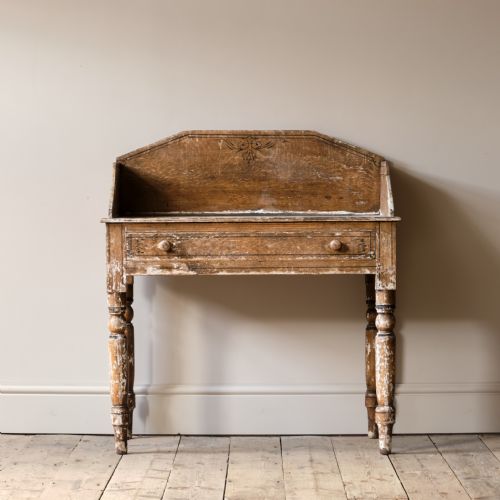
A timber dressing table brings period character to a bedroom, offering practical surface space paired with historical craftsmanship.
Timber Dressing Table
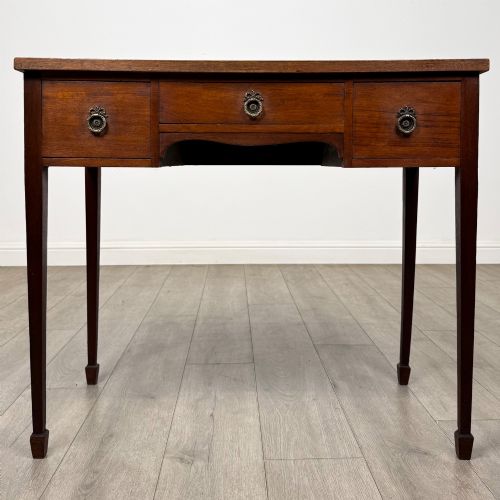
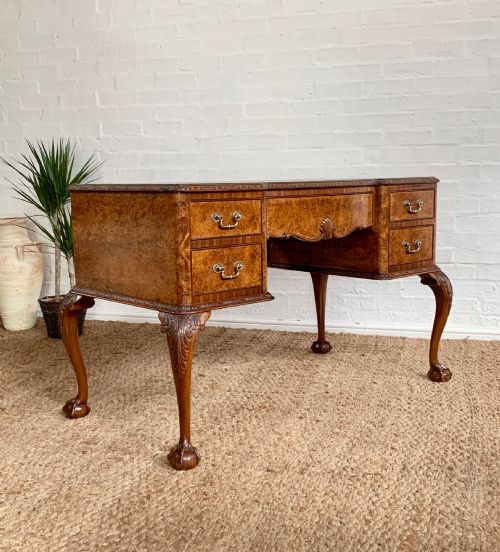
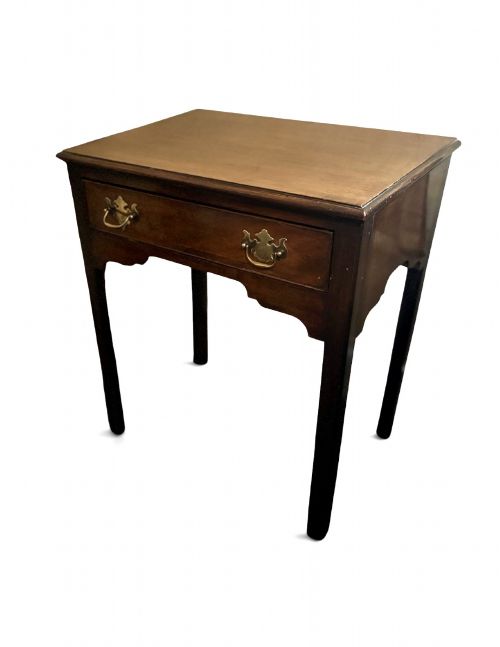
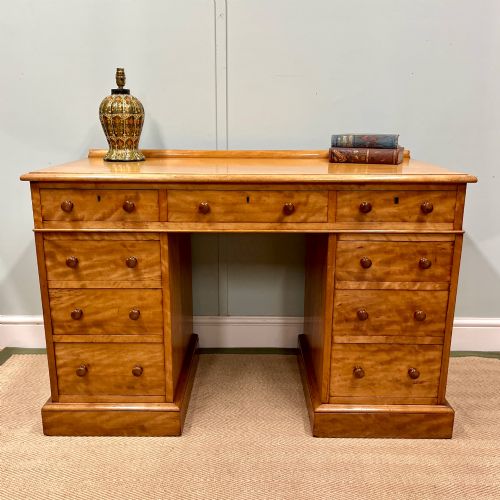
A timber dressing table encompasses various forms designed for personal grooming and writing, appearing across periods from the eighteenth century to the twentieth.
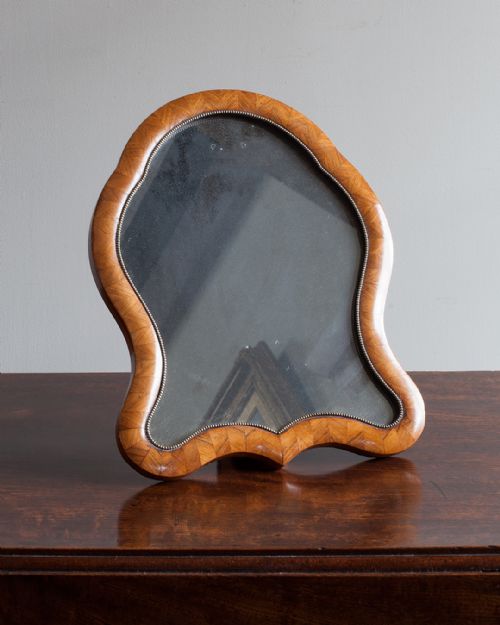
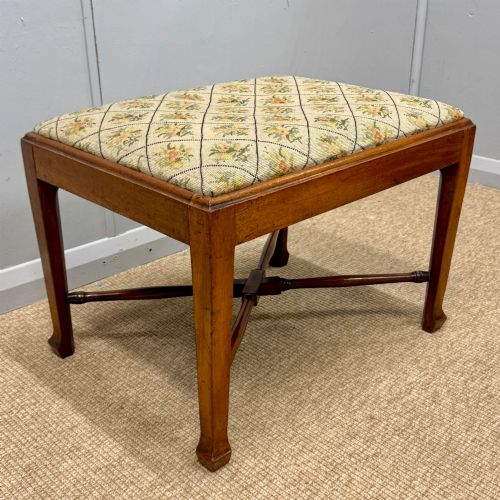
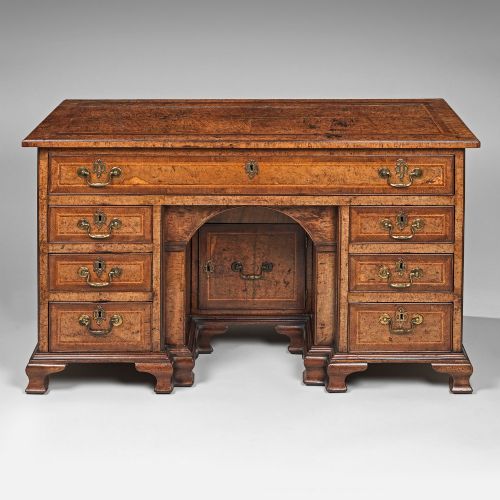
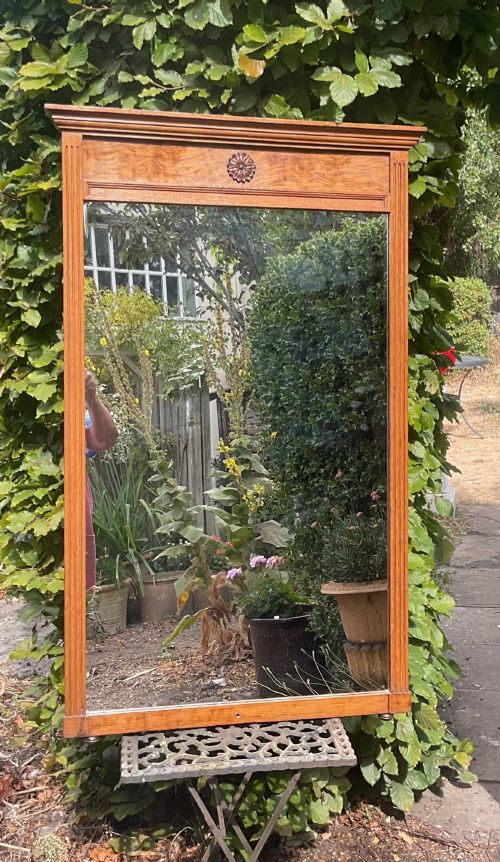
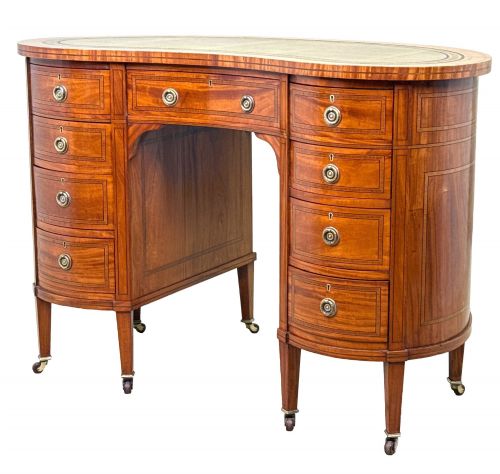
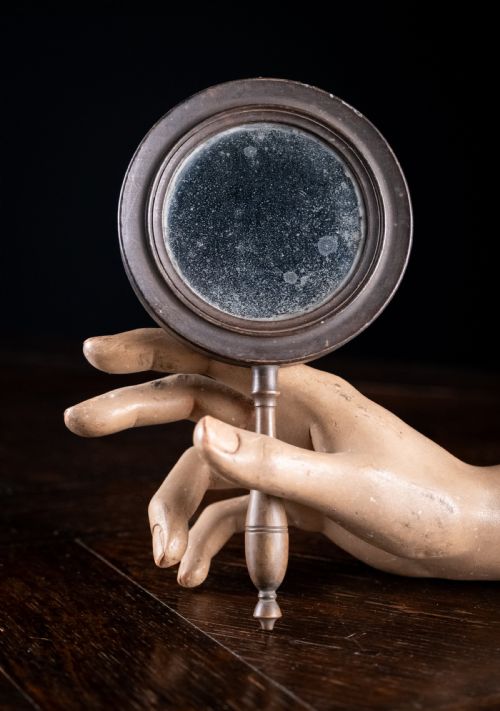
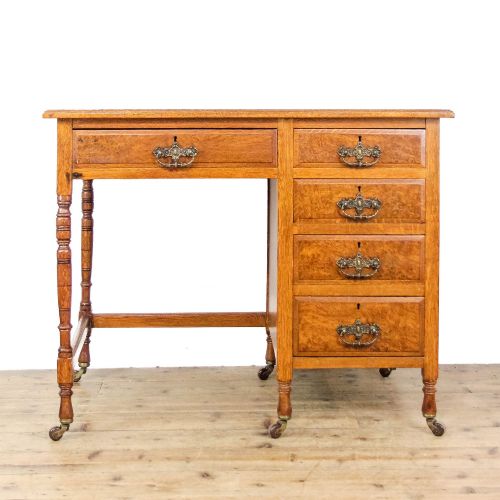
Buyers seeking a timber dressing table frequently encounter related pieces such as lowboys, kneehole desks, and dressing mirrors in woods like mahogany, oak, and walnut.
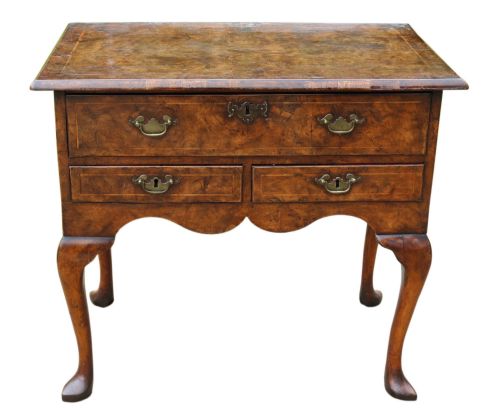
The selection ranges from George II period burr elm lowboys to Edwardian satin walnut dressing tables and later twentieth-century examples.
Materials and construction methods
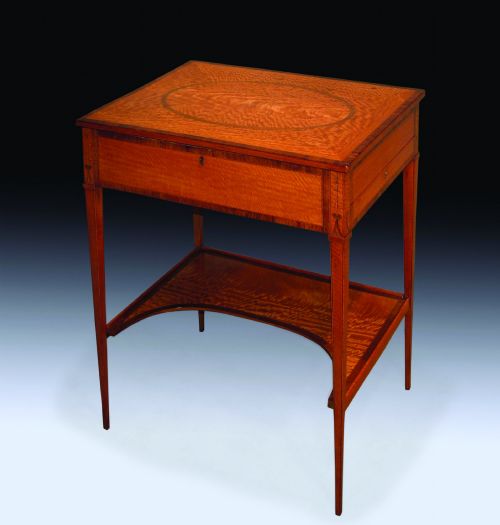
Cabinetmakers utilised primary timbers such as mahogany, oak, walnut, satinwood, and fruitwood, often selected for figure and grain.
Construction techniques incorporated dovetailed drawer boxes and turned or tapered legs, occasionally enhanced with brass hardware and glass mirrors.
Listings feature timbers including mahogany, oak, walnut, satinwood, and fruitwood spanning the eighteenth to twentieth centuries.
Determining quality in period pieces
Quality rests in the choice of timber figurations, such as burr elm or figured mahogany, and the precision of the joinery.
Proportion and the retention of original brass handles or glass plates distinguish finer examples from standard production.
Heal and Son
The Timber Dressing Table Glossary
- Lowboy
- A small colonial or British table with drawers, commonly used as a dressing table or side table in the eighteenth century.
- Kneehole desk
- A desk or dressing table featuring a central recessed space for the legs, flanked by pedestals of drawers.
- Satinwood
- A hard, durable timber with a yellowish lustre, favoured for fine cabinetmaking in the eighteenth and nineteenth centuries.
- Marquetry
- Decorative inlay work using various coloured woods to create pictorial designs on furniture surfaces.
Timber Dressing Table: Frequently Asked Questions
What is a lowboy?
A lowboy is a small table with drawers, standing on relatively tall legs, frequently used as a dressing table in the eighteenth century.
These versatile pieces functioned in bedrooms and parlours alike, often matching larger chests of drawers.
Can I use a writing table as a dressing table?
Writing tables and kneehole desks offer appropriate surface dimensions and drawer storage for grooming items.
Adding a tabletop mirror transforms a standard writing desk into a functional dressing space.
What woods were used in Edwardian pieces?
Edwardian furniture makers commonly worked in satin walnut, oak, and inlaid mahogany.
These later pieces often reflect lighter domestic interiors compared to heavy Victorian designs.