

Rustic Lamp Table
A rustic lamp table brings genuine period character to a corner, most often seen here as an oak cricket table from the eighteenth or nineteenth century.
Rustic Lamp Table
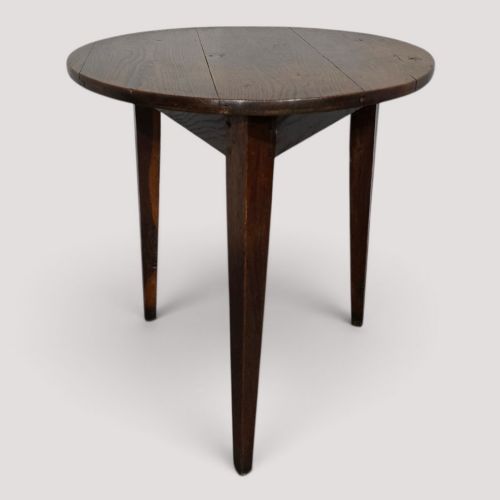
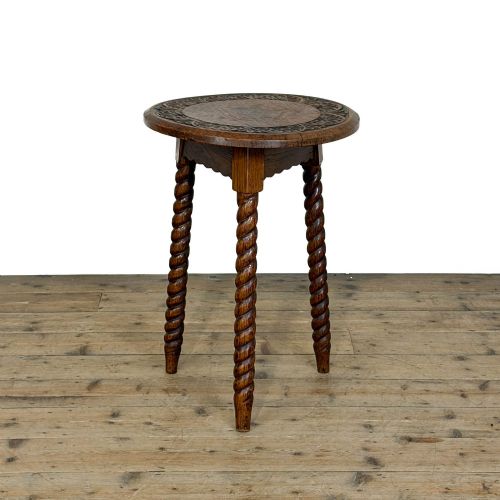
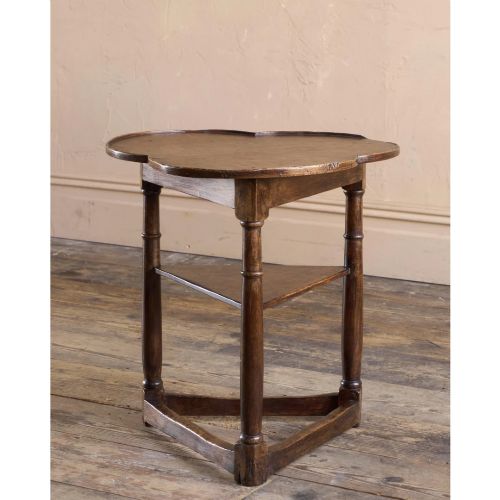
When you search for a rustic lamp table, you encounter compact occasional furniture designed for practical use beside a chair or in a hallway. The selection relies heavily on oak side tables, tripod bases, and dedicated cricket tables originating from eighteenth and nineteenth-century workshops.
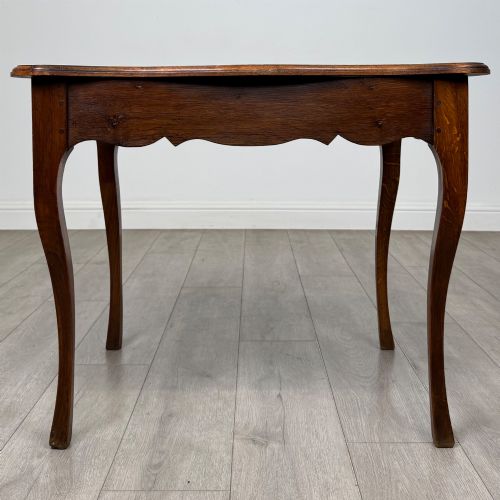
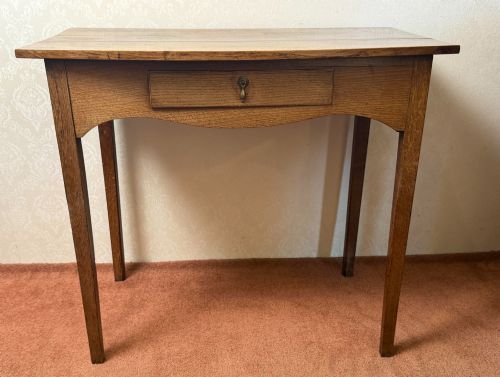
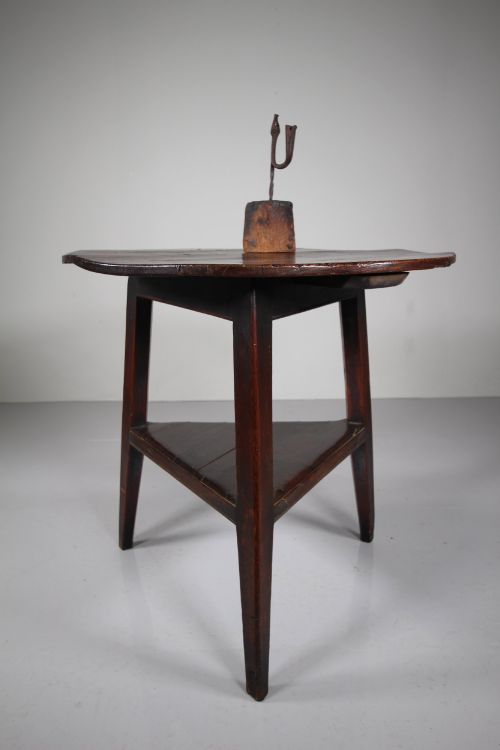
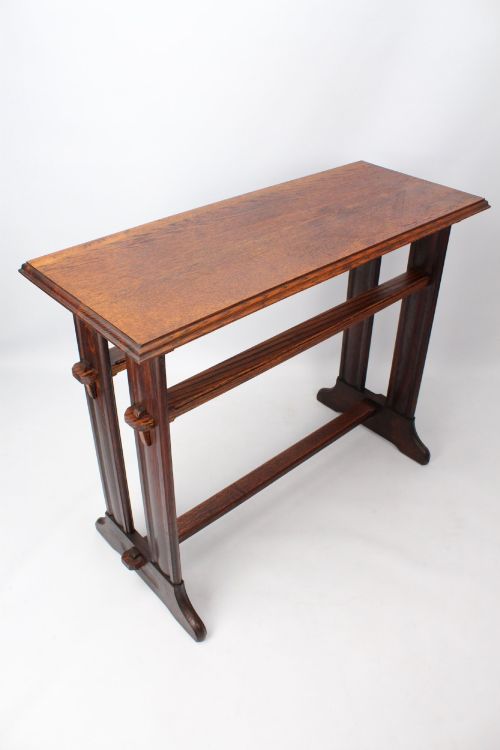
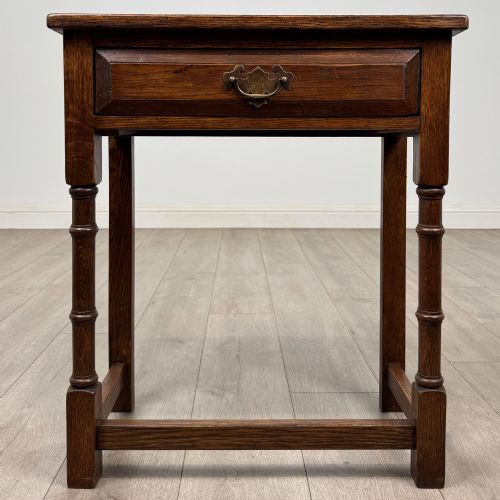
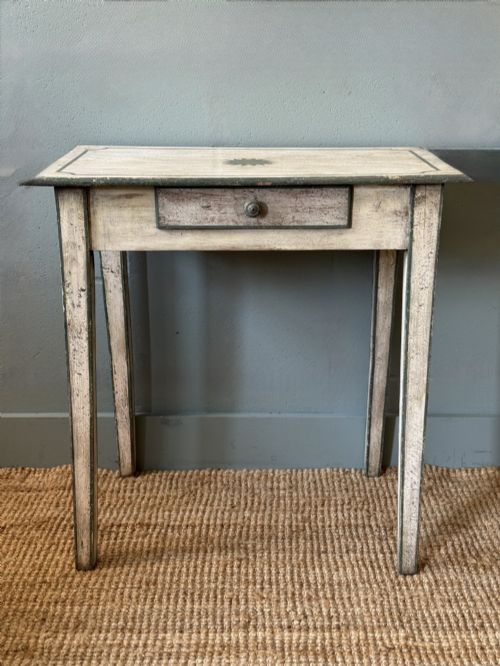
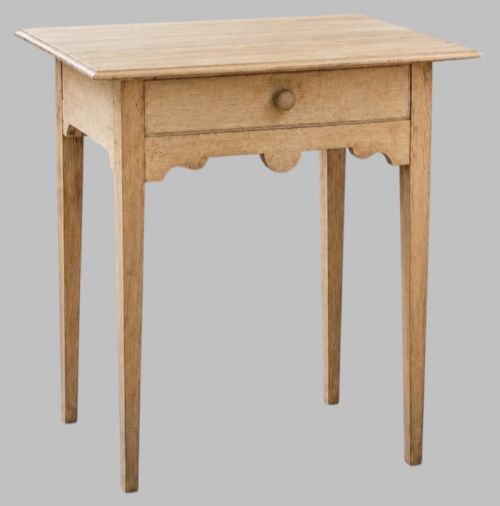
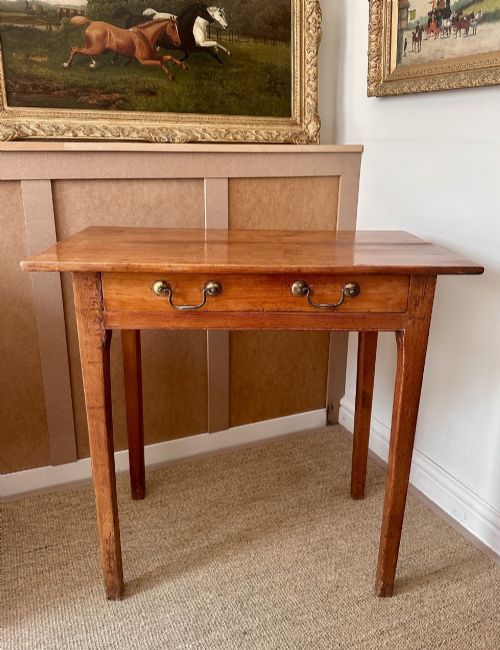
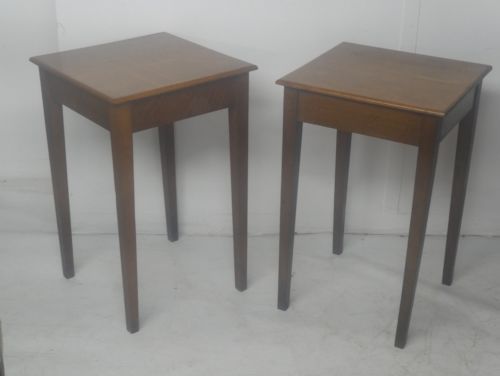
The predominant forms span simple plank-top tables, occasional tables with single drawers, and three-legged cricket tables with trefoil or circular tops. English country and French provincial idioms appear frequently, alongside occasional Arts and Crafts or Jacobean revival interpretations.
These pieces served utilitarian domestic roles in vernacular settings, meaning their proportions remain modest and their construction prioritises everyday function. Surviving examples demonstrate how robust vernacular design adapts naturally to modern lighting display.
How they were made
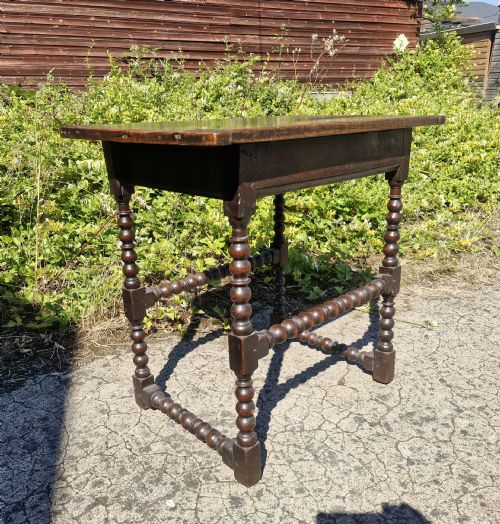
Timbers selected for these tables are principally solid oak, pine, and elm, often joined using traditional pegged mortise and tenon methods. Surfaces frequently display the natural grain of unpretentious woods, occasionally enhanced by historical paint, liming, or the bleaching effects of age.
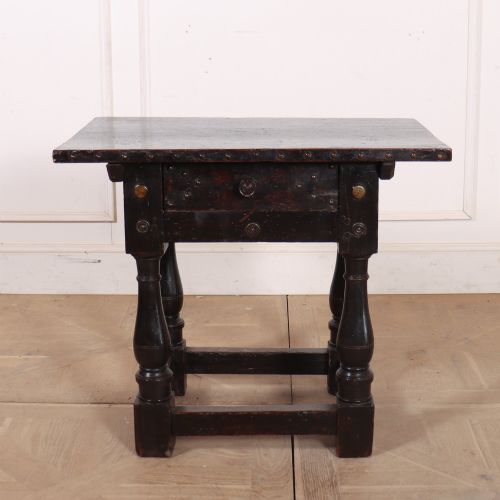
Turned legs, tripod supports, and plank tops define the structural vocabulary, constructed by provincial joiners working with local materials. Secondary woods like pine appear in base structures or drawer linings, reflecting straightforward regional craftsmanship.
The selection includes tripod tables, cricket tables with trefoil tops, and nests of tables.
What varies in quality
Distinction across the range rests upon timber selection, surface patination, and structural integrity. Tables retaining an untouched, deep-toned timber skin and original pegged joints stand apart from pieces with heavily replaced elements or unsympathetic modern stripping.
Proportion and domestic scale govern the desirability of tripod and cricket tables, where slender turned uprights and balanced leg placement indicate superior vernacular design. The presence of original drawers, uncompromised plank tops, and authentic period wear determine the standing of individual examples.
The Rustic Lamp Table Glossary
- Cricket table
- A small three-legged occasional table, typically with a circular top, traditionally used beside a fire in country houses. The three-legged format ensured stability on uneven flagstone floors.
- Tripod table
- A freestanding small table supported by a pillar above three legs. This form gained popularity during the Georgian period for tea or candle display.
- Trefoil top
- A three-lobed tabletop shape resembling a clover leaf. This configuration frequently occurs on early cricket tables.
- Plank top
- A solid wooden tabletop constructed from individual boards joined edge to edge. These boards often show wide widths typical of older timber conversion.
- Vernacular furniture
- Domestic pieces made by local artisans for everyday use rather than high urban workshops. Such items rely on regional traditions and readily available local woods.
Rustic Lamp Table: Frequently Asked Questions
What is a cricket table?
A cricket table is a traditional three-legged occasional table featuring a circular or trefoil top. The three-legged construction provided natural stability on irregular floors in early homes.
These compact tables function well beside armchairs or as lamp stands today. Their simple geometry suits both traditional and contemporary interiors.
How do I date an oak side table?
Dating relies on examining construction methods, timber conversion marks, and joinery details. Pegged joints, hand-sawn boards, and signs of wear indicate considerable age.
Stylistic cues such as leg turning and edge mouldings also help place a piece within the eighteenth or nineteenth century. Regional vernacular pieces often retain characteristics of their specific local period.
Where should I place a lamp table?
These compact tables fit naturally beside seating areas, in hallways, or tucked into quiet corners. Their modest proportions allow them to hold a light source without dominating a room.
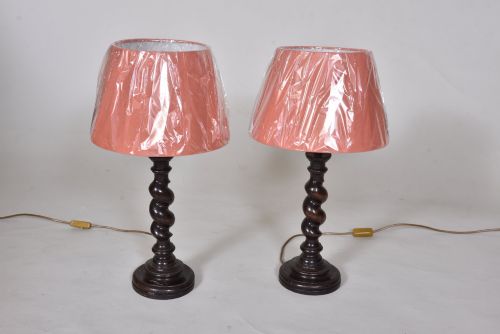
Pairing a vintage wooden table with a simple lamp creates a focal point that highlights the texture of the aged timber.
Are these tables solid wood?
The majority of these pieces are constructed from solid native hardwoods and softwoods such as oak, elm, and pine. Regional makers utilised local timber rather than veneered panels.
This solid construction accounts for their survival over centuries of domestic use. Natural movement and surface ageing are normal characteristics of these authentic materials.