


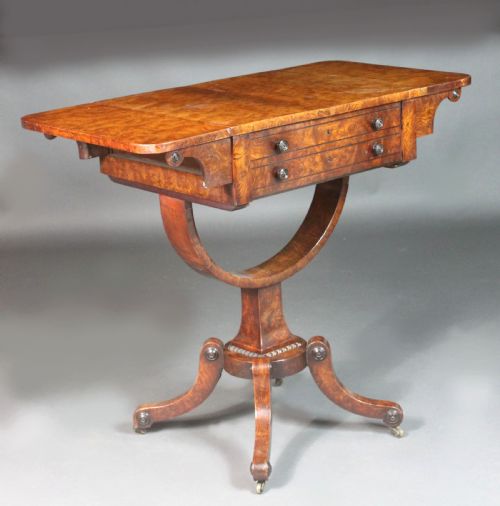


Ash Side Table
An ash side table brings a pale, characterful timber and honest country construction directly into a room.
Ash Side Table
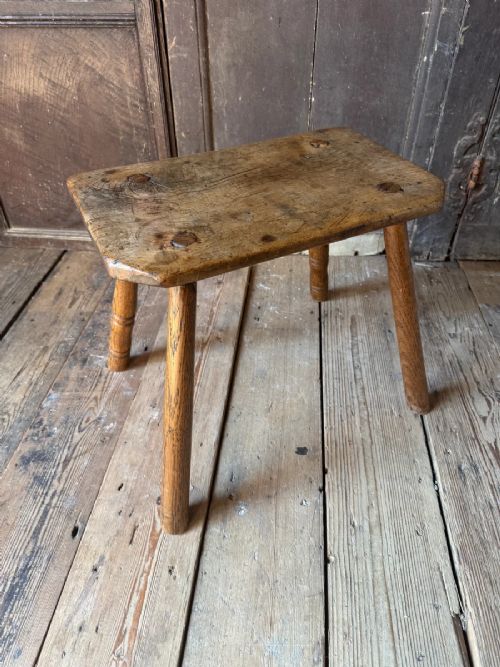
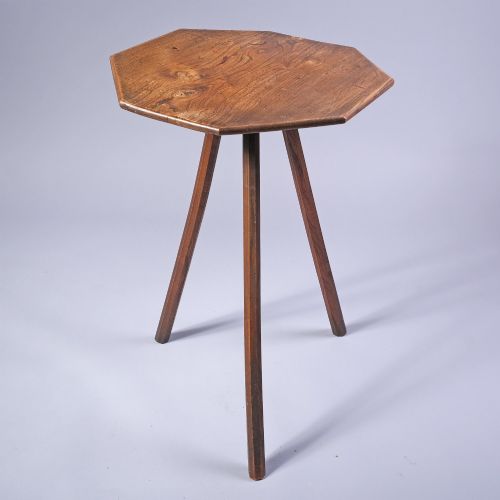
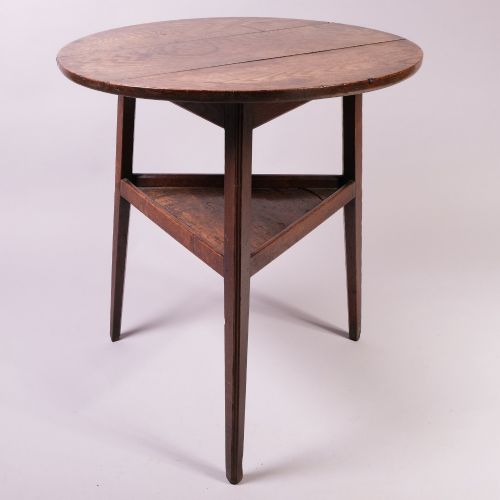
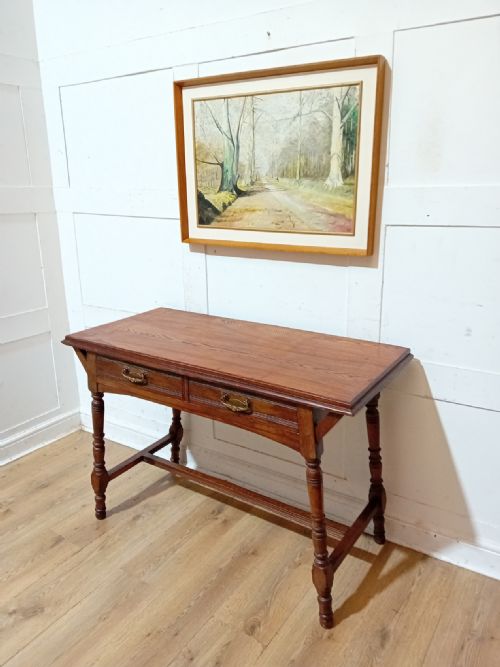
An ash side table appears in forms ranging from three-legged tripod tables and cricket tables to small gateleg tables and single drawer designs. These pieces span the seventeenth, eighteenth, and nineteenth centuries, alongside later examples from the Arts and Crafts period.
The buyer meets tables rooted in vernacular and country traditions, often constructed simply for domestic utility. Workshops from different regions produced these pieces using local timber alongside secondary woods like oak or sycamore.
Occasional tables and lowboys share similar proportions, functioning as light, movable surfaces. The grain of the wood determines much of the visual character, shifting from plain native ash to heavily figured burr or Hungarian ash.
How they were made
Joiners and country cabinet makers utilised solid ash, frequently combining it with oak, elm, or sycamore for structural stability. Table tops often consist of single boards or joined planks, supported by turned legs or straightforward frame assemblies.
Turning techniques shaped the legs of tripod and cricket tables, while drawer frames relied on traditional hand-cut joints. Selected pieces incorporate brass hardware or subtle inlay work to accent the pale timber.
Listings feature native ash alongside figured variants like burr ash and Hungarian ash, paired with secondary timbers such as oak and sycamore.
What varies in quality
The distinction between standard vernacular work and finer pieces rests in the selection of the timber and the refinement of the turning. Figured varieties like burr ash or Hungarian ash elevate an otherwise utilitarian form.
Proportion and surface preservation dictate the standing of a piece. Tables retaining untouched surfaces and original structural integrity command greater attention than those with extensive later alterations.
Liberty·Urquhart and Adamson
The Ash Side Table Glossary
- Ash
- A hard, elastic domestic timber with a pronounced open grain and pale straw colour. It bends well and served country makers for both framing and solid tops.
- Burr ash
- A growth deformity in the tree that yields swirling, highly decorative patterns when sliced. Cabinet makers reserved this striking veneer or solid wood for prominent surfaces.
- Cricket table
- A small, light table traditionally featuring three splayed legs and a triangular or round top. This stable design suited uneven flagstone floors in vernacular cottages.
- Gateleg table
- A table with hinged flaps supported by swinging legs that fold out like a gate. This construction allows a compact surface to expand when needed.
- Vernacular
- Objects built by regional craftsmen following local traditions rather than high London fashions. These pieces prioritize practical utility and native materials.
Ash Side Table: Frequently Asked Questions
What periods do these ash side tables come from?
The selection includes pieces dating from the late seventeenth century through the eighteenth and nineteenth centuries, up to early twentieth-century Arts and Crafts examples. Earlier items often reflect regional vernacular styles.
Datings rely on structural characteristics, turning styles, and the specific mix of timbers used in the construction.
How do I care for an antique ash table?
Keep the timber away from direct heat sources and sudden temperature shifts to prevent the solid wood from splitting. A soft wax polish applied occasionally helps nourish the dry grain.
Avoid placing damp items directly onto the unsealed wood surface to prevent staining the pale ash.
What is the difference between ordinary ash and burr ash?
Standard ash displays a straight, open grain with a consistent pale tone suitable for everyday country furniture. Burr ash contains irregular growth formations that create complex, swirling patterns across the surface.
Cabinet makers utilised burr ash primarily for decorative top panels on more refined occasional furniture.
Were these tables used in formal rooms?
Most ash side tables originated in country houses, dairies, and regional workshops where utility mattered most. They served practical daily functions as bedside stands, writing surfaces, or small occasional tables.
Later Arts and Crafts pieces brought these honest country materials into more deliberate aesthetic interiors.