


19th Century Ash Table
A 19th century ash table brings honest timber and robust country utility directly into a modern interior.
19th Century Ash Table
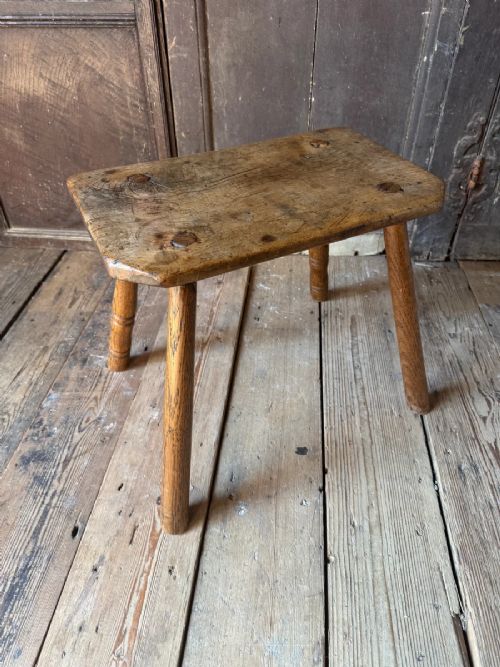
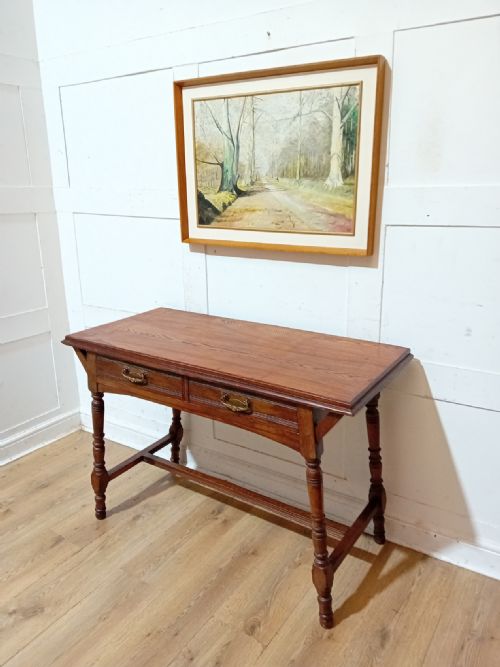
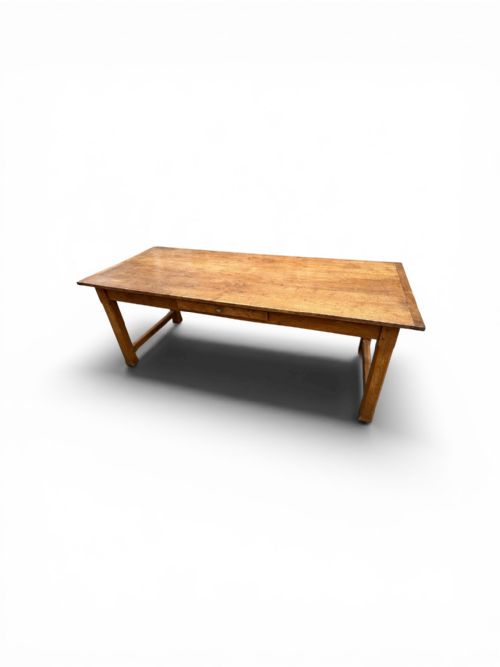
The version most commonly encountered on this page is the side table or farmhouse table, frequently incorporating regional timbers like elm or sycamore alongside the primary ash. Many display straightforward construction with end stretchers or single drawers suited to functional use.
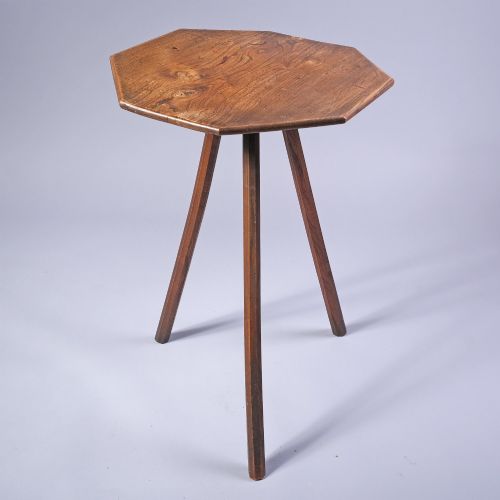
Makers and workshops utilised the natural strength and striking grain of ash to build sturdy pieces that survived decades of heavy household tasks. Whether formed as a cricket table, a writing table, or an Arts and Crafts side table, each object carries the plain aesthetic of its era.
Materials and construction
Makers selected solid ash for its toughness and flexibility, often combining it with secondary woods such as elm, sycamore, or oak for structural elements and legs. Burr ash and Hungarian ash veneers also appear on select refined surfaces to highlight complex grain patterns.
Joinery relied on traditional pegged and jointed construction, frequently supported by stretcher frames to stabilise three or four-legged designs. Plain turned legs, solid planks, and occasional brass fittings completed the build without superfluous ornamentation.
Listings demonstrate a strong presence of 19th century ash side tables, farmhouse tables, and vernacular three-legged stools.
Distinctions in quality
Quality separates along the ambition of the design and the select nature of the timber, moving from basic utilitarian boards to figured burr ash or carefully matched Hungarian ash surfaces. Pieces bearing maker attribution or specific stylistic movements show greater refinement in turning and joinery.
The integrity of the original timber surface and the retention of honest patination distinguish superior examples from heavily altered pieces. Tables that preserve their structural components without excessive modern intervention command greater respect from collectors.
Liberty·Holland and Sons·Urquhart and Adamson
The 19th Century Ash Table Glossary
- Vernacular
- Everyday furniture made by local cabinetmakers or country joiners without high stylistic pretensions. These pieces prioritize regional traditions and utility over metropolitan fashions.
- Stretcher
- A horizontal wooden rail connecting the legs of a table to provide rigidity and strength. On ash tables, stretchers are frequently positioned near the base.
- Burr ash
- A growth on an ash tree that produces intricate, swirling grain patterns when sliced into timber. It was prized for decorative table tops and drawer fronts.
- Cricket table
- A small, lightweight three-legged table originating in Britain for domestic use. The three legs ensure stability on uneven flagstone floors.
- Arts and Crafts
- A design movement valuing handcraftsmanship, simple forms, and the natural qualities of materials. Ash was a favoured wood for this aesthetic.
19th Century Ash Table: Frequently Asked Questions
How do I identify a genuine 19th century ash table?
Examine the timber for natural grain variation, tool marks, and appropriate wear consistent with nineteenth-century use. Construction methods like hand-cut joints and pegged tenons help confirm the period.
Check the secondary woods used beneath or inside the piece, such as elm or sycamore, which were typical of regional British workshops during that era.
Were these tables used in kitchens or dining rooms?
Ash tables served primarily utilitarian roles in farmhouses, sculleries, and country kitchens where robust working surfaces were essential. Their sturdy construction made them ideal for food preparation and daily family meals.
Over time, many of these sturdy tables transitioned into general living spaces and hallways as aesthetic appreciation for vernacular furniture grew.
How should I care for an antique ash surface?
Maintain the timber by dusting regularly with a soft, dry cloth and applying natural beeswax sparingly to nourish the wood. Avoid placing the table near direct heat sources or strong sunlight to prevent splitting.
Allow the surface to retain its historic patination rather than attempting harsh chemical stripping or modern varnishing.