


Antique Ash Table
An antique ash table brings a pale, expressive timber grain into a room, spanning rustic farmhouse forms and refined Arts and Crafts designs.
Antique Ash Table
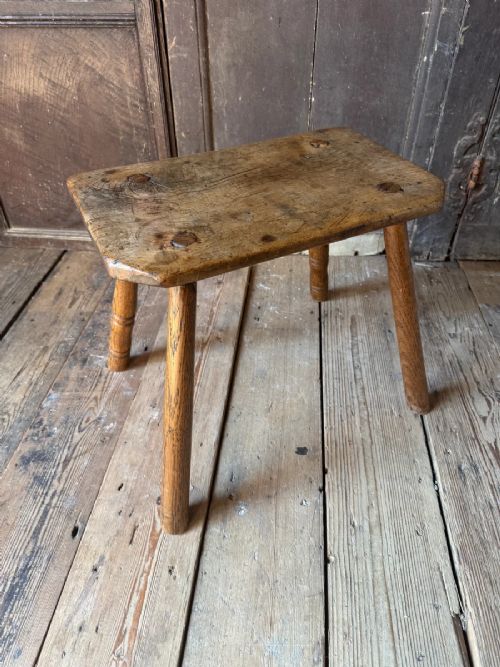
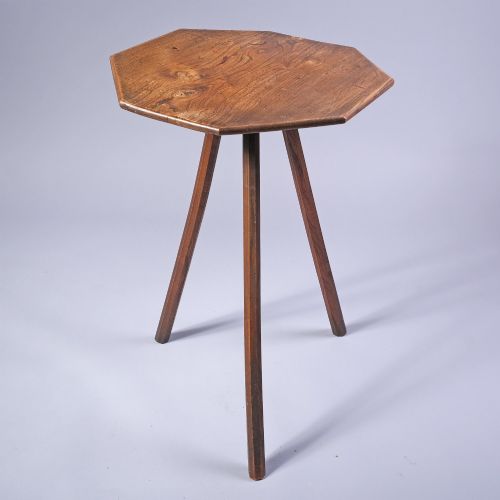
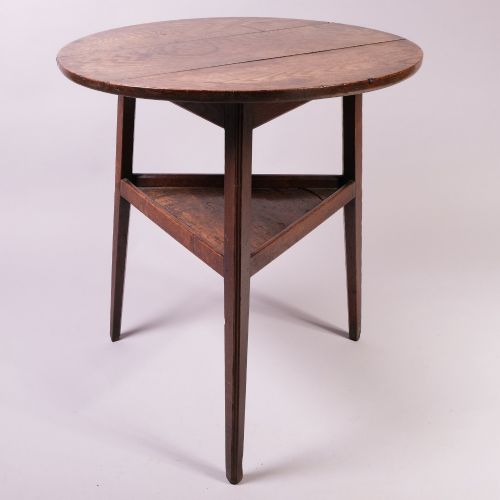
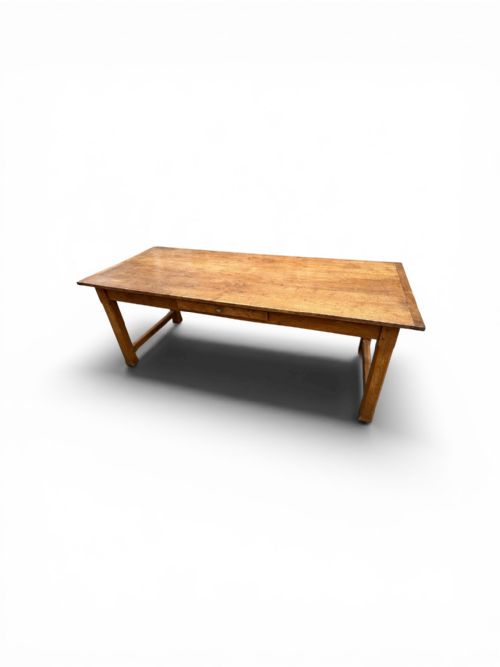
An antique ash table spans several distinct forms recorded in the evidence, from three-legged tripod tables and cricket tables to larger farmhouse dining tables. These pieces emerge across the eighteenth, nineteenth, and early twentieth centuries, reflecting both vernacular country use and designed movement pieces.
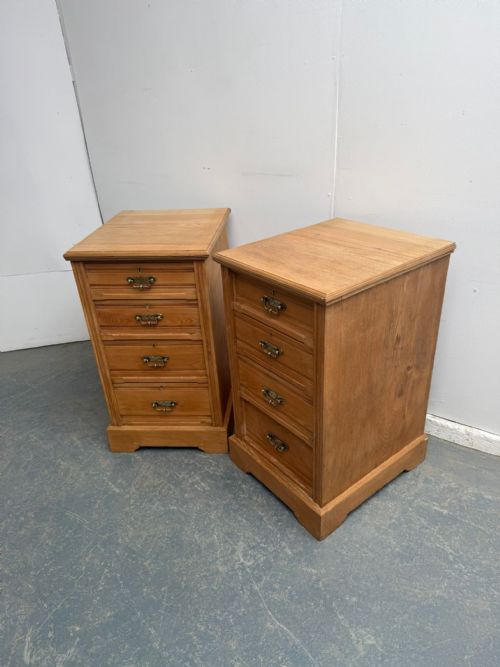
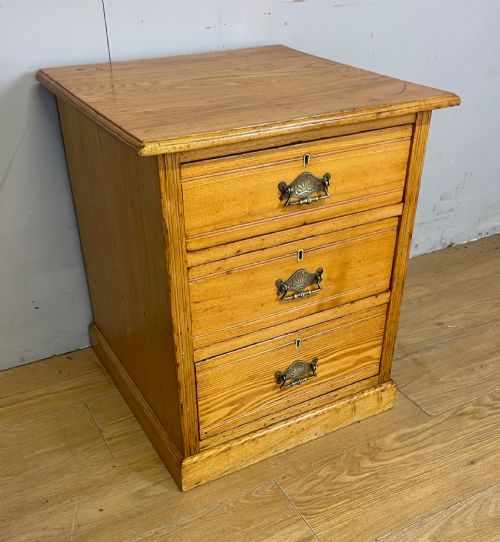
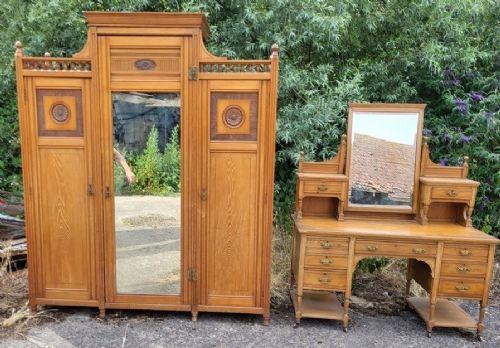
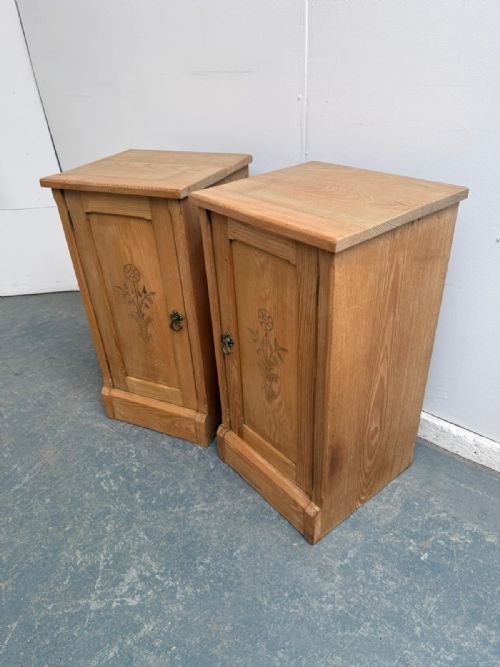
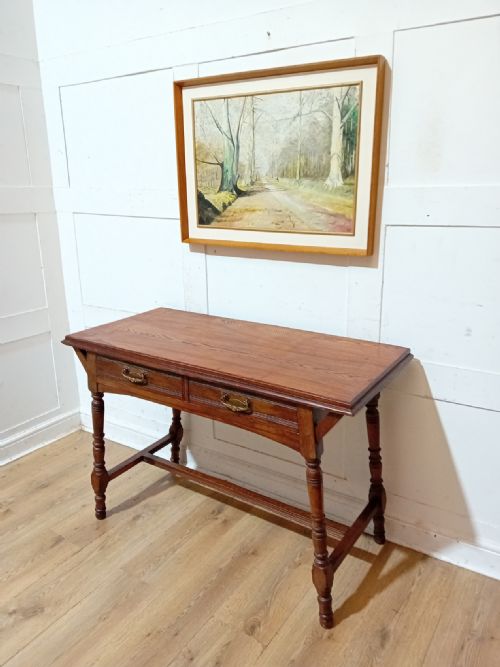
The versions most frequently met on this page include utilitarian side tables, bedside cabinets, and writing desks produced during the Victorian and Edwardian periods. Makers utilised the pale timber for functional furniture, pairing solid construction with the distinct figured patterns found in burr and Hungarian variations.
How they were made
Makers built these pieces primarily from solid timber, frequently selecting ash and burr ash alongside supporting woods like oak, sycamore, and elm. Surfaces were often waxed to preserve the natural tone of the grain, while certain pieces incorporate applied colour such as green stain.
Joinery techniques ranged from simple end stretchers and three-legged tripod frames to structural elements like gatelegs. Cabinet makers incorporated brass fittings, leather writing surfaces, and glass elements where the functional type demanded additional utility.
One early nineteenth-century kitchen table managed to double as an impromptu workbench for a butcher before finding retirement indoors.
What varies in quality
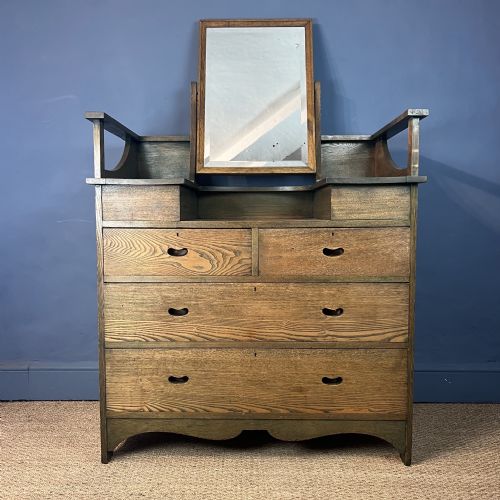
The distinction between standard utility items and finer pieces rests largely in the selection of the timber itself, particularly the presence of striking burr patterns or figured Hungarian ash. Individual pieces designed by notable makers or associated with specific stylistic movements carry a distinct level of compositional thought.
Construction methods also set pieces apart, moving from straightforward vernacular framing to considered joinery with integrated drawers, stretcher supports, and original surface finishes that remain intact over generations.
William Neale·Shapland & Petter·George Walton·Liberty·Hindley & Sons
The Antique Ash Table Glossary
- Ash
- A tough, pale hardwood valued for its prominent grain and flexibility, frequently utilised in nineteenth-century country and movement furniture.
- Burr Ash
- A specialised growth formation in the timber producing complex, swirling grain patterns highly sought after for decorative table tops and cabinet fronts.
- Cricket Table
- A small, lightweight circular table supported by three splayed legs, traditionally used in vernacular settings to remain stable on uneven floors.
- Gateleg Table
- A table with hinged drop leaves supported by legs that swing outward like a gate to bear the weight of the extended top.
- Tripod Table
- A standalone table featuring a single central pillar supported by three radiating feet, common in eighteenth and nineteenth-century domestic spaces.
Antique Ash Table: Frequently Asked Questions
What is an ash cricket table?
An ash cricket table is a traditional three-legged round table designed to stand steadily on uneven flagstone floors.
These pieces typically date to the eighteenth and nineteenth centuries and served varied domestic purposes in vernacular interiors.
How do I identify burr ash?
Burr ash is identified by its dense, swirling grain patterns caused by growths on the tree.
Cabinet makers used this figured timber primarily on prominent surfaces such as table tops and drawer fronts to create visual contrast.
Were these tables painted originally?
While most pieces showcase the natural pale timber, specific examples from movements like the Arts and Crafts period feature deliberate surface treatments.
Stains, such as green-stained ash, were occasionally applied by designers to alter the appearance of the wood.
Where were ash tables used?
Ash tables served multiple functions across the home, appearing as farmhouse dining tables, bedside cabinets, and writing desks.
Because the timber is tough and resilient, makers selected it for furniture subjected to daily domestic handling.