
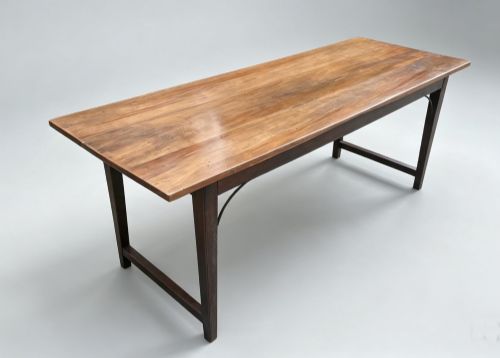

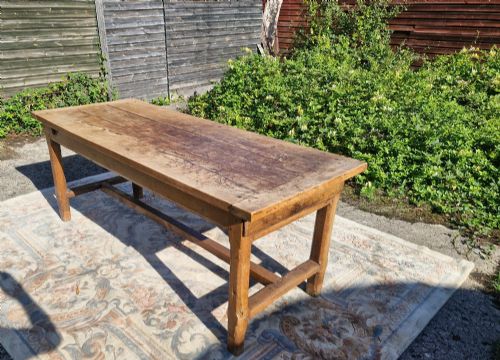
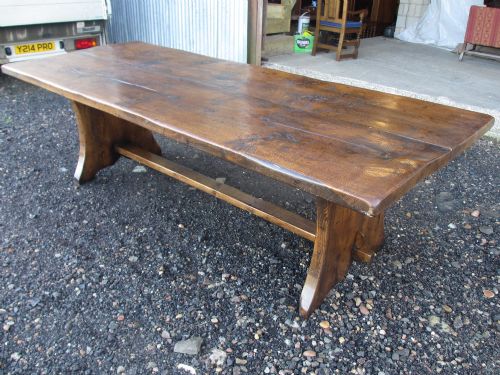
Rustic Wooden Kitchen Table
A rustic wooden kitchen table brings warmth to a room, offering honest utility and enduring charm.
Understanding the rustic wooden kitchen table
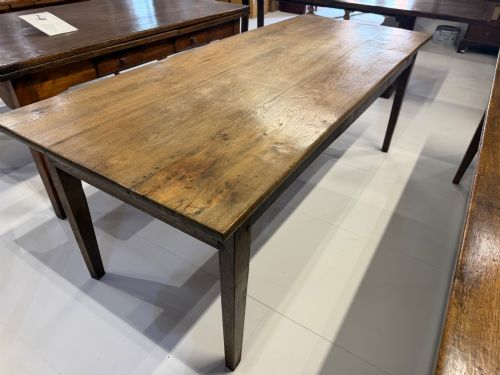
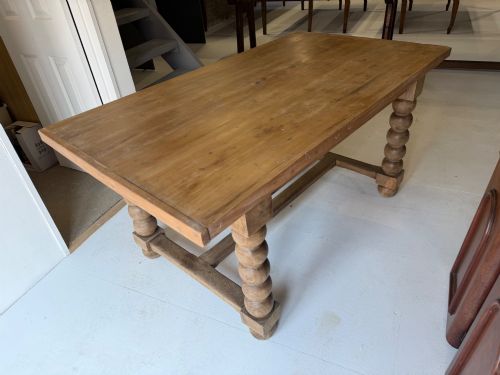
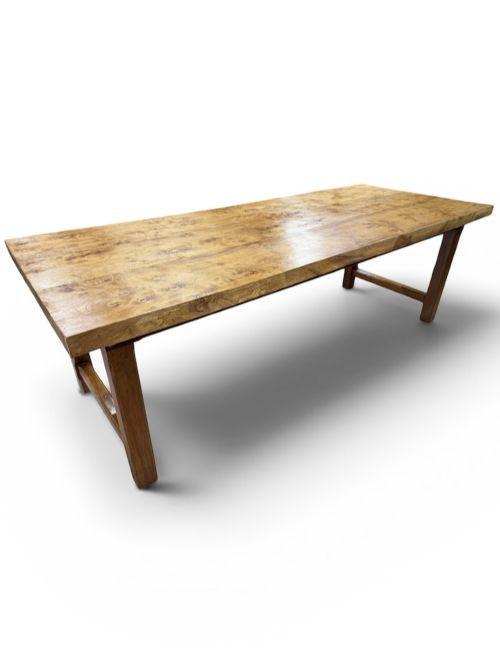
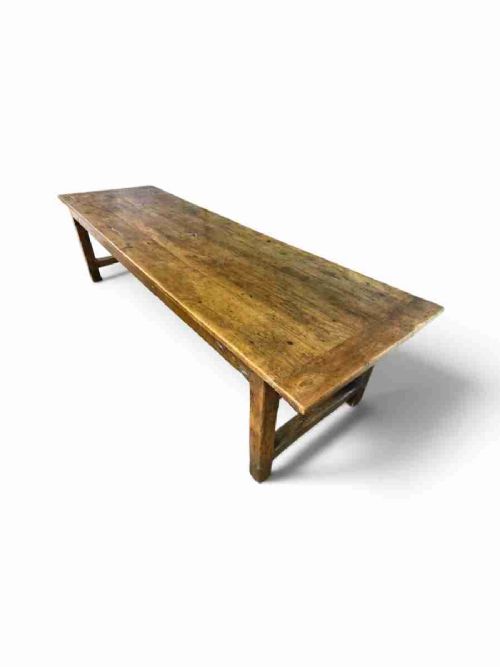
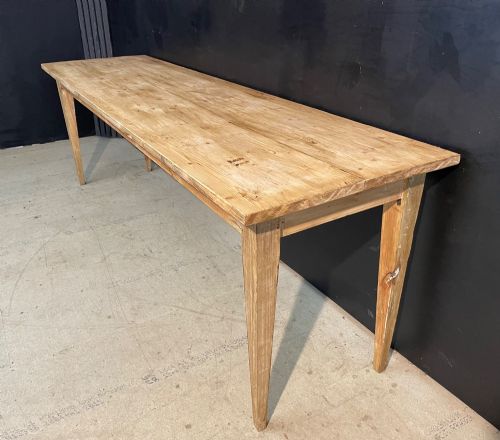
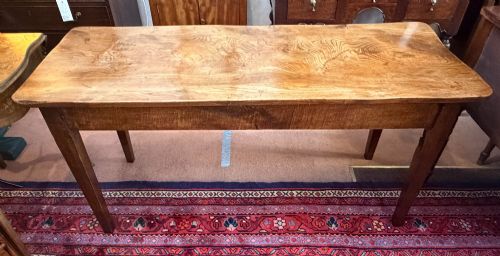
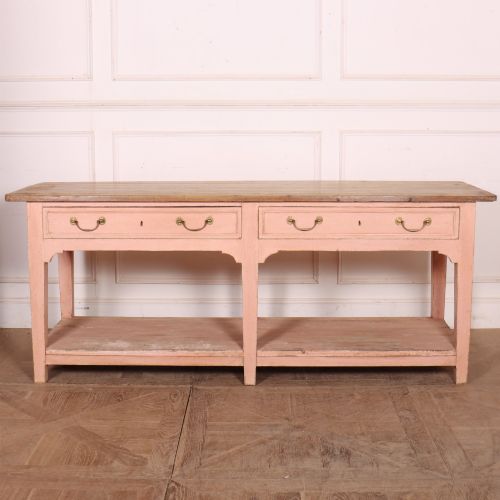
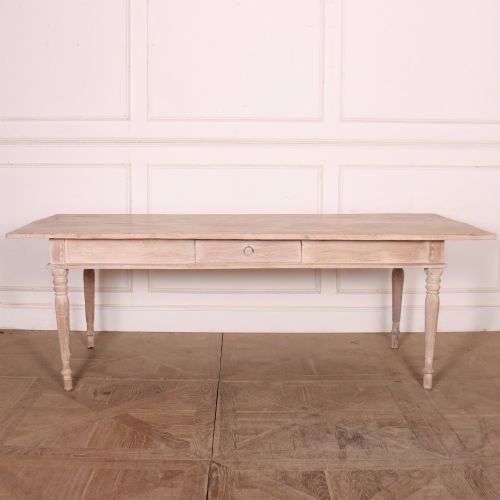
A rustic wooden kitchen table serves as the hearty centrepiece of a home, built for daily gathering and practical use. When searching for a rustic wooden kitchen table, buyers encounter sturdy dining tables originating from the nineteenth century, the Edwardian era, and around nineteen twenty. These pieces embody vernacular styles such as farmhouse, French country, French provincial, and Victorian country.
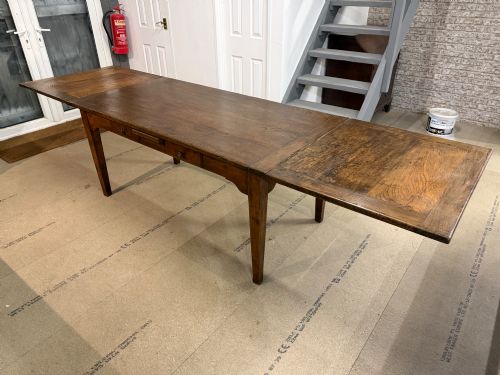
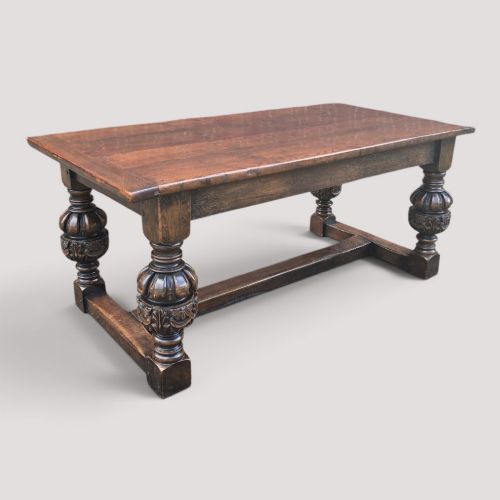
The selections available on this page lean heavily towards traditional farmhouse and drop-leaf formats designed for dining and communal meals. Buyers frequently find formats ranging from four-seater breakfast tables to larger refectory styles with distinctive board tops. Origins stretch across English and French traditions, reflecting utilitarian domestic history.
Materials and construction
Makers utilised a variety of native timbers including pine, oak, fruitwood, elm, ash wood, and general timber. Construction techniques prioritise durability, often employing solid timber boards joined to handle heavy daily wear in busy kitchens.
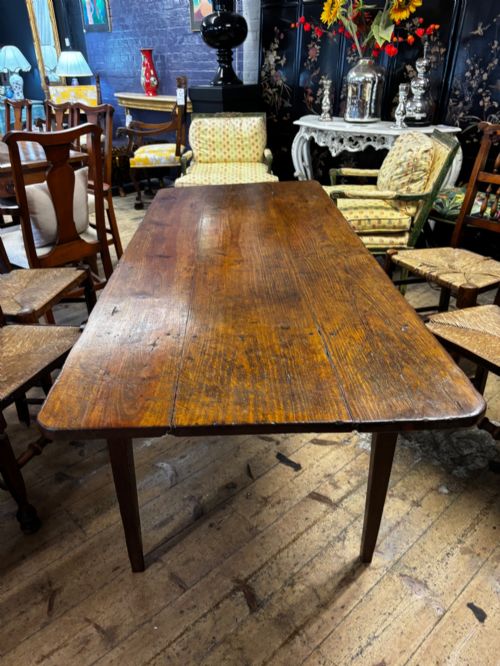
Specific structural details recorded in the evidence include two-board tops and ash end stretchers for added stability. These methods reflect straightforward, honest carpentry intended to withstand decades of heavy domestic service.
Retail Price Guide 2026
Typical UK retail prices for rustic wooden kitchen table, calculated from the Sellingantiques database of over a million retail prices indexed since 2003. This retail price guide relies exclusively on Sellingantiques data; no external sources or auction records are used, so the figures do not describe the wider market.
Tables equipped for breakfast, supper, and everything in between.
Distinctions in quality
Quality varies according to the selection of timber and the integrity of the original construction rather than mere age. Tables featuring dense hardwoods like oak or elm generally display greater structural resilience than softer pine alternatives.
The refinement of the joinery and the survival of original structural elements, such as end stretchers and multi-board tops, separate ordinary utility pieces from finer country examples. The visual character of the wood grain and the natural patina developed through years of use dictate the overall aesthetic merit.
The Rustic Wooden Kitchen Table Glossary
- Refectory table
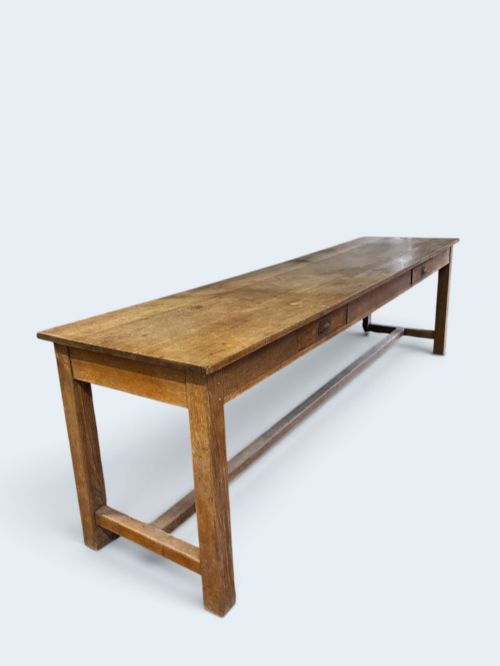
- A long, narrow dining table traditionally used for communal meals. These pieces often feature stretcher bases for enhanced stability.
- Drop-leaf table
- A table with hinged leaves on either side that can be folded down to save space. This mechanism offers flexible sizing for smaller rooms.
- Stretcher
- A horizontal support beam connecting the legs of a table to prevent wobbling. End stretchers provide particular rigidity in heavy farmhouse builds.
- Patina
- The deep sheen and surface character developed on wood over years of handling and polish. It serves as a visual marker of age and continuous use.
Frequently Asked Questions
How do I care for a wooden kitchen table?
Clean surfaces with a damp cloth and avoid harsh chemical sprays that strip the natural finish. Regular waxing helps protect the timber from moisture and daily wear.
Keep wooden tables away from direct heat sources and extreme temperature fluctuations to prevent the timber from warping or splitting over time.
Were these tables actually used in kitchens?
Many nineteenth-century and Edwardian examples served as primary work surfaces for food preparation, baking, and family meals. Their robust construction was specifically intended for rigorous domestic tasks.
Over decades of service, these surfaces absorbed the marks of daily labour, which contributes to their distinct historical character today.
What is a two-board top?
A two-board top is constructed from two wide planks of timber joined together to form the table surface. This method was common before wide sheet materials became available.
Using fewer boards creates a cleaner visual expanse and highlights the natural grain and width of mature trees.
How can I tell a French farmhouse table apart?
French country and provincial examples often utilise regional hardwoods like fruitwood and elm alongside distinct stretcher arrangements. Their proportions and leg turnings reflect continental woodworking traditions.
Comparing these details with English Victorian country pieces reveals subtle regional preferences in timber selection and joinery.