

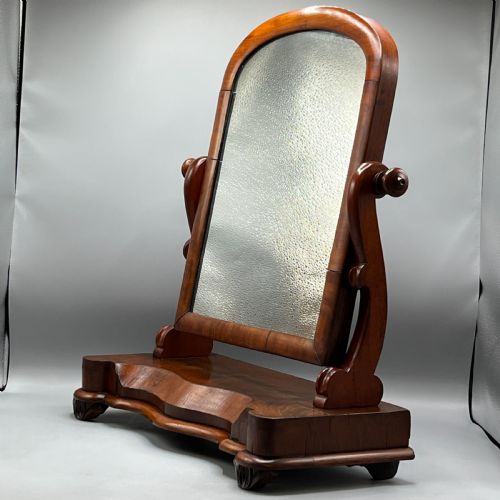


Victorian Swivel Mirror Table
A victorian swivel mirror table brings focused light and practical elegance to a dressing space, offering a tilting glass set on a stable wooden frame.
Victorian Swivel Mirror Table
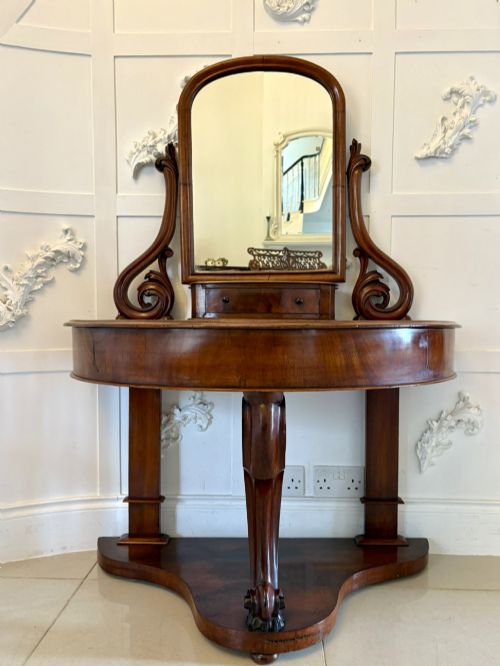
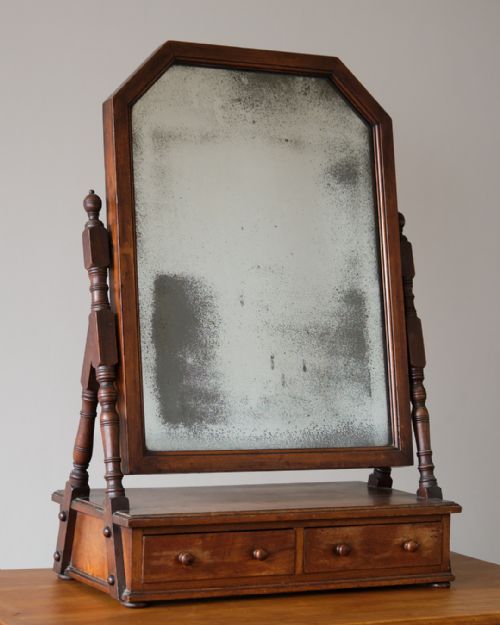
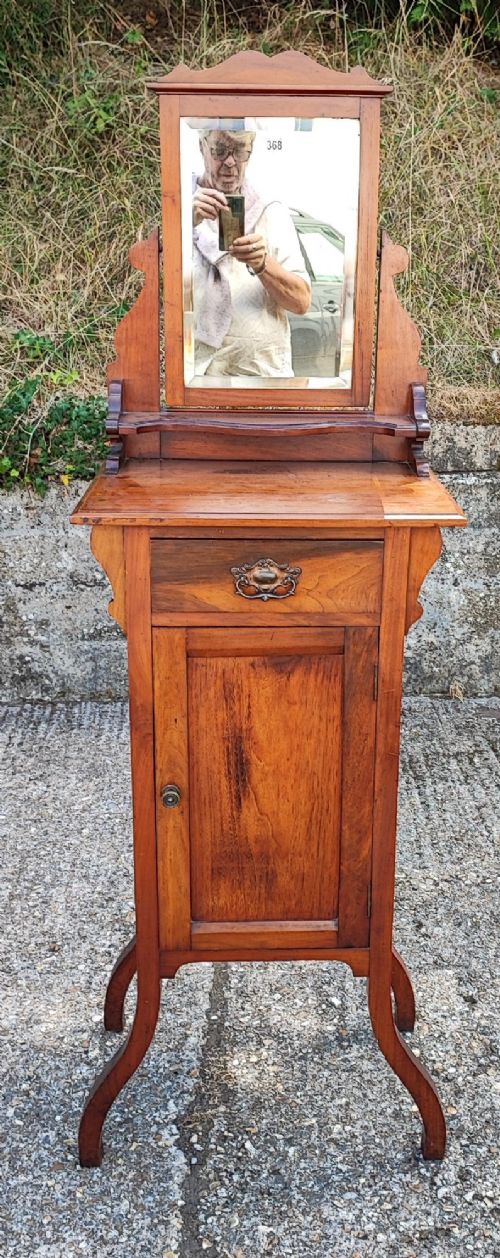
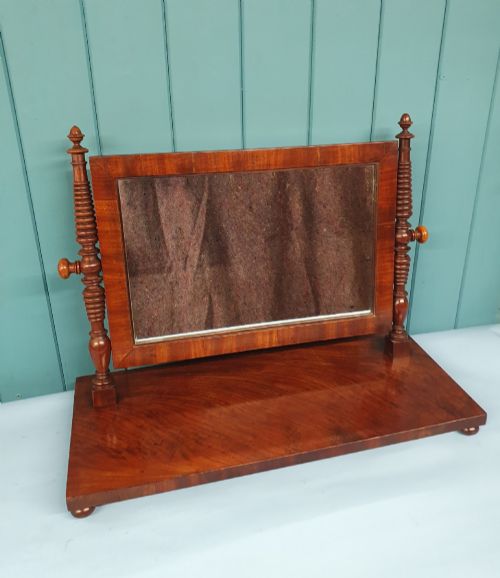
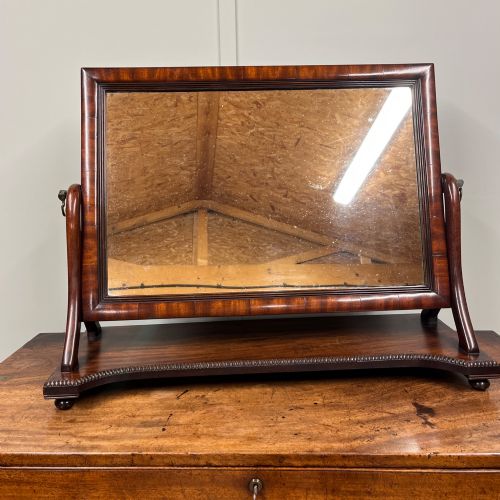
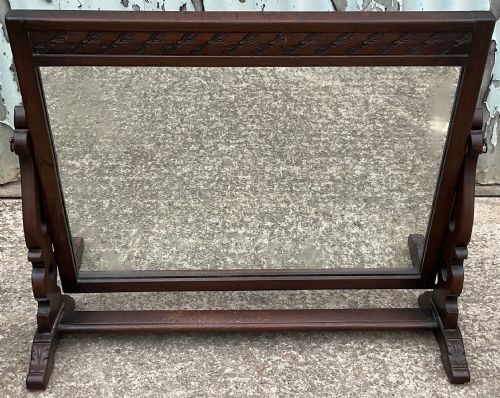
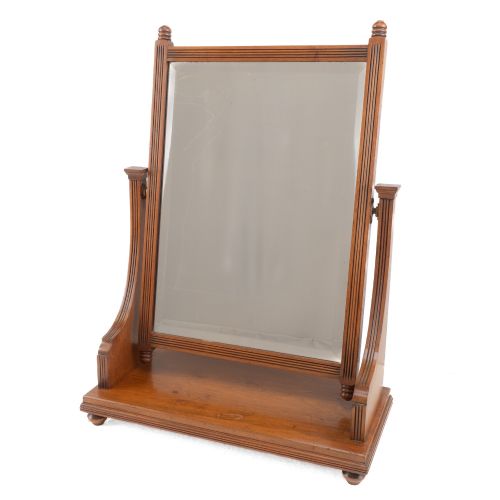
A victorian swivel mirror table typically takes the form of a table top dressing mirror or a larger vanity mirror designed for a chest or dressing table. These pieces provide a movable glass plate supported by upright arms, allowing the user to adjust the angle for personal reflection.
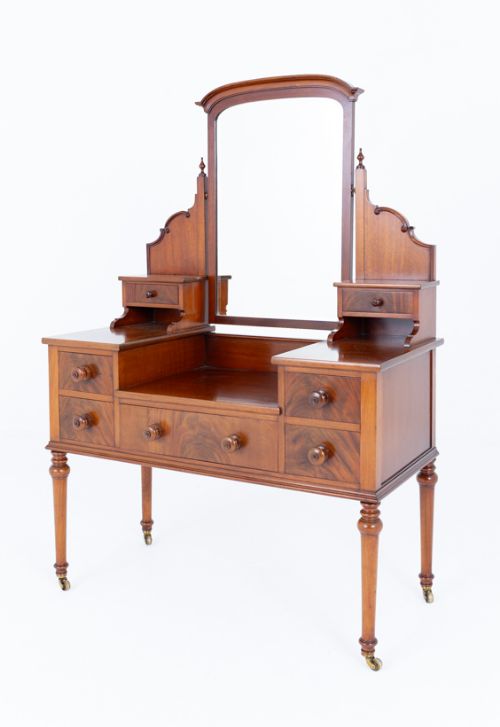
The materials and styles span the nineteenth century, with mahogany dominating alongside walnut, burr walnut, and oak. Pieces range from compact toilet mirrors to elaborate duchess dressing tables featuring integrated drawers and marble tops.
Makers and retailers such as Heal and Sons and Harrods occasionally appear alongside specialised scientific optical mirrors. Buyers frequently encounter traditional swing frames supported on shaped pedestals or box bases containing small storage compartments.
What varies in quality
The distinction between standard utility items and superior examples lies in the selection of timber grain, such as figured burr walnut or dense mahogany, and the crispness of any carved detailing. Finer pieces display careful proportion in the support arms and integrated drawer construction.
Hardware quality also separates the tiers, with heavy cast brass pivots and original screw nuts indicating superior workshop standards. The clarity of the glass and the retention of original finish contribute to the overall integrity of the piece.
Object forms span compact table top toilet mirrors, large swing mirrors, and full pedestal duchess dressing tables.
Heal and Sons·Thomas Rubergall
The Victorian Swivel Mirror Table Glossary
- Swivel mirror
- A glass plate hung on pivots between two upright posts so that it tilts forward and back. This mechanism allows the user to alter the angle of reflection easily.
- Toilet mirror
- A smaller dressing glass designed to sit upon a chest of drawers or a dedicated table top. These often feature small trinket drawers built into the base.
- Burr walnut
- Timber taken from the warted growths of walnut trees, yielding highly figured patterns with swirling grain. Cabinetmakers prized this veneer for high-status Victorian furniture.
- Duchess dressing table
- A large nineteenth-century dressing table featuring a central attached mirror surrounded by smaller drawers or compartments. They represent a grander scale of bedroom furniture.
- Cheval mirror
- A full-length standing mirror supported in a free-standing frame that allows the entire glass to swing. They provide a complete view of attire.
Victorian Swivel Mirror Table: Frequently Asked Questions
How do I secure a loose swivel mirror frame?
Most pivoting frames rely on threaded brass screw caps or tension nuts set into the supporting arms. Tightening these fittings gently usually restores the friction required to hold the glass at the desired angle.
If the wooden thread or metal receiver is worn, a thin washer or proper adjustment of the internal hardware helps stabilize the movement without damaging the antique timber.
Where should I place a table top mirror?
These mirrors suit dressing chests, sideboards, or dedicated vanity tables where they can catch natural light from a nearby window. Ensure the supporting surface is level and deep enough to bear the weight of the base.
Placement should also account for the height of the user, as smaller toilet mirrors benefit from resting on lower pieces of furniture for comfortable daily use.
How can I date a Victorian swivel mirror?
Dating relies on timber choices, construction methods, and hardware styles found across the nineteenth century. Earlier pieces often display simpler mahogany frames, while later Victorian examples may incorporate burr walnut veneers or cast bronze mounts.
Retailer labels, handwritten signatures on the backboards, or characteristic drawer dovetails also help narrow down the period of manufacture.
Are the mirror plates original on these tables?
Many surviving pieces retain their original glass, which can show subtle foxing, minor silver loss, or slight distortion characteristic of historic manufacturing techniques. These signs indicate age and authenticity.
Replacement glass is common in pieces that saw heavy daily use, and modern mirror plates are sometimes fitted to restore clear reflection while keeping the antique frame intact.