



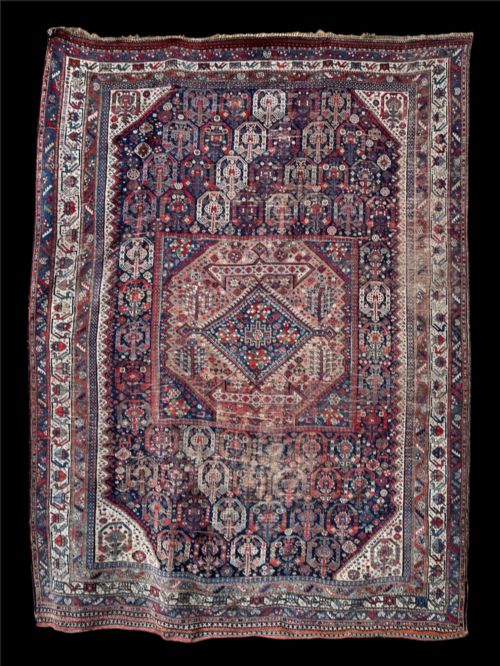
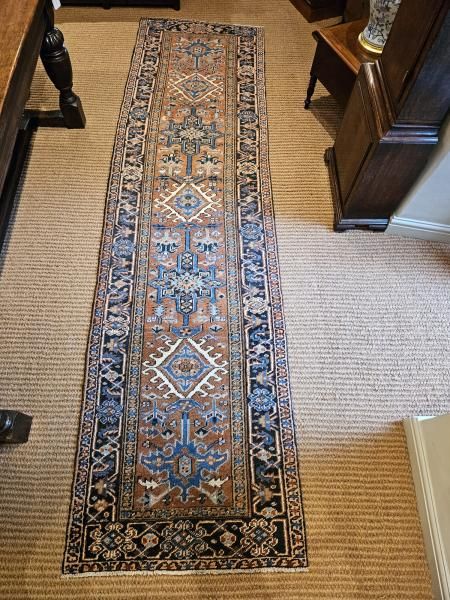
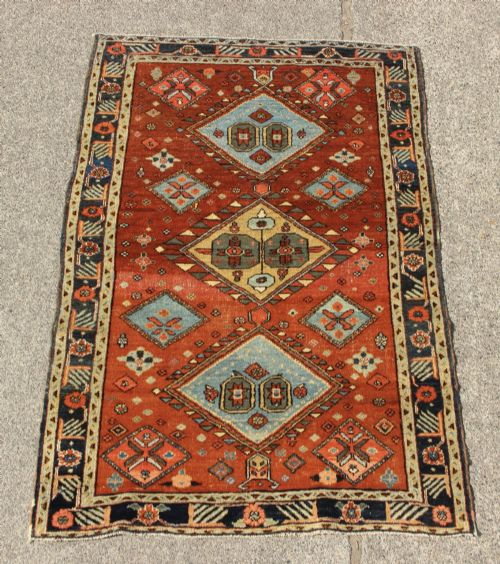

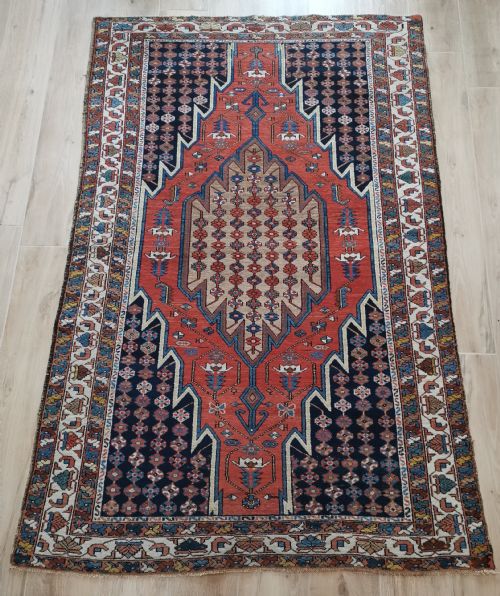

Terracotta Tribal Runner
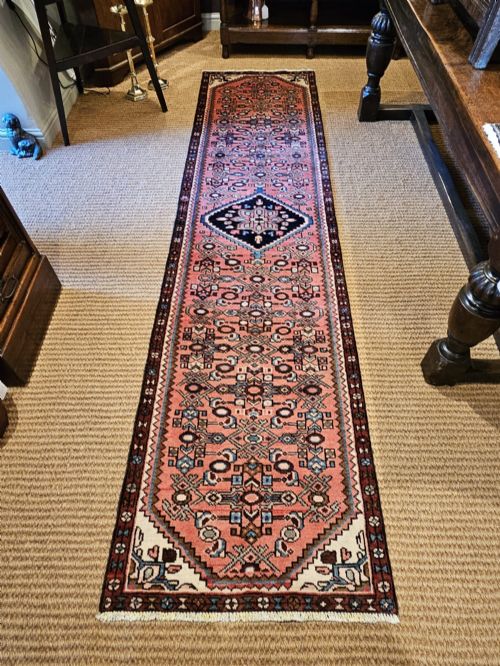
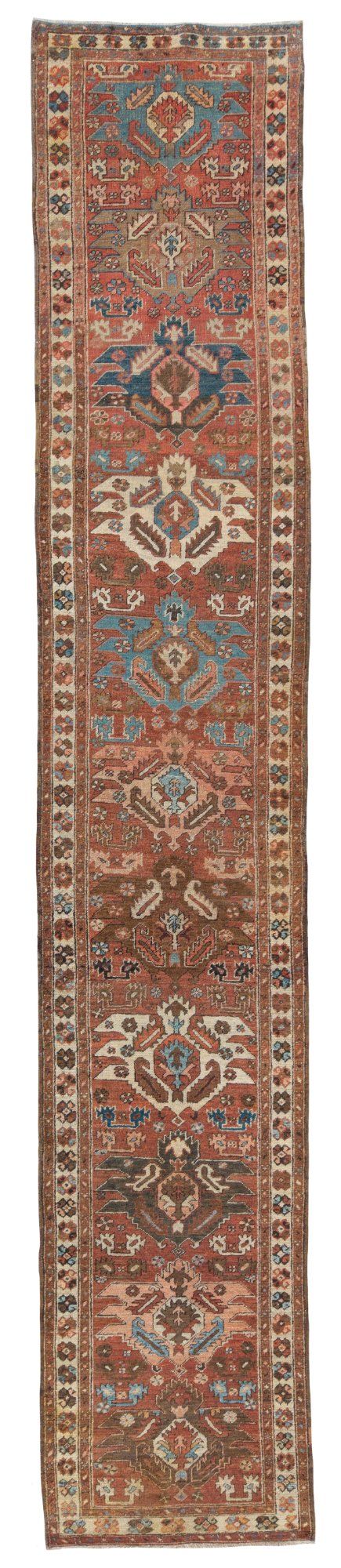
These terracotta tribal runner textiles bring warmth and bold geometric design to a hallway, woven by hand across the nineteenth and early twentieth centuries.
Terracotta Tribal Runner
A terracotta tribal runner serves narrow spaces such as corridors and passageways, bringing long formats and earthy tones into domestic interiors. These floor coverings emerge from nomadic and village weaving traditions across Persia, the Caucasus, and surrounding regions during the nineteenth and early twentieth centuries.
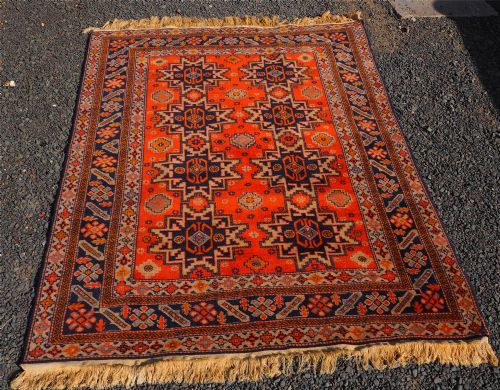
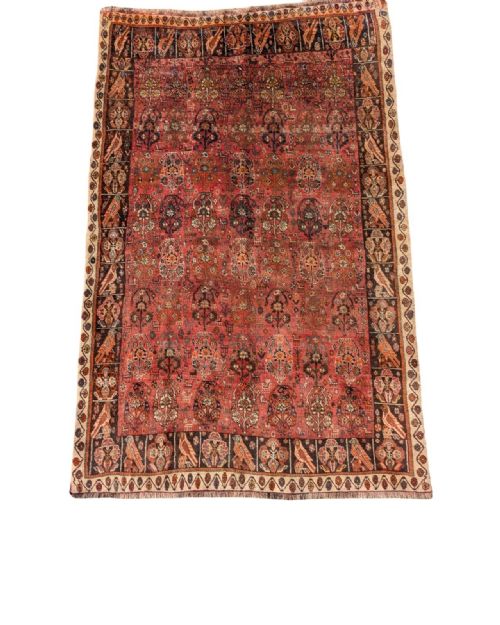
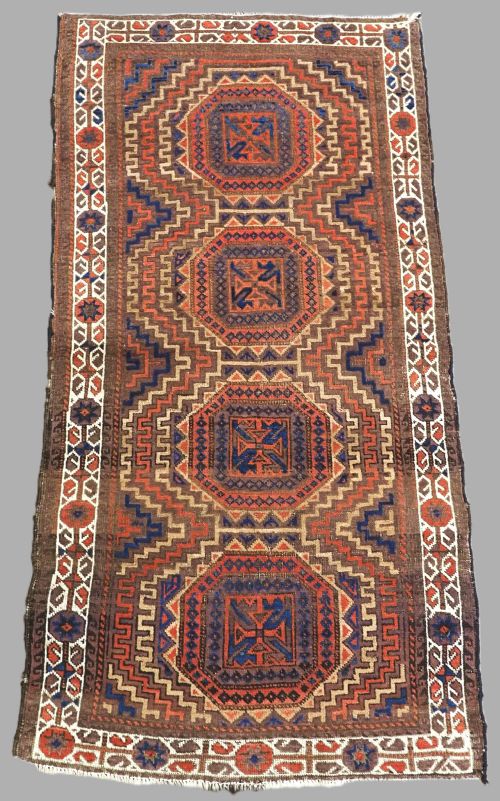
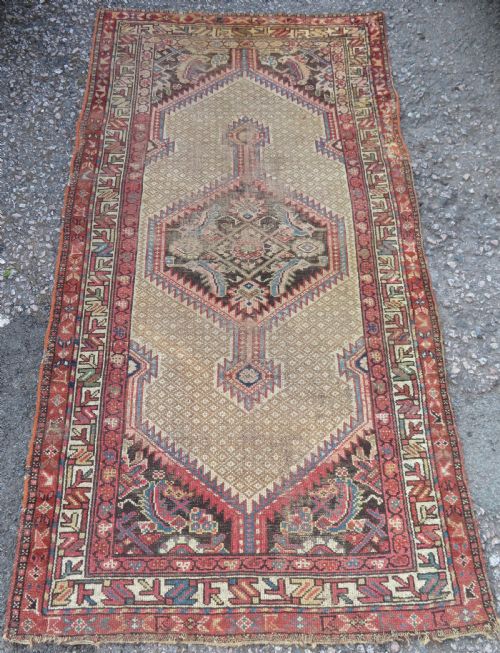
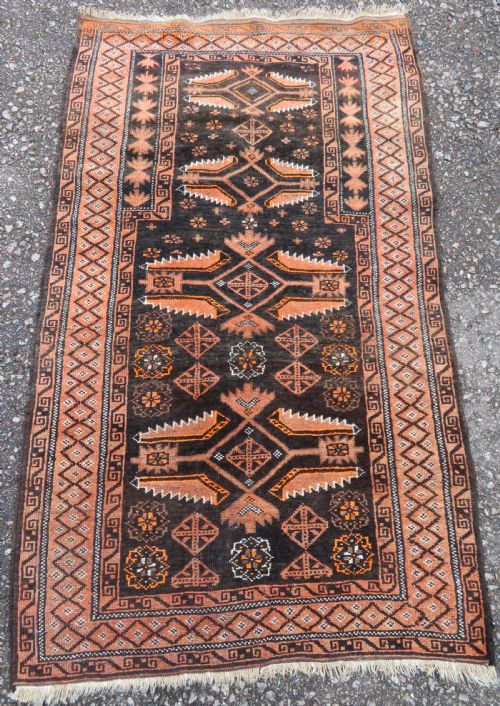
The selection on this page centres on elongated formats like runner rugs and long carpets, alongside room-size pieces carrying similar tribal motifs. Buyers encounter regional village styles including Kurdish, Heriz, Bakshaish, and Afghan productions that display characteristic medallion and repeating geometric patterns.
Makers ranged from village households to tribal confederacies working on traditional upright looms. Their output reflects specific regional iconography, from large guls to boteh motifs, rendered in resilient formats designed for daily foot traffic.
How They Were Made
Weavers relied on hand-spun wool and occasional camel hair for the pile and foundations, providing durability and a tactile texture. These organic fibres were knotted by hand onto wool or cotton warps and wefts.
Natural dyes produced the terracotta hues, rich blues, and earthy tones recorded across the pieces. Plant and insect extracts delivered stable colours that mellow gradually over decades of exposure and use.
Terracotta Tribal Runner Retail Price Guide 2026
Typical asking prices for terracotta tribal runner among the pieces listed under this phrase on Sellingantiques today, from the lower quarter to the upper quarter. They describe what is for sale here now, not the wider market.
Several runners manage to survive decades of hallway traffic looking cheerier than the day they left the loom.
What Varies in Quality
The precision of the knotting and the complexity of the geometric drawing distinguish finer village productions from standard utility weaving. Tighter knot density allows for sharper definition in medallions, borders, and tribal guls.
The depth and nuance of the natural dye palette determine visual impact, as skilled dyers achieved varied terracotta and madder shades. Well-balanced proportions and harmonious colour saturation elevate the presence of a runner within a interior.
The Terracotta Tribal Runner Glossary
- Gul
- A medallion motif repeated across Turkmen and tribal carpets. These octagonal or polygonal designs often identify specific weaving tribes and clans.
- Boteh
- A stylised floral or almond-shaped motif representing a sprout or palm leaf. This ancient symbol appears frequently in Persian and Kurdish village weaving.
- Kelims
- Flat-woven rugs and carpets produced without a pile. They feature crisp geometric patterns formed by tightly interlacing warp and weft threads.
- Torba
- A small hanging bag or storage sack produced by Turkmen tribes. Examples display characteristic guls and fine knotting executed for domestic utility.
- Kelleh
- A large rectangular format used for traditional room layouts. These extended carpets share design vocabulary with smaller runners and village rugs.
Terracotta Tribal Runner: Frequently Asked Questions
How do I clean an old wool runner?
Gentle surface brushing and regular light vacuuming without a beater bar remove loose dust and protect the wool pile from abrasive grit. Professional textile cleaning is necessary for deeper maintenance to prevent dye bleed in natural terracotta colours.
Avoid chemical spot treatments or excessive water immersion, which can damage hand-spun foundations and alter the original lanolin content of the wool.
Where should I place a long runner?
Narrow hallways, corridors, and high-traffic passageways benefit most from elongated runner formats. They introduce colour and texture while protecting wooden floorboards in transitional spaces.
Placing a suitable underlay beneath the textile prevents slipping and cushions the weave against hard flooring.
How do I tell different tribal styles apart?
Regional weaving traditions display distinct structural traits and motif vocabularies. Kurdish and Heriz pieces often feature robust geometric medallions, whereas Caucasian productions utilise sharper polygons and vivid accent shades.
Examining the knotting style, foundation materials, and border arrangements clarifies the geographic origin of each textile.
Are these runners durable enough for daily use?
Traditional village and nomadic rugs were constructed for demanding domestic environments using robust wool and sturdy foundations. Hand-spun wool contains natural oils that resist standard household wear and tear.
Periodic rotation ensures even distribution of foot traffic across the length of the runner over years of service.