



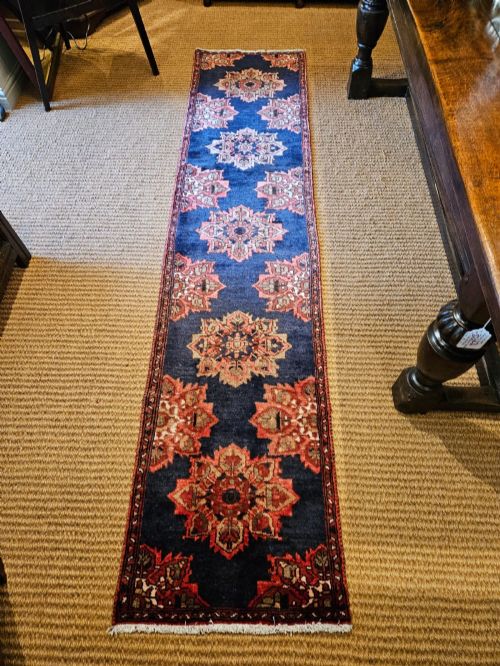
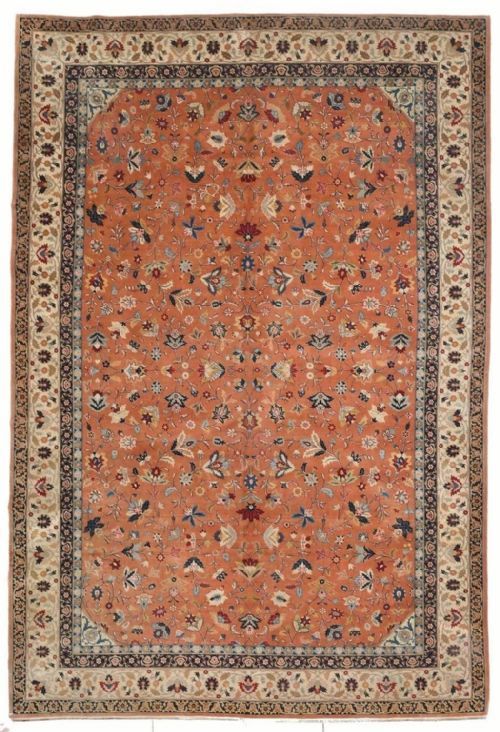
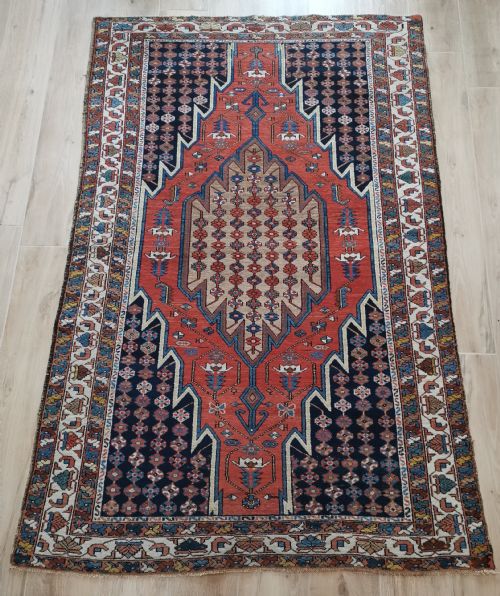
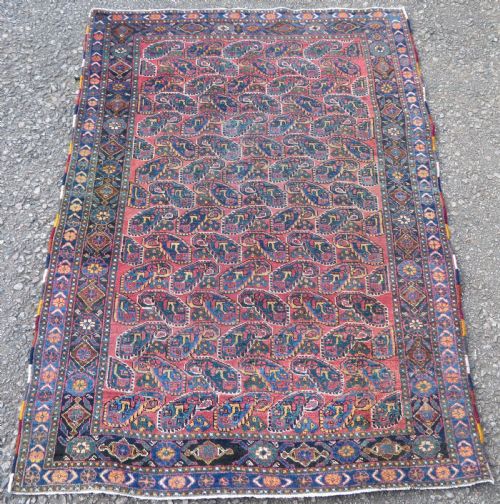
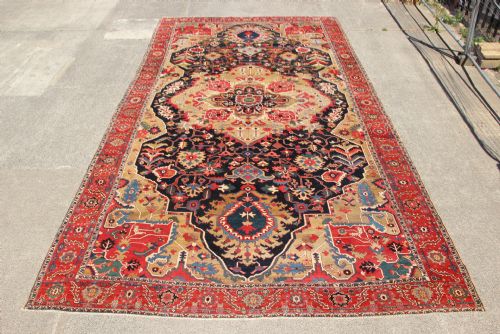
Terracotta Persian Floor Rug
These hand-knotted wool and cotton floor coverings deliver centuries of pattern and warm terracotta tones straight to your living space.
Terracotta Persian Floor Rug
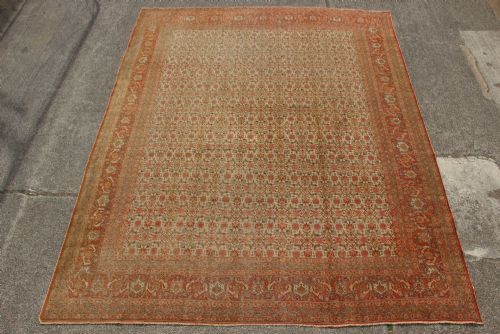
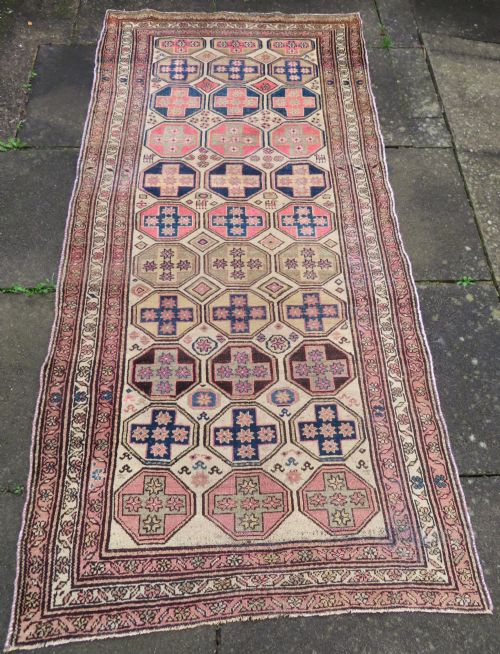
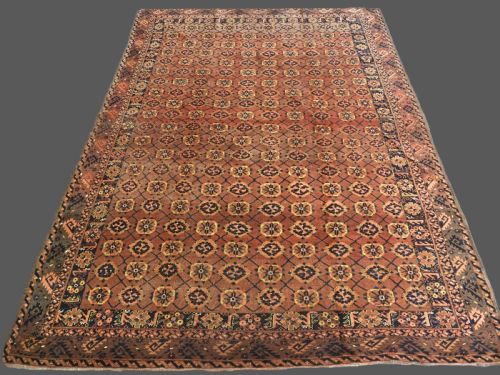
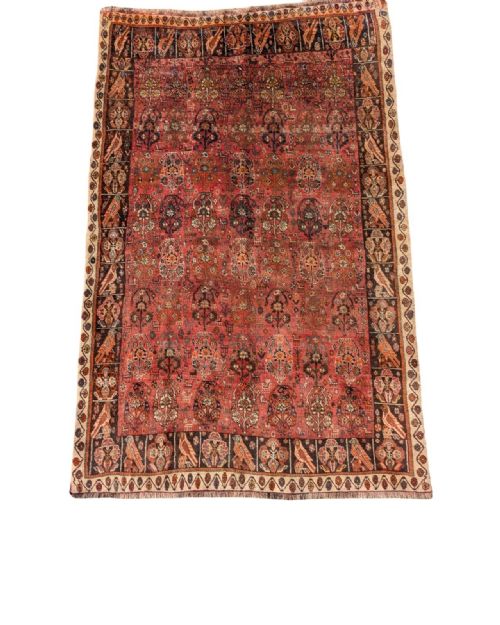
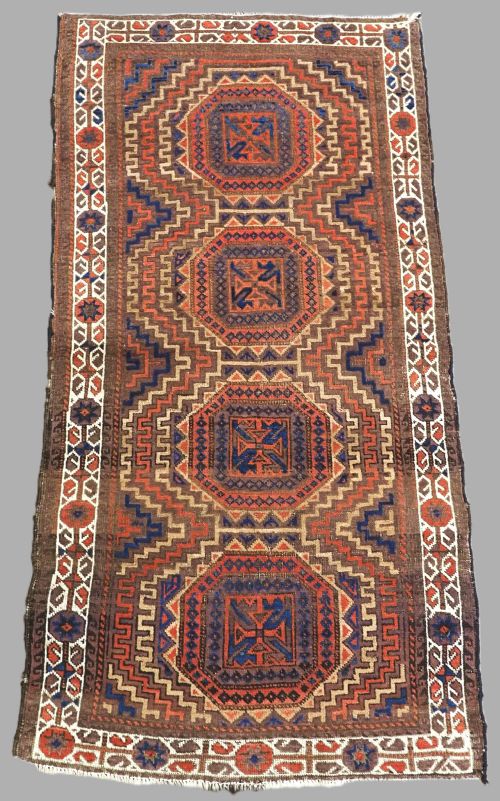
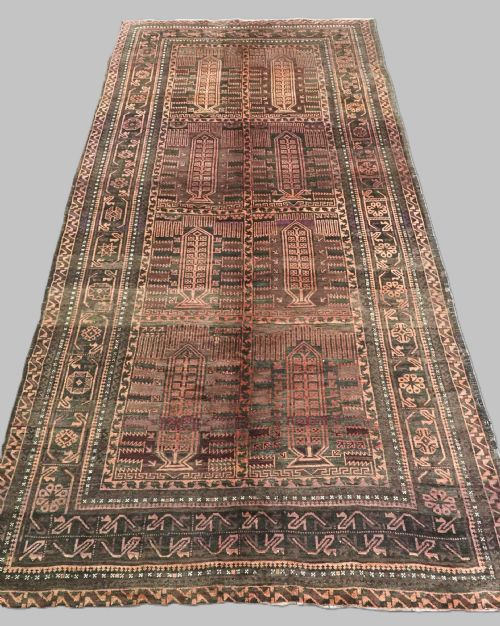
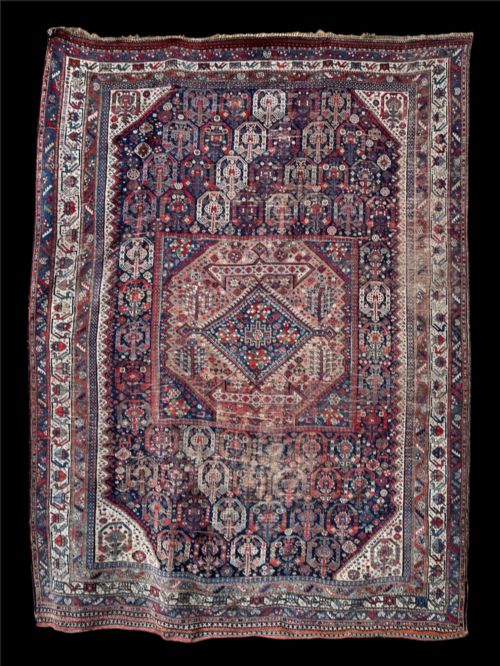
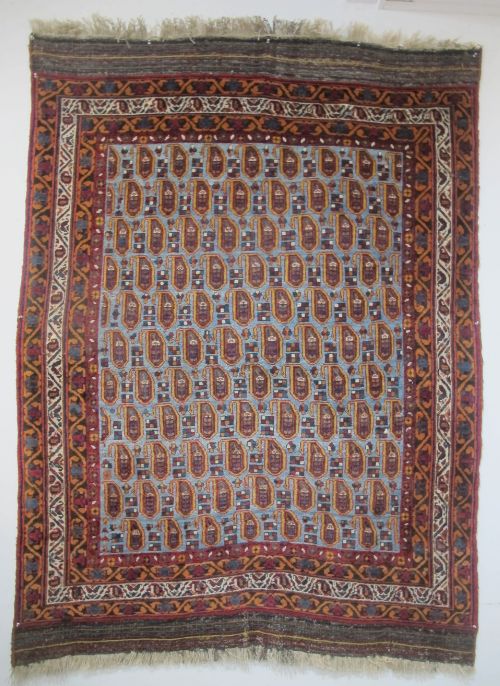
A terracotta persian floor rug brings traditional craftsmanship into domestic spaces through room-sized carpets and smaller area formats. The selection here spans the nineteenth and early twentieth centuries, capturing village and tribal weaving traditions from across Persia and surrounding regions.
Makers ranged from Kurdish and Qashqai nomadic weavers to larger workshops in Heriz, Tabriz, and Sultanabad. Pieces take various forms, from compact runner rugs to expansive carpets exceeding six metres in length.
Geometric medallions, all-over Heriz layouts, and repeating tribal guls dominate the visual language. Buyers encounter both robust village weaves and finer city workshop productions.
Materials and Construction
Weavers relied on hand-spun wool for the pile, prized for its durability and capacity to hold rich natural dyes. Foundations typically utilise cotton warp and weft threads, providing structural stability for large formats.
Individual knots secure the pile to the foundation grid, creating dense surfaces designed to withstand generations of foot traffic. Artisans finished the edges with sturdy overcast selvages and secured the ends with woven fringes.
Listings feature wool, cotton, and silk materials spanning production dates from the 1870s through the 1930s.
Distinguishing Quality
Knot density and precision of design transfer separate ambitious workshop carpets from simpler village pieces. Finer wool selections retain suppleness and clarity of motif over decades of use.
Structural integrity of the cotton foundation and uniformity of the pile height dictate the resilience of the carpet. The harmony of natural dye variations across the field distinguishes exceptional examples from standard production.
The Terracotta Persian Floor Rug Glossary
- Gul
- A repeating medallion motif often found in tribal carpets and rugs. This octagonal design element frequently identifies specific nomadic groups.
- Warp
- The vertical threads stretched tightly on the loom before knotting begins. These foundation cords run the entire length of the carpet.
- Weft
- The horizontal threads passed across the warp strands to lock the knots in place. Proper tension here ensures a flat, stable floor covering.
- Pile
- The upright woolen or silk fibres that form the usable surface of the rug. Tightly packed pile protects the foundation threads underneath.
- Selvage
- The reinforced side edges of a carpet formed by wrapping outer warp threads. This finishing technique prevents the sides from fraying.
Terracotta Persian Floor Rug: Frequently Asked Questions
How do I clean an antique rug?
Regular gentle vacuuming without the rotating beater bar removes surface dust effectively. Professional specialist washing remains necessary for deep cleaning to protect delicate wool pile and natural dyes.
Avoid household chemical treatments and excessive water exposure. Proper maintenance preserves the structural integrity of the cotton foundation over decades.
Where should I place a large carpet?
Large formats anchor living rooms, dining spaces, and broad hallways effectively. Ensure furniture sits comfortably on or around the border to define the seating area.
Using a quality underlay prevents slipping and cushions the foundation against hard flooring. This simple step reduces daily friction on the wool pile.
How are different regional styles identified?
Design geometry, palette choices, and knotting techniques point directly to specific weaving origins. Heriz carpets often display bold geometric medallions, while Tabriz pieces feature intricate floral curves.
Village and tribal pieces show distinct local motifs and asymmetric layouts. Comparing structural details helps distinguish between city workshops and nomadic output.
Can these rugs handle heavy foot traffic?
Dense wool pile and sturdy cotton foundations provide natural durability for everyday use. Many surviving examples have endured a century or more of household activity.
Placing them in moderate-traffic areas balances practical longevity with historical preservation. Regular rotation ensures even wear patterns across the surface.