






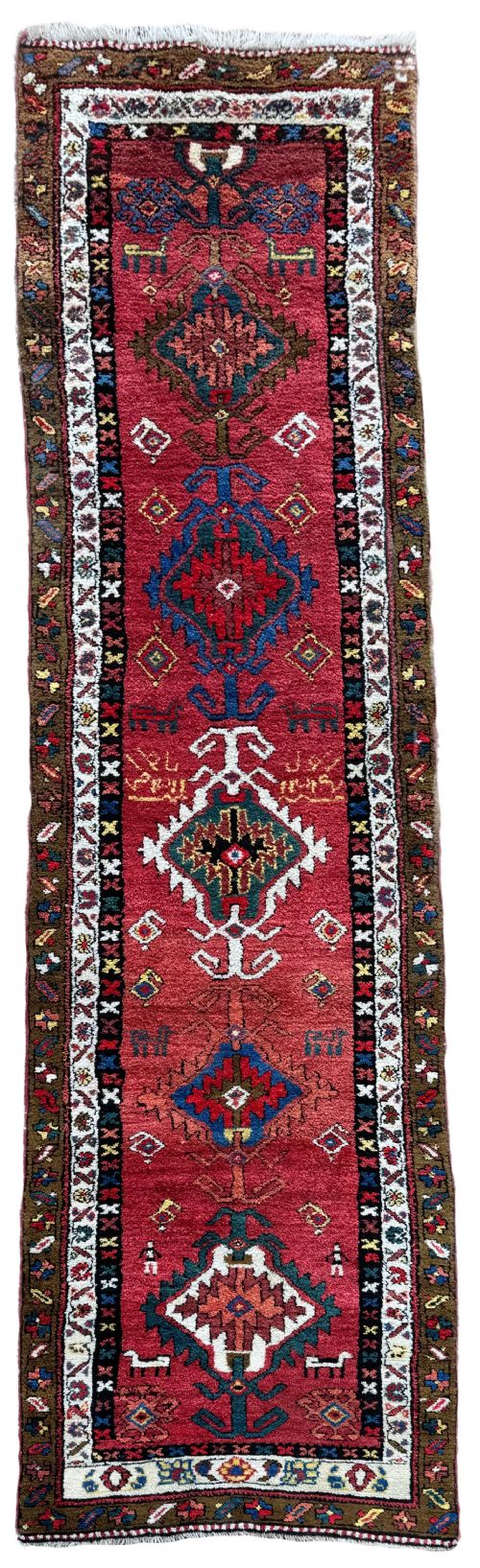
Traditional Geometric Persian Rug
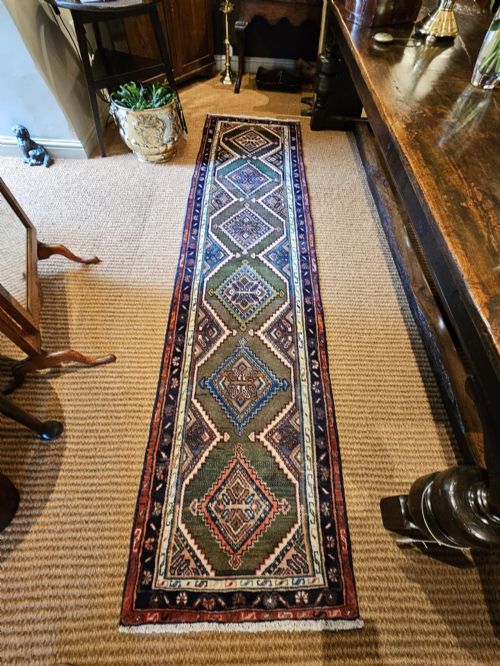
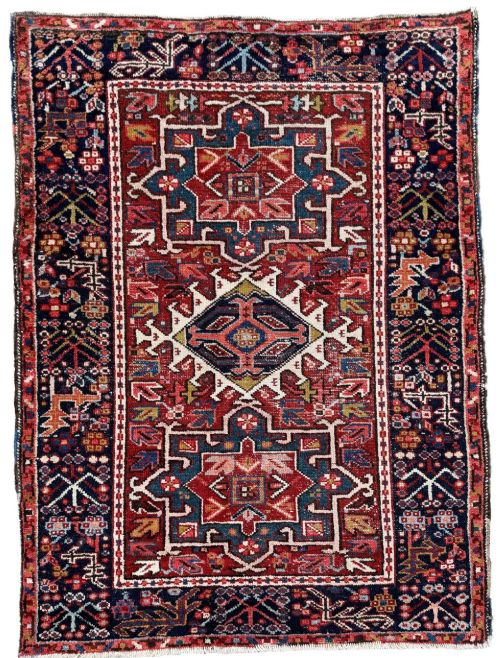
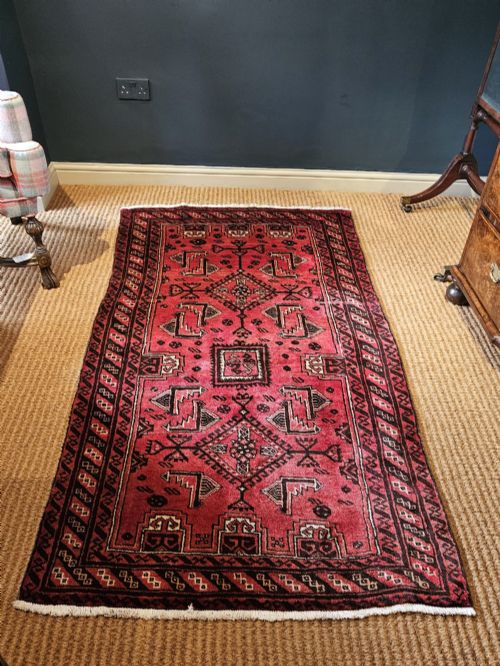
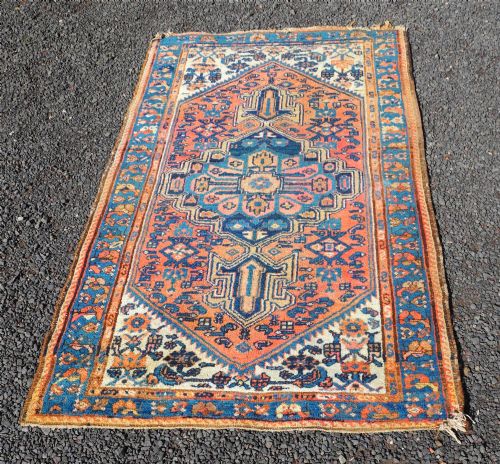
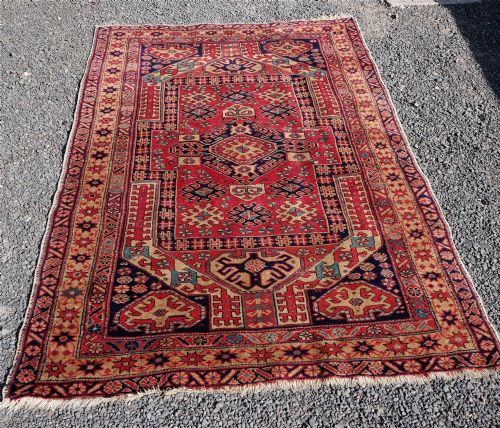
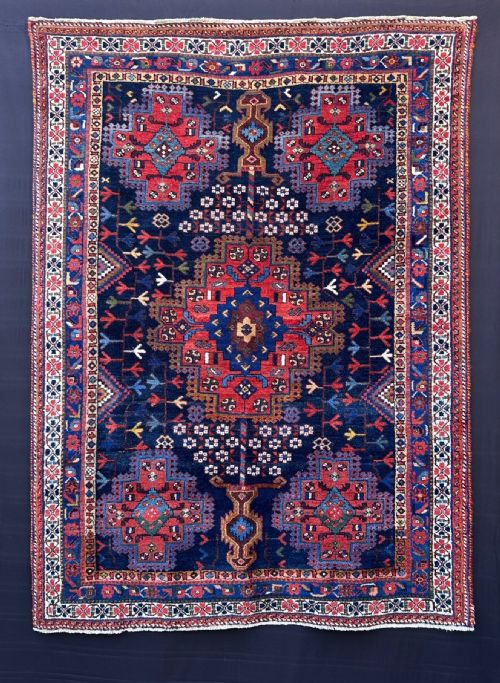
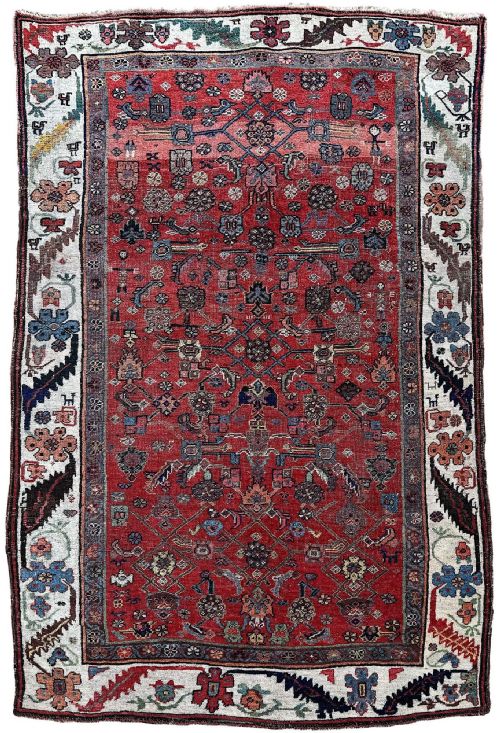
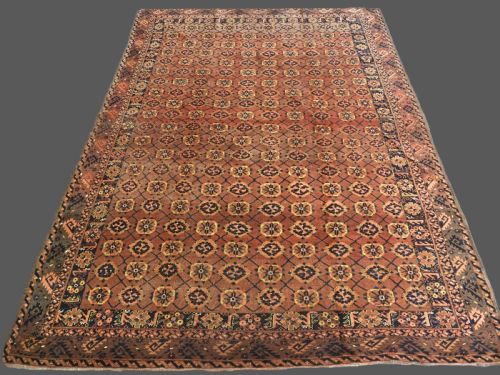
A traditional geometric persian rug brings structured tribal motifs and rich colour into a room.
Traditional Geometric Persian Rug
A traditional geometric persian rug sits among village and tribal carpets spanning the nineteenth and twentieth centuries. Buyers search for these pieces to anchor a room with medallion patterns, lattice layouts and repeating motifs.
The selections on this page lean heavily towards runner formats and area rugs originating from Heriz, Hamadan, Baluch and Khamseh traditions. These floor coverings bridge centuries of weaving heritage, moving from nineteenth century village pieces through to nineteen twenties formats.
How they were made
Weavers constructed these carpets using wool and pure wool foundations paired with cotton in many instances, alongside occasional camel hair. Hand knotted techniques dominated production, securing the pile firmly to withstand daily traffic in hallways and reception rooms.
Natural dyes provided the rich palette seen across the pieces, yielding warm reds, navy blues, olive greens and sky blue backgrounds. These colour compounds settle into the wool fibres over decades, developing a characteristic soft maturity.
Materials appearing across the inventory include pure wool, standard wool, cotton and camel hair.
What varies in quality
Quality rests upon the crispness of the geometric drawing and the balance of the central medallion within the field. Stronger examples display purposeful knotting density and clear, saturated dye lots that hold their presence across large floor spaces.
Condition and scale dictate the distinction between standard room size carpets and grander formats like long runners or large Heriz carpets. The integrity of the wool pile and the survival of the original outer borders determine the enduring strength of each rug.
Heriz·Khamseh·Hamadan·Baluch·Afshar
The Traditional Geometric Persian Rug Glossary
- Heriz
- A style originating from North West Persia known for bold geometric medallions and robust structural wool. These carpets often feature substantial corner spandrels.
- Hamadan
- A designation covering numerous weaving villages in western Persia producing durable runners and rugs. They frequently employ camel hair and distinctive repeating field patterns.
- Runner
- A long, narrow carpet format designed primarily for hallways and corridors. These pieces balance linear room proportions with repeating motifs.
- Natural Dyes
- Colourants derived from plant and mineral sources prior to widespread synthetic introduction. They create nuanced tonal variations across the wool pile.
- Medallion
- A central ornamental design motif placed in the field of a rug. It anchors the surrounding geometric layout and tribal patterns.
Traditional Geometric Persian Rug: Frequently Asked Questions
Where should I place a long runner rug?
Runners suit narrow spaces such as hallways, corridors and galley kitchens where floor protection and linear interest matter.
Their elongated proportions guide the eye through domestic architecture while offering a dense wool cushion underfoot.
How do I identify a Heriz carpet?
Heriz carpets display bold, architectural geometric medallions supported by heavy corner spandrels and sturdy wool foundations.
The drawing tends to be more rigid and graphic compared to curvilinear city carpets.
Are these rugs suitable for high traffic areas?
Traditional village and tribal rugs were built for heavy domestic use using sturdy wool and dense hand knotted piles.
Placing an appropriate underlay beneath the carpet helps protect the foundation fibres from premature wear.
What indicates natural dyes in older carpets?
Natural dyes present subtle tonal shifts known as abrash, where colour gently varies across the wool field due to small dye lot batches.
These variations give vintage pieces depth and visual movement under changing room light.