


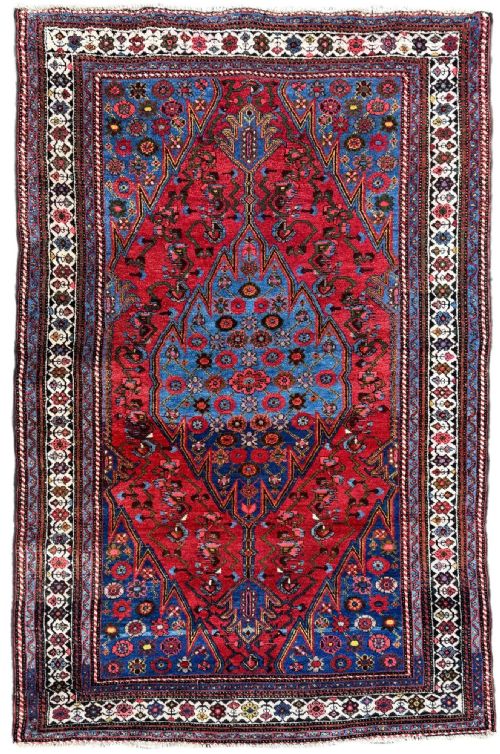
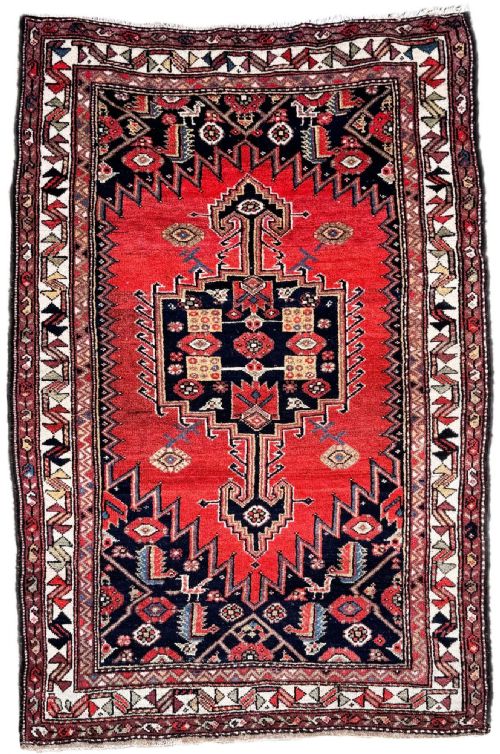
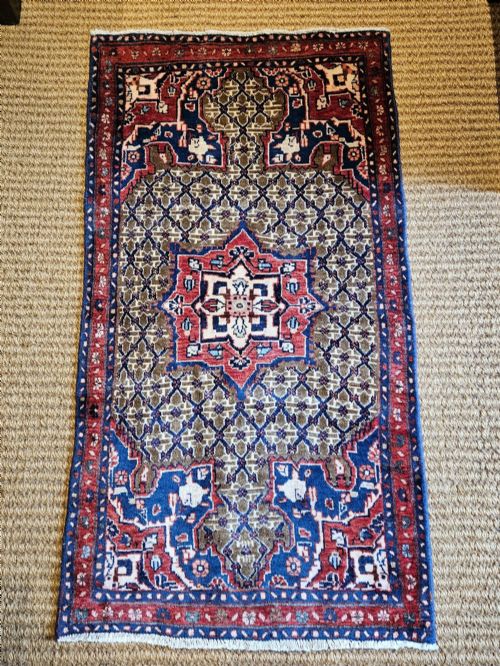
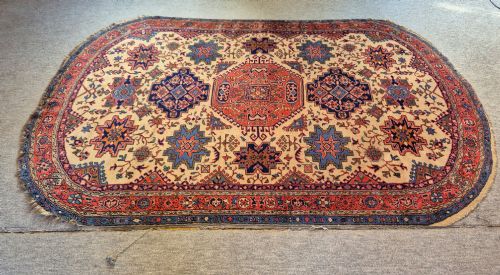
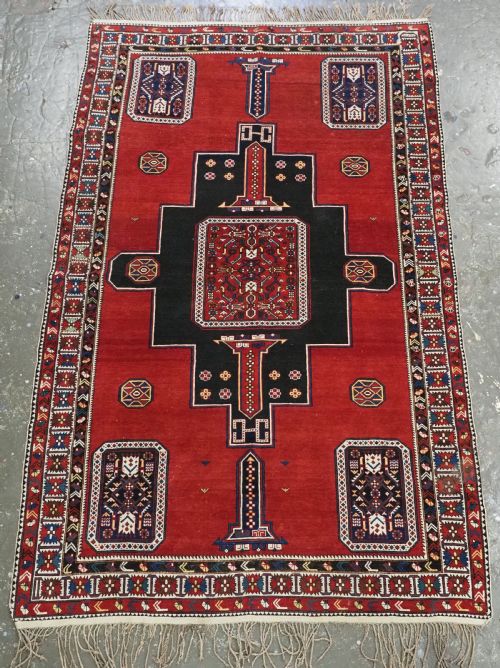
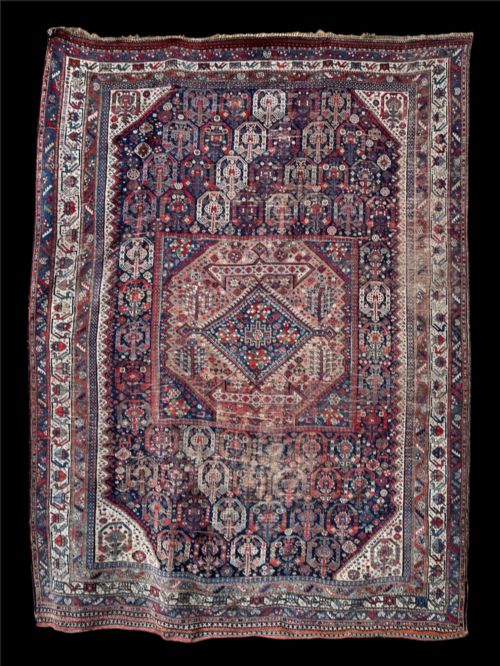
Geometric Medallion Area Rug
A geometric medallion area rug brings centuries of tribal weaving and structured design directly to your floor.
Geometric Medallion Area Rug
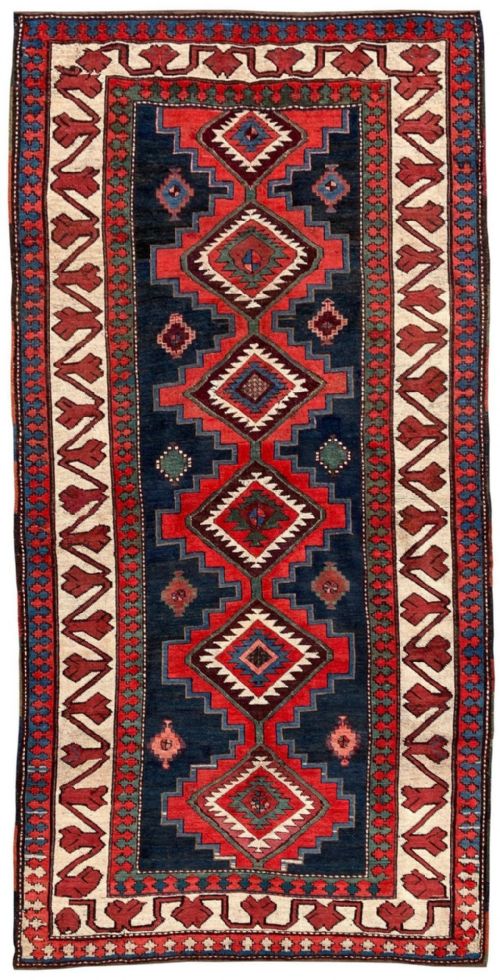
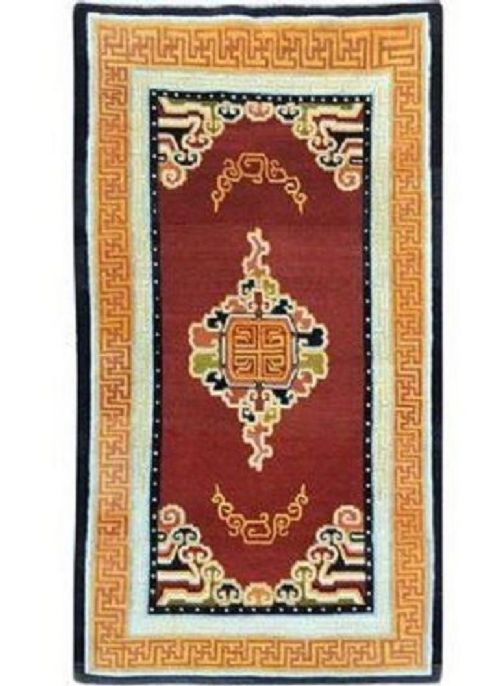
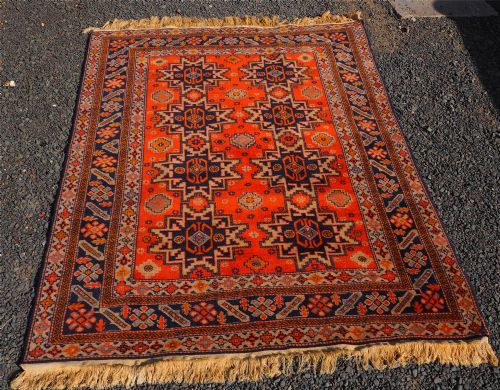
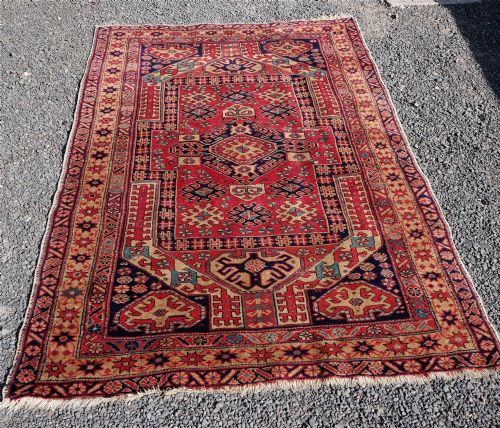
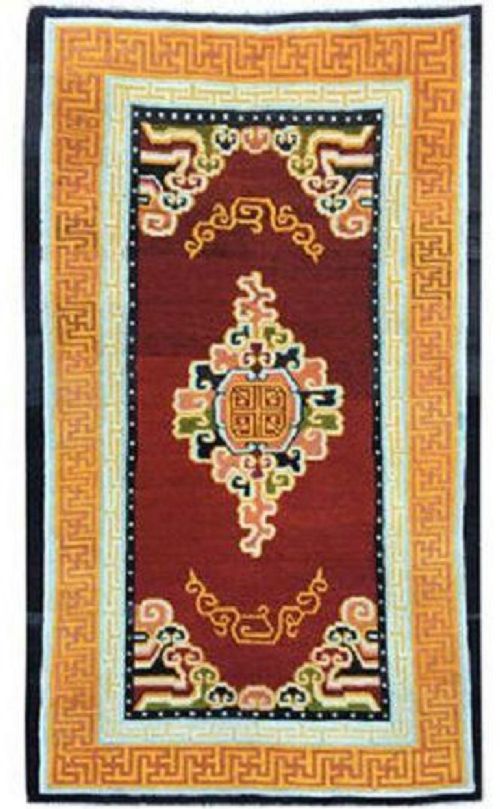
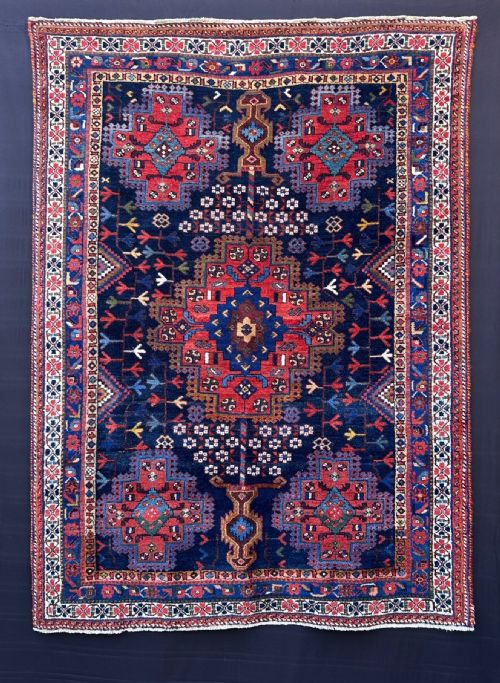
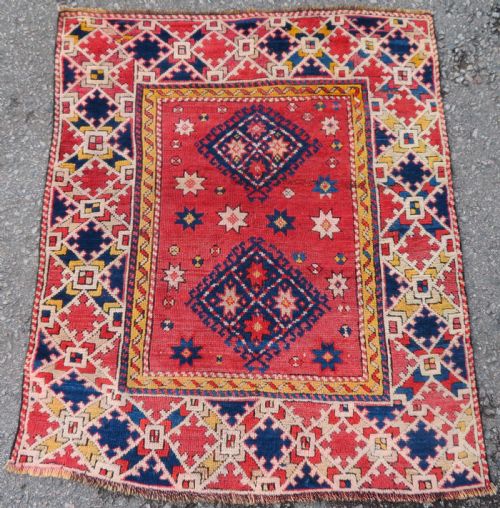
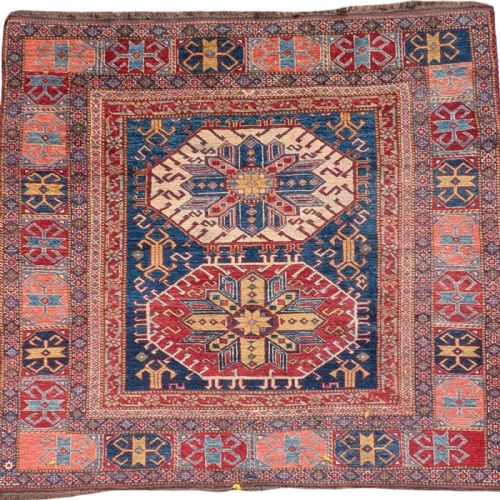
A geometric medallion area rug centres on a prominent central motif, drawing the eye with repeating angular patterns and tribal designs. These floor coverings emerge from various regional traditions, spanning Persian, Caucasian, Anatolian, and Tibetan workshops.
Most examples encountered on this page originate from the late nineteenth century through to the mid-twentieth century. Buyers find everything from small hearth sized floor coverings to large carpets suited for principal reception rooms.
Makers utilised distinct regional wools and traditional knotting techniques to establish durable structures. The resulting pieces demonstrate significant variety in scale, palette, and tribal ornamentation.
Materials and construction methods
Weavers constructed these pieces predominantly using hand-spun wool for the pile, foundations, and fringes. Certain regional examples incorporate camel wool alongside standard sheep wool to create natural tonal variations within the field.
Craftspeople tied individual knots by hand onto cotton or wool warp threads, securing the rows with horizontal weft threads. This labour-intensive process produced dense, resilient floor coverings capable of enduring decades of daily foot traffic.
Geometric Medallion Area Rug Retail Price Guide 2026
Typical asking prices for geometric medallion area rug among the pieces listed under this phrase on Sellingantiques today, from the lower quarter to the upper quarter. They describe what is for sale here now, not the wider market.
Listings feature pieces dated across the nineteenth and twentieth centuries, utilising wool, cotton, and camel wool.
Factors determining quality
Knot density and structural tightness dictate the longevity and definition of the central pattern. Higher knot counts permit crisper lines within the angular motifs and sharper contrast across the field.
The purity and saturation of the dyestuffs greatly influence the visual depth of the pile. Finer examples display harmonious secondary tones that mature gracefully as the wool ages.
The Geometric Medallion Area Rug Glossary
- Medallion
- The central ornamental design dominating the field of the rug. This geometric focal point often mirrors the corner spandrels.
- Warp
- The vertical foundation threads stretched tightly on the loom before knotting begins. Weavers tie the pile yarn directly around these parallel strings.
- Weft
- The horizontal threads passed back and forth across the warp strings after each row of knots. This element binds the structure firmly together.
- Pile
- The upright cut wool fibres forming the usable surface of the carpet. The height and density of this layer affect both texture and durability.
- Spandrel
- The triangular corner sections situated in the corners of the main field. These areas frequently echo the motifs found within the central medallion.
Geometric Medallion Area Rug: Frequently Asked Questions
How do I clean an antique rug?
Gentle surface brushing and regular light vacuuming without a beater bar remove loose dust safely. Professional specialist cleaning remains essential for deep maintenance to protect fragile wool fibres.
Water saturation and harsh chemical detergents damage natural dyes and weaken historical cotton foundations. Consult a specialist experienced in handling antique textiles before attempting any wet treatment.
Where should I place these rugs?
These pieces suit low-traffic living areas, studies, or bedrooms where excessive wear is minimised. Positioning them away from direct, harsh sunlight prevents premature fading of natural wool dyes.
Using a quality underlay prevents slipping and cushions the foundation against hard flooring. This simple addition reduces friction between the backing and the floorboards.
How do I identify regional styles?
Regional attribution relies on examining specific border arrangements, colour palettes, and structural stiffness. Caucasian pieces often display sharp, highly geometric motifs while Persian Heriz carpets feature bolder, larger-scale medallions.
Fringe construction and selvage finishes also offer clues to the specific weaving group or province. Comparing knot types helps confirm whether a piece originates from nomadic or village workshops.
Do antique rugs shed wool?
Minor shedding occurs naturally in older wool rugs, particularly when newly placed or subjected to regular walking. This settling process stabilizes over time as loose fibres work free from the pile.
Excessive loss of pile indicates structural wear or dry rot within the foundation threads. Regular gentle maintenance keeps the remaining wool intact without stressing the aged knots.