
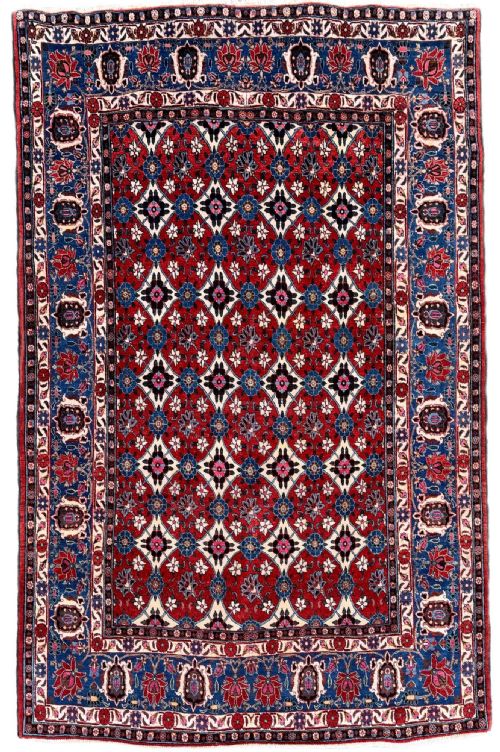
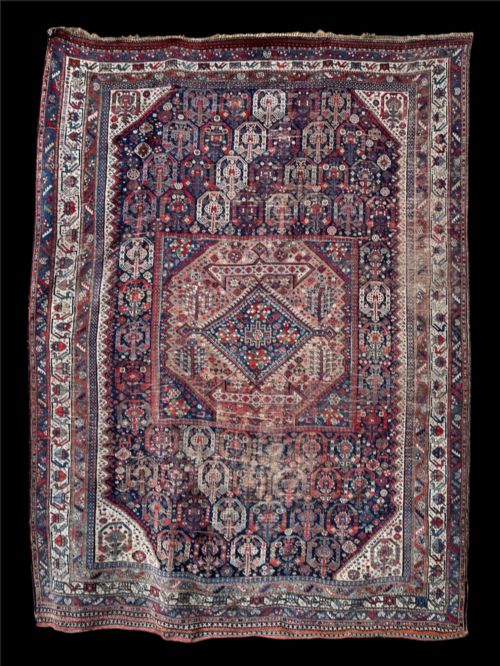
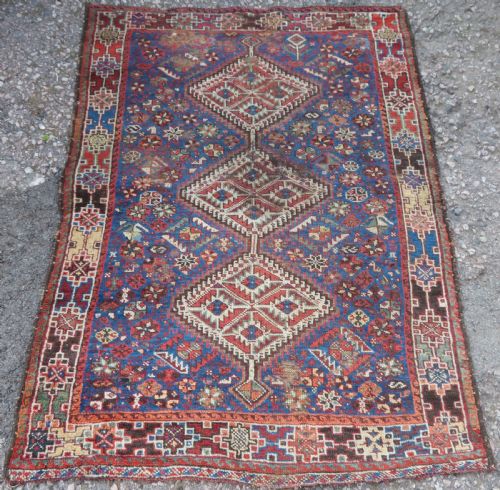
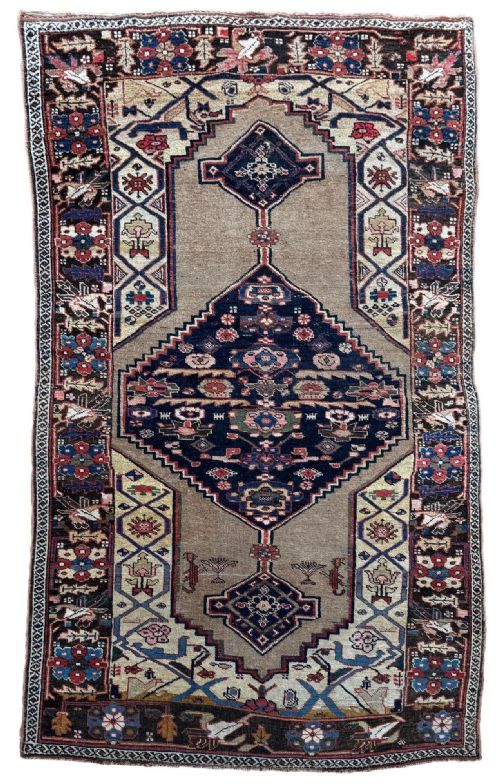




Indigo Blue Area Carpet
These indigo blue area carpets are hand-knotted tribal and village floor coverings originating from nineteenth and early twentieth-century workshops and nomadic groups.
Indigo Blue Area Carpet
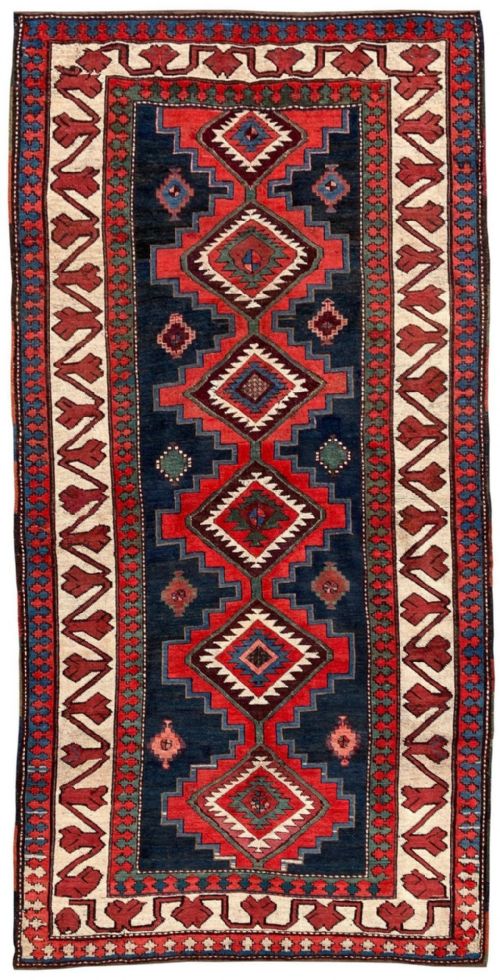
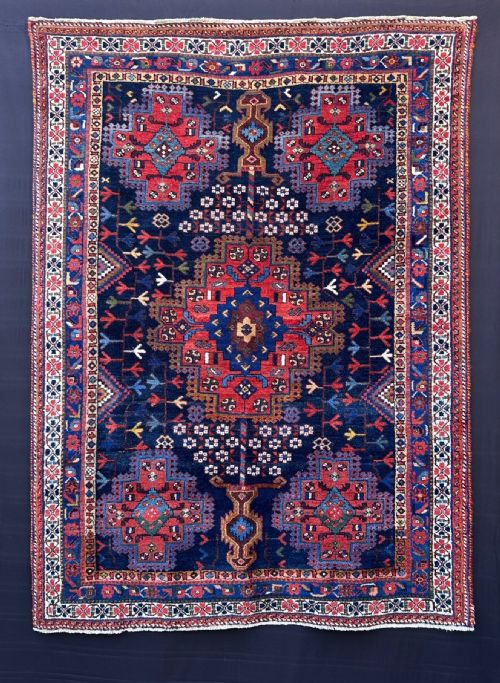
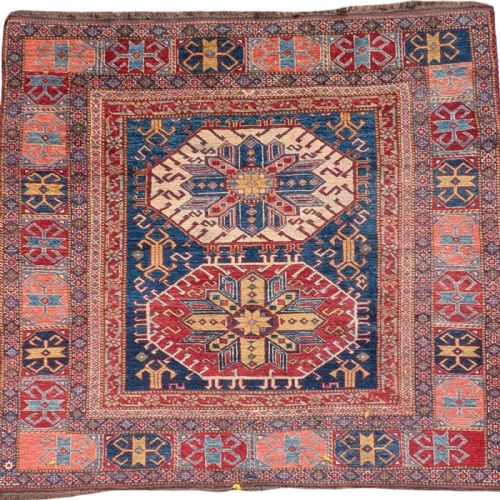
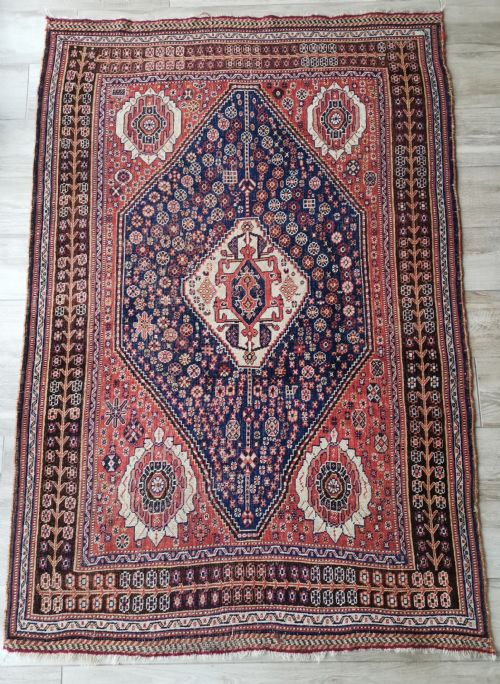
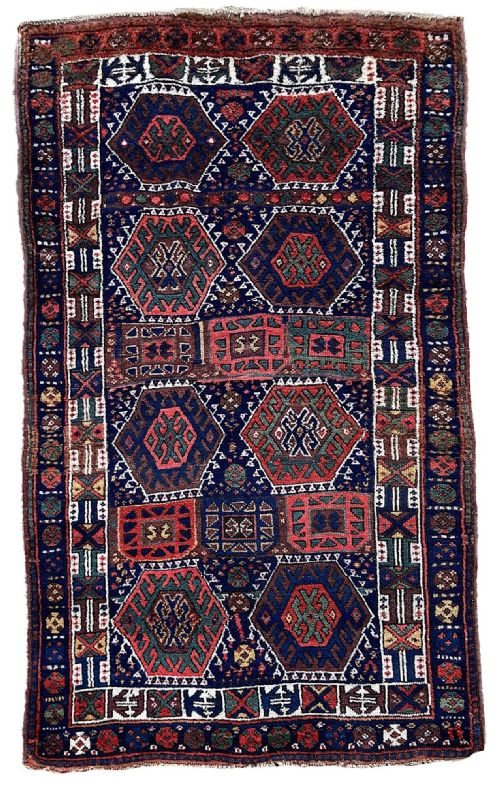
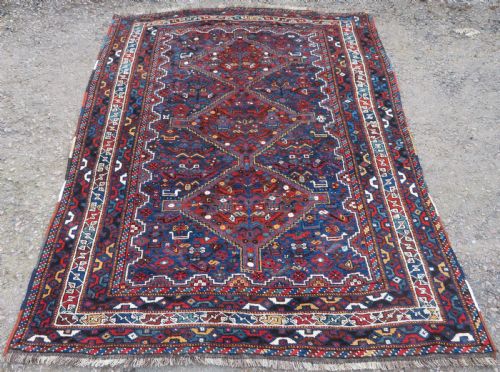
When you search for an indigo blue area carpet, you encounter hand-knotted floor coverings spanning the nineteenth and early twentieth centuries. These pieces emerge predominantly from Persian tribal weavers, Caucasian village workshops, and regional centres such as Afshar, Khamseh, and Kazak.
The selection on this page centres heavily on antique Persian and Caucasian formats, including room-size carpets, smaller mats, and runners. Tribal weaving groups produced these textiles for domestic use or regional trade, resulting in diverse geometric and medallion designs executed in deep blue tones.
How they were made
Weavers utilised natural dyes derived from plants, paired with hand-spun wool for the pile, to achieve deep indigo hues. Cotton foundations provide structural stability in many examples, while certain nomadic pieces incorporate goat hair for added durability along the selvedges.
The construction relies on symmetrical or asymmetrical knotting tied onto warp and weft threads assembled on horizontal or vertical looms. Artisans integrated local wool qualities and traditional regional motifs into each textile, creating varied pile densities across different tribal groups.
Certain early Kazak carpets throw in small floating chickens and wandering turquoise ducks just to keep the geometry honest.
What varies in quality
The sophistication of the natural dye palette and the depth of the indigo colouration separate standard village pieces from finer tribal examples. Subtle variations in tone, achieved through skilled vat-immersion techniques, signal superior dye work.
Knot density and the precision of the geometric or figurative drawing dictate the structural refinement of the weaving. Tighter knotting and balanced proportions across the field reflect greater technical proficiency by the weaver.
The Indigo Blue Area Carpet Glossary
- Medallion
- A central ornamental motif positioned in the middle of the carpet field. This design element often dictates the geometric symmetry of tribal and village rugs.
- Boteh
- A stylised floral or almond-shaped motif representing a-seed or sprout. Weavers frequently repeat this pattern across the field of Afshar and Persian tribal carpets.
- Warp
- The stationary vertical threads stretched onto the loom before knotting begins. These parallel threads form the structural skeleton of the carpet.
- Weft
- The horizontal threads passed across the warp strands to secure the knots in place. Beating the weft down firmly determines the compactness of the weave.
- Selvedge
- The finished side edges of a carpet formed by wrapping or reinforcing the outermost warp threads. This finishing prevents the edges from fraying.
Indigo Blue Area Carpet: Frequently Asked Questions
How do I clean an antique carpet?
Surface dirt is best managed through gentle suction using a vacuum cleaner without a rotating brush.
Professional specialist washing is recommended for deeper cleaning to protect natural wool pile and traditional dyes.
Where were these carpets made?
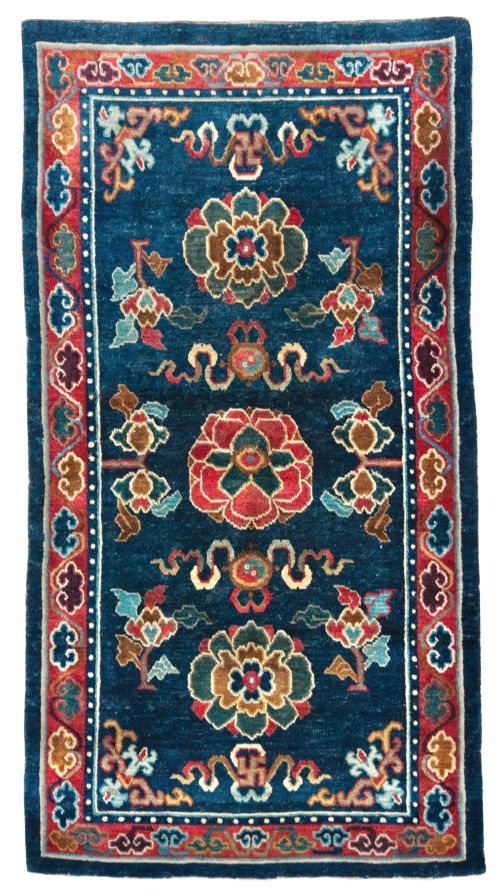
These textiles originate from regions spanning Persia, the Caucasus, and surrounding territories including Afghanistan and Tibet.
Nomadic tribes and settled village communities produced them using locally sourced materials and traditional weaving methods.
Are natural dyes used in these?
Many nineteenth and early twentieth-century pieces rely on plant-based colourants, notably indigo for deep blues.
These natural dyes create subtle tonal variations and patination as the wool ages over decades of use.
How do I date a carpet?
Dating relies on stylistic analysis of the motifs, structural characteristics, and material composition.
Comparing regional knotting techniques and dye palettes against known examples helps narrow down the period of production.