





Rustic Oriental Area Rug
These rustic oriental area rugs bring grounded tribal character and rich wool texture into modern interiors.
Rustic Oriental Area Rug
A rustic oriental area rug provides a grounding tactile foundation for a room, drawing on long traditions of village and nomadic weaving. These floor coverings bridge formal design and tribal freedom, bringing authentic history straight to your floorboards.
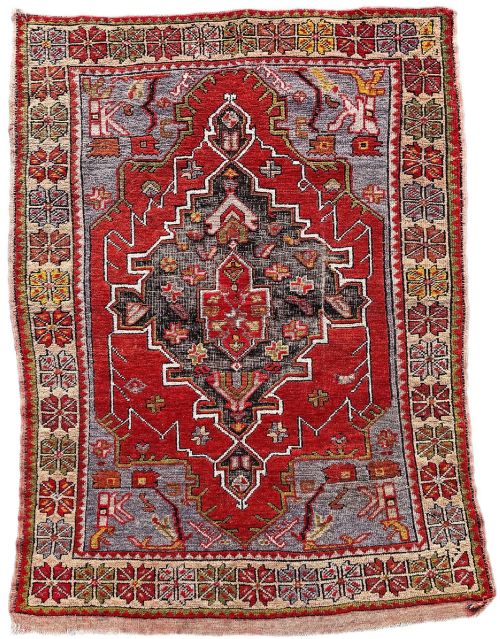
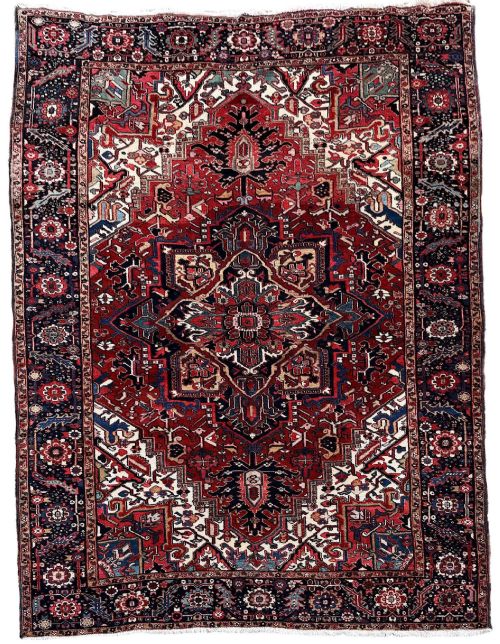
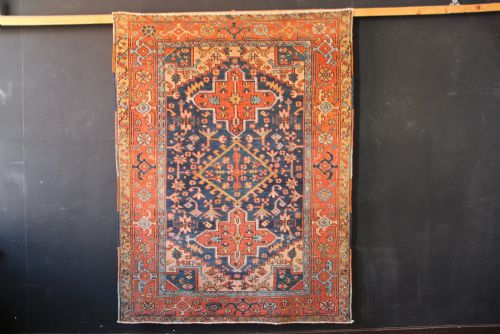
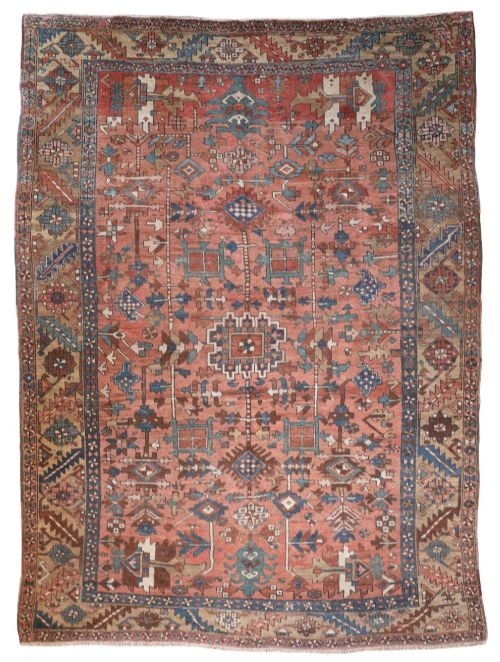
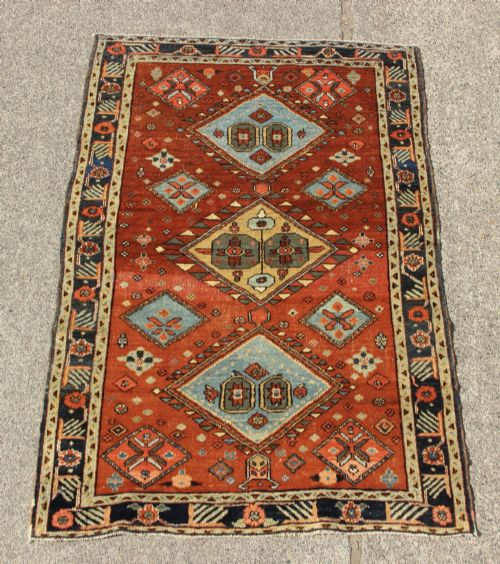
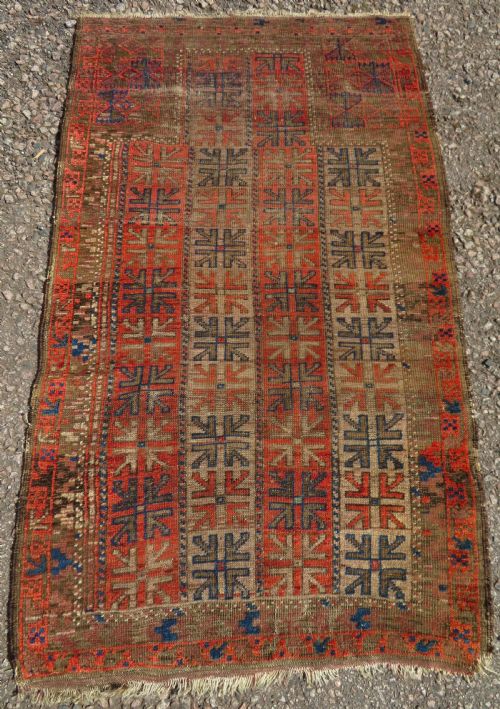
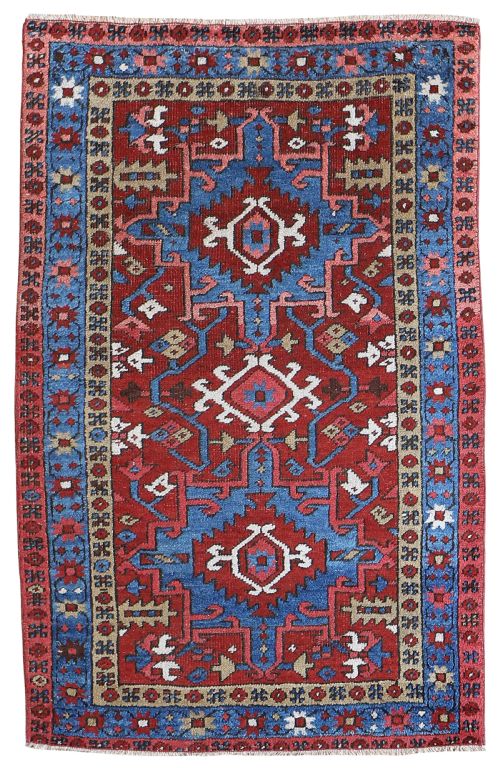
The selections available here lean heavily into Persian Heriz weaves, Anatolian village pieces, and Baluch tribal formats. You will frequently encounter room-sized carpets alongside smaller prayer mats and runner dimensions.
Originating largely from the late nineteenth century through to the early decades of the twentieth century, these textiles carry authentic signs of village life and regional craftsmanship. Each rug tells a distinct story through geometry, symbolism, and wear.
Assessing quality and character
Quality rests upon the integrity of the wool, the tension of the weave, and the clarity of the regional design. Tightly packed knots and resilient pile distinguish superior village carpets from looser, more fragile examples.
The depth and vibrancy of the natural dyes dictate visual success, separating flat, muddy compositions from rich, luminous surfaces. Surviving structural soundness across the edges and foundation matters far more than cosmetic perfection.
Rustic Oriental Area Rug Retail Price Guide 2026
Typical asking prices for rustic oriental area rug among the pieces listed under this phrase on Sellingantiques today, from the lower quarter to the upper quarter. They describe what is for sale here now, not the wider market.
Several rugs retain the stray hairs of hardworking camels woven directly into the pile, adding genuine nomadic charm.
Quchan Kurds·Baluch Salar Khani
The Rustic Oriental Area Rug Glossary
- Warp
- The stationary vertical foundation threads stretched tightly on a loom before weaving begins. All subsequent knots and horizontal wefts wrap around these structural elements.
- Kilim
- A flatwoven textile produced without a raised pile by tightly interweaving warp and weft strands. These pieces function well as lightweight floor coverings or wall hangings.
- Prayer rug
- A small format textile featuring a distinct mihrab or niche design used historically for daily devotional rituals. Their compact proportions suit placement beside beds or in smaller spaces.
- Medallion
- A central ornamental motif dominating the field of the rug, often geometric or floral in origin. It anchors the entire compositional geometry of the textile.
Rustic Oriental Area Rug: Frequently Asked Questions
How do I clean an antique village rug?
Gentle surface vacuuming without the rotating beater bar prevents dust accumulation within the wool pile. Professional specialist cleaning remains essential for deep restoration.
Avoid harsh chemical detergents or soaking the cotton foundation entirely with water. Proper drying prevents dye migration and structural shrinkage.
Will these rugs suit modern living rooms?
Their grounded earth tones and geometric motifs pair effortlessly with contemporary or minimalist furniture arrangements. The weathered patinas soften harsh architectural lines.
Placing a secure underlay beneath the carpet prevents slipping on smooth wooden or tiled floors. This adds cushioning while preserving the fragile antique foundation.
How do I identify a Heriz carpet?
Heriz carpets feature bold, large-scale geometric medallions anchored by robust corner spandrels. The wool tends to be heavy and dense to withstand generations of floor traffic.
Palettes often combine terracotta rust tones with deep indigos and ivories. Their structural toughness sets them apart from finer urban Persian weaving styles.
What defines a Baluch tribal rug?
Baluch pieces typically appear in smaller formats with deep, dark indigo and madder red colour schemes. Artisans often incorporated camel wool for natural tactile variation.
Nomadic weavers utilised geometric repeating patterns derived from tribal memory rather than fixed paper cartoons. Their rustic charm reflects generations of portable loom traditions.