
Tall Wooden Plant Pedestal
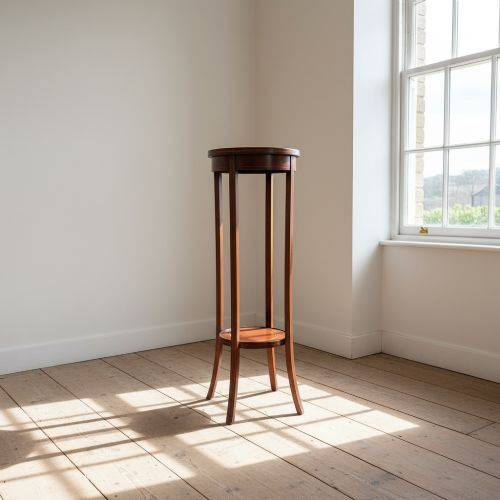
A tall wooden plant pedestal elevates a pot to catch the light, bringing height and form to a room.
Tall Wooden Plant Pedestal
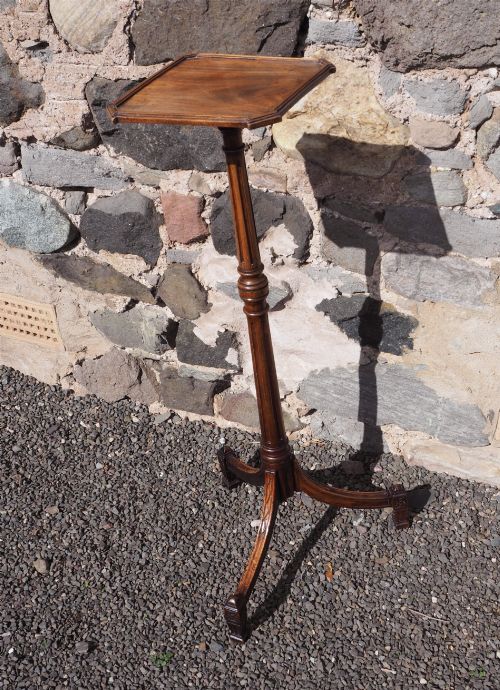
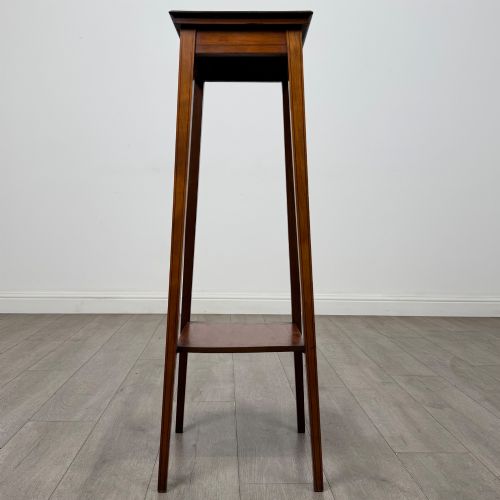
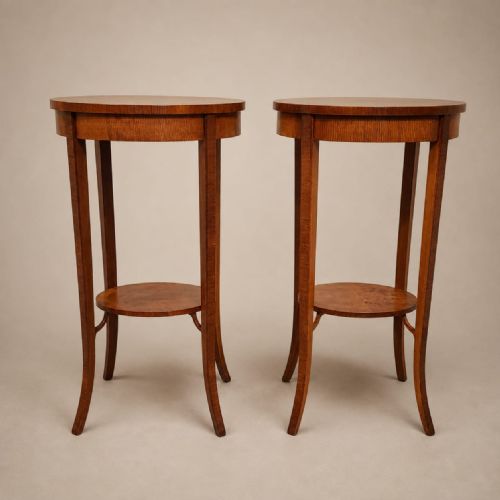
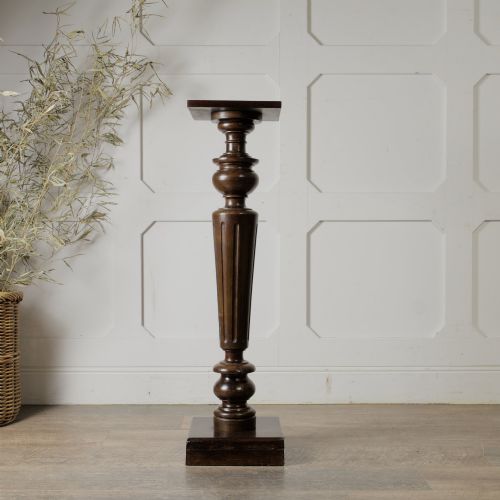
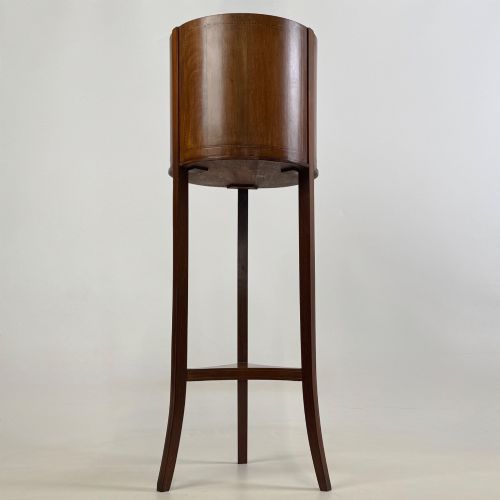
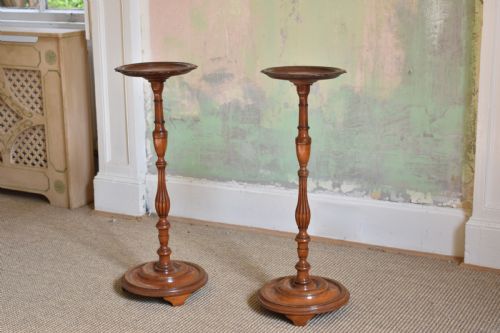
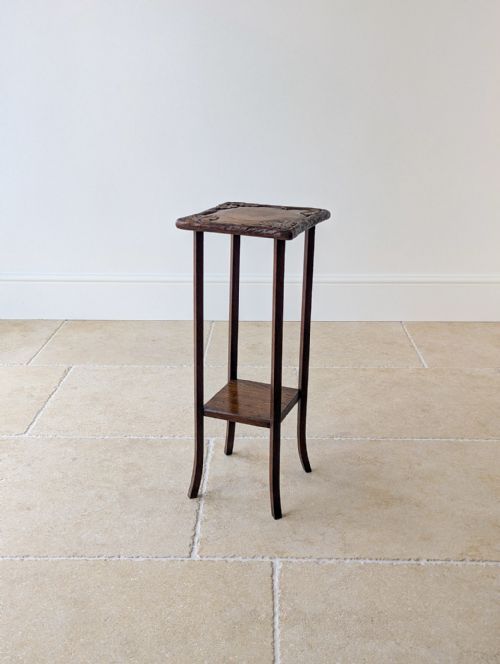
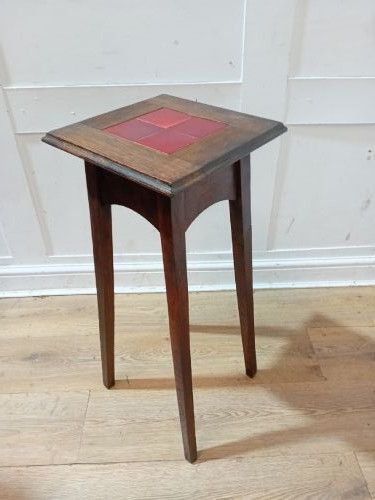
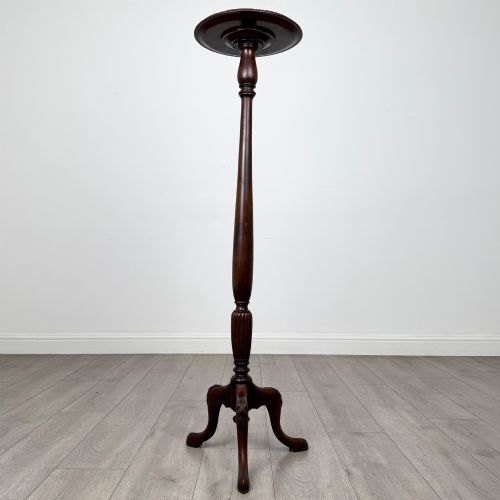
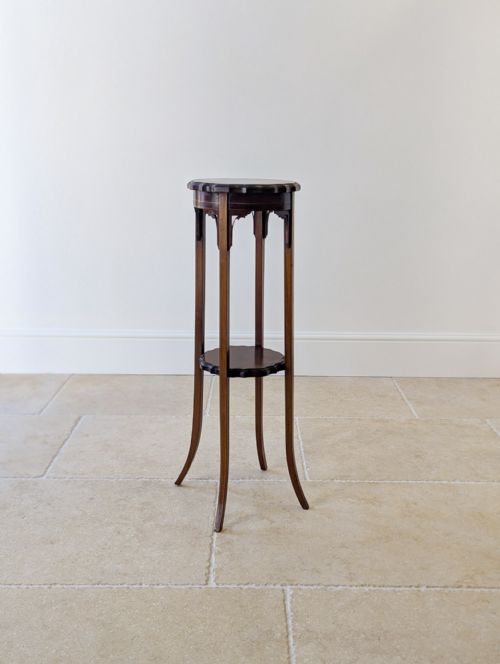
A tall wooden plant pedestal serves as an elevated stage for greenery, urns, and decorative objects, lifting them from the floor to create visual interest in a room. When searching for a tall wooden plant pedestal, buyers encounter forms ranging from slender torchere stands and carved columns to tiered plant stands and multi-purpose tables.
The selection on this page draws from centuries of cabinetmaking, spanning Georgian, Victorian, Edwardian, and later periods. Mahogany, walnut, and oak dominate the offerings, often complemented by brass details, ebonised finishes, or satinwood inlay.
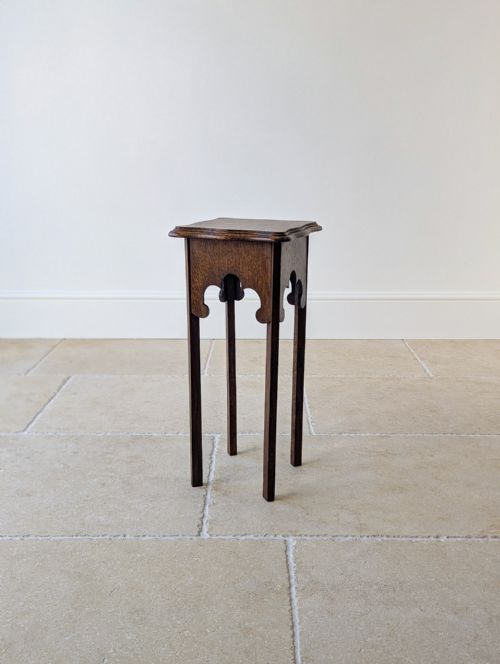
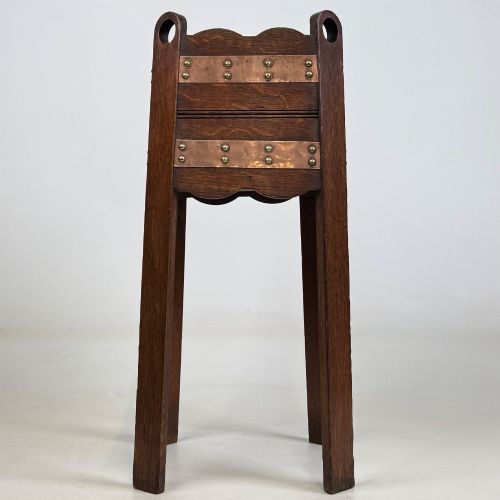
Many pieces double as torcheres or lamp tables, reflecting how historical furniture served varied domestic roles. Buyers find sturdy arts and crafts designs alongside ornate French chateau styles and Chinese traditional forms.
Materials and construction methods
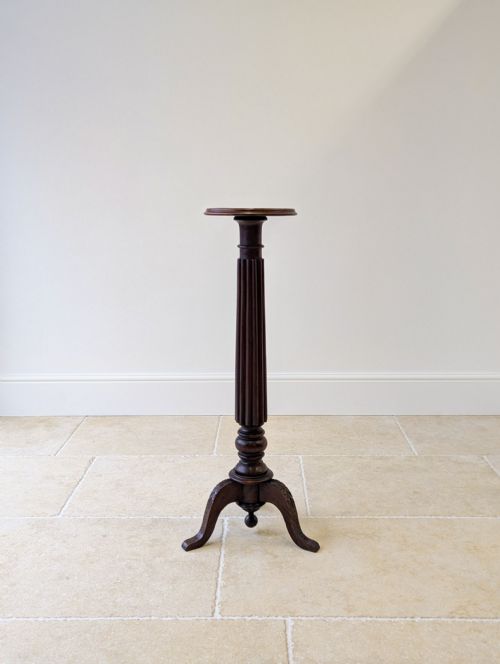
Cabinetmakers utilised hardwoods such as mahogany, walnut, and oak for structural stability and fine grain. Turned pillars, carved columns, and tripod bases provide the necessary weight and balance to support heavy pots and stone or marble tops.
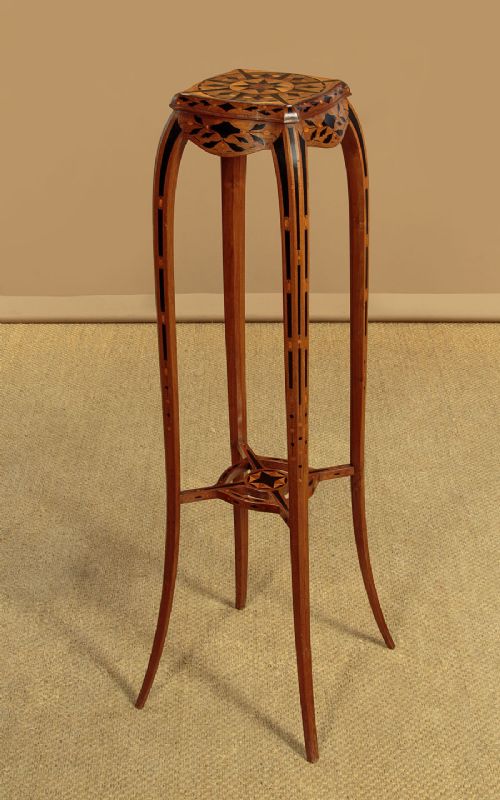
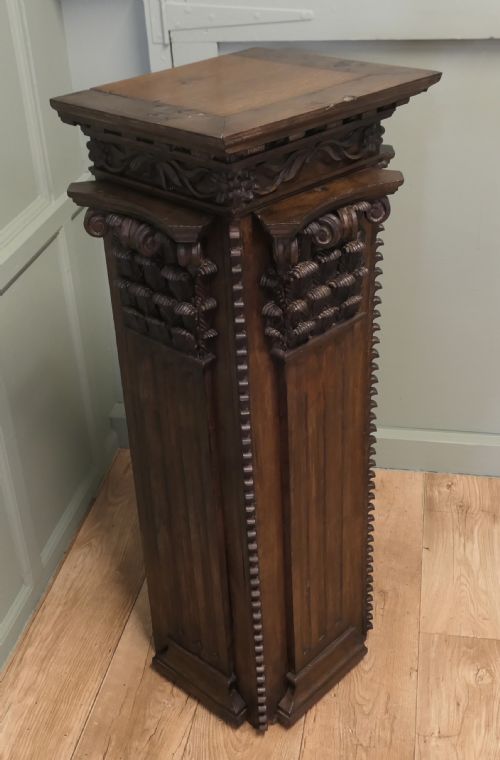
Detailing often involved satinwood inlay, ebonised surfaces, and hand-carved motifs that demonstrated the maker's skill. Joinery techniques ensured that slender vertical shafts remained rigid and secure over decades of use.
Tall Wooden Plant Pedestal Retail Price Guide 2026
Typical asking prices for tall wooden plant pedestal among the pieces listed under this phrase on Sellingantiques today, from the lower quarter to the upper quarter. They describe what is for sale here now, not the wider market.
Some tall stands doubled as miniature stages for stuffed birds and taxidermy busts before plants took over the job.
Distinctions in craftsmanship
Quality rests in the harmony of proportion and the integrity of the timber used for the shaft and base. A superior tall wooden plant pedestal displays crisp hand-carving, tightly fitted joints, and timber selected for rich grain and colour.
Lesser examples rely on mass-produced turnings or simpler veneers that lack depth and resilience. The weight distribution between the top platform and the feet dictates whether a tall piece stands firmly without wobble.
Druce & Co London·Shoolbred·Liberty of London
The Tall Wooden Plant Pedestal Glossary
- Torchere
- A tall, slender stand originally designed to hold a candle or lamp. These pieces often feature circular tops supported by carved columns or tripod legs.
- Jardiniere stand
- A specialised piece of furniture built to hold a plant container or flower box. They frequently incorporate waterproof linings or recessed tops.
- Inlay
- A decorative technique where contrasting woods, such as satinwood, are inserted into recessed portions of the base material to create patterns.
- Plinth
- The lowest part or base of a column or pedestal that provides stability. It rests directly on the floor to anchor the vertical structure.
Tall Wooden Plant Pedestal: Frequently Asked Questions
How were these stands used historically?
These pieces placed potted plants, vases, and sculptures near windows to catch sunlight or in corners to fill empty vertical space. They also held candles or oil lamps to illuminate dark rooms before electric lighting.
Over time, wealthy households utilised them to display exotic specimens, decorative art, and personal collections at eye level.
How do I choose the right height?
Consider the scale of the room and the object placed on top. Taller columns work well in spaces with high ceilings, while shorter stands suit standard room dimensions.
Ensure the top platform matches the base diameter of your pot or urn to maintain balance and visual proportion.
Can these stands support heavy pots?
Solid hardwood construction, particularly in mahogany, oak, and walnut, provides strong structural support for heavy ceramic or stone vessels. Tripod bases and weighted plinths offer added stability against tipping.
Lighter occasional tables and inlaid stands function best with medium-weight ceramic or brass planters rather than massive stone urns.
How do I care for antique wood?
Keep wooden surfaces away from direct heat sources and strong sunlight to prevent the timber from drying out or fading. Regular dusting with a soft, dry cloth preserves the polished finish.
Applying occasional appropriate wax maintains the moisture and natural sheen of mahogany, walnut, and oak surfaces.