



Tall Rectangular Mirror
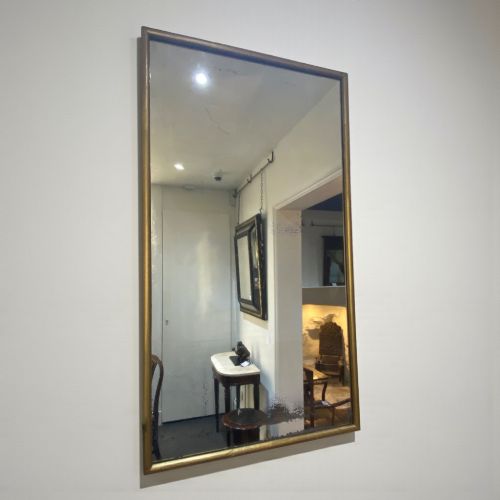
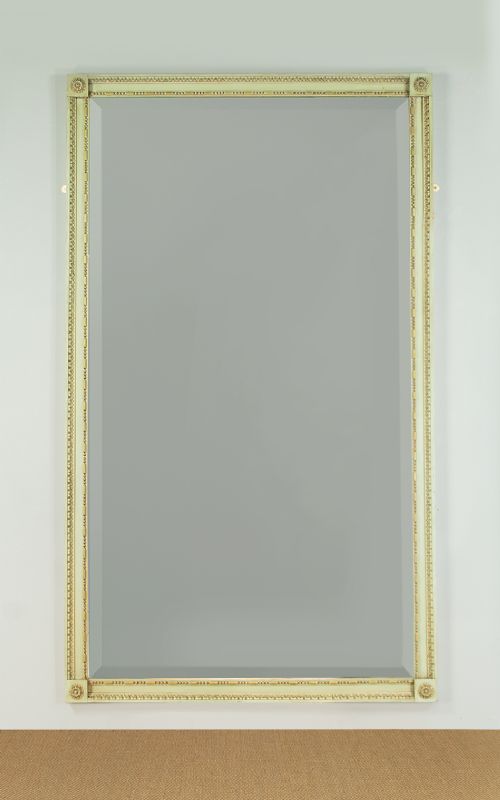
These tall rectangular mirror pieces bring vertical scale and reflected light into a room, drawn from nineteenth-century French, Edwardian, and Italian traditions.
Tall Rectangular Mirror
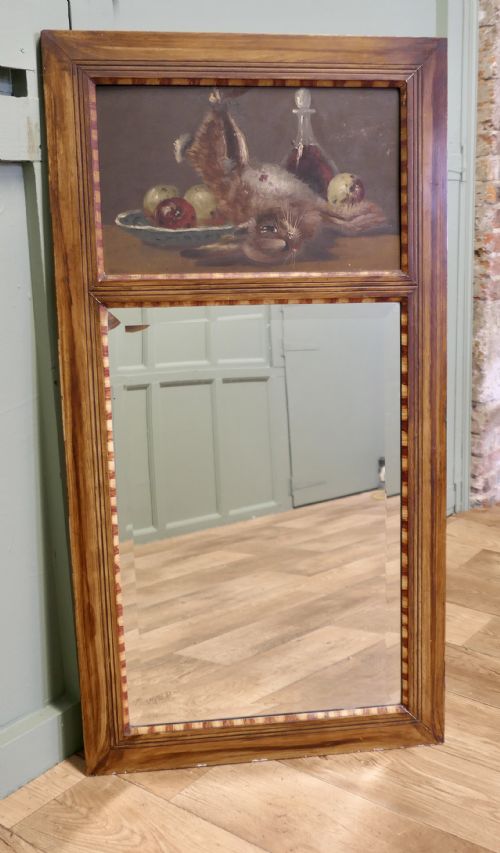
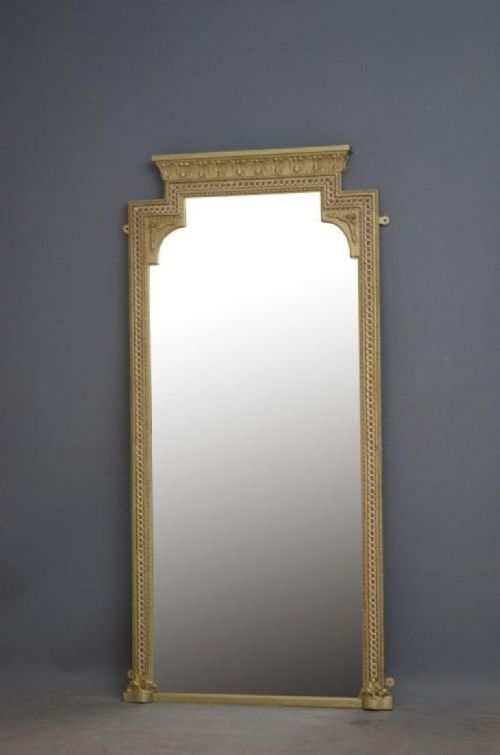
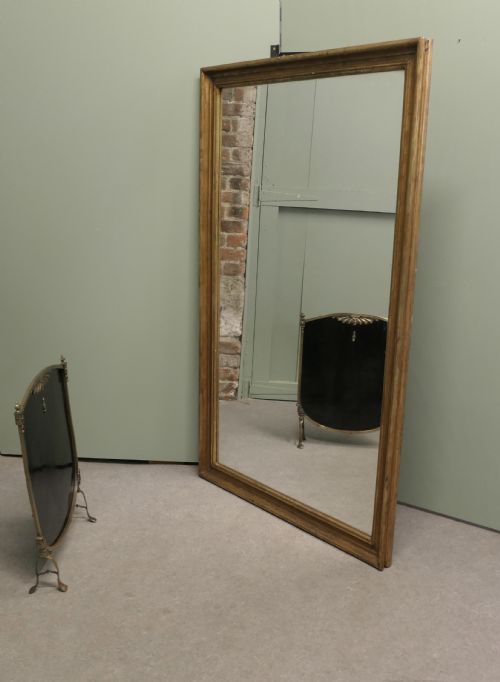
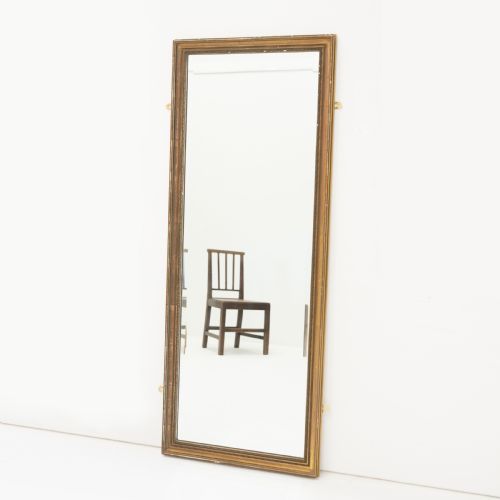
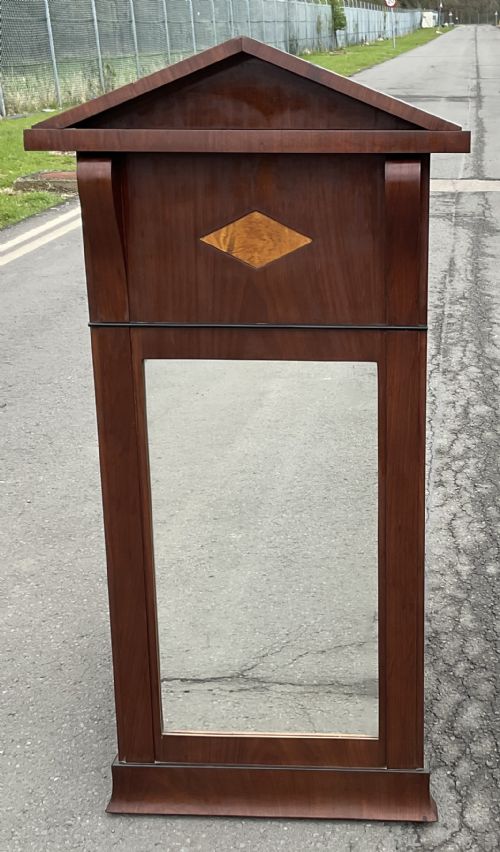
A tall rectangular mirror serves to elongate interior spaces, functioning primarily as a wall mirror, overmantel mirror, or full-length dressing piece. When searching for a tall rectangular mirror, buyers encounter numerous nineteenth-century French country trumeau designs, Edwardian wall pieces, and Italian neoclassical examples.
The selection ranges from substantial Victorian mahogany hall mirrors to early twentieth-century haberdashery shop pieces and French brass bistro mirrors. These vertical forms naturally draw the eye upward, making them practical additions to hallways, principal reception rooms, and bedrooms.
How they were made
Frames are constructed from timber such as mahogany, alongside carved wood and gesso finished with gilt, silver gilt, paint, or black framing. Many incorporate traditional joinery suited to supporting heavy glass plates within tall vertical proportions.
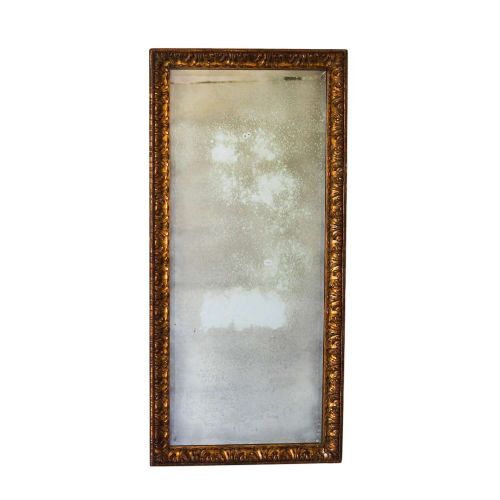
Glass plates include mirrored glass, original distressed plates, mercury mirror surfaces, and etched or engraved rectangular glass panels. Surface decoration frequently relies on applied gesso ornamentation, Vitruvian scroll framing, and hand-applied metallic leaf.
Current listings span the nineteenth century through the nineteen-thirties, featuring French, Italian, and British origins in wood, gesso, and glass.
What varies in quality
Quality reveals itself in the depth and crispness of carved wood and gesso ornament, where hand-finished details display sharper definition than simpler production pieces. The proportion between the frame moulding and the glass plate dictates the visual balance of the piece.
The condition of the glass plate itself alters the character of the object, distinguishing original distressed or mercury plates with genuine age from later replacements. Frame integrity, original surface treatments such as aged gilt or paint, and the presence of untouched backing materials further separate examples.
The Tall Rectangular Mirror Glossary
- Trumeau
- A decorative wall mirror or panel, often incorporating painted scenes or carvings above the glass plate. These French pieces were traditionally designed to hang between windows.
- Giltwood
- Timber that has been coated with fine gold leaf or gilt powder over a prepared gesso ground. It creates a luminous metallic finish characteristic of many period frames.
- Mercury mirror
- A type of mirror plate produced using a tin-mercury amalgam behind the glass, creating a characteristic mottled and deep reflective quality.
- Overmantel mirror
- A large horizontal or tall mirror specifically proportioned to hang above a fireplace mantelpiece. They often anchor the decorative scheme of a period room.
Tall Rectangular Mirror: Frequently Asked Questions
Where should I hang a tall mirror?
These pieces suit entrance hallways, above fireplace mantels, or as full-length dressing mirrors in bedrooms. Their vertical format helps bounce light into darker corners.
Ensure the wall construction safely supports the weight of timber and glass frames, particularly larger Victorian and Edwardian examples.
How do I date a mirror?
Dating relies on examining the frame materials, construction techniques, and the characteristics of the glass plate itself. Nineteenth-century pieces often show distinct hand-carved gesso details and older backing timbers.
Twentieth-century items may display simpler machine-planed mouldings or haberdashery shop fixtures from around nineteen-ten.
What is a trumeau mirror?
A trumeau is a traditional French architectural mirror format, often featuring an upper decorative panel paired with a tall lower glass plate. They were built to fit specific wall spaces between windows in period rooms.
This site's listings include nineteenth-century French country examples featuring carved wood and gesso.
How do I care for antique glass?
Clean the glass gently using a soft cloth and mild cleaning solutions, avoiding harsh chemicals that might seep behind the plate. Take care around original distressed or mercury surfaces to preserve their age.
Inspect the frame fixings periodically to ensure the heavy wooden and gesso structures remain securely hung.