
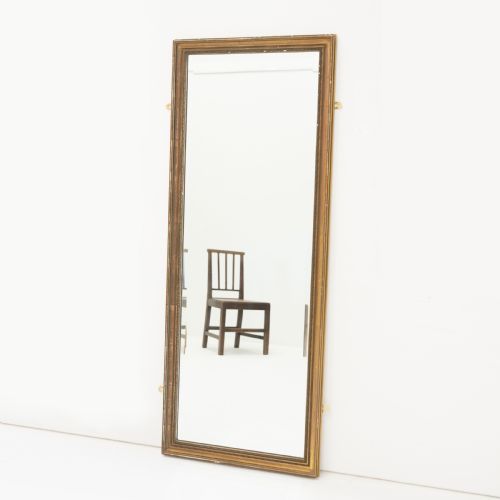


Hallway Full Length Mirror
A hallway full length mirror is a tall looking glass designed to anchor an entrance hall, combining practical use with architectural presence.
Hallway Full Length Mirror
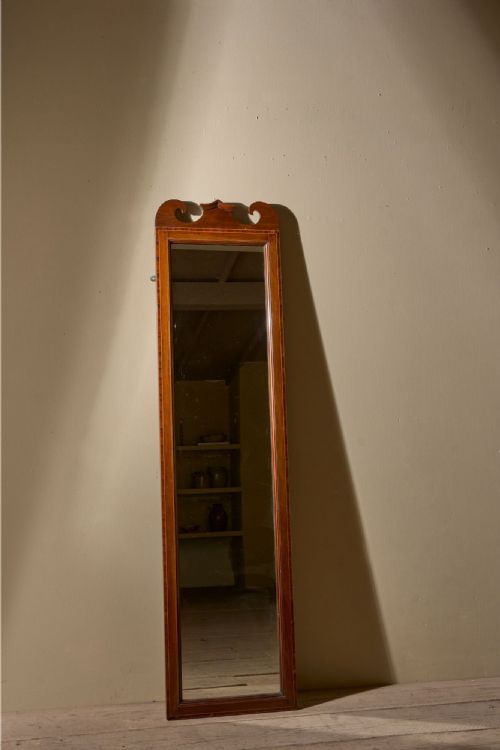
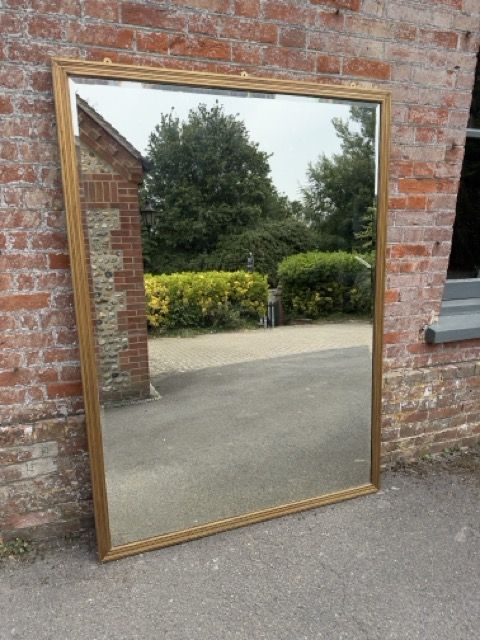
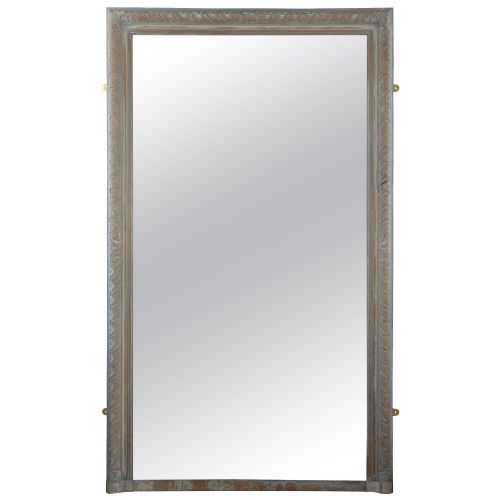
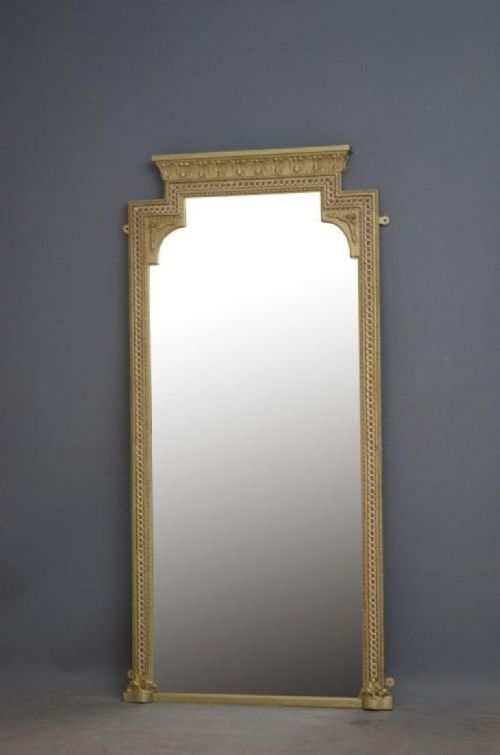
A hallway full length mirror takes the form of tall pier glasses, leaners, floor mirrors, and cheval mirrors created during the nineteenth and early twentieth centuries. These objects served to bounce light into darker corridors and offer a final check before stepping outside.
The versions met on this page span Victorian and Regency styles, alongside French Chateau, Italian Neoclassical, and English Country designs. Forms range from narrow console wall mirrors to very large painted floor-standing Dressing mirrors and rosewood pairs.
Makers and craftsmen of the nineteenth century utilised tall vertical proportions to suit narrow hall spaces, employing mahogany, oak, rosewood, and gilt wood. Such examples bring period character and functional depth directly to the modern entrance hall.
How they were made
Carpenters and joiners built these tall frames using dense timbers like mahogany, oak, and rosewood, often incorporating boxwood inlay or ebonised details for visual contrast. Frames were carved with ribbed patterns or finished with gilt wood and painted surfaces.
Mirror plates were cast and silvered by hand, then set securely into heavy timber or panelled wooden carcases designed to withstand the daily use of a busy entrance way. Construction prioritized structural rigidity to support significant height and weight without warping.
Listings feature pieces spanning the nineteenth century up to the 1920s, constructed in mahogany, oak, rosewood, and gilt wood.
What varies in quality
Quality rests in the harmony of proportion between the height of the frame and the depth of its moulding, alongside the crispness of any carved decoration or boxwood inlay. Finer examples display thoughtful integration of architectural elements like panelling and gilt work.
The choice of primary timber defines the baseline of the piece, with dense figured mahogany and rosewood commanding a different visual weight than painted or simpler oak frames. Original mirror glass retains subtle historical imperfections that distinguish period surfaces from modern replacements.
The Hallway Full Length Mirror Glossary
- Pier mirror
- A tall looking glass specifically designed to hang on the narrow section of wall between two windows, known as the pier. These mirrors often feature console bases or slender vertical frames.
- Cheval mirror
- A full-length mirror hung on a vertical swivelling frame within four supporting legs, allowing the glass to tilt. The name derives from the French word for horse, referencing the supporting trestle structure.
- Leaner mirror
- A large floor mirror built to rest securely against a wall without permanent wall fixings. This form maximises reflective surface area in entrance spaces.
- Gilt wood
- Wood coated with a thin layer of gold leaf or gilt paint. It reflects hallway light effectively and was frequently utilised in Regency and Italian Neoclassical designs.
- Boxwood inlay
- Contrasting light boxwood inserted into recesses within a darker timber surface such as mahogany or walnut. This technique creates delicate geometric or floral patterns around the frame border.
Hallway Full Length Mirror: Frequently Asked Questions
Where should a hallway full length mirror go?
Position the glass opposite a light source or window to maximise the natural illumination entering a narrow corridor or entrance space. Ensure adequate wall or floor clearance so the vertical proportions do not crowd the entryway.
Allow enough clear floor space for standing back to check attire before leaving the house. Placing the piece near the front door creates an immediate sense of scale and depth upon entry.
How do I secure a heavy floor mirror?
Large leaner mirrors require proper anchoring to the wall behind them to prevent accidental tipping in busy hallways. Use appropriate brackets fixed securely into the structural wall studs or masonry.
Check the weight distribution of the timber frame and ensure the floor surface provides a stable, level base. Professional installation is recommended for very large antique examples.
What is the difference between a pier mirror and a cheval mirror?
A pier mirror is fixed securely to the wall, often designed to fit a specific architectural space between windows or above a console table. It relies on its wall mount for stability and display.
A cheval mirror stands independently on its own four-legged frame and swivels on vertical pivots. This allows the user to adjust the angle of the glass freely without wall fixings.
How do I clean antique mirror glass?
Use a soft, dry microfibre cloth to gently remove dust from the glass surface and the surrounding timber frame. Avoid spraying liquids directly onto the mirror, as moisture can seep behind the silvering.
Apply a mild glass cleaner sparingly to the cloth rather than the glass if stubborn marks require attention. Keep moisture away from the edges of the plate where historical silvering is most vulnerable.
How do I identify a Regency period mirror?
Regency mirrors often display classical motifs inspired by ancient Greece and Rome, including reeded frames, gilt wood finishes, and ebonised details. Proportions tend to be clean, architectural, and strictly symmetrical.
Look for construction methods typical of the early nineteenth century, such as hand-cut dovetails and heavy timber carcases. The presence of Italian Neoclassical or French Chateau design influences further points towards this era.