


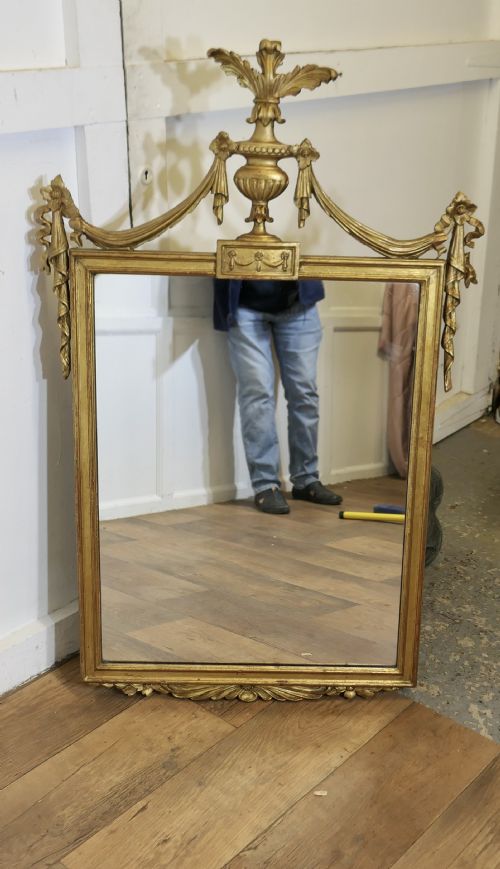


French Classic Wall Mirror
A french classic wall mirror brings light and period proportion to a room, offering the giltwood frames and arched tops seen across these pieces.
French Classic Wall Mirror
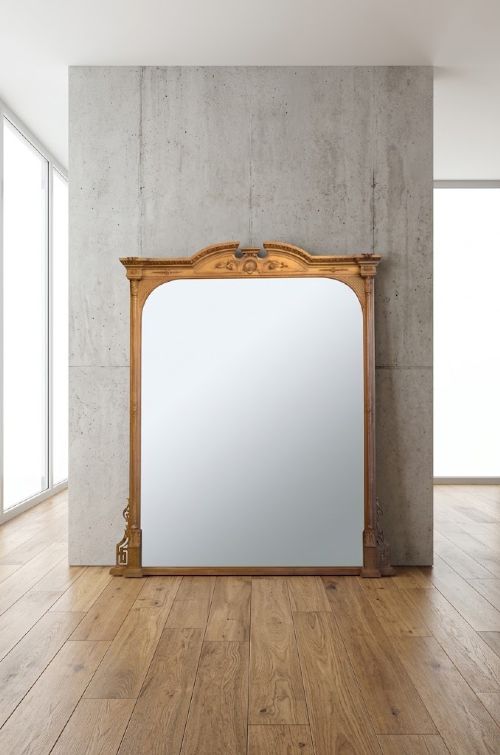
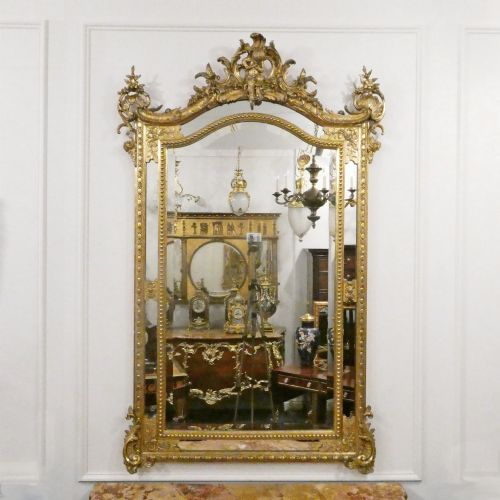
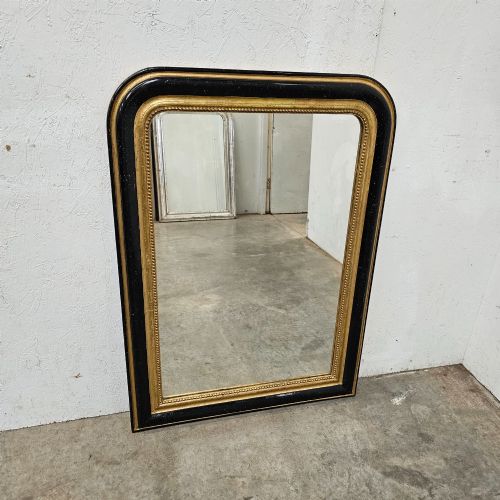
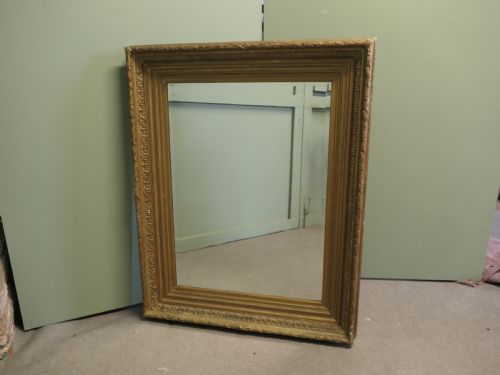
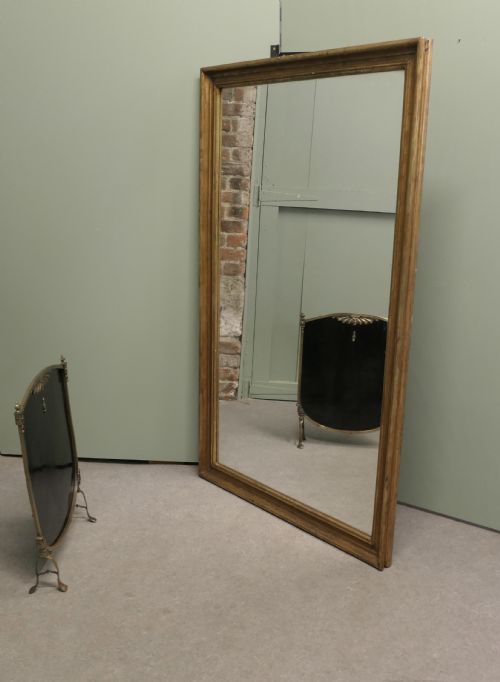
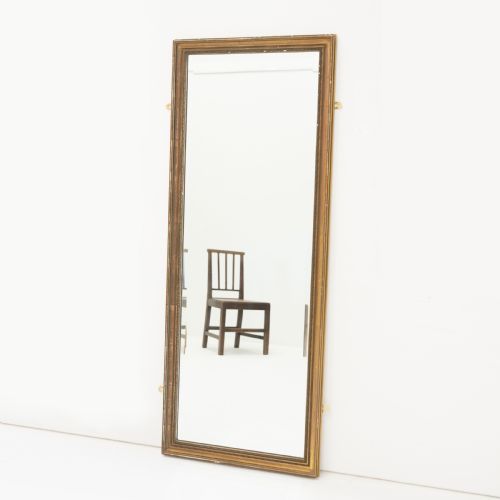
A french classic wall mirror encompasses large overmantel mirrors and tall rectangular wall glass from periods including the nineteenth century and the Georgian era. Buyers seeking this phrase encounter grand giltwood frames, Louis Philippe designs, and ornate Louis XVI style carvings designed to hang above mantelpieces or upon principal walls.
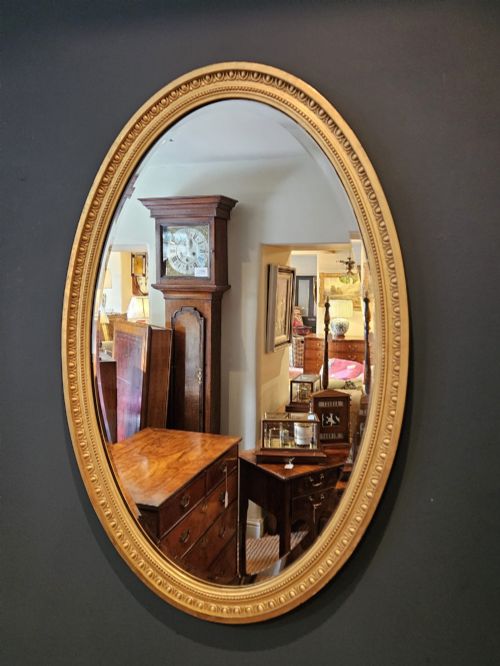
The selection ranges from tall nineteenth century gilt mirrors and arched Victorian overmantles down to smaller oval plaster gilt pieces and painted finishes. These objects serve both functional reflective purposes and architectural decoration within period interiors.
How they were made
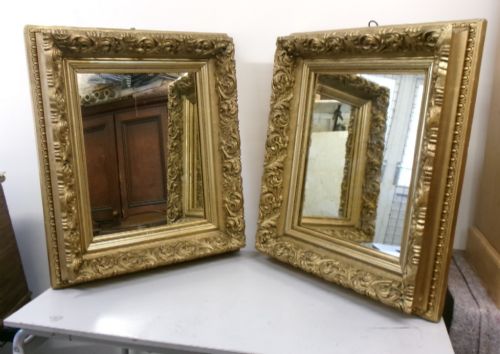
Makers constructed the structural frames of these mirrors using wood, carved or assembled to hold heavy mirror glass. Overmantel mirrors and wall frames frequently received layers of gesso to build up decorative moulding before finishing.
Giltwood, gold leaf, and composition materials were applied to create the metallic lustre characteristic of French nineteenth century and Napoleon III style pieces. Alternatively, some surfaces carry original paint or parcel gilt treatments rather than full gilding.
Several mirrors carry the scars of centuries of fireplace smoke and polishing, proving they have spent generations warming British and French drawing rooms.
What varies in quality
The depth and crispness of the carved wood and gesso ornamentation dictate the visual strength of the frame. Heavy quality pieces display refined detail in their architectural scrolls and foliate motifs rather than flat, simplified moulding.
The preservation of the original gold leaf, giltwood, or painted surface separates standard examples from finer ones. Furthermore, the presence of original mirror glass with natural ageing adds distinction compared to later replacements.
The French Classic Wall Mirror Glossary
- Giltwood
- Wood coated with gold leaf or a gold-coloured finish. This material defines the reflective warmth of many nineteenth century wall mirrors.
- Gesso
- A plaster-like mixture applied to wooden frames as a base for carving and gilding. It allows for intricate relief ornamentation.
- Overmantel mirror
- A large mirror designed to sit directly above a fireplace mantel. These pieces frequently feature arched tops or wide rectangular proportions.
- Louis Philippe
- A mid-nineteenth century French style known for softer, rounded upper corners and simpler frames than earlier flamboyant designs.
- Pier glass
- A tall mirror traditionally hung on the narrow pier of wall between two windows. They reflect additional light into darker period rooms.
French Classic Wall Mirror: Frequently Asked Questions
Where should I hang an overmantel mirror?
These large mirrors are traditionally placed directly above a fireplace mantel to anchor the hearth and reflect room light. Their proportions suit central placement on principal walls.
Ensure the wall construction supports the substantial weight of wood, gesso, and glass frames before hanging.
How do I identify a Louis Philippe mirror?
Louis Philippe mirrors typically feature a simple rectangular format with rounded upper corners rather than sharp right angles. The framing tends to be understated compared to heavily carved Victorian or Napoleon III pieces.
This restrained style originated in France during the mid-nineteenth century and suits both traditional and modern interiors.
Are these mirrors original antique glass?
Many pieces retain their original mirror glass, which often exhibits characteristic foxing, soft silvering loss, and subtle distortions. These traits confirm the age of the object.
Some mirrors have received replacement glass over their long histories to maintain clarity.
What is the difference between giltwood and painted frames?
Giltwood frames are finished with gold leaf or metallic application over gesso and wood, producing a reflective golden sheen. Painted frames utilise white or coloured pigments directly on the wood or composition surface.
Both finishes appear across nineteenth century French and English domestic interiors.