

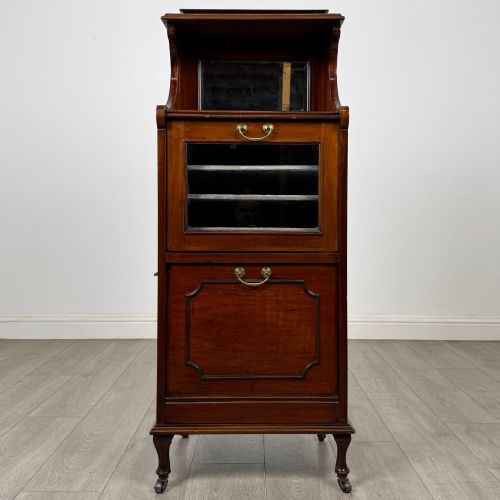
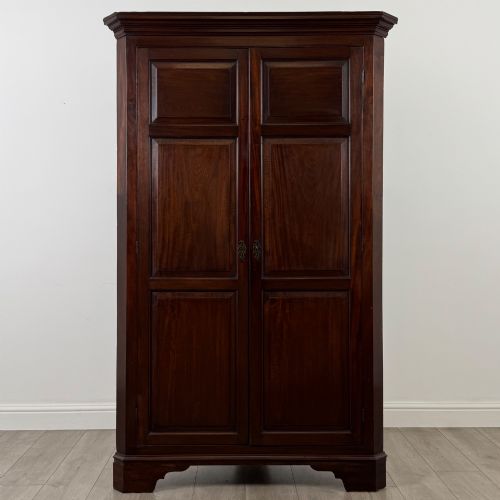
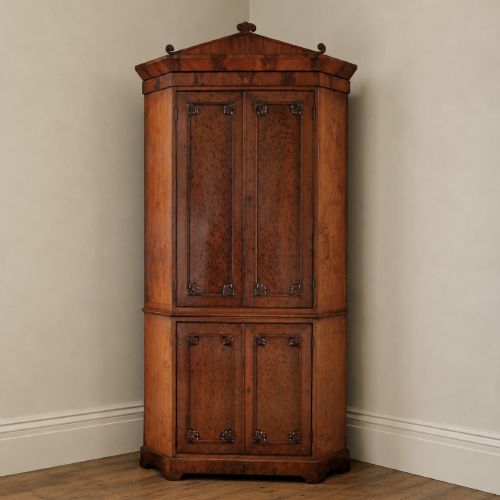
Tall Mahogany Cupboard
When you search for a tall mahogany cupboard, you are looking at substantial upright storage built from dense timber, designed to hold linens, books, or household goods with architectural presence.
Tall Mahogany Cupboard
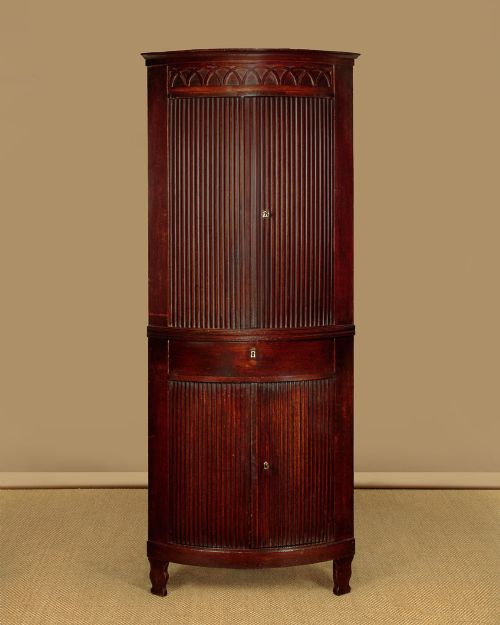
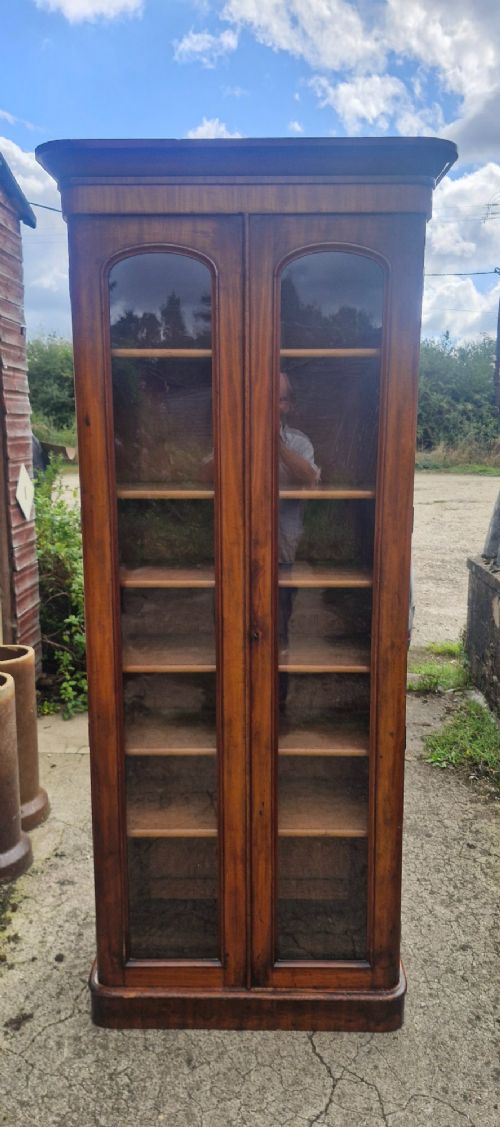
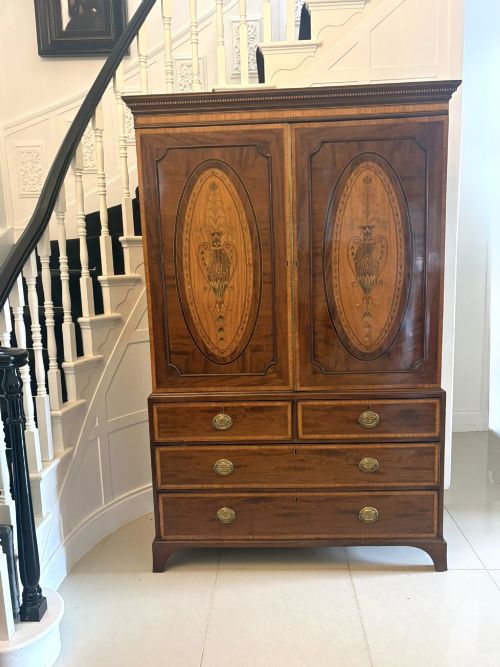
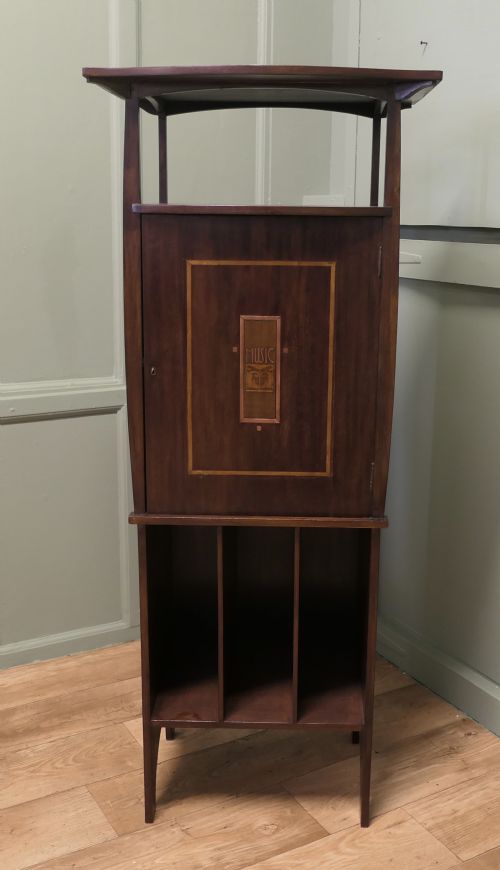
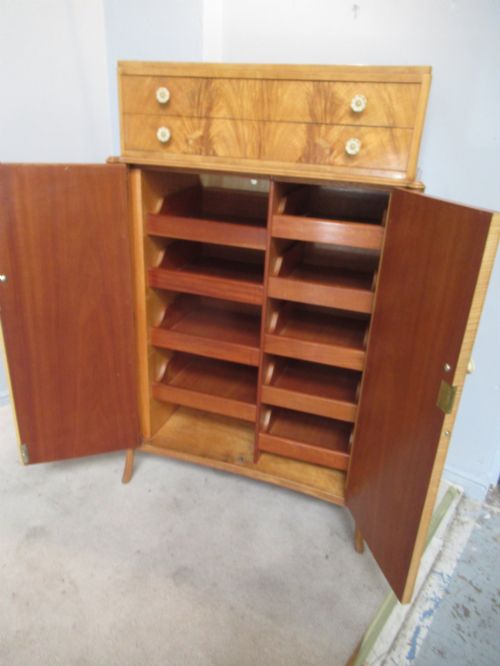
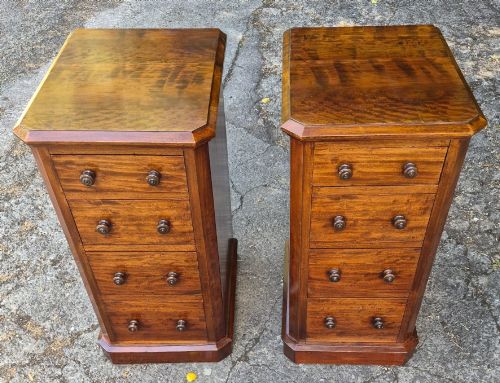
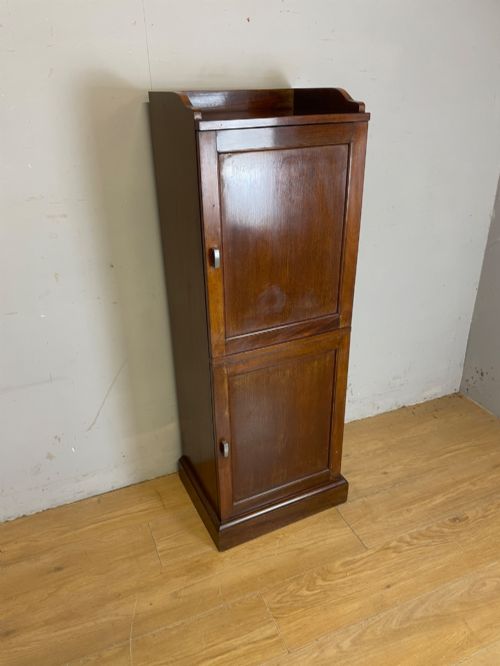
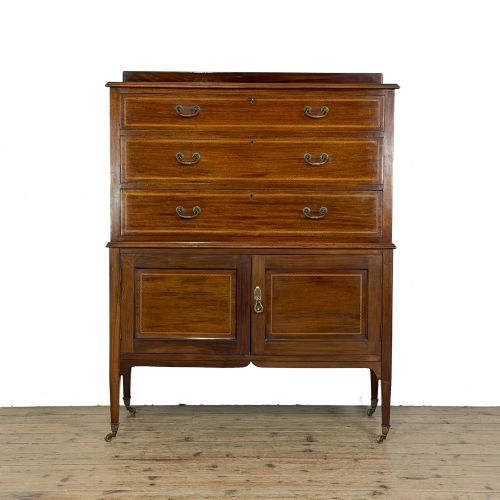
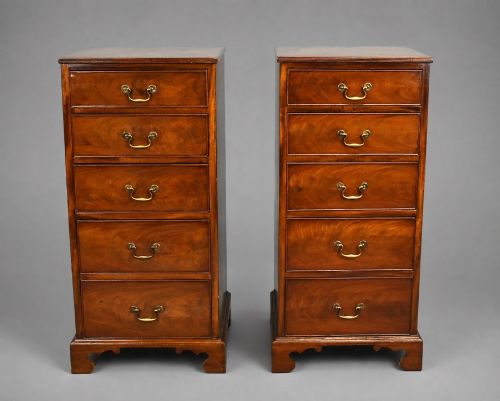
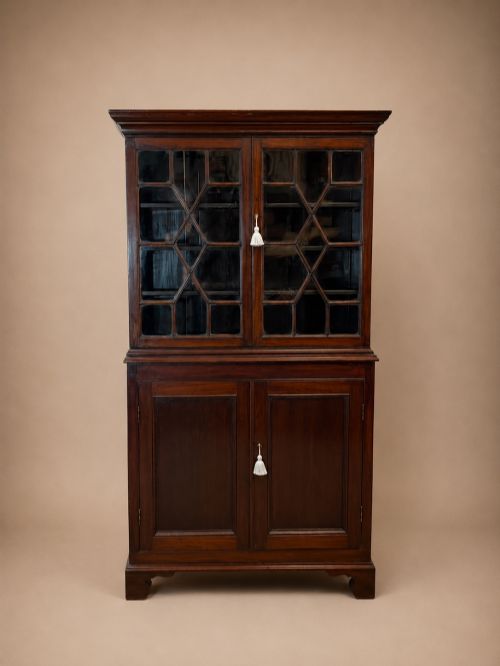
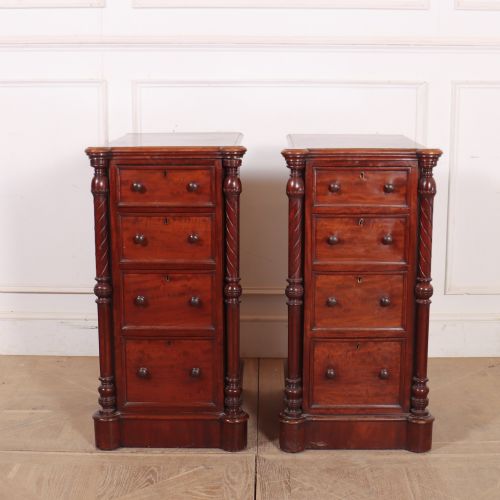
A tall mahogany cupboard on this page encompasses upright furniture forms such as linen presses, glazed bookcases on cupboards, tallboys, and narrow hall storage. These pieces emerge from Georgian, Victorian, Edwardian, and early twentieth-century workshops, spanning periods from the late eighteenth century onwards.
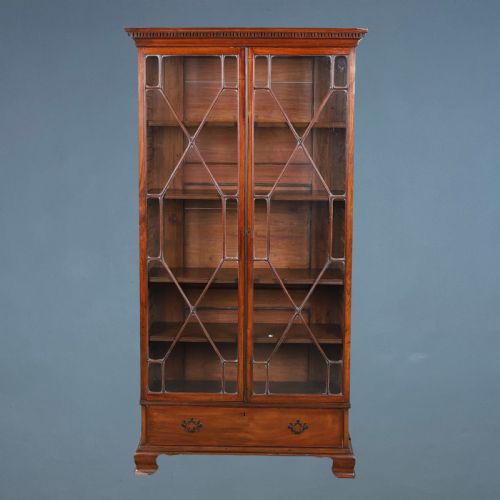
The versions most likely to be met here include Victorian upright single-door cupboards, Georgian corner cabinets, and tall slim bookcases paired with cupboard bases. They range from simple functional estate storage to refined display cabinets featuring astragal glazing and satinwood stringing.
Materials and Construction
Makers constructed these tall cupboards primarily using solid mahogany and mahogany veneers, occasionally incorporating secondary timbers like pine and maple within internal carcases. Timber selection frequently included figured mahogany and flame mahogany to create striking grain patterns on primary doors and drawer fronts.
Joinery techniques relied on traditional solid wood construction, complemented by decorative additions such as brass hardware, glass panels for glazed doors, and delicate wood inlay or satinwood stringing. Surface finishes applied by makers included traditional polishes that enhanced the natural rich red tones of the timber.
Several tall cupboards include their original keys, allowing long-lost locks to turn once more.
Craftsmanship and Proportion
Quality in a tall mahogany cupboard rests on the selection of timber and the handling of grain, where richly figured mahogany veneers and careful matching elevate a piece far above plain utilitarian builds. The depth of colour and the preservation of original surfaces distinguish finer examples from later alterations.
Proportion and structural integrity also separate the range, seen in the clean execution of cornices, the precision of panel work, and the integration of original brass fitments or functioning locks and keys. Finer pieces demonstrate careful attention to internal fittings such as adjustable shelves or fitted linen slides.
GM Elwood for JS Henry·Maple and Co·Waring and Gillows
The Tall Mahogany Cupboard Glossary
- Astragal glazing
- Timber bars holding small panes of glass within a cabinet door. These delicate wooden divisions are characteristic of Georgian and Edwardian display furniture.
- Linen press
- A tall cupboard featuring sliding trays or shelves in the upper section for storing folded textiles, often sitting above a base chest of drawers.
- Tallboy
- A tall chest of drawers standing upon another chest or a cupboard base, maximising vertical storage capacity in bedrooms.
- Satinwood inlay
- Contrasting pale exotic wood inserted into the mahogany surface in decorative geometric or floral patterns. This technique defines much Georgian and Edwardian cabinet work.
Tall Mahogany Cupboard: Frequently Asked Questions
What is a tall mahogany cupboard used for?
These tall pieces served varied domestic functions, from housing household linen and clothing to displaying books and prized china behind glass doors.
In period homes, owners placed them in bedrooms, libraries, and hallways where vertical storage made efficient use of floor space.
How do I date a tall mahogany cupboard?
Dating relies on observing construction methods, timber choices, and stylistic details such as cornices, bracket feet, and glazing bar patterns. Georgian pieces often show hand-cut dovetails and simpler internal framing, while Victorian and Edwardian examples may incorporate machine-sawn timber and factory-made brasses.
Comparing the primary mahogany grain and secondary woods like pine or oak also helps place a piece within its historical period.
Where should I place one at home?
A tall cupboard requires adequate wall space and ceiling clearance, making corners or substantial blank walls ideal positions for displaying their architectural height. Corner variants fit neatly into unused angles, while flat-fronted linen presses and bookcases anchor larger living spaces or dining rooms.
Keep them away from direct heat sources and strong sunlight to protect the polished mahogany surfaces and prevent timber warping.
How do I care for mahogany furniture?
Maintenance involves dusting with a soft, dry cloth and occasionally applying traditional beeswax to nourish the timber and preserve the polish. Avoid synthetic sprays and moisture, which can damage historic finishes.
Maintaining stable room humidity prevents the solid mahogany and internal secondary woods from expanding or contracting excessively.