
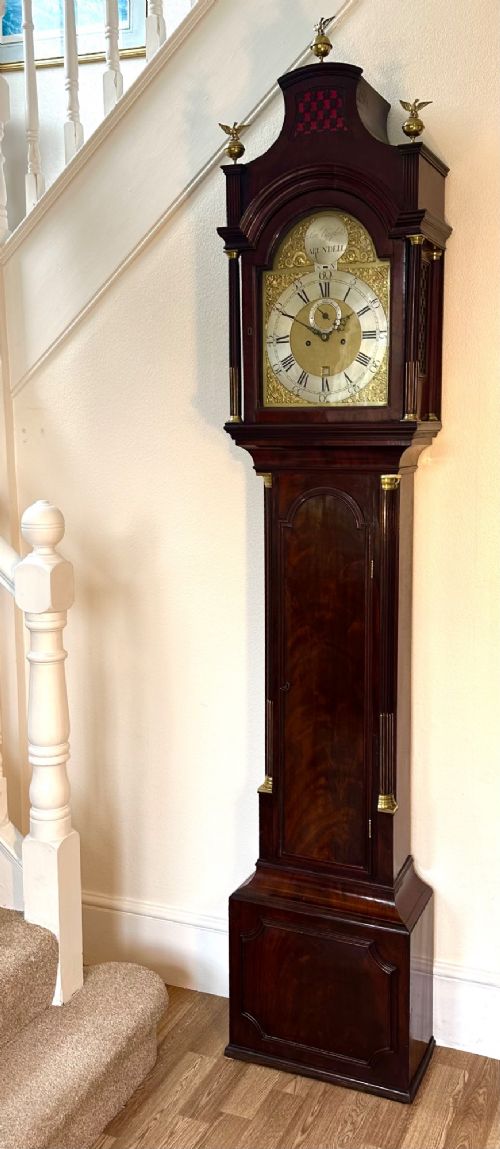
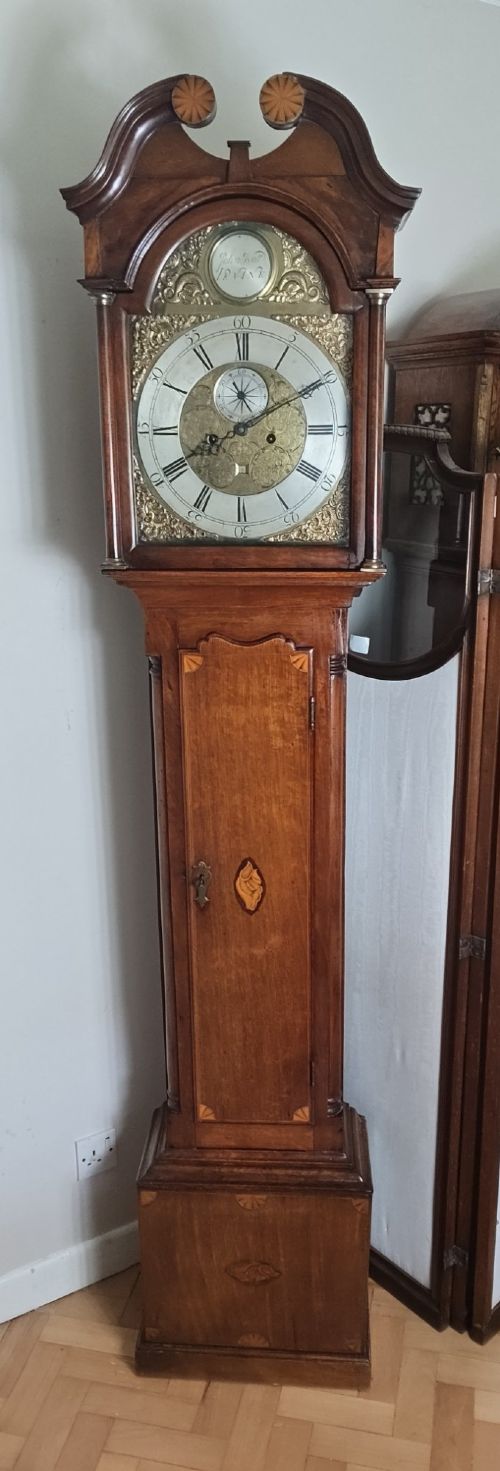
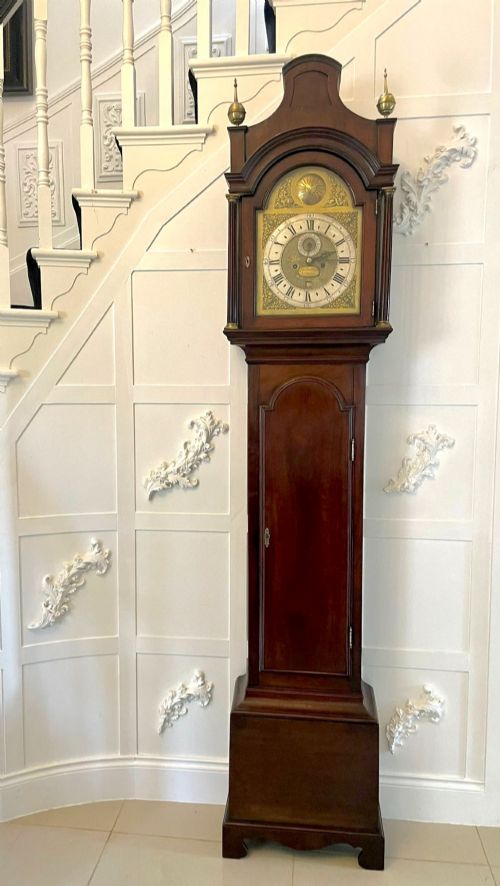
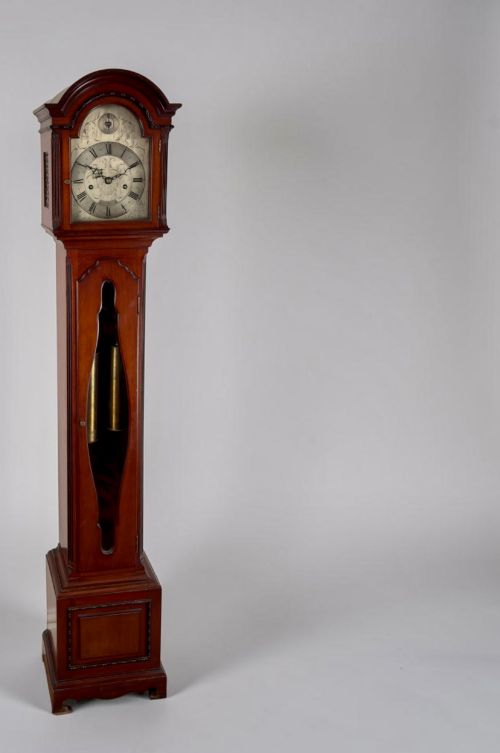
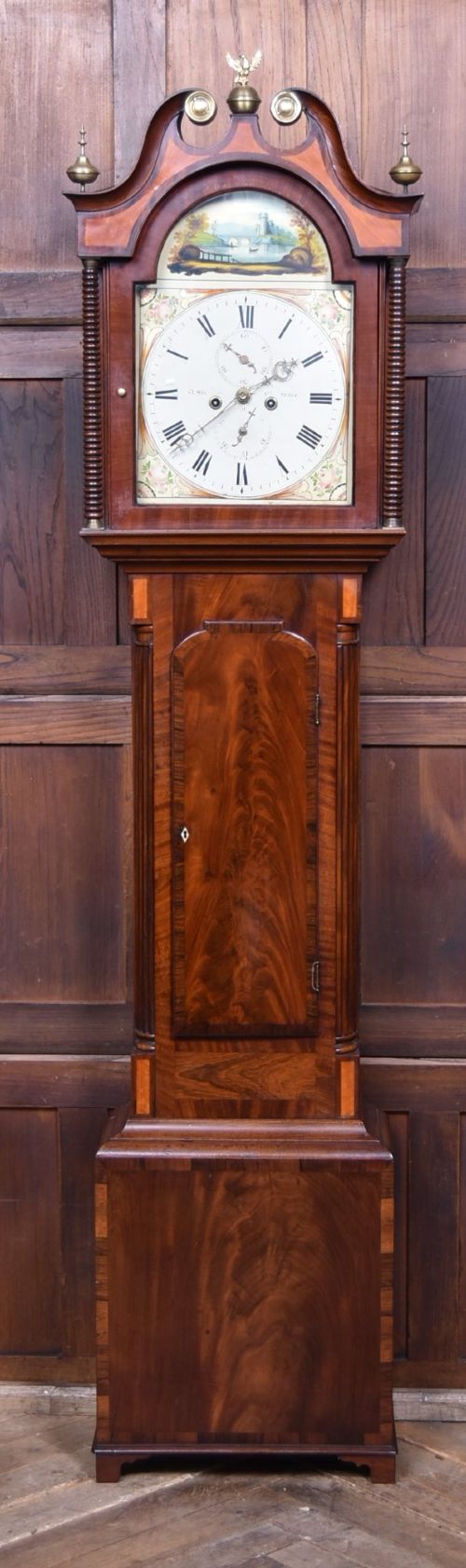
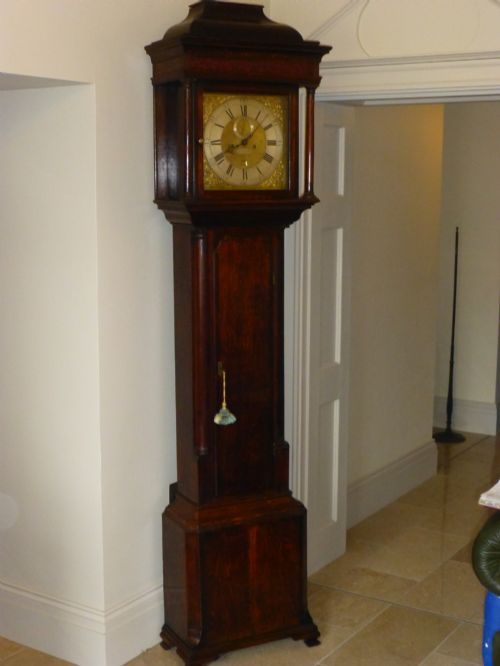
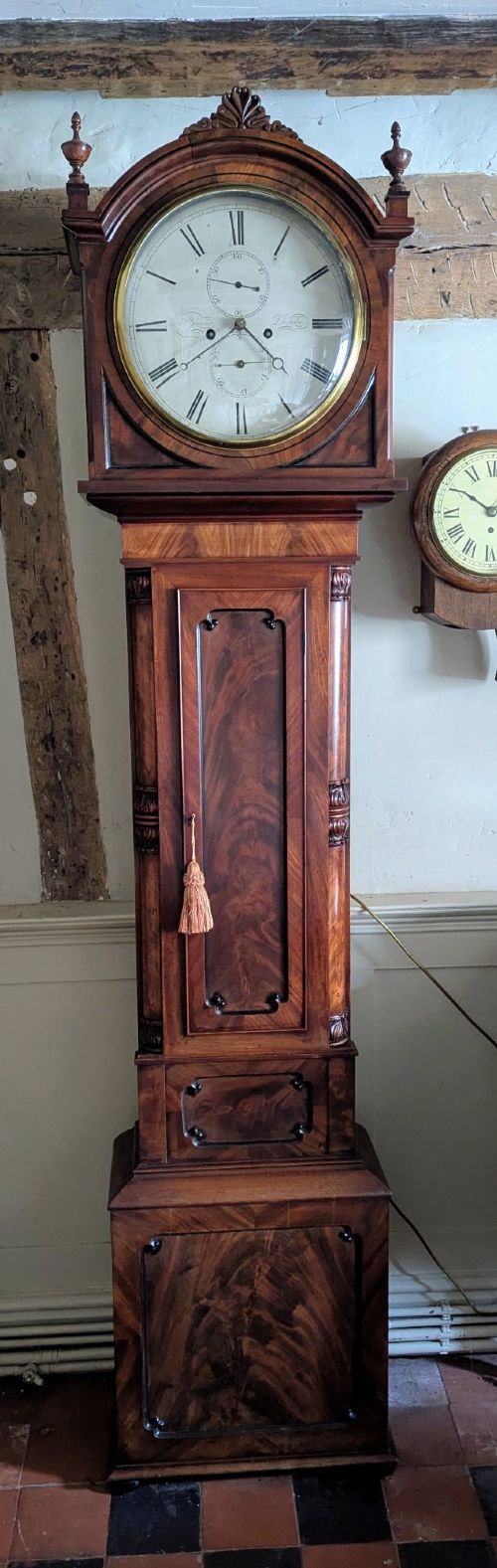
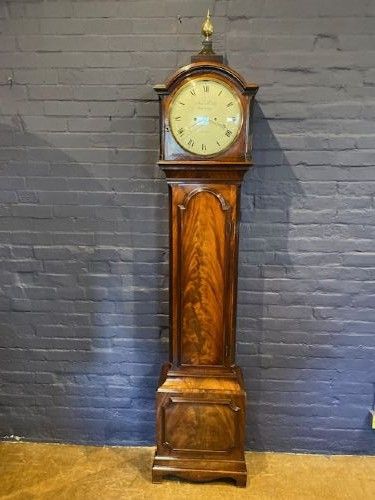
Tall Case Pendulum Clock
A tall case pendulum clock stands as a towering piece of horological history, bringing mechanical precision and commanding presence to a room.
Tall Case Pendulum Clock
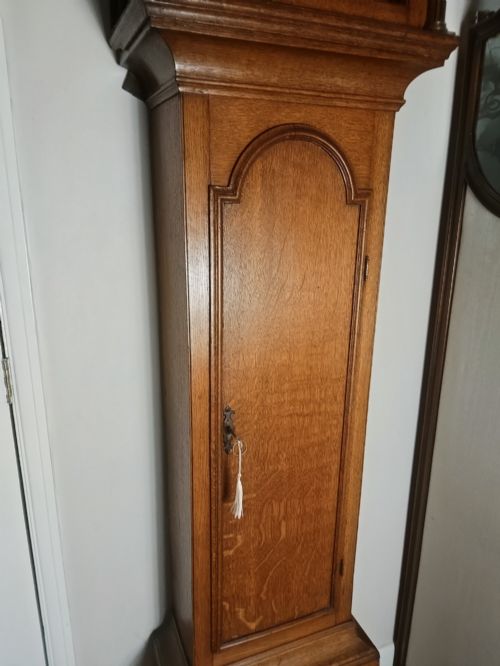
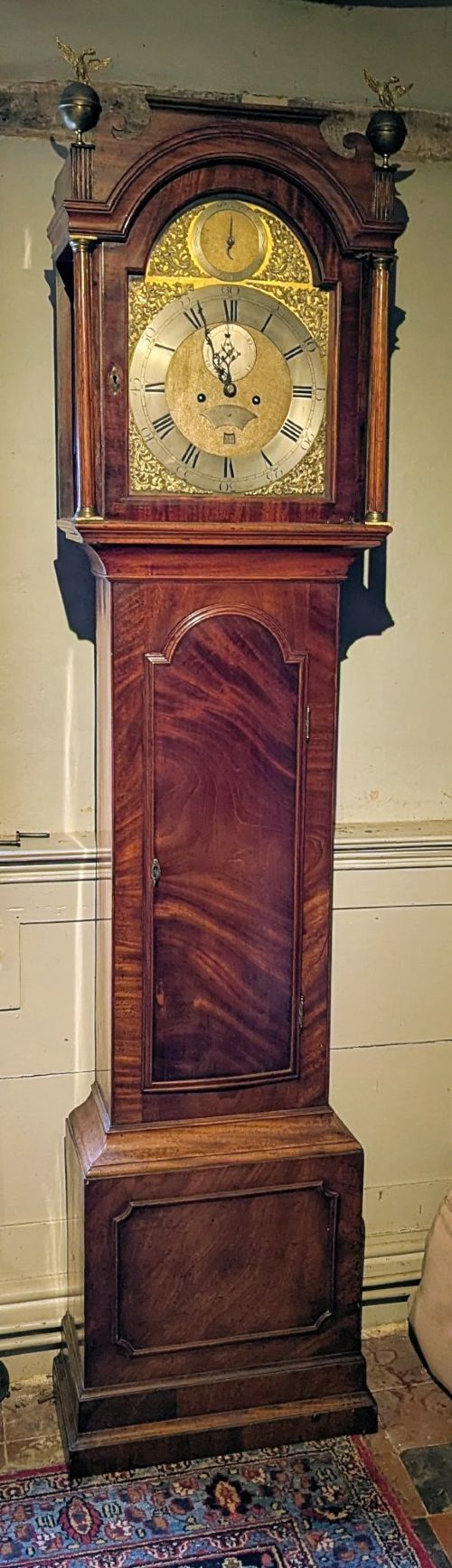
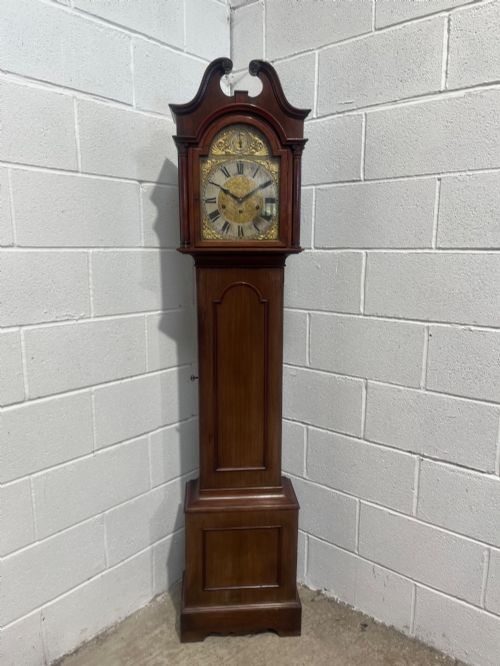
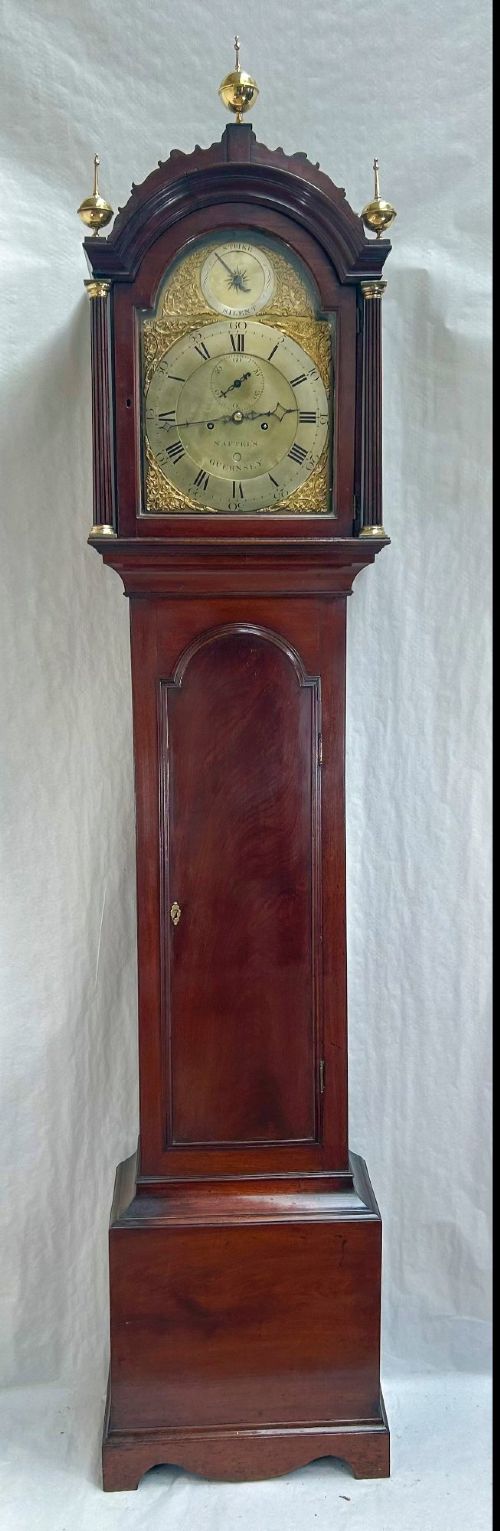
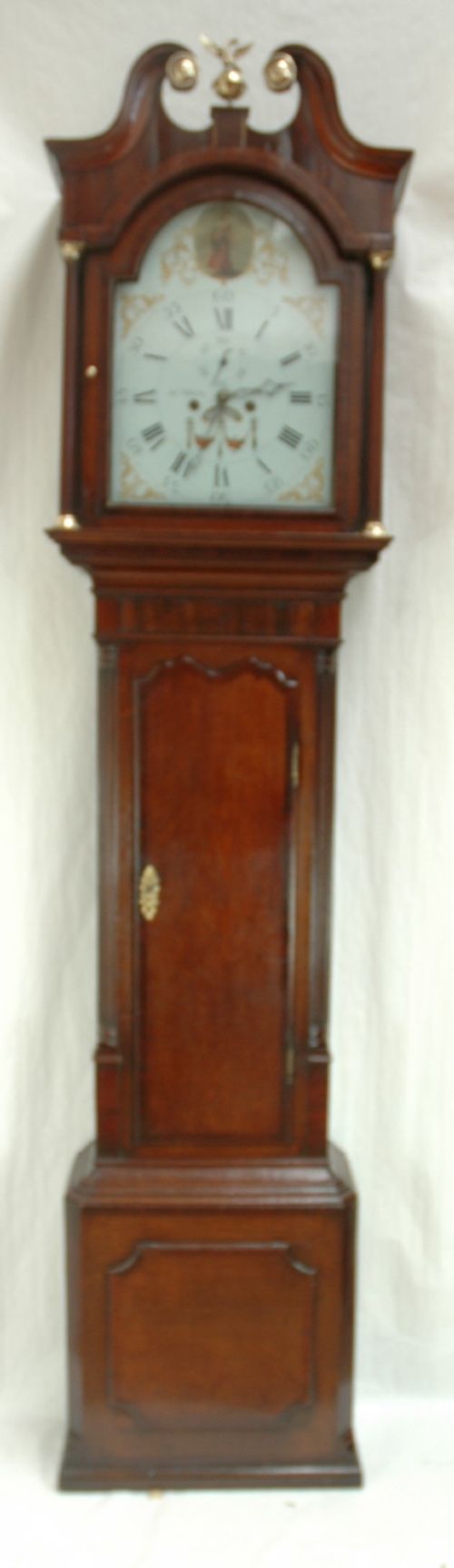
A tall case pendulum clock, frequently called a longcase or grandfather clock, houses a weight-driven movement and a swinging pendulum within a vertical wooden trunk. These floor-standing timepieces anchor a room with their height and presence.
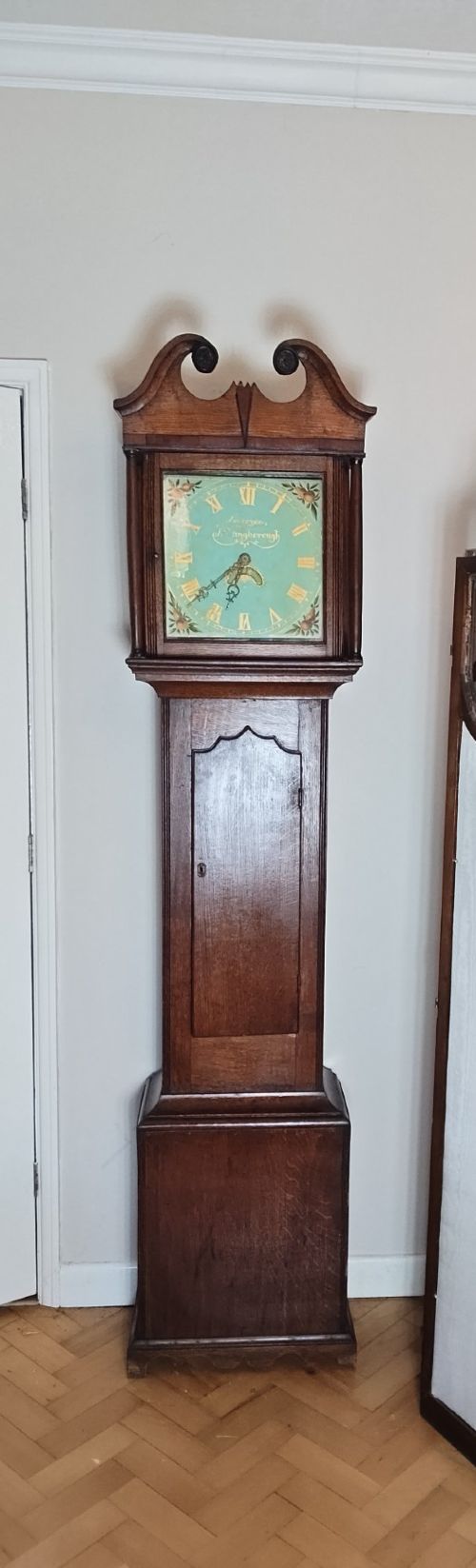
The versions most commonly met on this page date from the Georgian and 19th-century periods, constructed in regional British centres as well as London workshops. Examples range from full-sized mahogany and oak floor pieces down to smaller grandmother clocks.
Materials and Construction
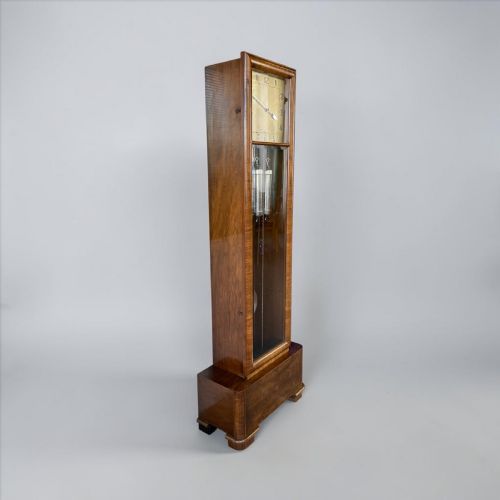
Cabinetmakers built the tall cases primarily using timber such as mahogany, oak, and walnut, frequently applying fine veneers or Chinoiserie lacquer and blue paint finishes. Glass panels protect the dial face and provide a view of the swinging pendulum below.
Dial faces utilise brass or painted iron, inscribed with chapter rings and maker signatures, often paired with steel hands. Precision regulators and domestic clocks alike rely on heavy cast metal movements and lead or iron driving weights.
Some tall cases hide musical cylinder mechanisms behind their doors, ready to play tunes alongside the hourly strike.
Indicators of Quality
Quality reveals itself in the cabinetry, where figured timber grain, proportioned mouldings, and clean hood glass set finer examples apart from plain utility boxes. The integration of subsidiary dials, moon phases, and secondary automation indicates a more ambitious commission.
Mechanically, the finish of the brass movement plates and the precision of the wheel-train dictate the reliability of the timekeeping. Signed dials by recorded provincial or metropolitan makers carry distinct historical weight over unsigned vernacular work.
Charles Shuckburgh·Gillett and Johnston·D Straiton·Richard Corless·James McCabe·Edward Shepley·Windmills and Wightman·Henry Weedon·Lenzkirch·George Hallifax
The Tall Case Pendulum Clock Glossary
- Longcase clock
- A freestanding, weight-driven pendulum clock enclosed in a tall wooden case. This term is synonymous with the grandfather clock.
- Grandmother clock
- A smaller, scaled-down version of the traditional longcase clock, typically produced during the 19th and early 20th centuries.
- Moon roller
- A dial mechanism that tracks the phases of the moon through a rotating disc painted with lunar imagery. This complication appeared on finer 18th and 19th-century dials.
- Regulator
- A precision pendulum clock designed for exact timekeeping and used as a standard for setting other clocks. These movements emphasise functional accuracy over decorative complications.
- Strike and silent
- A mechanism that allows the striking train to be turned off so the clock remains quiet at night. This function required sophisticated internal levers.
Tall Case Pendulum Clock: Frequently Asked Questions
How do tall case clocks work?
These timepieces rely on weights suspended by cords or chains that pull down on drums to drive the internal gear train. The pendulum swings back and forth to regulate the release of power through the escapement.
As the weights descend over days or weeks, they must be manually pulled back up using a key or crank inserted through the dial face.
Where should I place a longcase clock?
Position your clock against a sturdy, interior wall where floor vibrations are minimal to ensure the pendulum swings evenly. Avoid damp areas, direct sunlight, and locations near active heat sources that might dry the timber.
Stability is essential, so use the built-in leveling feet or shims to ensure the tall case stands completely plumb.
How do I tell an 18th-century clock from a 19th-century one?
Eighteenth-century examples often feature brass dial plates with cast spandrels in the corners, accompanied by robust oak or walnut cases with simpler, classic proportions. Movement plates and signatures tend to reflect individual workshop methods.
Nineteenth-century pieces frequently utilise painted iron dials, mahogany veneers, and increasingly standardised movement components produced as industrial methods advanced.
What is the difference between a grandfather and a grandmother clock?
Grandfather clocks are the standard full-sized tall case timepieces, standing well over six feet high with substantial proportions designed to dominate a hallway or living room. They house heavy, long-drop weights.
Grandmother clocks are significantly shorter and narrower, built with smaller movements suited for more compact domestic spaces during the Edwardian period and earlier.