

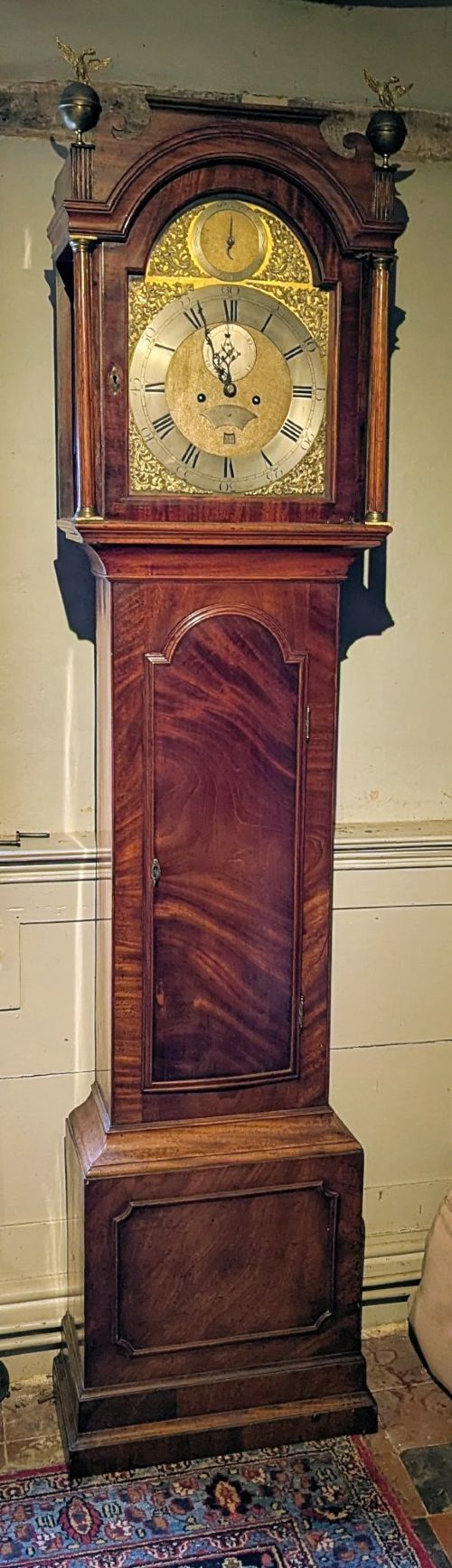
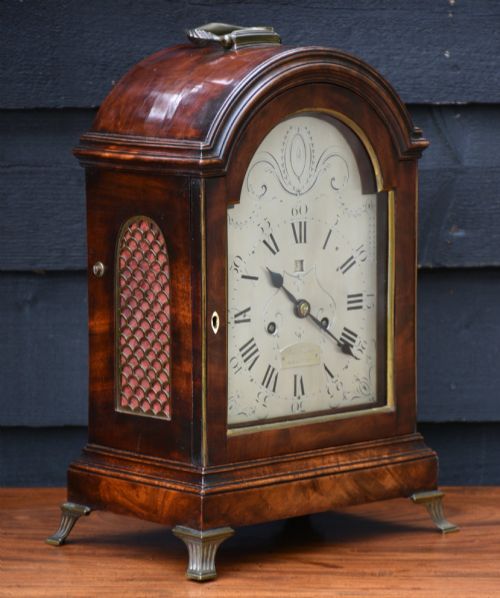
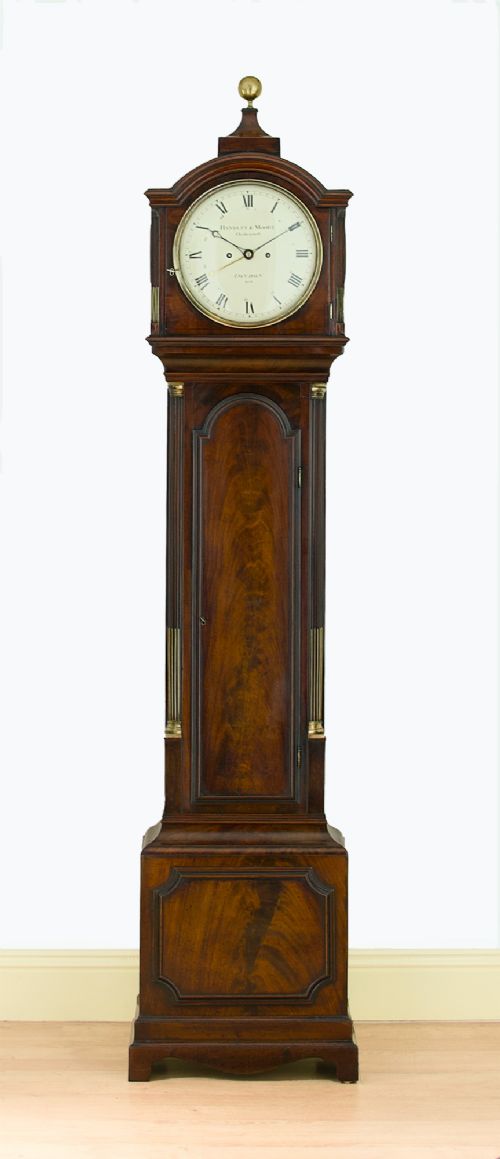
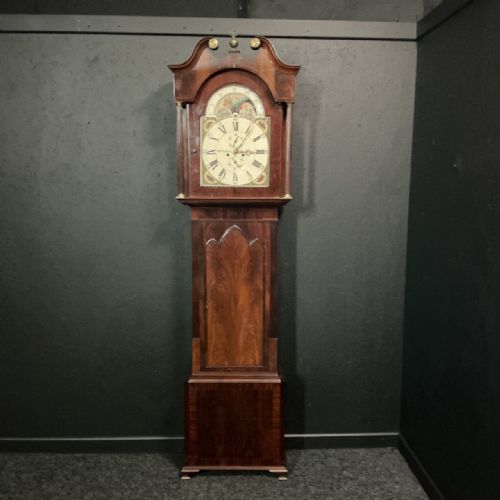
Flamed Mahogany Clock
A flamed mahogany clock combines architectural presence with striking wood grain, making it a focal point for any traditional interior.
Flamed Mahogany Clock
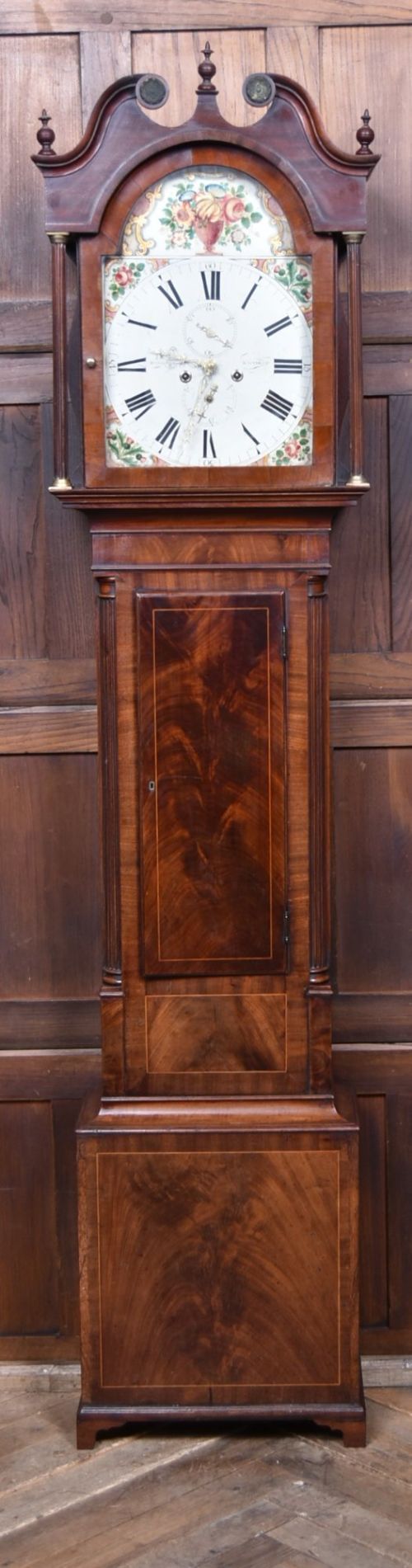
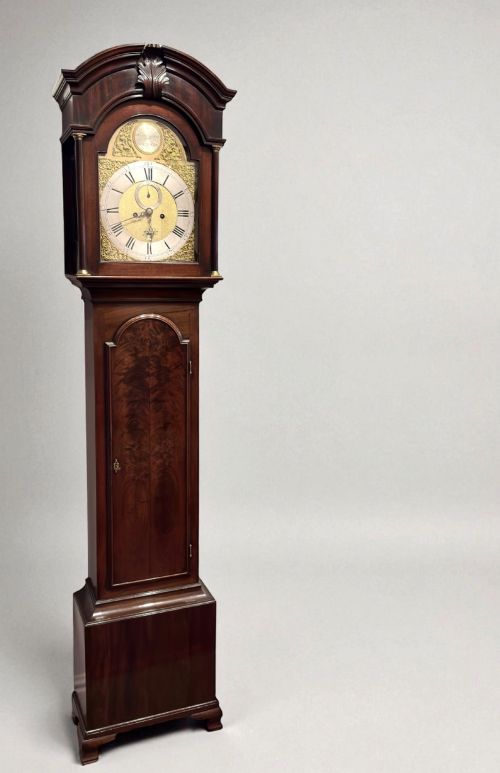
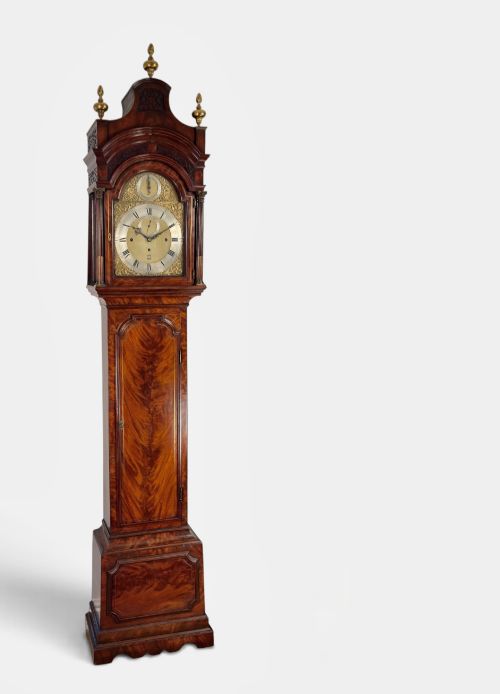
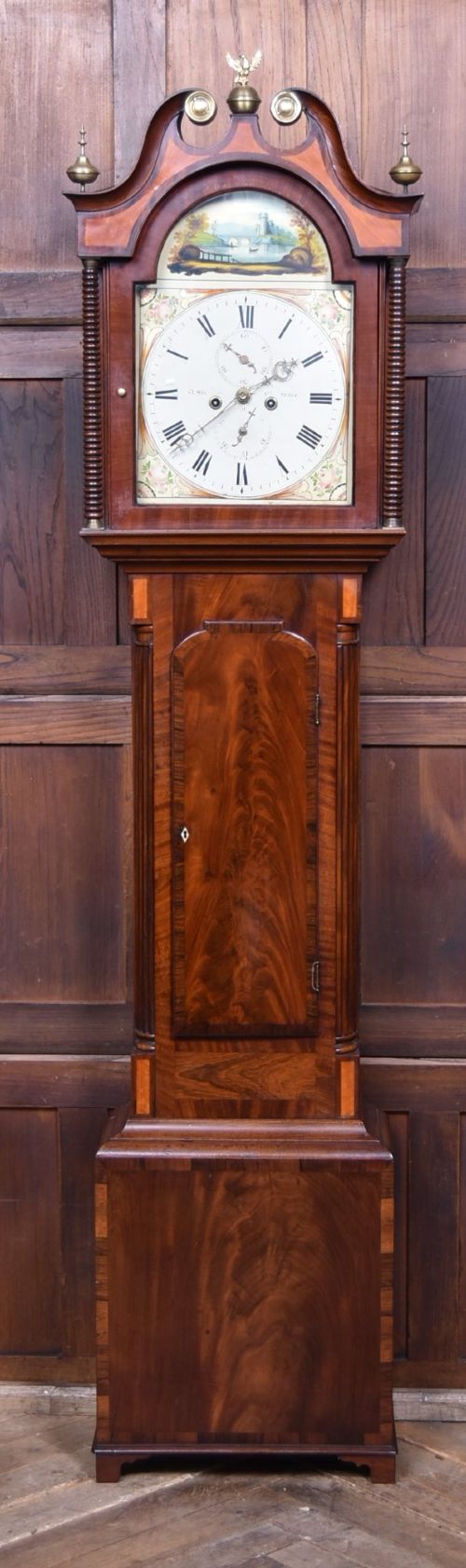
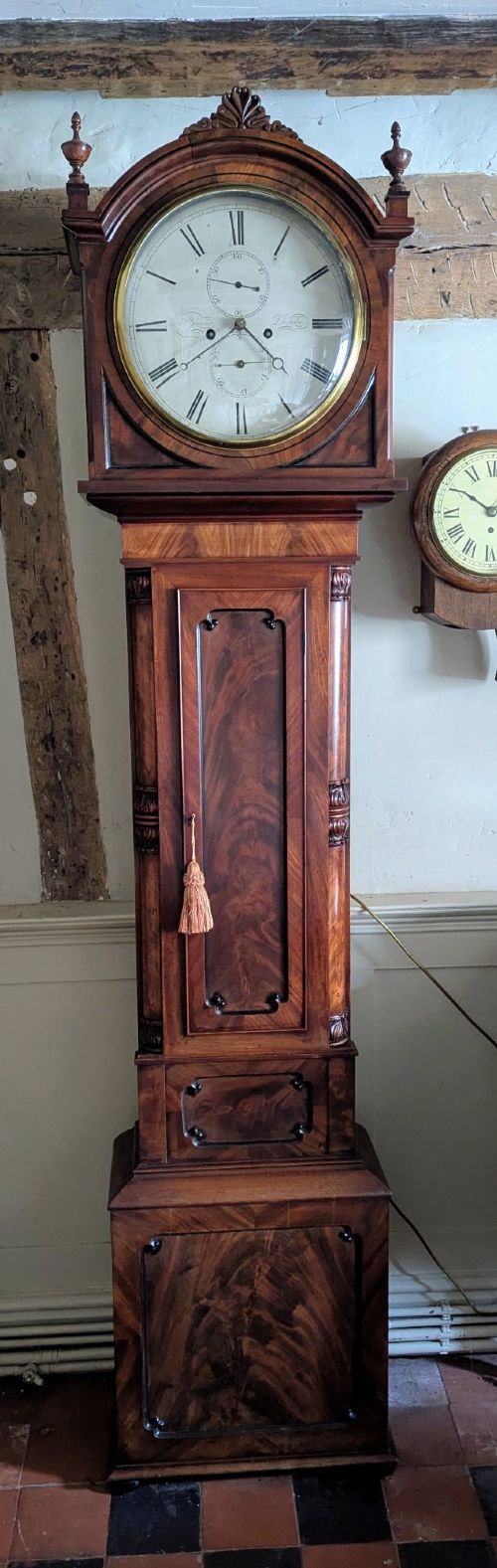
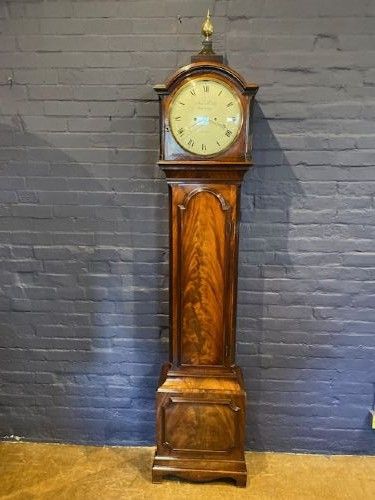
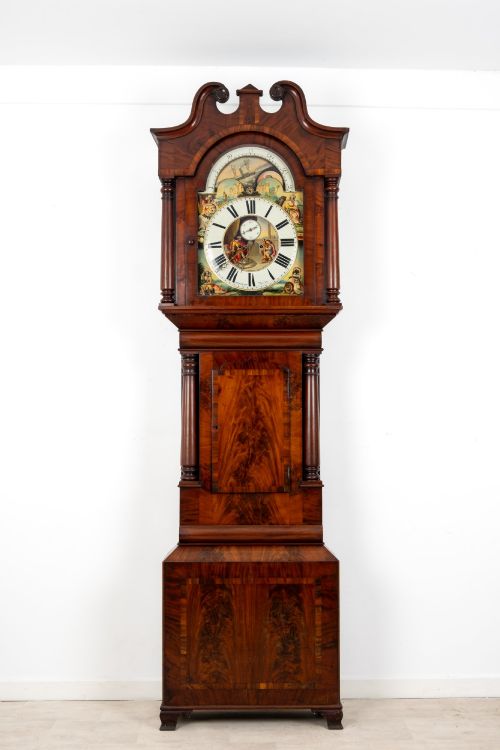
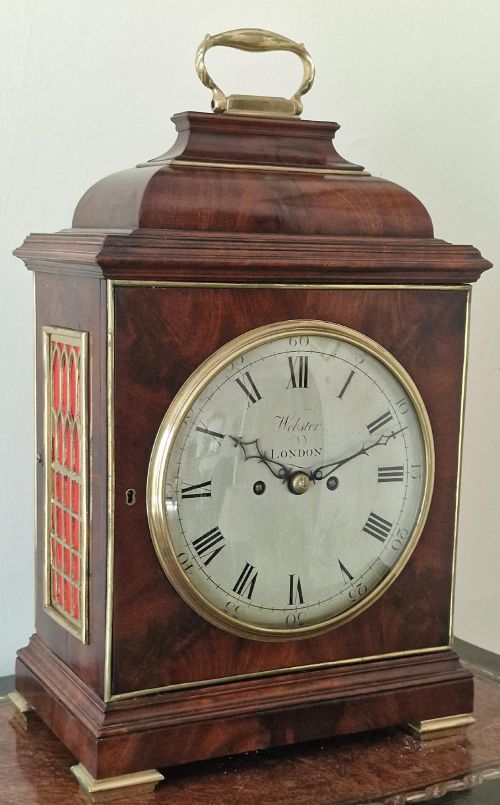
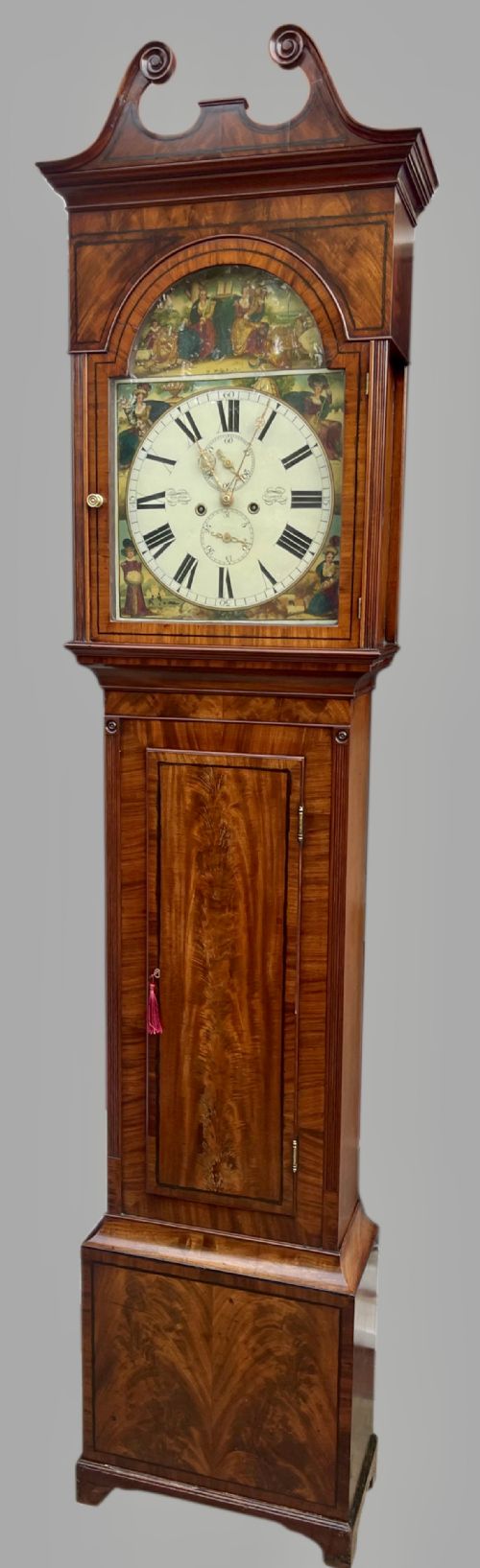
When you search for a flamed mahogany clock, you encounter substantial floor-standing pieces alongside compact wall and bracket examples. Longcase clocks and grandfather clocks dominate the selection, often originating from Scottish and London workshops during the Georgian and Victorian periods.
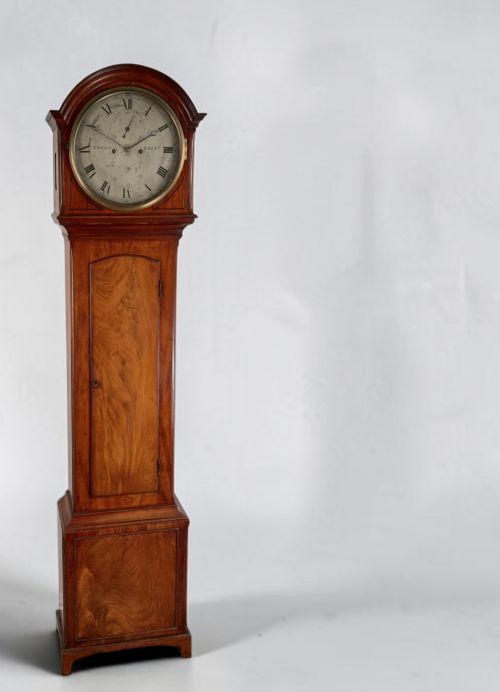
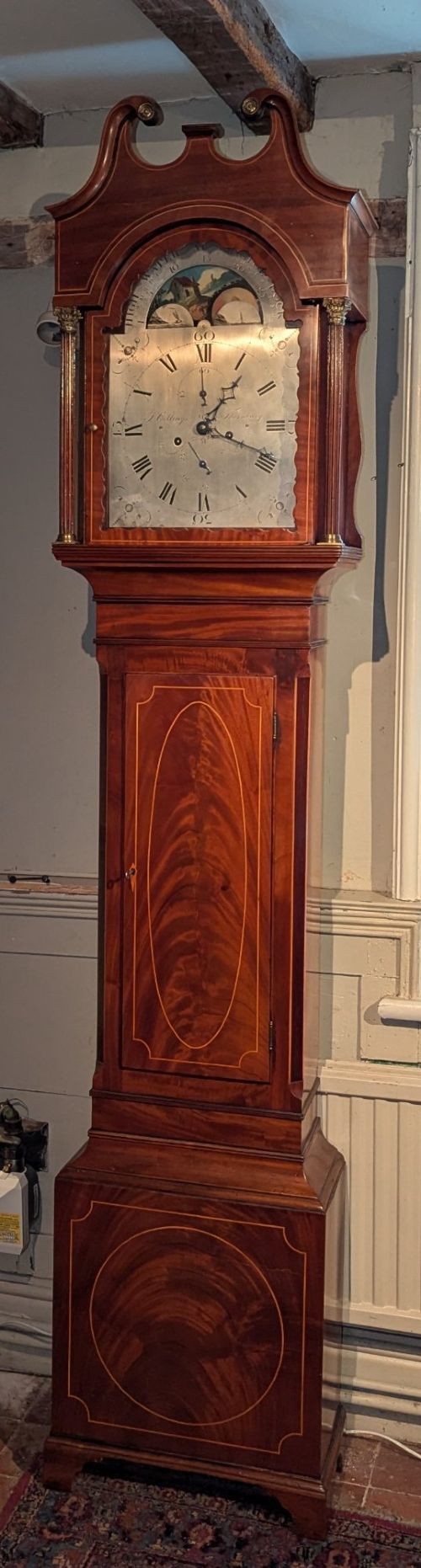
Regional variations appear frequently, particularly Scottish longcase clocks featuring distinctive painted iron or moon phase dials. Shorter bracket clocks and tavern wall clocks provide alternative options for domestic spaces with lower ceilings.
Materials and Construction
Cabinet makers applied thin layers of flame mahogany veneer over solid secondary timbers to create dramatic, swirling wood grain patterns on the trunk doors and hood bases. Brass mounts, painted iron dials with enamel details, and glass viewing doors complete the primary construction.
Internal movements rely on brass and steel components, driven by weights or fusee spring mechanisms that power the striking trains. Dial faces frequently incorporate subsidiary seconds hands, calendar apertures, or mechanical moon phases.
Some Scottish dial painters included whimsical painted horses and rural scenes directly onto the iron arch faces.
The Markers of Standard
The visual impact of a flamed mahogany clock depends heavily on the symmetry and depth of the veneer selection across the main door panel. Superior examples display matched flame figures that create deliberate patterns rather than random grain alignments.
Movement sophistication also divides the standard range from the finest pieces, separating simple timepieces from those with quarter striking, moon phase indication, or domestic regulator capability. The precision of the dial artwork and the integration of brass fittings reflect the original maker's skill.
Hendrie Ogg·Gordon of Aberdeen·Green of Edinburgh·John Ellicott·D. Straiton·Tait, Peebles·James McCabe·Parkinson Bros·Webster, London·William Jourdain·Benjamin Taylor·Rickards, Wotton Under Edge·Priory of Dundee·Andrew Thom·William McEwan·Richard Sharkey·Thwaites, London·Handley and Moore·William Allam·James Tregent·Smith and Sons
The Flamed Mahogany Clock Glossary
- Flame mahogany veneer
- A thin slice of wood cut from the fork of the mahogany tree where branches meet, producing a distinctive fire-like ripple pattern.
- Longcase clock
- A tall pendulum clock enclosed in a wooden case, commonly referred to as a grandfather clock.
- Fusee
- A conical pulley used in spring-driven clocks to maintain equal power as the mainspring unwinds.
- Moon phase
- A dial mechanism tracking the phases of the lunar cycle through a rotating painted disc.
- Bracket clock
- A portable table or shelf clock, originally designed to sit on a wall bracket.
- Drumhead clock
- A clock with a circular dial housing set atop a tapered wooden trunk, typical of Scottish designs.
Flamed Mahogany Clock: Frequently Asked Questions
What is the difference between a longcase and a grandfather clock?
The terms describe the same tall floor-standing timepiece, though longcase is the traditional British term used by horologists.
Grandfather clock became popular later, originating from the famous nineteenth-century song about such a timepiece.
Where should I place a mahogany clock at home?
Position the piece against an interior wall away from direct sunlight, heating vents, and damp exterior stone.
Stable ambient temperatures prevent the mahogany veneer from drying out or lifting over time.
How can I tell a Georgian clock from a Victorian one?
Georgian pieces often exhibit restrained architectural proportions and classical dial designs dating from the eighteenth and early nineteenth centuries.
Victorian examples tend to feature heavier carving, regional Scottish drumhead styles, or more elaborate mahogany casework.