
Tall Candle Stand
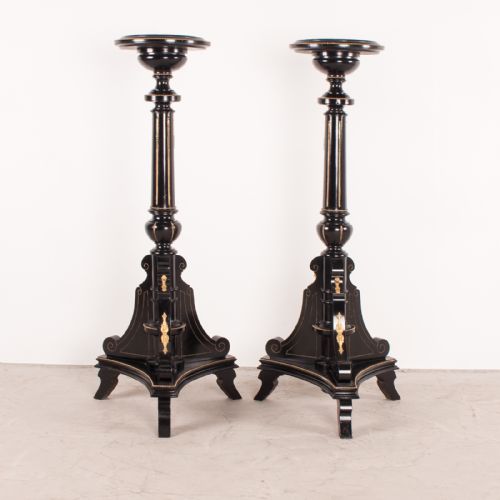
A tall candle stand brings vertical drama to a room, lifting light or greenery on timber, brass or iron pedestals.
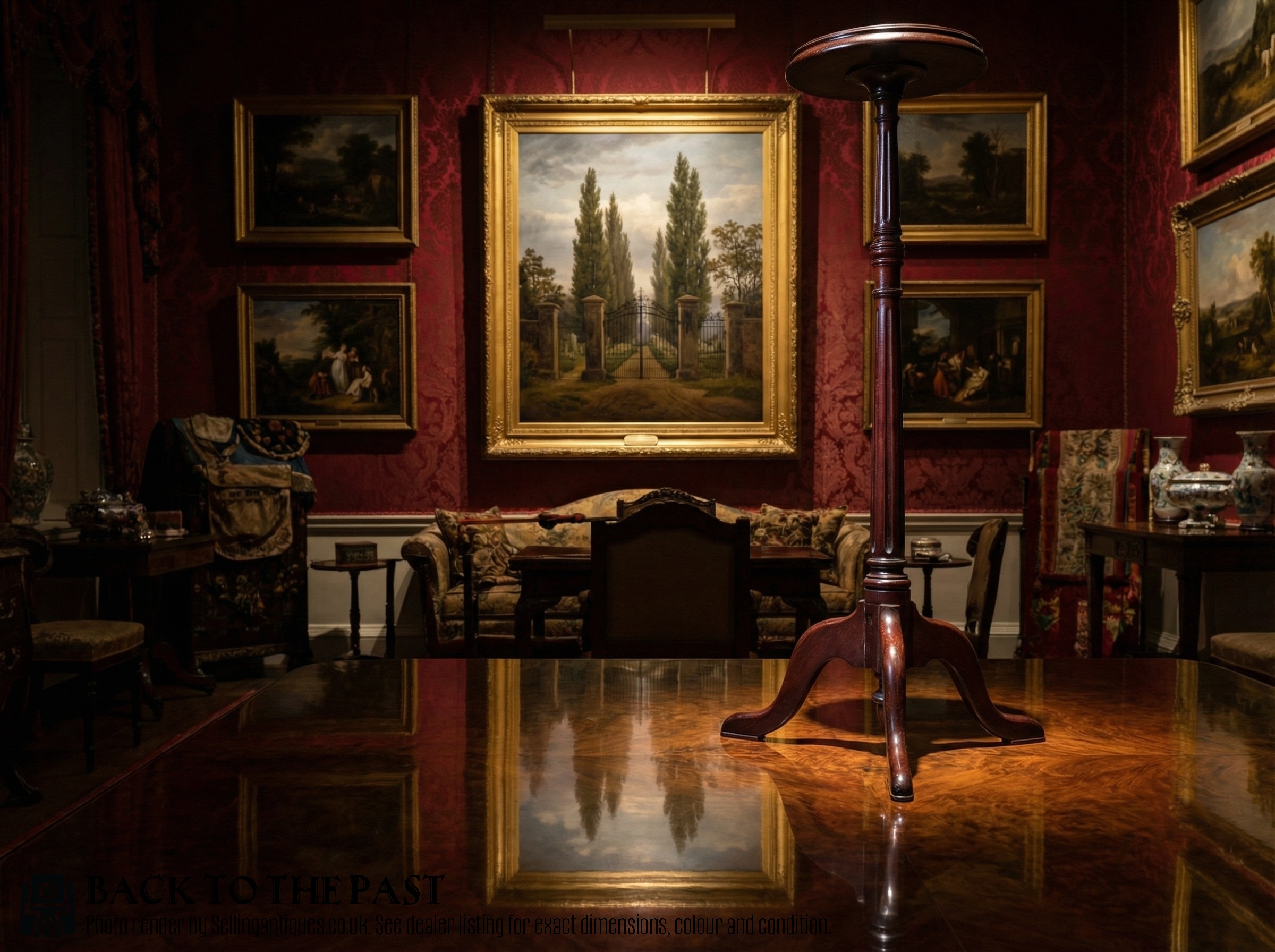
Tall Candle Stand
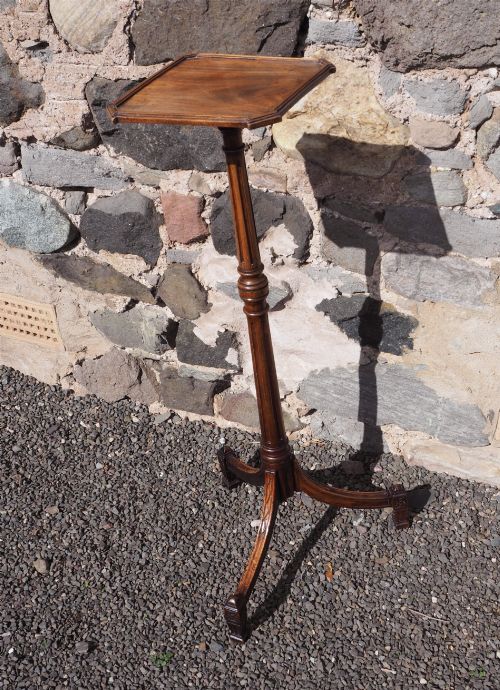
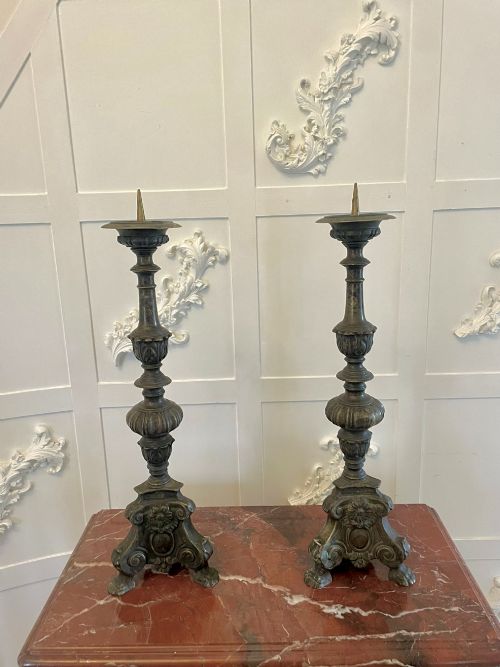
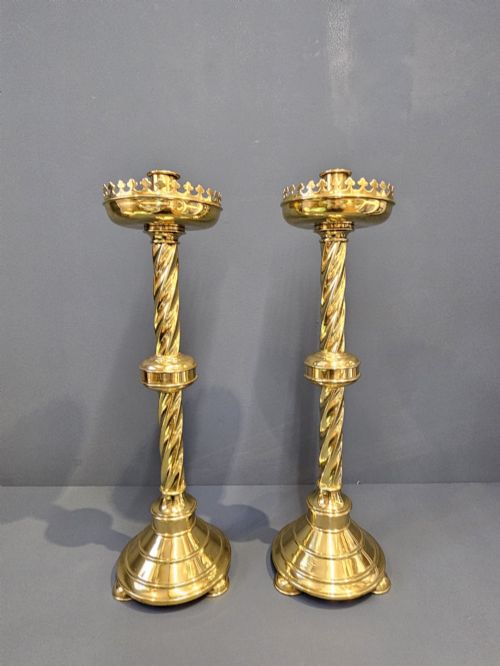
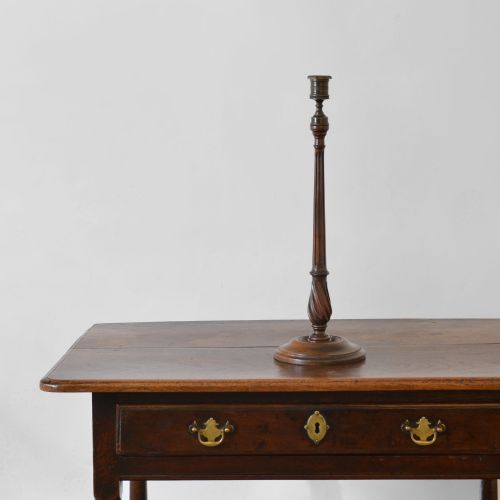
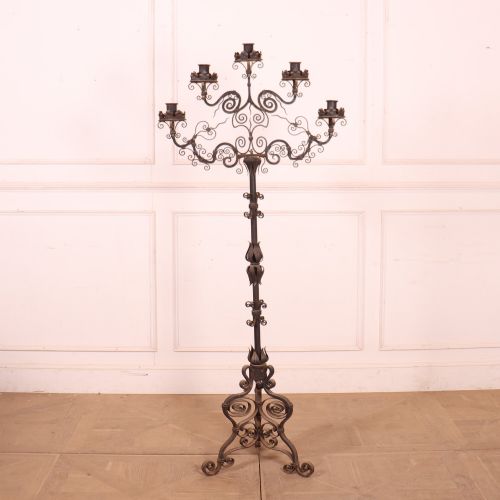
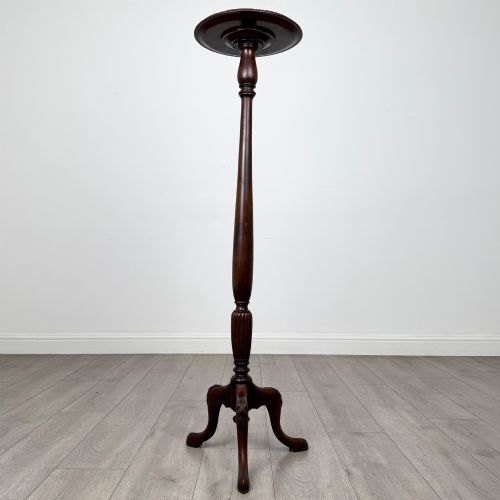
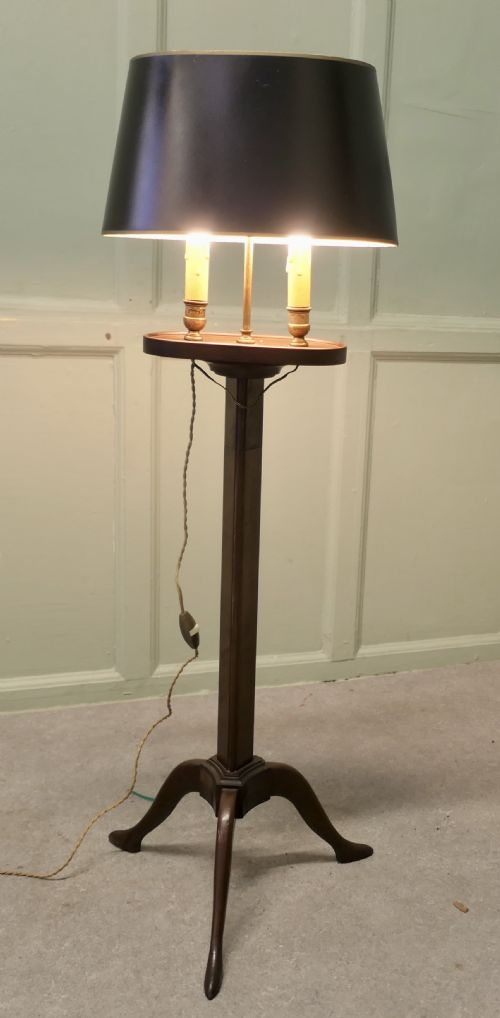
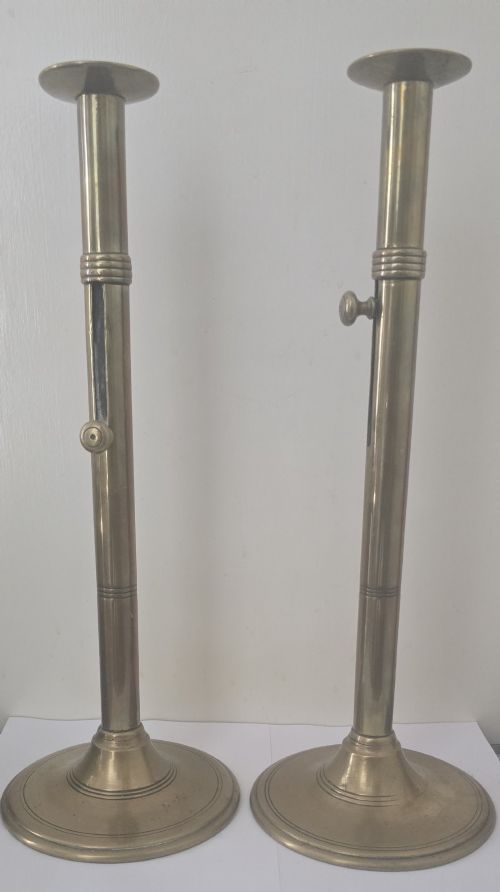
A tall candle stand encompasses slender torcheres, heavy church candlesticks, and multi-light floor candelabras designed to raise a flame or plant above floor level. When you search for a tall candle stand, you meet objects spanning the eighteenth, nineteenth, and early twentieth centuries, fashioned in mahogany, walnut, brass, bronze, and wrought iron.
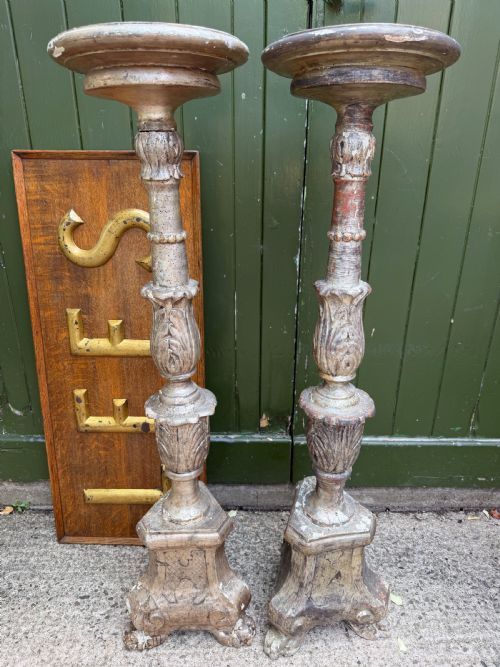
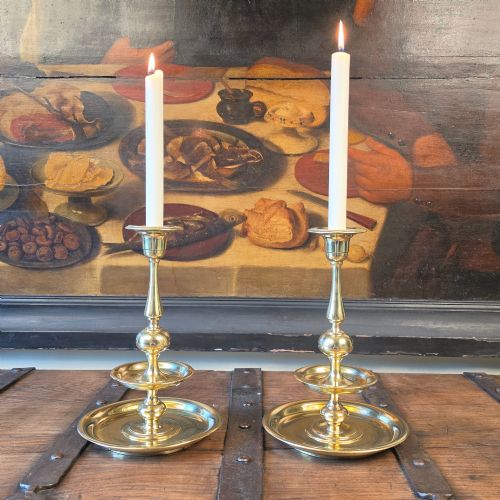
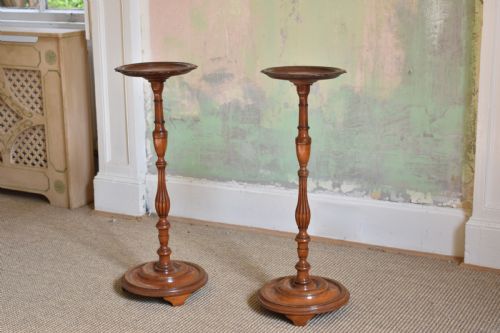
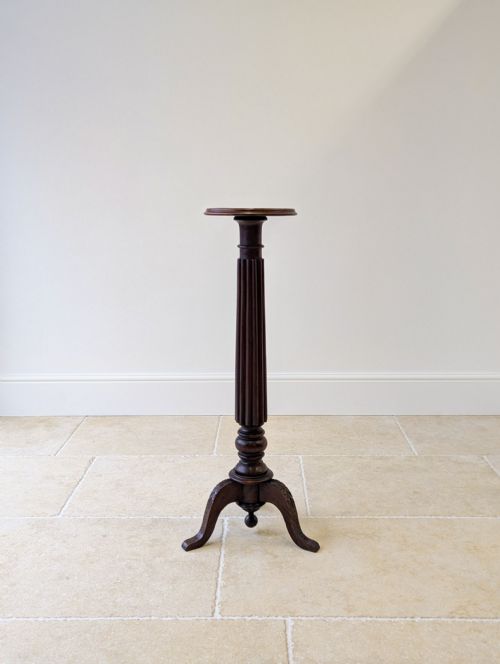
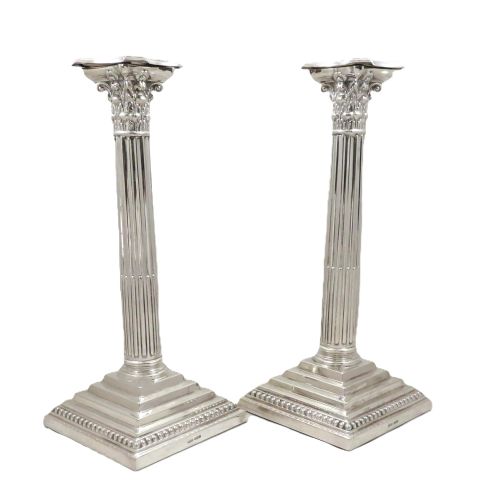
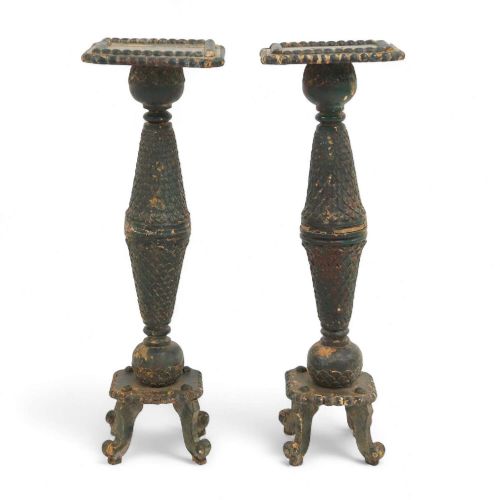
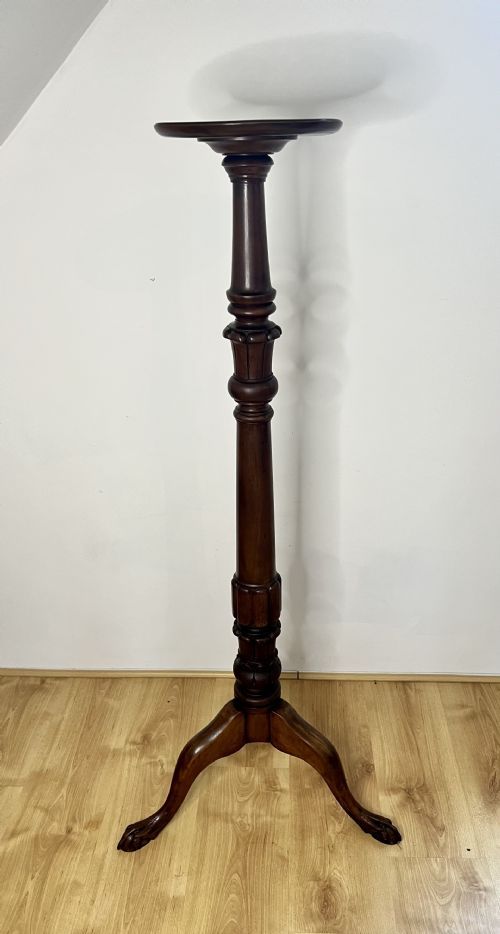
Mahogany and walnut torcheres frequently arrive from Georgian or Victorian workshops, often featuring carved columns and circular tops intended for display. Brass and bronze church candlesticks appear regularly, alongside architectural wrought iron floor pieces and painted Italian pinewood variants.
Materials and Technique
Turned and carved timbers such as mahogany, satinwood, and walnut form the backbone of wooden stands, sometimes incorporating inlaid veneers, silvering, or original green paint. Metal examples rely on cast brass, seamed bronze, copper, and forged wrought iron to support heavier pricket spikes or socket nozzles.
Construction methods unite carpentry and metalworking traditions, joining slender pedestals to weighted bases for stability. Wood turnings provide the vertical height, whilst metal components utilise casting and riveting to secure the candle plates.
Some slender timber columns retain stubborn traces of original green paint beneath layers of polished wax, whispering of forgotten garden rooms.
Craft and Proportion
The distinction between ordinary and superior pieces rests on the crispness of timber carving, the integrity of original surfaces, and structural proportion. Hand-turned fluting, detailed acanthus leaves, and clean casting seams indicate careful workshop execution.
Balance and stability separate better examples from lesser ones, since a tall pedestal requires precise weight distribution at the base. Original paint, untouched patination on brass, and intact wooden joints elevate a piece above later restorations.
The Tall Candle Stand Glossary
- Torchere
- A tall stand designed to hold a light or a decorative vessel. Originating in the seventeenth century, these slim pedestals lift illumination or plants into the room space.
- Pricket candlestick
- A metal candlestick featuring an upward-pointing spike that secures the base of a candle. These appear frequently on ecclesiastical and heavy floor stands.
- Gesso
- A plaster-like mixture applied to wood surfaces as a smooth base for painting or gilding. This material often cracks with age, revealing the groundwork beneath.
- Ejector
- A small side lever fitted to brass candlesticks to push the candle stub upward for removal. This mechanical addition helps date domestic metalwork.
Tall Candle Stand: Frequently Asked Questions
What is a torchere?
A torchere is a tall, slender stand traditionally used to support a single candle or lamp. These pieces provide vertical accent lighting in corners or beside furniture.
Over time, many torcheres adapt to hold plant pots or decorative urns while retaining their original slender silhouette.
How were church candlesticks used?
Church candlesticks stood on altars or directly on stone floors to provide illumination for ecclesiastical services. Their substantial brass, bronze, or iron construction ensured they remained stable during heavy use.
Many surviving examples feature pricket spikes designed to hold large wax candles securely in place during ceremonies.
How do I date a wooden stand?
Dating relies on identifying timber species, turning styles, and construction marks left by hand tools. Georgian pieces often show fine mahogany grains and classical proportions, while Victorian versions employ heavier mouldings.
Examine the underside of the top and the base for old screw holes, tool marks, and natural wood oxidation that confirm age.