
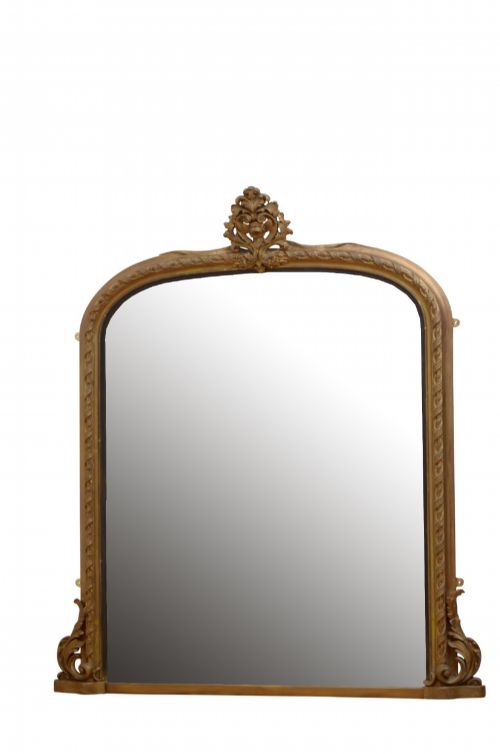
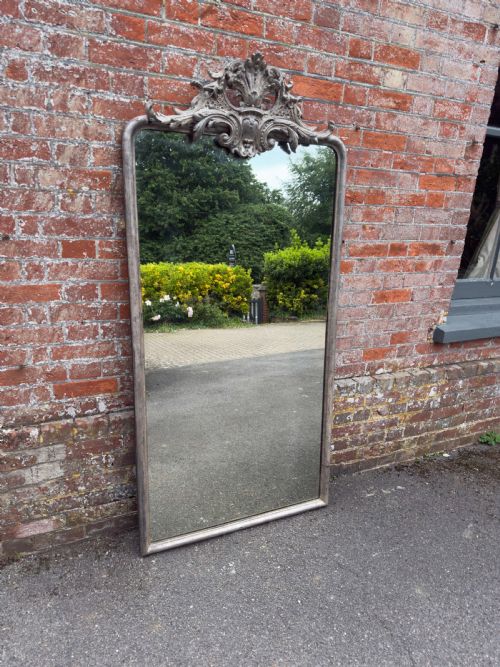

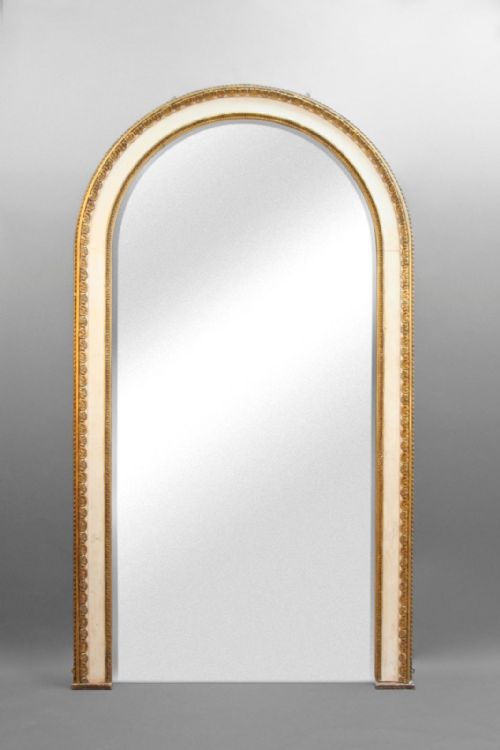
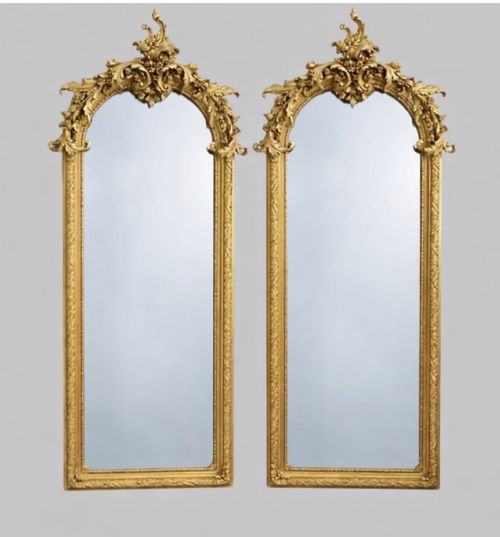


Tall Arched Mirror
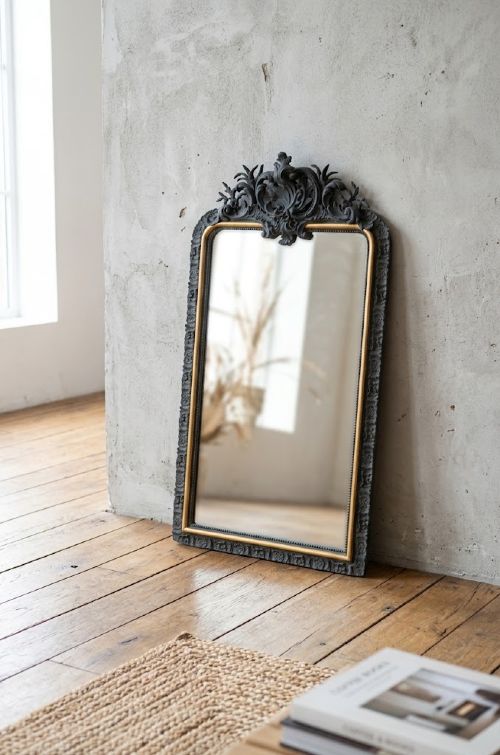
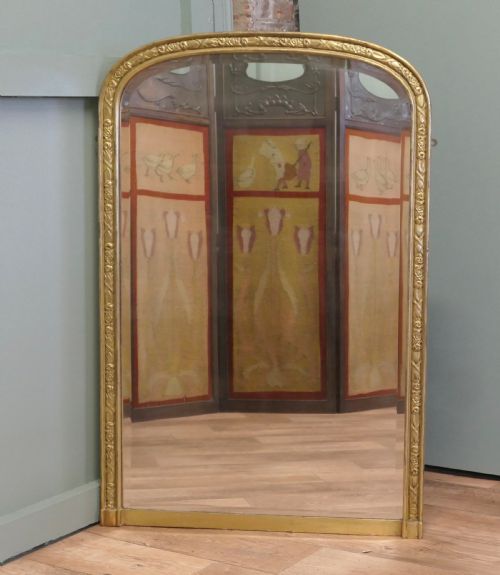
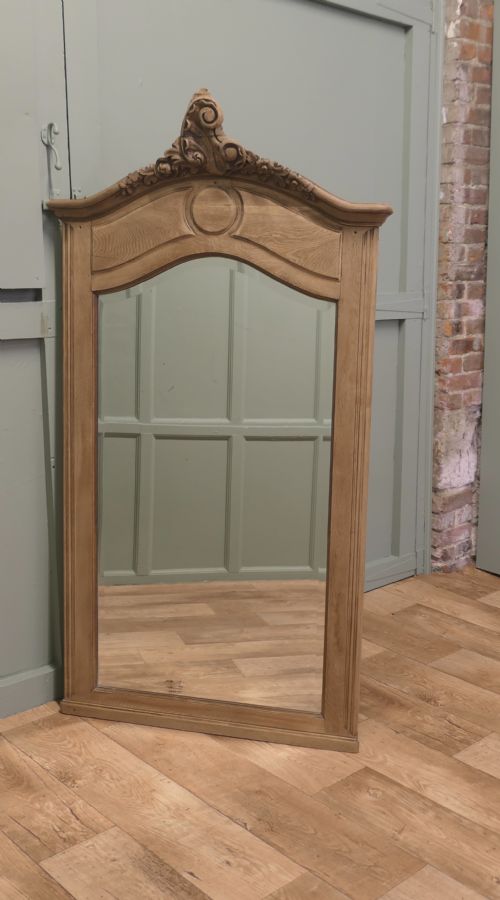
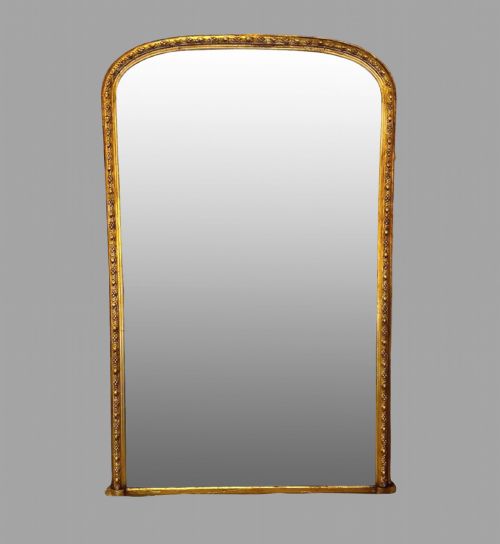
A tall arched mirror brings height and reflected light into a room, drawing the eye upward with its curved top.
Tall Arched Mirror
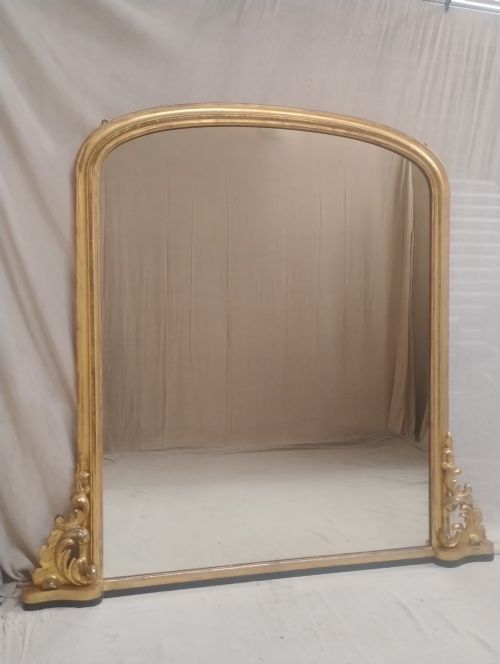
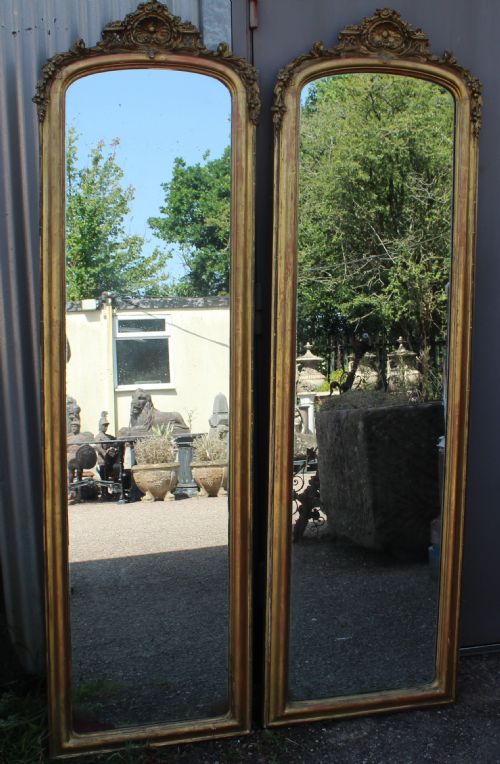
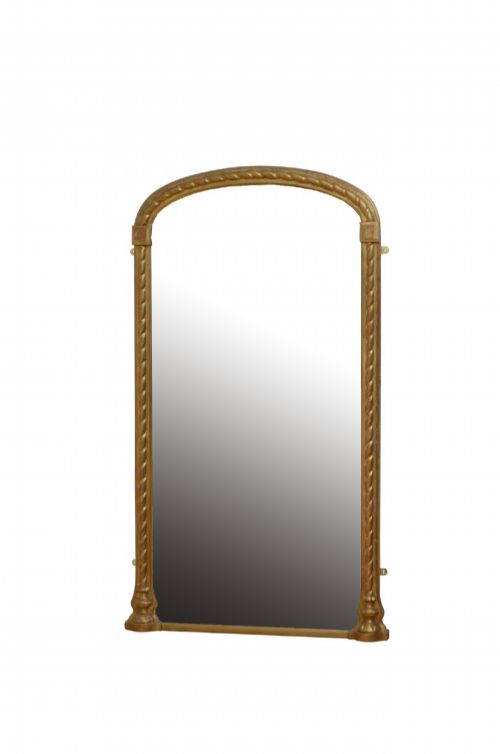
A tall arched mirror is a vertical looking glass designed to hang on a wall, lean against a surface, or stand independently as a floor or dressing glass. When you search for a tall arched mirror, you encounter forms that span several centuries and stylistic traditions.
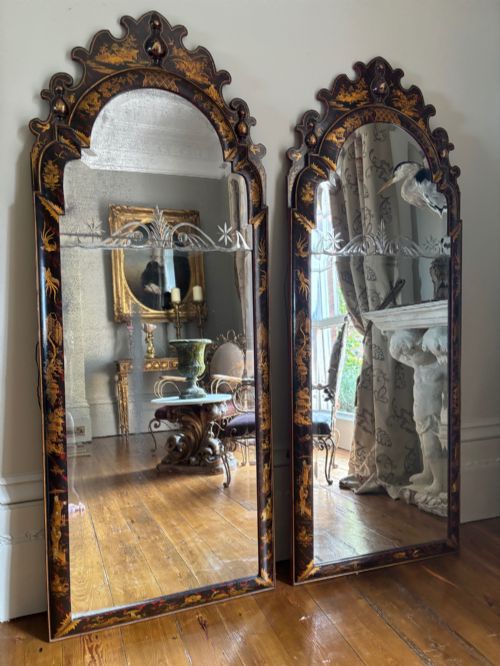
The selections on this page draw heavily from nineteenth-century European production, particularly French Louis Philippe and giltwood pier mirrors. Overmantel mirrors and full-length dressing glasses also appear alongside carved wood and painted variants.
How they were made
Carpenters constructed the structural frames from timbers such as oak, walnut, mahogany, and birch, often applying carved wooden ornaments or moulded gesso relief directly to the base. Artisans then finished these surfaces with gold leaf, silver, paint, or eglomise panels.
Mirror glass was set into the rebated frames behind protective backboards, with silvering applied to the rear surface to create the reflective plane.
The listings span the Georgian, Victorian, and nineteenth-century periods, utilising materials including gesso, giltwood, paint, and walnut.
What varies in quality
The distinction between tiers of quality rests in the crispness of the hand-carved ornament and the depth of the gilding or paint layers on the wood and gesso. Superior examples retain their original mercury or early silvered glass plates and structural joinery without heavy replacement.
Proportion and the handling of the arched crest dictate visual success, separating standard utilitarian frames from pieces executed with sculptural ambition.
The Tall Arched Mirror Glossary
- Giltwood
- Wood that has been coated with a thin layer of gold leaf or gold powder over a prepared gesso ground. This finish creates a warm metallic sheen characteristic of formal nineteenth-century frames.
- Pier mirror
- A tall, narrow looking glass traditionally hung on the expanse of wall between two windows, often placed above a console table. These pieces maximise light in domestic interiors.
- Overmantel mirror
- A wide or tall mirror designed specifically to be positioned above a fireplace mantelpiece. They frequently incorporate arched tops to echo architectural openings.
- Louis Philippe
- A mid-nineteenth-century French style defined by clean, restrained curves and simple frames rather than excessive ornamentation. It remains a popular choice for understated interiors.
- Eglomise
- A technique where gold or silver leaf is applied to the reverse side of glass and then etched or painted. It adds a decorative border or panel to the mirror frame.
Tall Arched Mirror: Frequently Asked Questions
How do I hang a heavy tall arched mirror?
Heavy mirrors require secure wall fixing into masonry or direct wooden studs using rated brackets and screws that match the weight of the timber and glass.
Leaner mirrors rely on a stable floor surface and wall tethering to prevent tipping.
Where should I place a tall arched mirror?
These pieces function well opposite windows to maximise natural light or along narrow hallways to create a sense of expanded space.
Overmantel versions sit naturally above fireplace surrounds.
How do I clean antique mirror glass?
Use a soft microfibre cloth and a mild, ammonia-free cleaning solution sprayed onto the cloth rather than directly onto the glass.
Avoid touching the edges where the silvering may be fragile.
How can I tell a nineteenth-century mirror from a later copy?
Examine the backboards, frame construction methods, and the quality of the glass plate for signs of age such as foxing or hand-bevelling.
Nineteenth-century examples often show distinct tool marks and oxidisation patterns.