

Antique Gilded Trumeau
An antique gilded trumeau brings vertical proportion and painted panels together above a chimneypiece or console.
Antique Gilded Trumeau
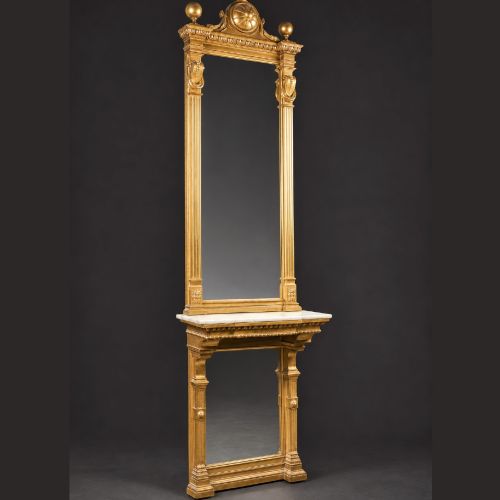
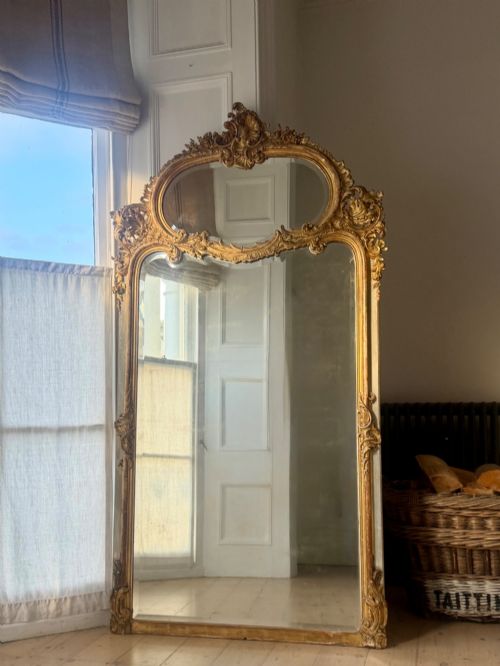
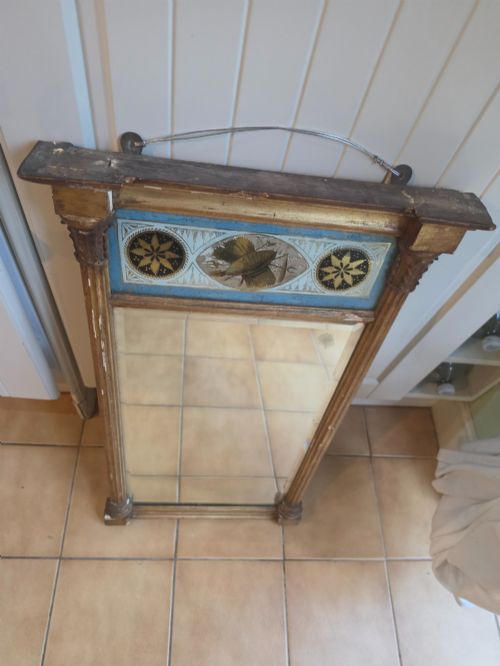
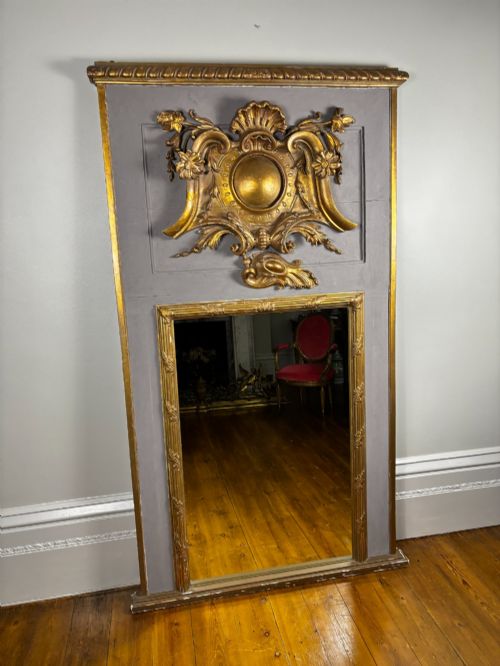
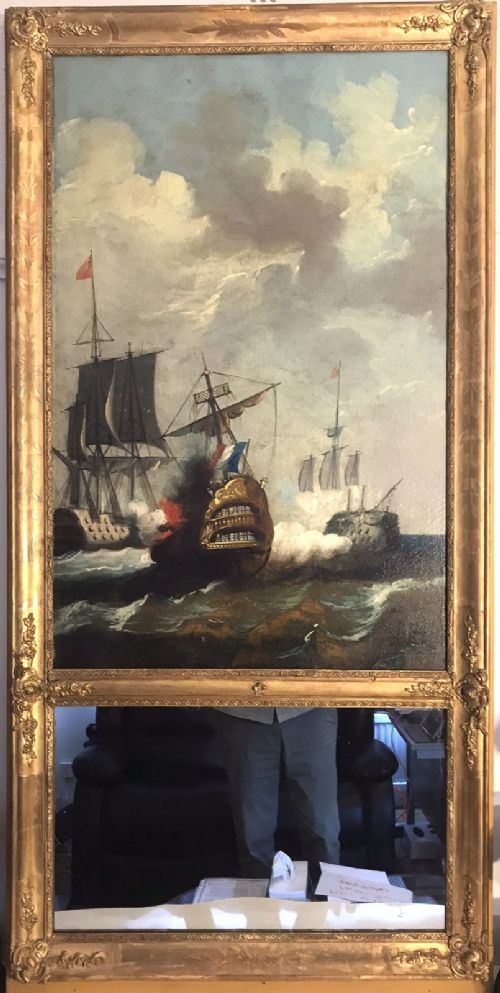
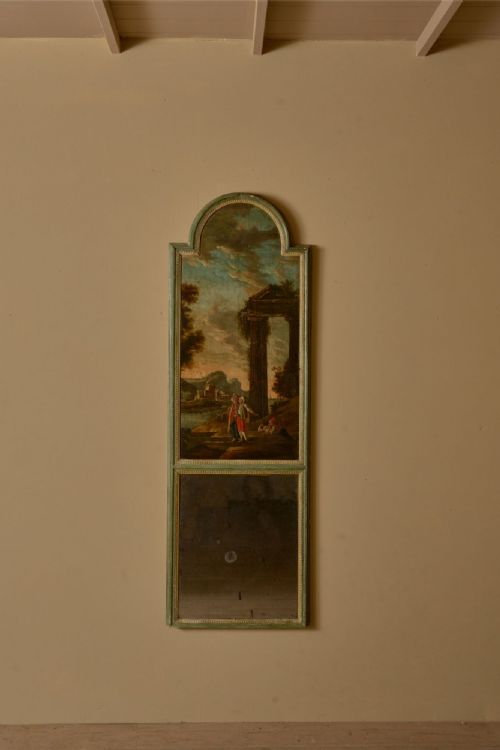
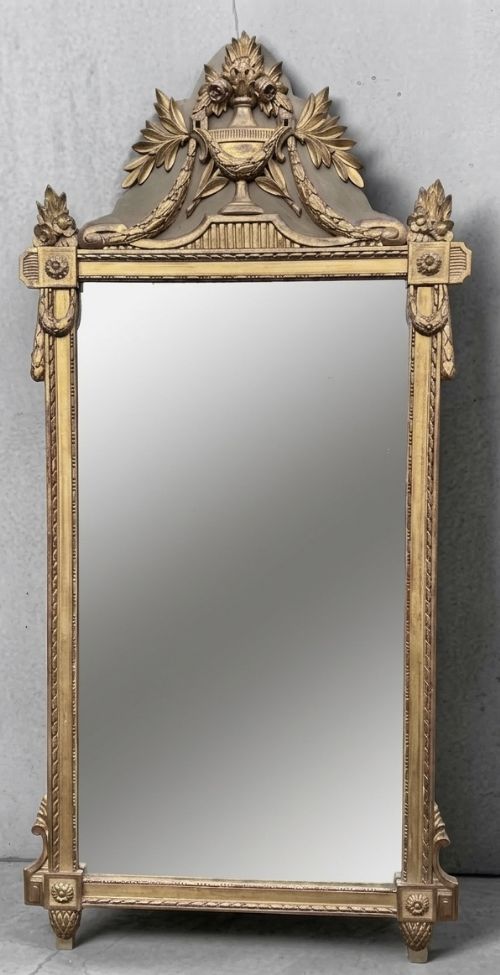
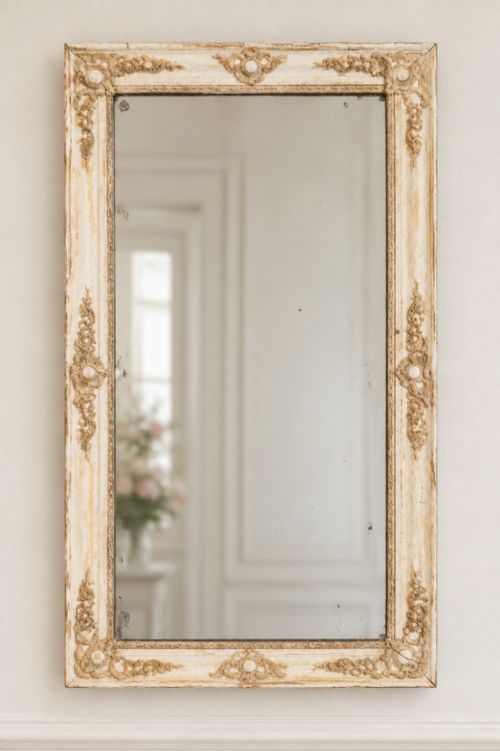
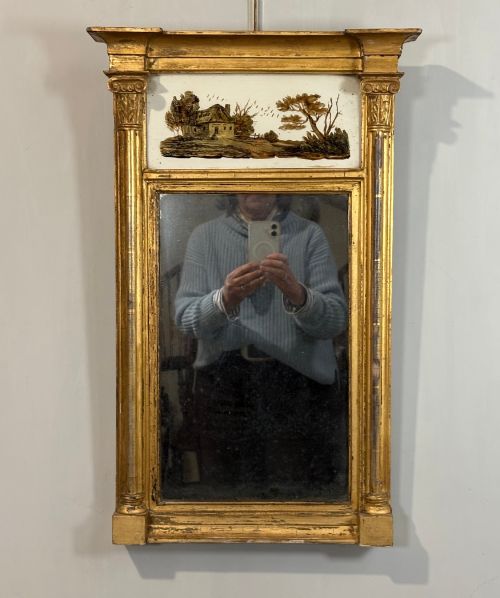
An antique gilded trumeau combines a mirror glass plate with an integrated upper panel, often decorated with a pastoral oil painting or a verre églomisé design. These architectural wall fixtures originate primarily from French and Regency interiors, designed to fit cleanly between windows or above fireplaces.
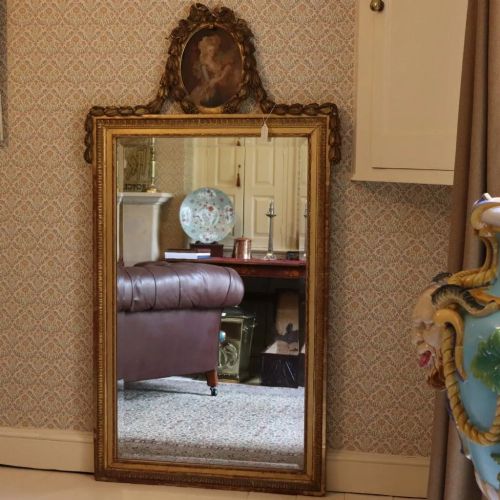
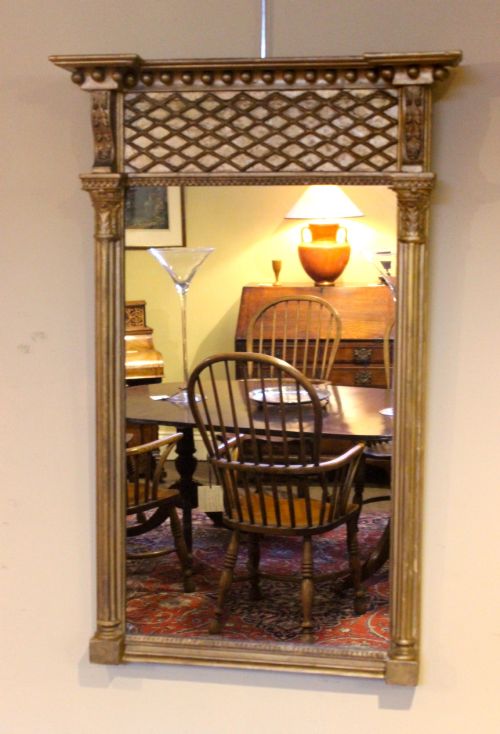
The most common examples encountered here date from the nineteenth century, reflecting Neoclassical, Louis XVI, and Regency tastes. Alongside full trumeaus, the selection includes related pier mirrors and overmantels sharing similar gilded and painted wooden frames.
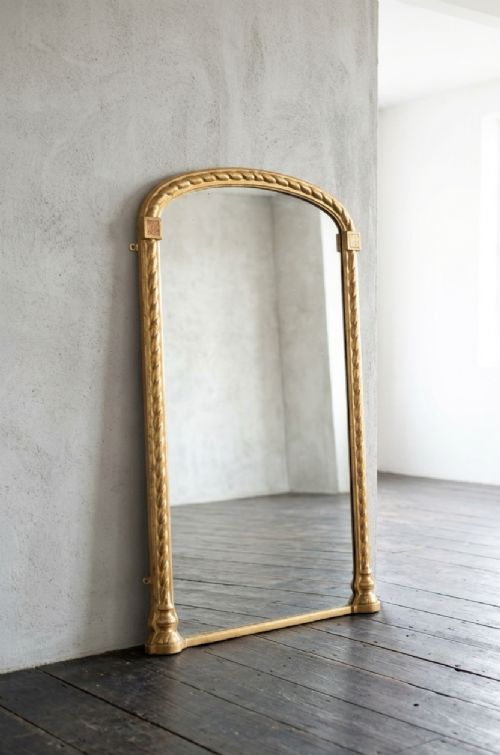
Makers and craftsmen built these large upright pieces to bounce light around formal rooms while serving as permanent decorative fixtures on the wall. Their proportions dictate a commanding presence, frequently stretching past one and a half metres in height.
Materials and construction
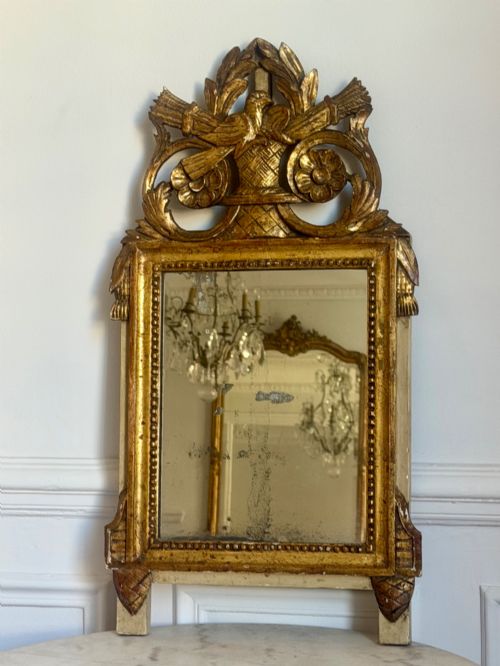
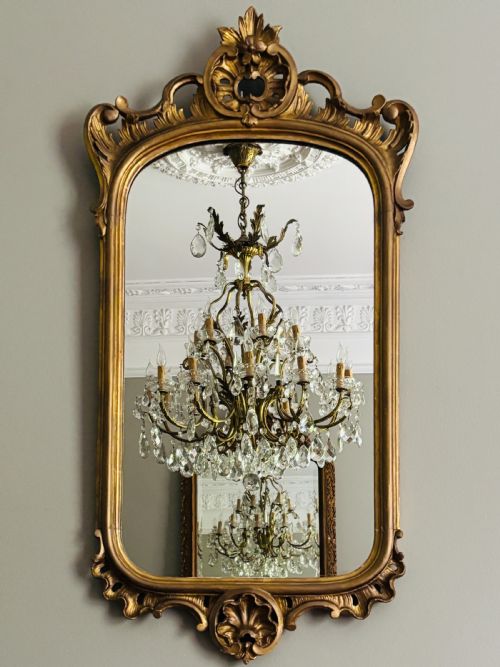
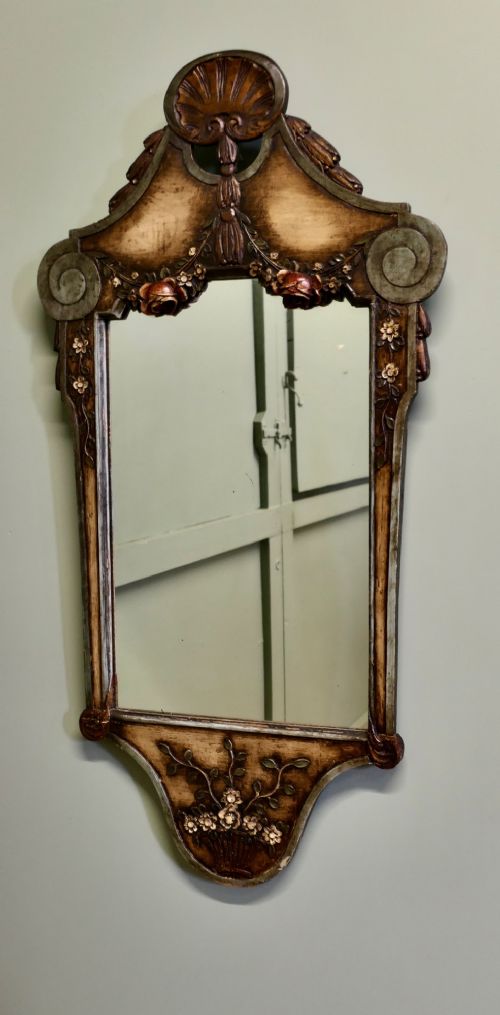
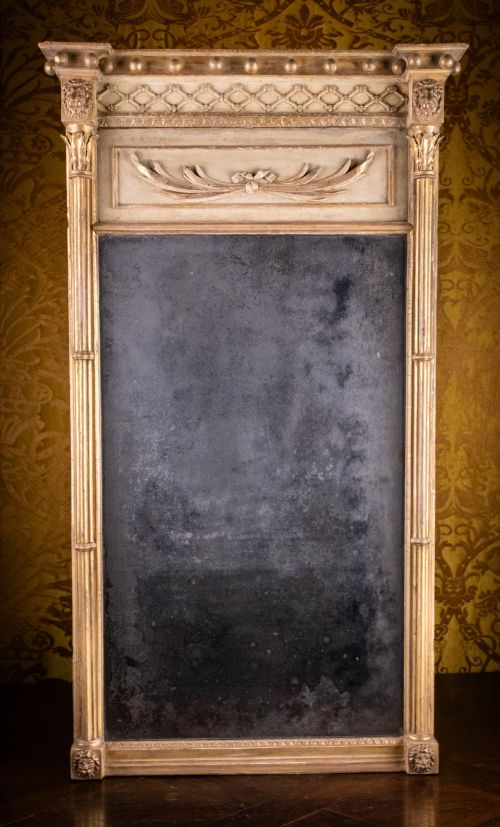
Carved wood frames provide the structural skeleton, finished with layers of gesso to create smooth surfaces for subsequent gilding with gold leaf. Craftsmen applied paint and burnished metal leaf by hand, frequently incorporating decorative elements like rope carvings, lion masks, or ribbon crests.
The reflective surfaces consist of original mercury glass or early mirror plates, which often display foxing and dark spots accumulated over the decades. Upper panels utilise canvas oil paintings or reverse-painted glass known as verre églomisé to complete the composition.
Antique Gilded Trumeau Retail Price Guide 2026
Typical asking prices for gilded trumeau among the pieces listed under this phrase on Sellingantiques today, from the lower quarter to the upper quarter. They describe what is for sale here now, not the wider market.
Several mirrors include pastoral oil paintings depicting tranquil rural scenes above the glass, giving homeowners a landscape view regardless of the weather outside.
Assessing quality
The finesse of the hand-carved wood ornamentation dictates the baseline of quality, separating mass-produced decorative items from finely sculpted joinery. Crisp details in the gesso work and depth in the gilt layers show the original artisan's skill.
Originality of the glass plate and the upper painted panel determines the desirability of the piece. Trumeaus retaining their untouched mercury glass and period oil paintings hold far more character than those fitted with modern mirror replacements.
The Antique Gilded Trumeau Glossary
- Trumeau
- A decorative wall mirror featuring an integrated upper panel painted with a scene or decorated with reverse glass painting. These architectural pieces usually hung between tall windows or above mantelpieces.
- Verre églomisé
- A cold decoration technique where artisan painters applied design motifs and gold leaf to the reverse side of glass panels. This method produced a deep, reflective sheen popular in Regency and Neoclassical frames.
- Gesso
- A plaster mixture applied to carved wooden frames to prepare the surface for gilding. It allowed carvers to shape crisp relief details before applying gold leaf.
- Foxing
- Age-related spots and discoloration appearing within the silvering of antique mirror glass. Collectors value this natural oxidation as proof of genuine age.
- Pier glass
- A tall wall mirror specifically scaled to hang on the narrow pier of wall situated between two windows.
Antique Gilded Trumeau: Frequently Asked Questions
Where should I hang a trumeau mirror?
These tall vertical mirrors work best mounted directly above a fireplace mantel or positioned between large windows where they can reflect natural light.
Because of their substantial height, ensure the wall fixings anchor securely into studs or masonry to support the heavy timber and glass construction safely.
What is the difference between a trumeau and a pier mirror?
A traditional pier mirror is designed specifically for the wall space between two windows, whereas a trumeau specifically incorporates a dedicated painted or carved panel directly above the mirror plate.
Many nineteenth-century examples blur these definitions by combining upright glass plates with decorative upper sections.
How do I clean antique mirror glass?
Use a soft, dry microfiber cloth to gently dust the surface without applying pressure to fragile corners or original backing materials.
Avoid commercial glass cleaners containing harsh chemicals, as moisture can seep behind the silvering and accelerate the deterioration of antique mercury glass.
Are the paintings on these mirrors original?
Most period trumeaus retain their original oil paintings or verre églomisé panels depicting pastoral scenes or classical motifs.
Close inspection under natural light reveals the craquelure and pigment stability consistent with nineteenth-century or earlier artists' materials.