

Large Hall Mirror
A large hall mirror anchors a grand entranceway, reflecting light and space while offering a final glance before stepping outside.
Large Hall Mirror
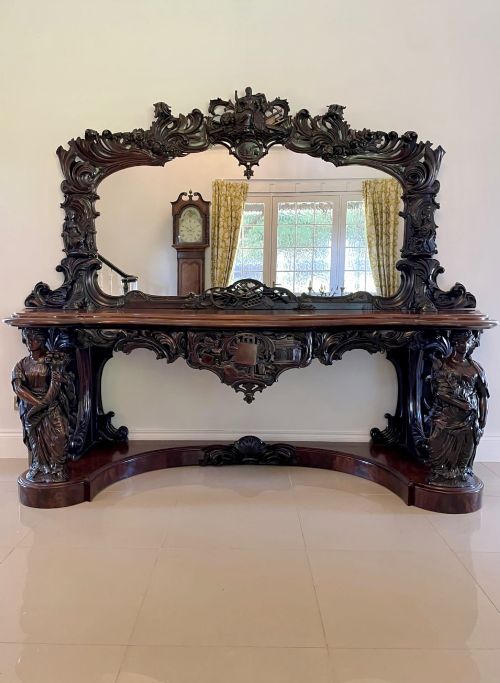
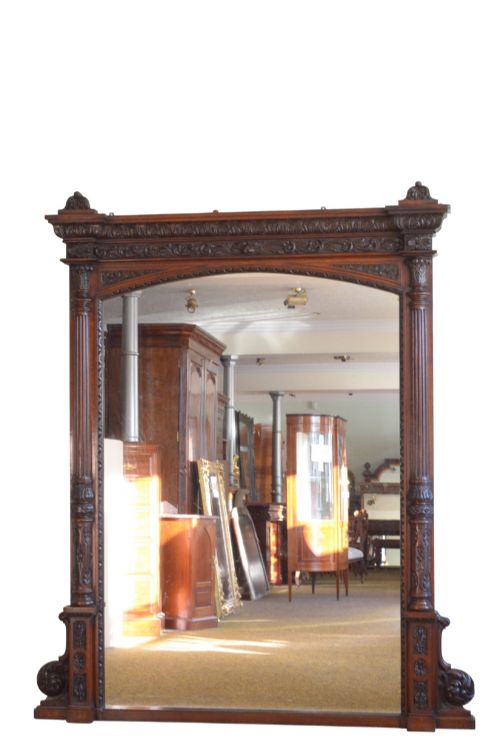
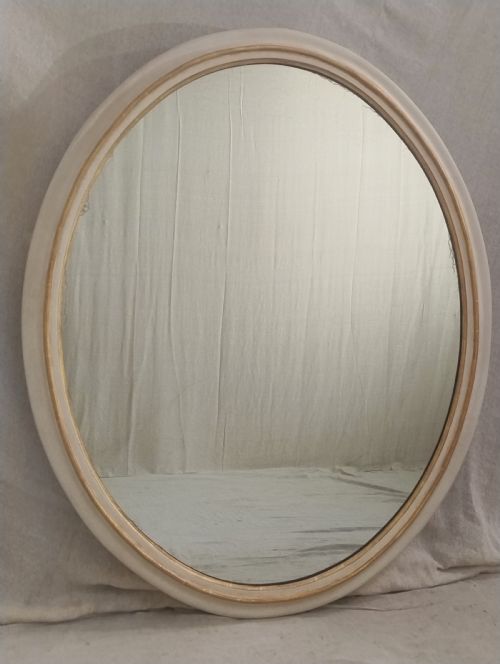
A large hall mirror serves as a commanding architectural element in an entrance hall, combining practicality with decorative presence. These pieces emerge predominantly from the nineteenth and early twentieth centuries, spanning Victorian, Edwardian, and Neoclassical design periods.
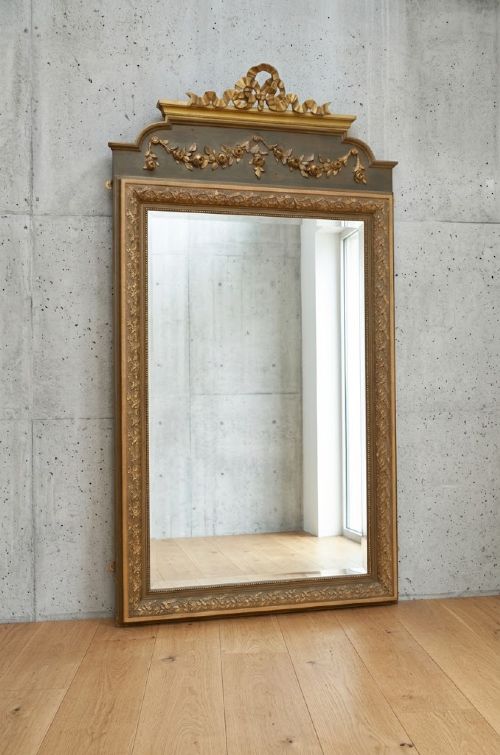
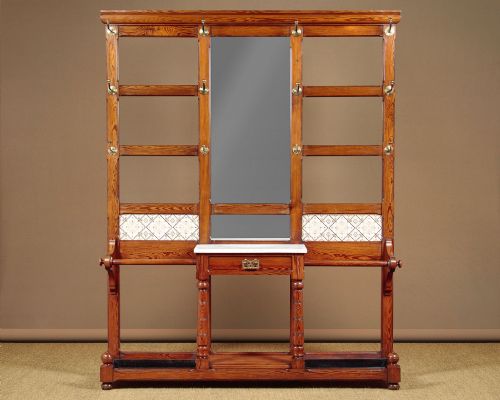
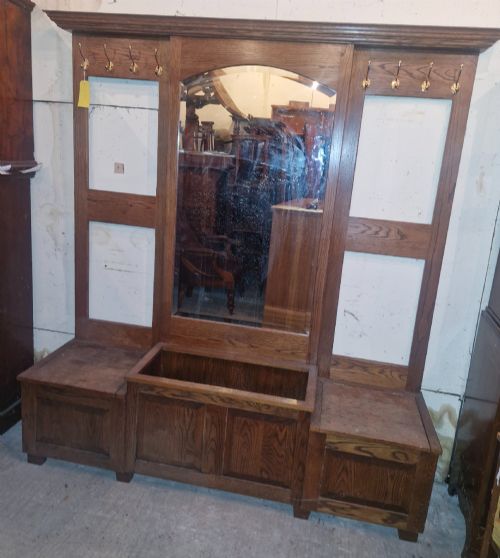
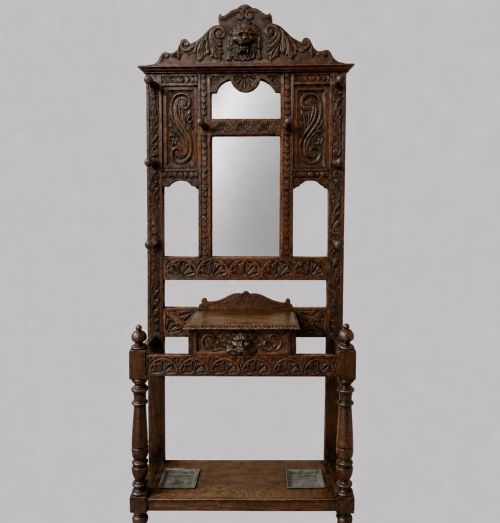
The selection ranges from tall pier mirrors designed for narrow wall spaces between doors to substantial overmantel formats adapted for grand vestibules. Many examples integrate fully with furniture, appearing as components of carved oak hall stands complete with coat hooks and umbrella wells.
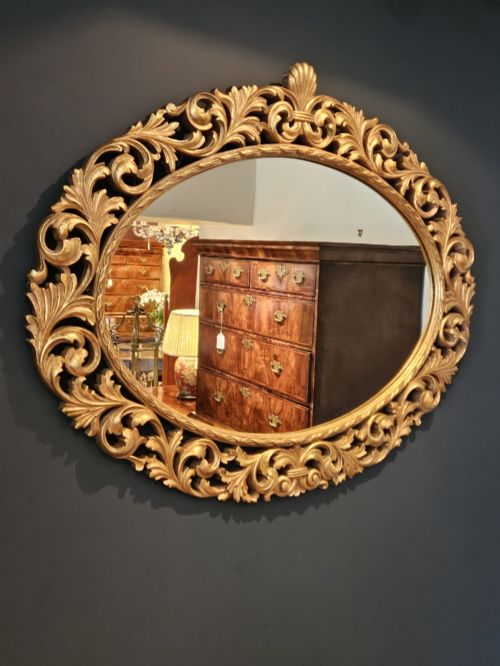
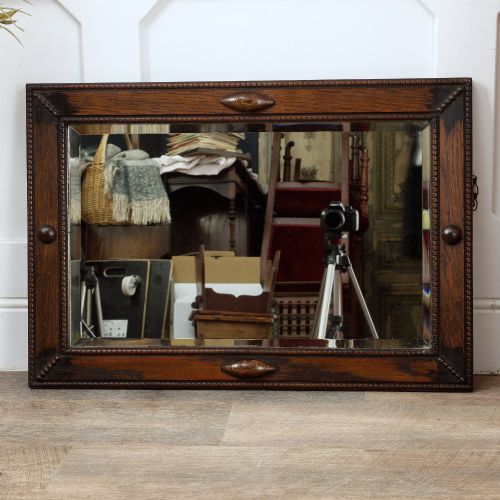
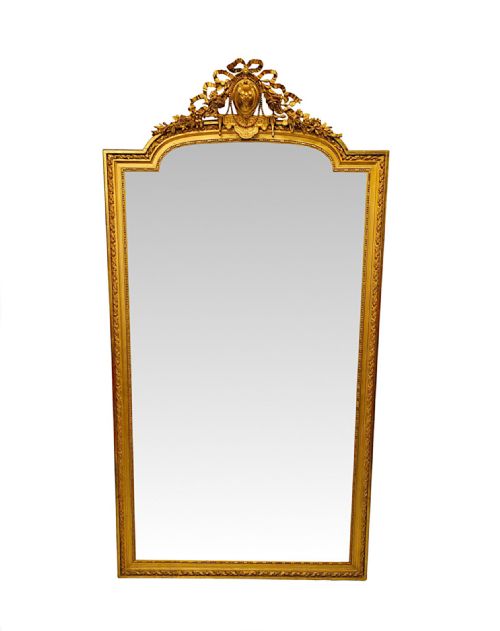
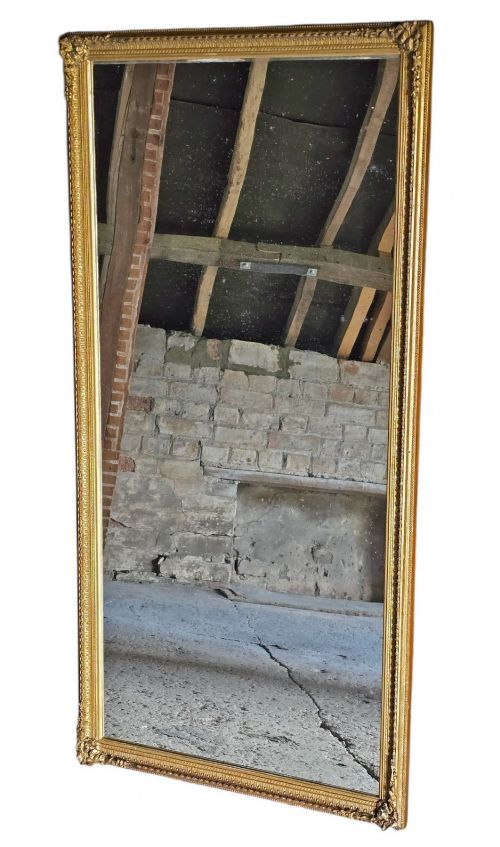
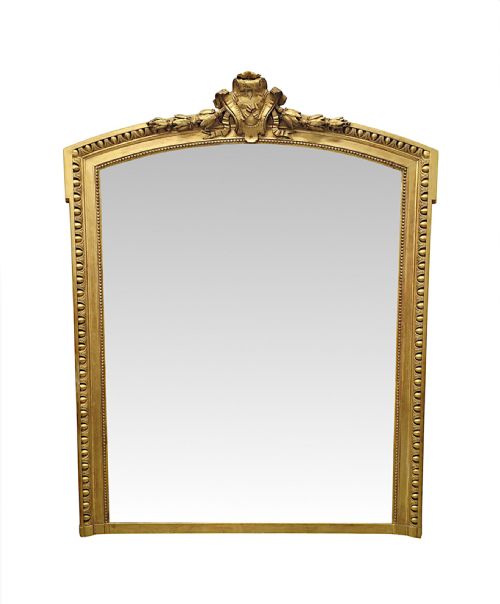
Makers utilised various regional styles, from ornate French Rococo Revival giltwood frames to solid English oak and mahogany structures. The primary function remains consistent: to dominate an interior transit space with reflective depth and substantial craftsmanship.
Materials and construction
Frames rely heavily on traditional timbers such as oak, walnut, mahogany, and pine, often shaped through carving and steam bending. Giltwood and gesso applications provide opulent surface decoration, layer upon layer of gold leaf applied over prepared plaster grounds.
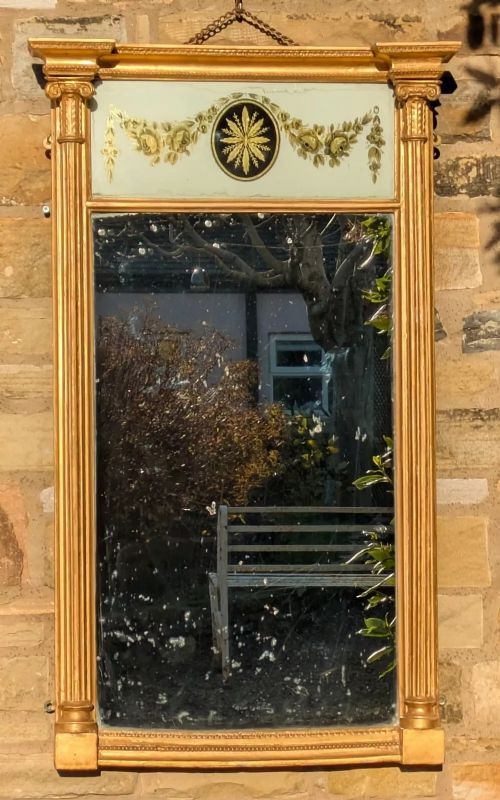
Glass production involves heavy plate mirror glass, frequently featuring bevelled edges that catch the light at deliberate angles. Some specialised pieces incorporate verre églomisé panels, applying reverse painting and gilding to glass for decorative effect.
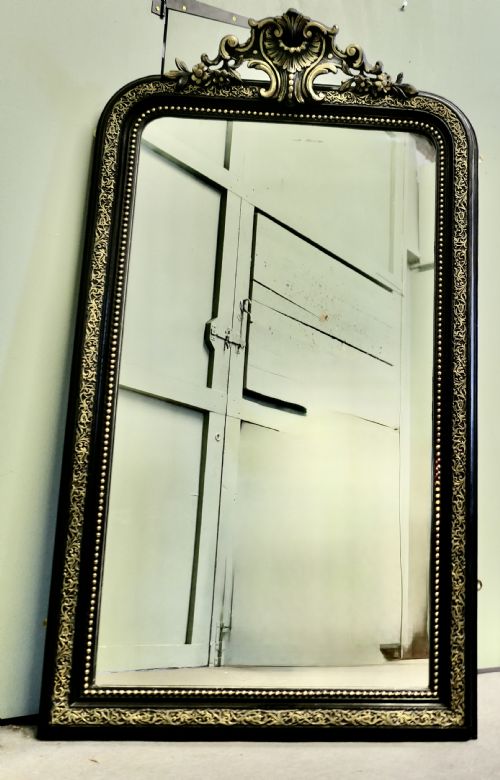
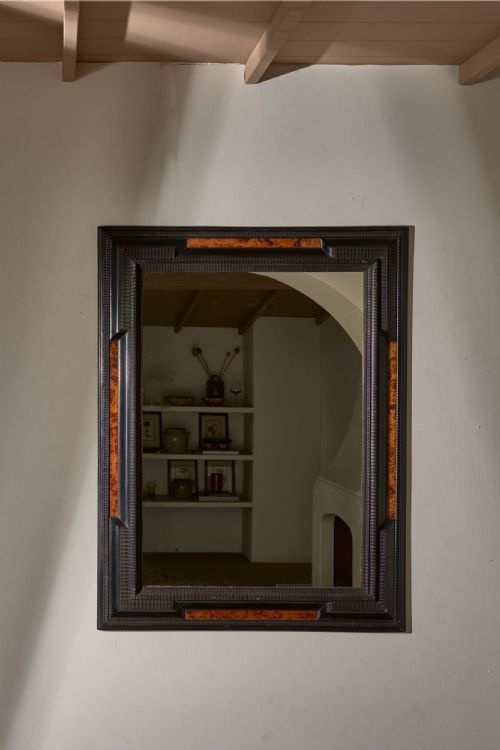
Materials recorded across the archive include solid mahogany, ebonised pine, brass, gesso, and silvered metal, paired with traditional plate and bevelled glass.
Judging quality and execution
Depth and crispness of the wood carving distinguish superior examples from standard production, particularly in the hand-modelled gesso details and applied ornamentation like ribbon crests or cartouches. Superior pieces retain original mercury or early plate glass with minimal degradation, whereas lesser or restored items rely on replacement mirror glass.
Structural integrity in large timber frames and integrated hall stands depends on robust joinery that supports heavy glass without twisting. The handling of secondary woods and the presence of original gilding rather than modern overpainting separate museum-grade furnishings from decorative country pieces.
The Large Hall Mirror Glossary
- Pier glass
- A tall mirror designed specifically to hang on the narrow pier of wall space between two windows or doors. These vertical formats maximise natural light in gloomy hallways.
- Gesso
- A plaster-like mixture applied to wood frames to create a smooth surface for gilding. Intricate relief ornaments are often moulded in gesso before applying gold leaf.
- Verre églomisé
- A cold decoration technique involving the application of gold or silver leaf onto glass, then drawing and etching designs into the metal layer. This creates a reflective, shimmering background panel.
- Cartouche
- An ornamental tablet or oval frame design resembling a rolled-up piece of parchment, frequently centered at the top of grand mirror crestings.
- Overmantel mirror
- A wide mirror originally designed to sit above a fireplace mantel, frequently utilised in large halls above grand console tables or fireplaces.
Large Hall Mirror: Frequently Asked Questions
Were these mirrors always used in hallways?
While many substantial frames serve entryways today, historical placement varied widely between domestic and civic interiors. Pier glasses, overmantel mirrors, and dressing mirrors frequently transitioned between drawing rooms, bedrooms, and grand halls.
Makers built tall mirrors wherever natural light required amplification or where architectural symmetry demanded a reflective focal point.
How can I distinguish original glass from replacement glass?
Original mirror glass often exhibits subtle foxing, minor silvering loss, and slight optical distortions created by historical manufacturing methods. Modern replacement glass appears perfectly uniform, exceptionally clear, and lacks surface patina.
Inspect the mirror plate from an angle to observe the depth of the reflection and any hand-bevelled edges typical of nineteenth-century workshops.
What is a hall stand with a mirror?
A hall stand combines a wall mirror with structural timber framework, umbrella stands, glove boxes, and coat hooks into a single multi-functional hall furniture piece. These items emerged strongly during the Victorian and Edwardian periods for entrance organisation.
Examples range from modest pine structures to exhibition-quality carved oak and mahogany designs featuring intricate Green Man motifs.