




Arched Pier Glass
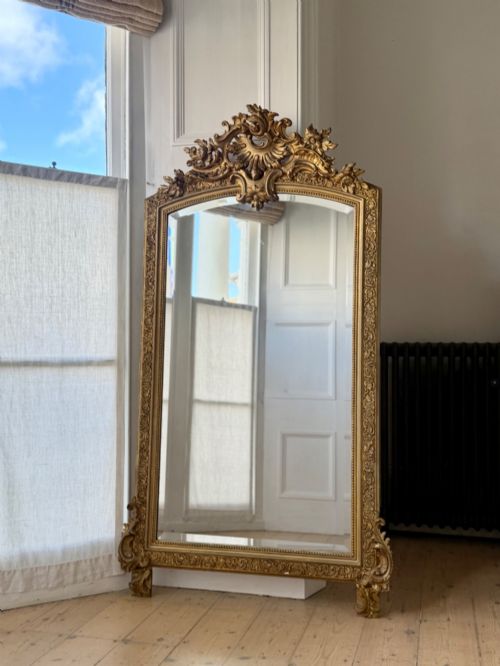
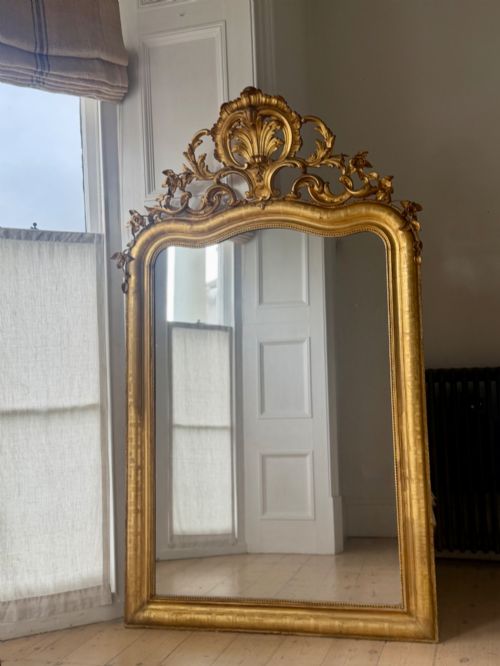
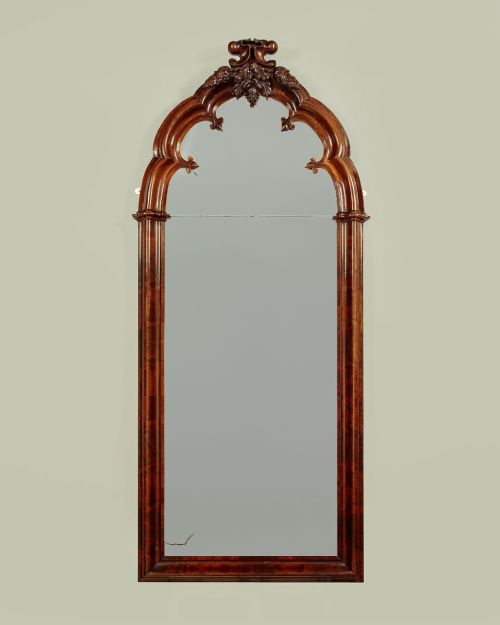
An arched pier glass stands tall between windows, bringing historic light and presence into a room through carved wood and silvered glass.
Arched Pier Glass
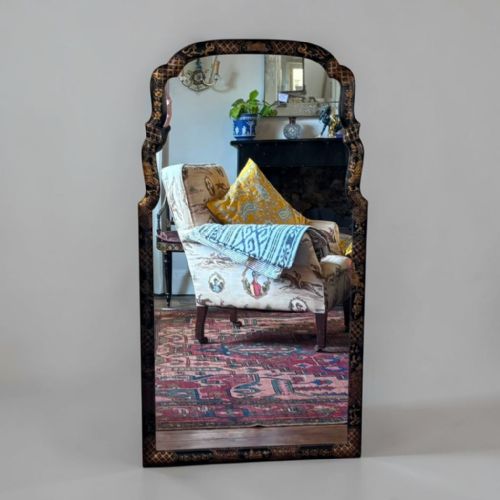
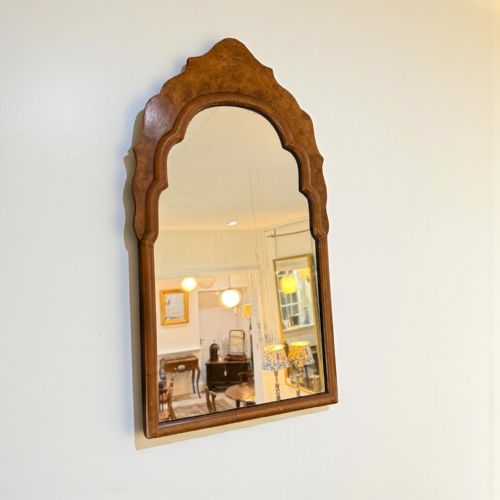
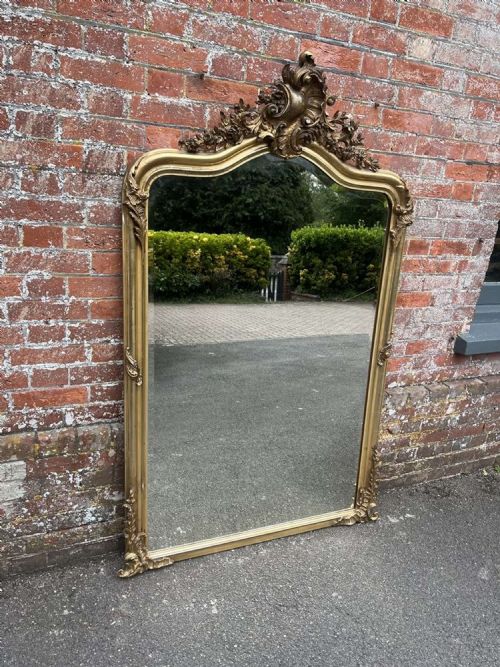
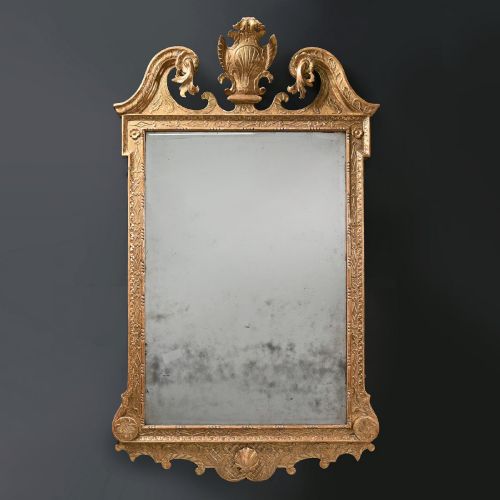
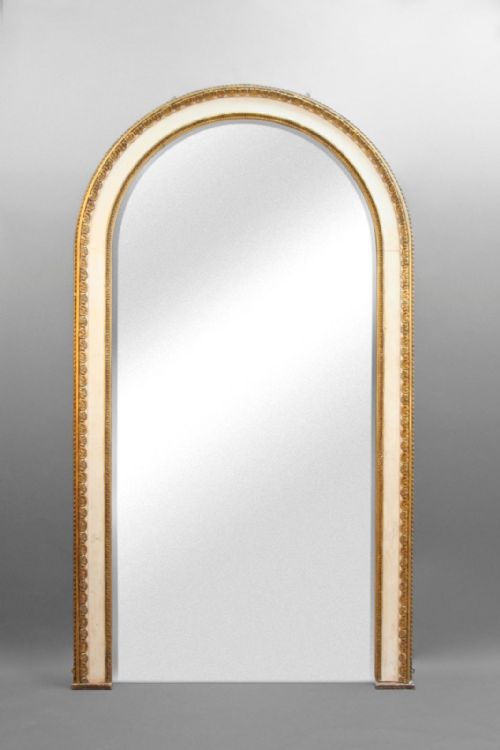
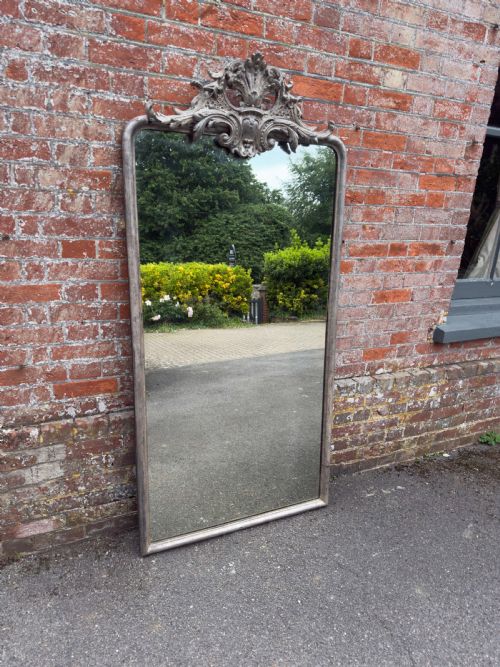
An arched pier glass is a tall, narrow looking glass designed to hang on the wall space, known as the pier, between two windows. Buyers searching for an arched pier glass encounter tall wall mirrors spanning the eighteenth and nineteenth centuries, with Victorian examples and French nineteenth-century pieces appearing frequently.
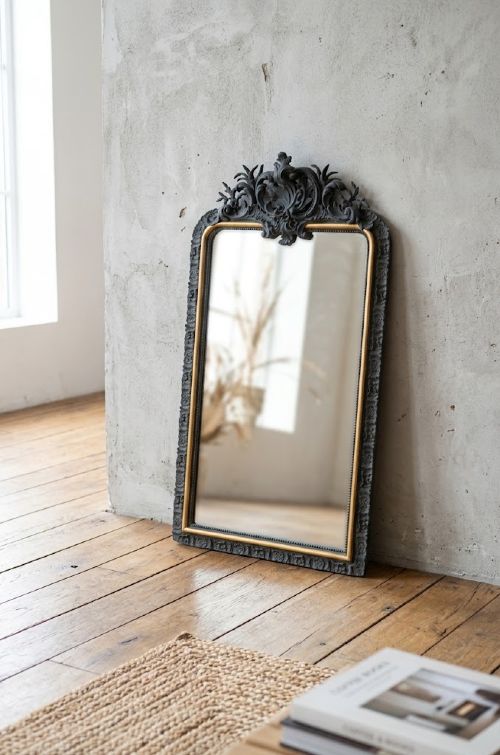
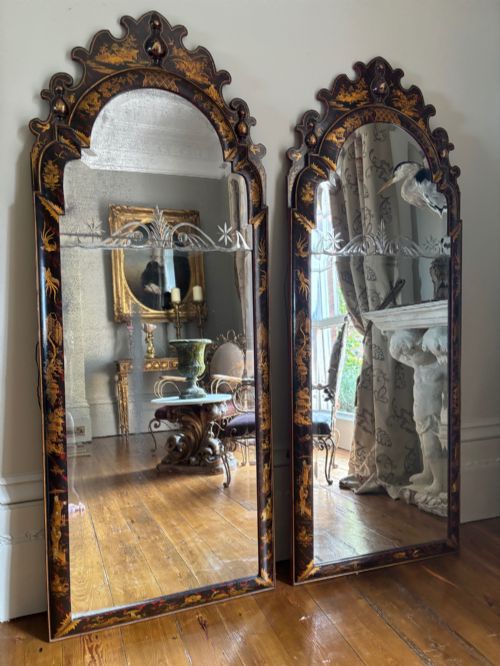
The selection includes French Empire, Rococo Revival, and George II styles, alongside Queen Anne Revival and Swedish Empire revival birch mirrors. These tall rectangular frames typically feature shaped or arched tops, serving as both functional looking glasses and architectural wall decorations.
Materials and Construction
Frames are constructed from carved wood, walnut, and birch, often built up with gesso to receive intricate surface decoration. Giltwood, gold leaf, paint, and silvered finishes provide the reflective and ornamental exterior characteristic of these historic mirrors.
Glass plates are set within these heavy wooden and gesso structures, occasionally accompanied by eglomise panels or japanned decoration. Carved relief work defines the French and English pieces from the eighteenth and nineteenth centuries.
Arched Pier Glass Retail Price Guide 2026
Typical asking prices for arched pier glass among the pieces listed under this phrase on Sellingantiques today, from the lower quarter to the upper quarter. They describe what is for sale here now, not the wider market.
Assessing Quality and Handiwork
The distinction in quality rests upon the depth and sharpness of the hand-carved wood and gesso ornamentation. Finer examples display crisp detail in the scrolling foliage and architectural moulding rather than heavy, dull plaster casts.
Original surface treatments, such as untouched gold leaf, early silvering, and original paint or japanning, elevate a piece above later overpainted or stripped surfaces. The proportion of the arch and the clarity of the glass plate further determine the standing of the mirror.
The Arched Pier Glass Glossary
- Pier glass
- A tall mirror specifically proportioned to hang on the wall space between two windows. It often sat above a pier table.
- Gesso
- A plaster-like mixture applied to carved wood frames to create a smooth surface for gilding or painting. It allows for deep, intricate relief moulding.
- Eglomise
- A technique where gold or silver leaf is applied to the reverse of glass and then etched or painted. It often appears in the upper panel of a pier mirror.
- Japannan
- European imitation of East Asian lacquerwork, created using layered paints and varnishes. It is seen on revival mirrors from the nineteenth century.
- Giltwood
- Timber carved and coated with gold leaf or metallic powder. This finish reflects candlelight and daylight within a formal interior.
Arched Pier Glass: Frequently Asked Questions
Where should I hang an arched pier glass?
These tall mirrors suit narrow wall spaces, particularly the wall section situated between two windows where they bounce natural light back into the room.
They also function effectively above a console table or mantelpiece, where their height draws the eye upward and alters the perceived proportions of the interior.
How do I date an antique pier glass?
Dating relies on examining the timber construction, the style of the carved gesso decoration, and the character of the mirror plate itself. Eighteenth-century pieces often show different frame joinery and proportions compared to Victorian or nineteenth-century French revival examples.
Secondary woods at the back of the frame and the method of gilding provide further clues to the period of manufacture.
What is the difference between a pier glass and an overmantel mirror?
A pier glass is traditionally narrow and tall to fit the wall space between windows, whereas an overmantel mirror is wider to span the horizontal space above a fireplace.
While makers sometimes used the terms interchangeably in historical listings, their original architectural functions dictated distinct proportions.
Are the mirror plates original?
Antique mirrors of the eighteenth and nineteenth centuries may retain their original silvered glass, which often exhibits foxing, speckling, and dark patches from age.
Some pieces have received replacement glass plates over the decades to maintain a clearer reflection while preserving the historic frame.