




Swedish Pine Sideboard
A swedish pine sideboard brings rustic Scandinavian character to a room, offering practical storage with distinct painted finishes.
Swedish Pine Sideboard
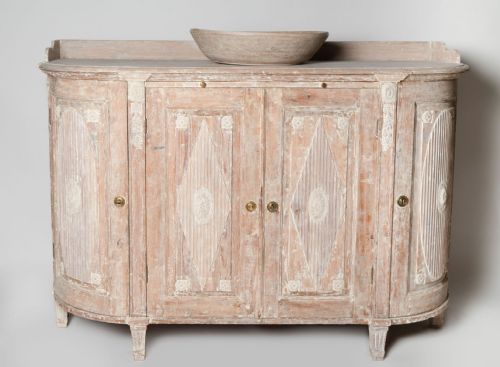
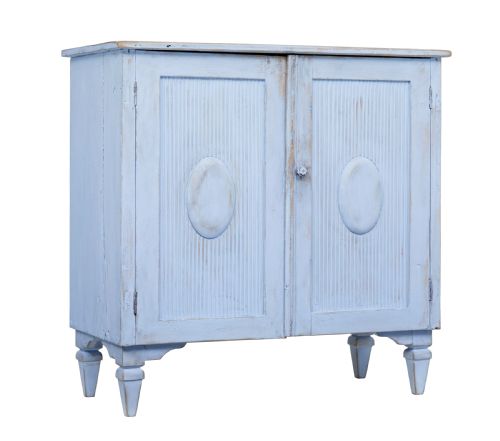
A swedish pine sideboard represents the robust and functional storage furniture originating from Scandinavian country traditions. Buyers searching for a swedish pine sideboard encounter various nineteenth-century forms including painted cupboards, linen cupboards, buffets, cabinets, and workbenches. These pieces reflect regional vernacular designs shaped by rural utility and craftsmanship.
The nineteenth century dominates the available forms, particularly pieces exhibiting classic Scandinavian country and Gustavian stylistic influences. Most examples function primarily as cupboards and cabinets rather than conventional dining room sideboards, though specific iterations feature zinc tops or combined cupboard and sideboard configurations. Painted surfaces remain the most frequent presentation across these forms.
Rural workshops produced these items to serve everyday household needs in Swedish farmsteads and homes. The forms range from simple rustic pine structures to more refined painted surfaces utilising traditional decorative techniques. Each piece demonstrates the enduring practicality of Scandinavian domestic furniture from the eighteen-eighties and the broader nineteenth century.
Materials and construction
Constructed predominantly from native pine and softwood, these pieces rely on solid timber frameworks built for daily utility. Workshops utilised local timber resources, shaping boards for structural integrity in cupboards, sideboards, and workbenches. Metal elements such as brass and iron appear in functional hardware and structural fastenings.
Surface treatments define the visual identity of these items, featuring layered paint applications, original scraped paint, and decorative ragwork finishes. Certain specialised variations incorporate zinc tops for durability on work surfaces. The combination of painted softwood and utilitarian hardware reflects traditional Scandinavian cabinetmaking methods.
Listings feature nineteenth-century pieces spanning traditional Scandinavian country and Gustavian aesthetics.
Evaluating quality and condition
Quality in these pieces rests upon the preservation of original painted surfaces and the integrity of the underlying pine structure. Pieces retaining untouched scraped paint or distinct ragwork decoration exhibit higher visual authenticity than later repainted examples. The depth and character of the aged patina directly influence the distinction between standard utilitarian items and finer decorative pieces.
Construction details also separate the tiers of the range, visible in the joinery of cupboards and the retention of period brass or iron fittings. The stability of the softwood and the honest wear of zinc tops on specific workbench hybrids indicate the rigour of original use. Originality of finish and structural preservation remain the primary measures of excellence.
The Swedish Pine Sideboard Glossary
- Ragwork paint
- A decorative paint technique utilising rags or cloths to apply or manipulate colour on a surface. This method creates textured, mottled patterns characteristic of Scandinavian country furniture.
- Scraped paint
- A conservation or ageing term describing paint layers that have been partially worn back to reveal earlier underlying colours. This finish provides historical depth to nineteenth-century painted furniture.
- Softwood
- Timber derived from conifer trees, predominantly pine in this context. It served as the primary, accessible material for vernacular Scandinavian cabinetmaking.
Swedish Pine Sideboard: Frequently Asked Questions
What is a swedish pine sideboard?
A swedish pine sideboard is a nineteenth-century storage piece originating from Scandinavia, typically constructed from pine or painted softwood.
These items encompass various forms including cupboards, cabinets, buffets, and zinc-topped workbenches shaped by rural traditions.
How do I date a swedish pine sideboard?
Dating relies on examining the construction methods, material wear, and stylistic traits aligned with the nineteenth century.
Specific pieces carry precise periods such as eighteen-eighty, while others reflect broader mid-nineteenth-century rural Scandinavian manufacturing eras.
Are these pieces painted or natural pine?
The majority of listed examples feature painted surfaces rather than bare wood. These finishes include original scraped paint, ragwork decoration, and solid painted softwood.
Unpainted pine appears primarily on utilitarian forms like workbenches and specific rustic cupboards.