




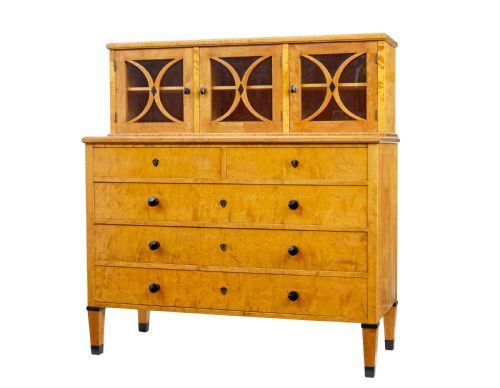
Nordic Cabinet
A nordic antique cabinet brings architectural painted charm and clever storage to a room, offering historic pine and birch construction.
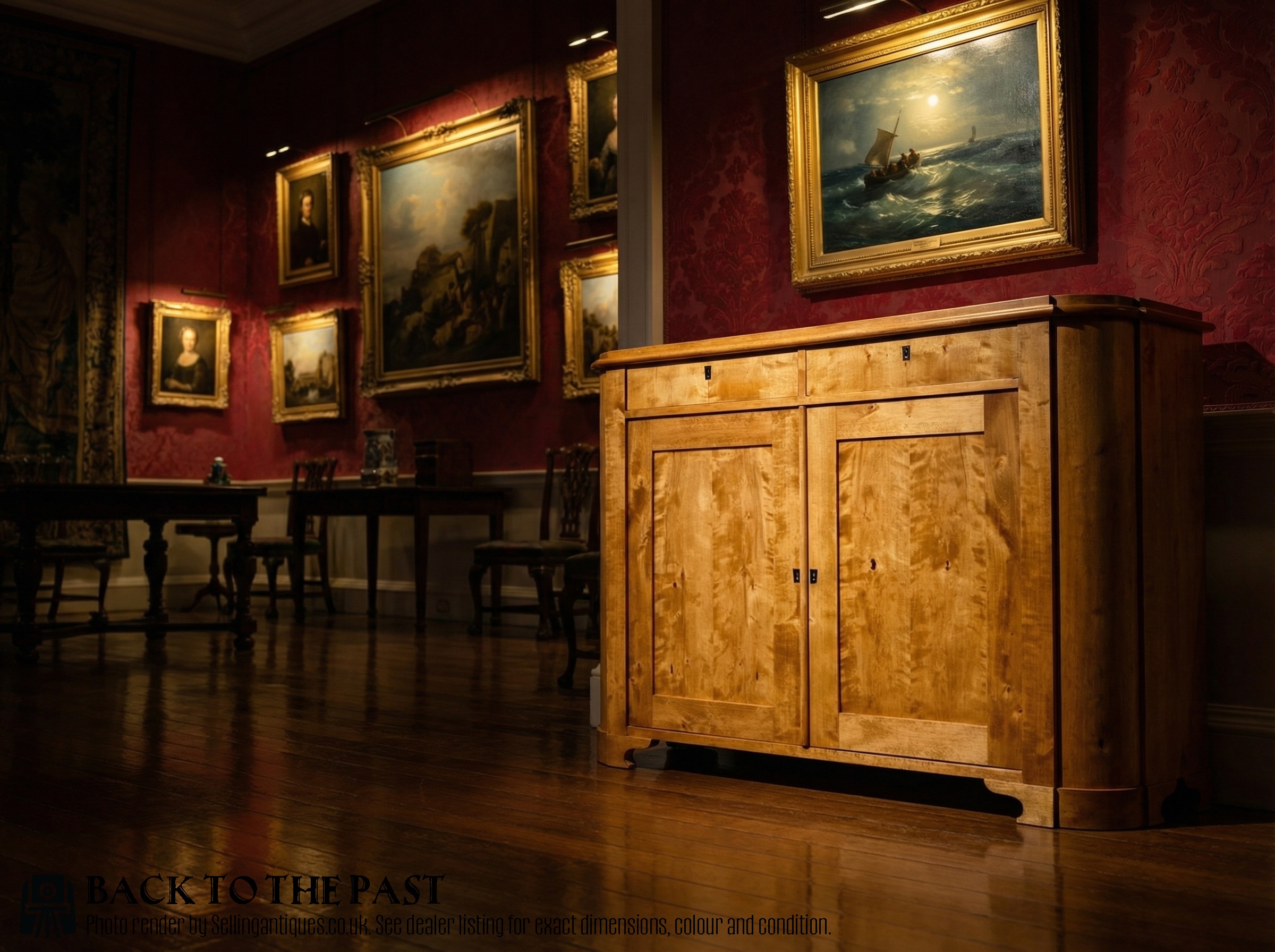
Nordic Cabinet
A nordic antique cabinet spans centuries of Scandinavian craftsmanship, appearing in styles from austere baroque pieces to painted country cupboards. Buyers seeking a nordic antique cabinet will most frequently encounter nineteenth century pine and birch examples decorated with scraped paint finishes.
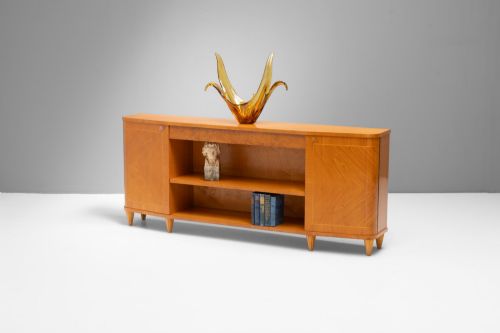
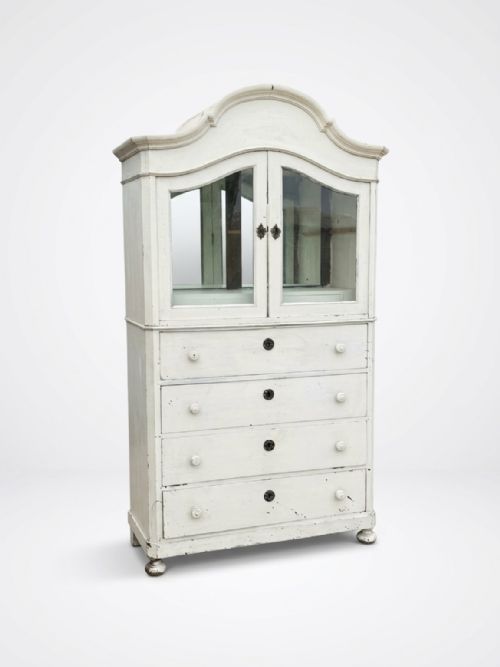
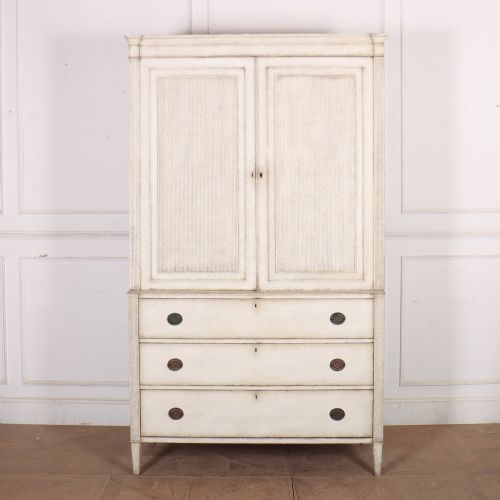
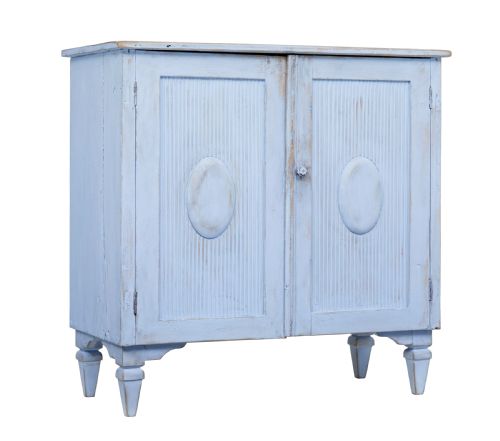
The form encompasses wall cupboards, bonnet top cabinets, and large sideboards originating from Sweden and Finland. These storage pieces reflect distinct regional aesthetics, ranging from rustic folk art to refined Swedish Grace designs.
How they were made
Construction relies heavily on native softwoods and hardwoods like pine and birch, frequently assembled with hand-forged iron hardware and brass accents. Carpenters shaped these materials into robust cupboards and commodes designed for daily domestic use.
Surfaces often feature historic paint layers, sometimes scraped back to reveal original pigments, or polished flame birch veneers. Glass panels and traditional cabinetry joints complete the construction of these storage pieces.
Listings feature pine and birch woods alongside iron and brass hardware, spanning the eighteenth to the twentieth centuries.
What varies in quality
Quality rests upon the preservation of original painted surfaces versus later redecoration, along with the crispness of carved details in styles like Scandinavian Baroque. Untouched scraped paint finishes command greater interest from collectors than later repainted surfaces.
Proportion and structural integrity distinguish finer workshops from simpler rural vernacular items, particularly in sophisticated pieces like Swedish Grace sideboards or Art Nouveau cabinets on chests.
The Nordic Cabinet Glossary
- Gustavian
- The Swedish neoclassical style characterised by restrained elegance and pale painted finishes. It developed during the reign of King Gustav III.
- Enfilade
- A suite of rooms formally aligned, or in this context, a long sideboard designed for serving. These pieces offer extended surface and storage capacity.
- Bonnet top
- A raised, curved upper hood construction found on tall storage furniture. This architectural detail softens the silhouette of upright cupboards.
- Flame birch
- A striking timber veneer displaying a rippled, flame-like grain pattern. Cabinet makers utilised this figured wood to highlight primary display surfaces.
Nordic Cabinet: Frequently Asked Questions
What is a nordic antique cabinet?
A nordic antique cabinet is a historic storage piece originating from Scandinavia, typically constructed from pine, birch, or other regional timbers. These items range from rustic painted cupboards to refined sideboards and commodes.
They provide functional storage while introducing distinct Nordic design periods, including Gustavian, Baroque, and Art Nouveau styles, into modern interiors.
How do I date a nordic antique cabinet?
Dating relies on examining construction methods, timber types, and stylistic indicators such as hardware and decorative paint applications. Pieces span the eighteenth to the twentieth centuries, with nineteenth-century painted pine examples being particularly common.
Comparing structural details and finish characteristics against documented historical periods helps establish an accurate timeframe for each piece.
How were these cabinets originally used?
These cabinets served primarily for domestic storage, holding household textiles, provisions, and tableware in Scandinavian homes. Larger sideboards and enfilades functioned as dining room storage for food and serving dishes.
Wall cupboards and smaller units kept daily items organised within smaller domestic spaces, combining practicality with decorative regional flair.
How do I live with a painted pine cabinet?
Living with a painted pine cabinet involves placing it away from direct heat sources and dramatic humidity fluctuations to protect historic timber and paint layers. Gentle dusting maintains the surface without disturbing aged patinas.
These versatile storage pieces integrate well into contemporary rooms, offering practical shelving while acting as strong focal points.