

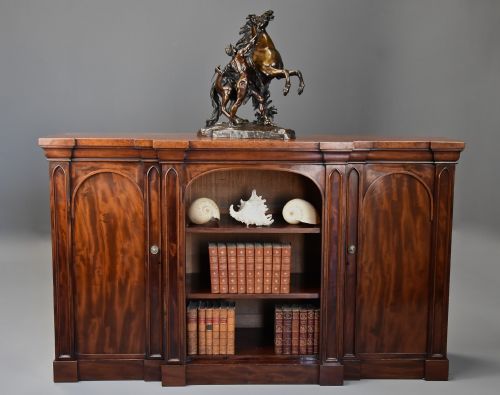


Mid 19th Century Sideboard
A mid 19th century sideboard anchors a room with serious presence and heavy timbers, offering both display space and deep storage.
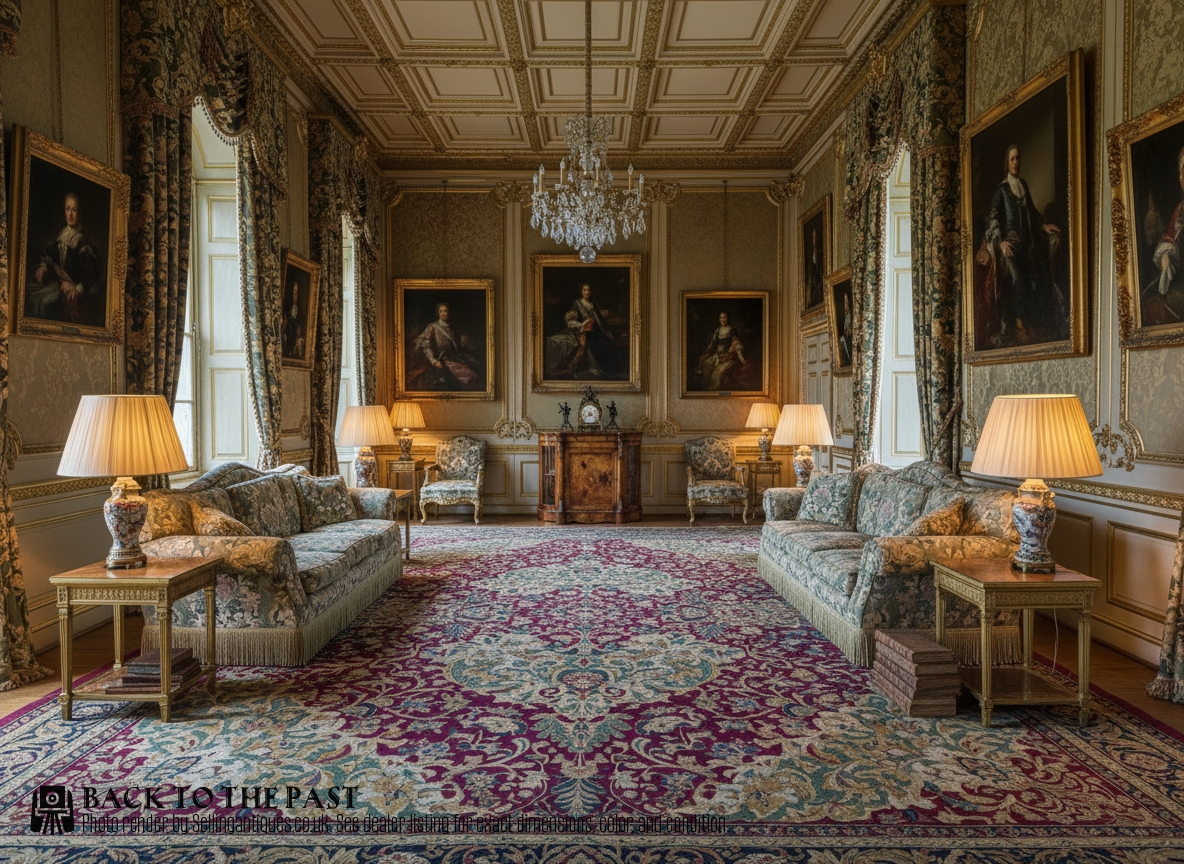
Mid 19th Century Sideboard
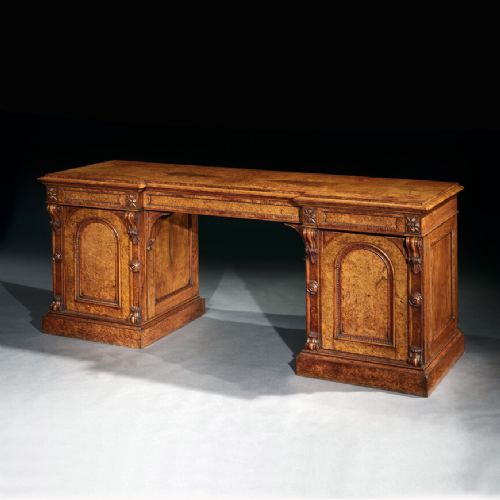
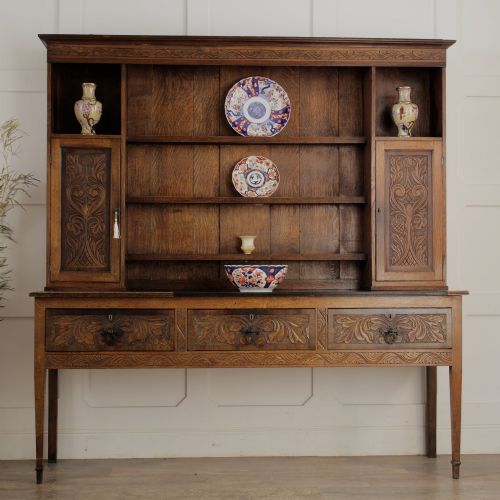
When searching for a mid 19th century sideboard, you encounter substantial serving furniture built to furnish large dining rooms and parlours. The selection spans formal Victorian pedestal designs, low credenzas with marble tops, and practical Swedish birch buffets.
Most pieces date between eighteen fifty and eighteen sixty, embracing styles from heavy Victorian mahogany servers to lighter Scandinavian country pieces. Alongside traditional sideboards, the forms include chiffoniers, breakfront bookcases, and low side cabinets with glass doors.
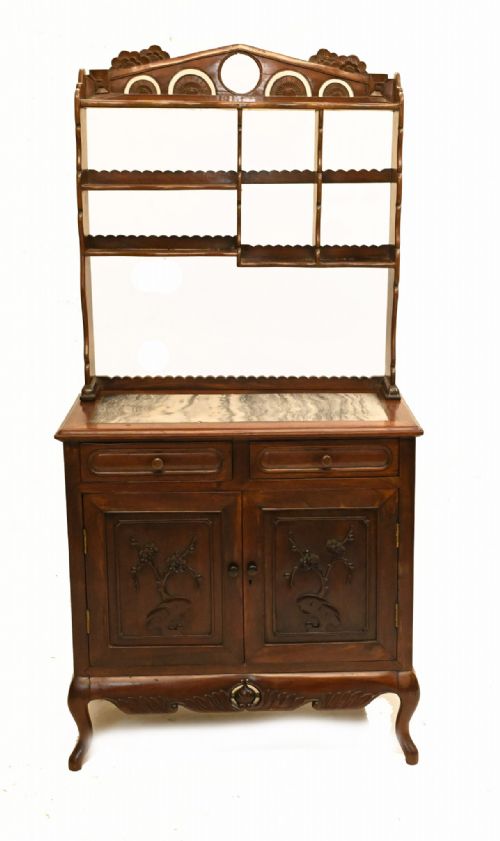
Regional variations appear clearly across the selection, shifting from English rosewood and pollard oak to Swedish painted pine and Chinese hardwood. Each format serves the same fundamental purpose of hosting dining ware or displaying prized porcelain.
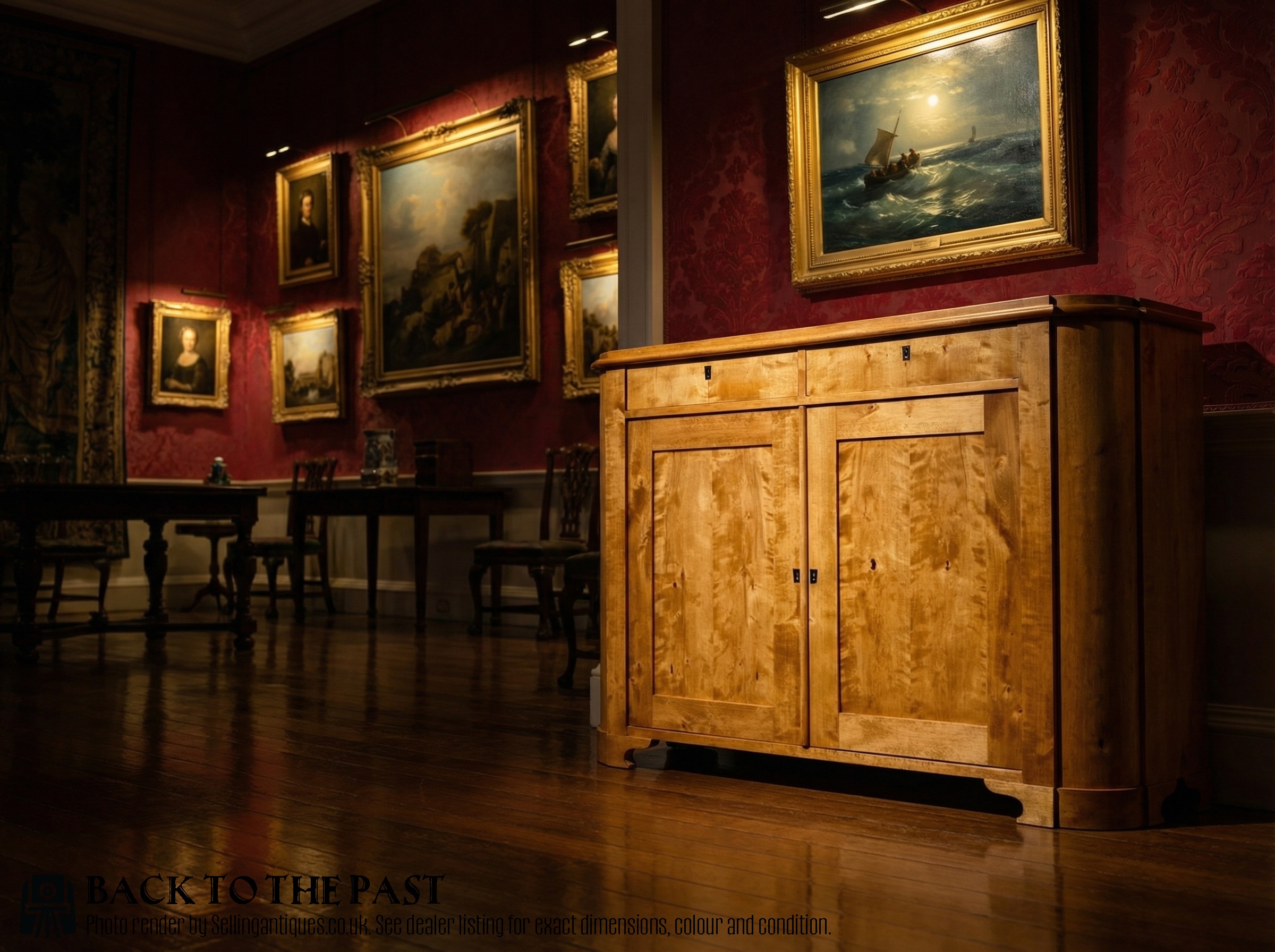
Materials and construction
Cabinet makers built these pieces using dense hardwoods like mahogany, rosewood, burr walnut, and pollard oak, often laid as veneers over sturdy secondary timbers. Decorative details rely on contrasting inlays, brass mounts, and carved elements drawn from Gothic, Rococo, and Renaissance revivals.
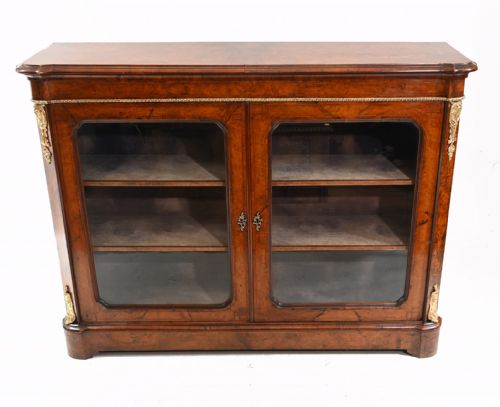
Many credenzas and side cabinets incorporate white marble tops and glazed doors, while simpler country variants utilise painted pine or pale birch. Joinery techniques from this period ensure heavy doors and deep drawers operate smoothly within substantial frames.
Revival styles dominate the period evidence, featuring prominent Gothic, Rococo, and Renaissance architectural influences across cabinets and bookcases.
Assessing quality in mid 19th century sideboards
Quality reveals itself in the selection of timbers, where mirrored burr walnut veneers or deeply figured pollard oak elevate a standard cabinet into a showpiece. The finesse of the carving and the integration of cast ormolu mounts dictate the overall sculptural success of the design.
Internal secondary woods, original brass hardware, and specialised fittings such as fitted writing drawers distinguish ambitious metropolitan commissions from regional vernacular production. Well-preserved marble surfaces and tight joinery separate high-grade London and continental workshops from lesser output.
The Mid 19th Century Sideboard Glossary
- Credenza
- A low cabinet for the dining room or parlour, frequently fitted with glass doors and topped with marble. Originating in Italy, these pieces gained massive popularity during the Victorian era for displaying ceramics.
- Chiffonier
- A compact sideboard equipped with enclosed shelving below and a raised mirror or shelf back above. They served smaller Victorian parlours where a full pedestal sideboard proved too large.
- Ormolu
- Gilded bronze mounts applied to furniture to accent corners, doors, and friezes. These decorative additions reflect French rococo influence on mid nineteenth century cabinet work.
- Pedestal sideboard
- A large dining room form featuring twin pedestals flanking a central serving table or recess. This architectural format dominated formal British interiors during the mid nineteenth century.
- Pollard oak
- Oak timber gathered from pollarded trees, yielding a dense wood with clustered, knotted grain patterns. Cabinet makers prized this figured material for luxury fronts and panels.
Mid 19th Century Sideboard: Frequently Asked Questions
How do I spot a true mid 19th century sideboard?
Examine the secondary timbers inside drawers and behind back panels for hand-cut dovetails and period saw marks. Look for characteristic Victorian proportions and traditional timber selections like mahogany or rosewood.
Compare the decorative motifs against known revival styles from eighteen fifty to eighteen sixty. Original hardware and aged patination on the wood surfaces provide further confirmation of age.
Where were these sideboards placed originally?
These pieces stood against dining room walls to serve food and store heavy silver and linens. Smaller credenzas and pier cabinets found places in drawing rooms for displaying glassware and ornaments.
Grand houses used massive pedestal versions in principal reception rooms, while country homes relied on simpler pine or birch buffets. Their solid construction made them permanent fixtures of the Victorian interior.
How should I care for a marble top?
Clean the marble surface regularly with a soft, damp cloth and mild soap to prevent staining from acidic liquids. Avoid harsh chemical cleaners and abrasive pads that scratch the polished stone.
Use coasters under glasses and placemats under serving dishes to protect the surface from marks. Professional polishing restores the original sheen if dull patches develop over time.
Can these sideboards fit in modern homes?
Their deep proportions require careful measuring of wall space and entryways before placement in a contemporary room. Despite their size, they provide exceptionally deep storage for modern living requirements.
Pairing a dark mahogany or burr walnut piece with minimalist decor creates a striking focal point. The expansive top surfaces work well for holding modern lamps, books, or art.