



Swedish Painted Chest
A swedish painted chest brings rustic warmth and classical proportions into a room, offering practical storage disguised in colourful folk art or neoclassical restraint.
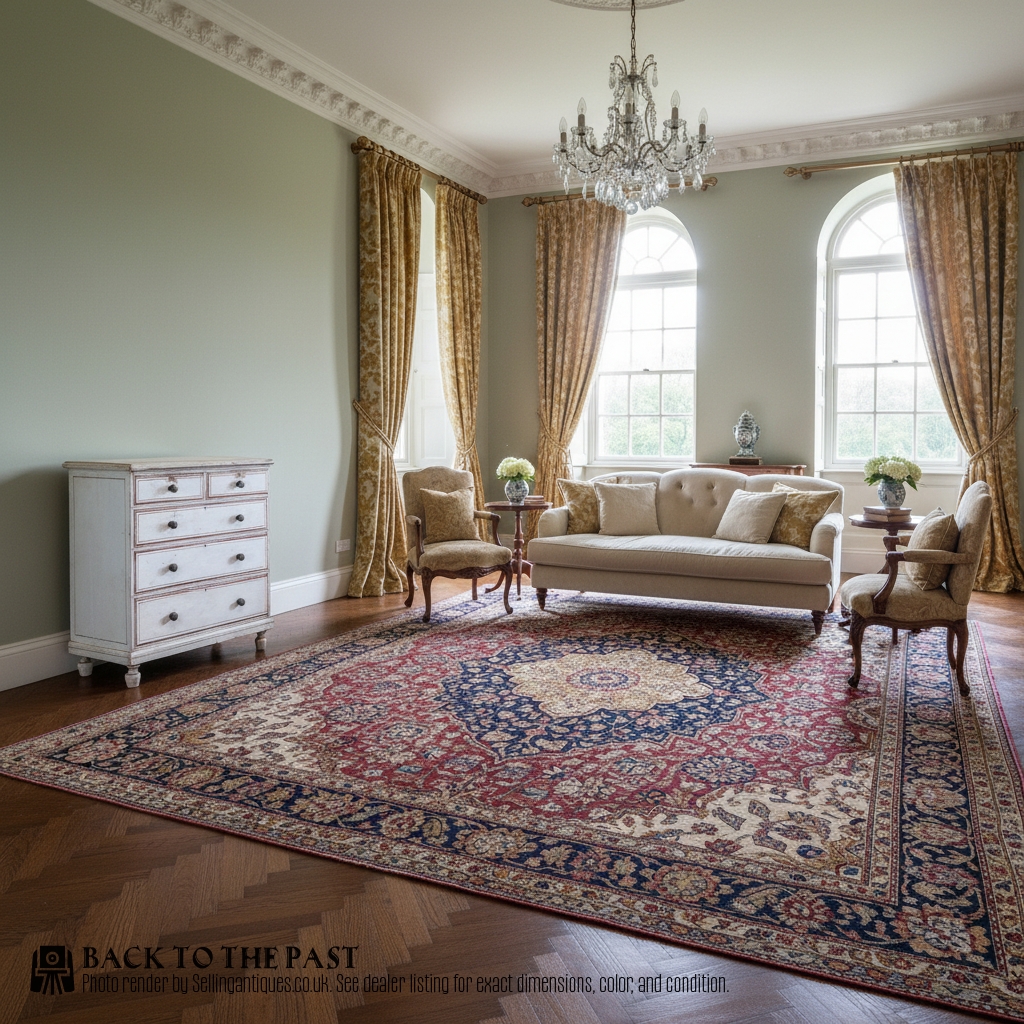
Swedish Painted Chest
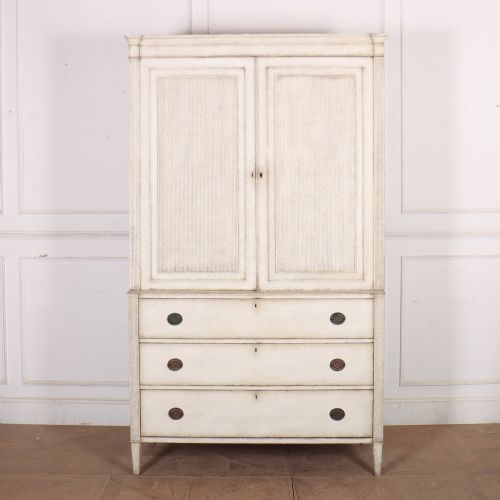
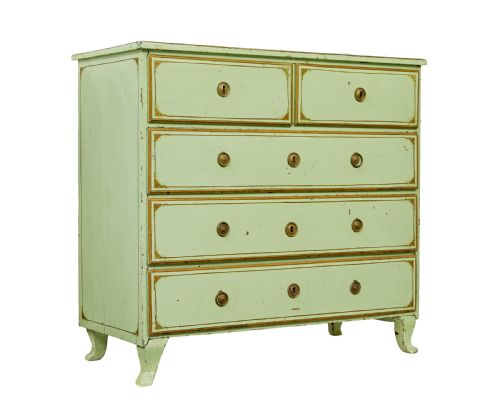
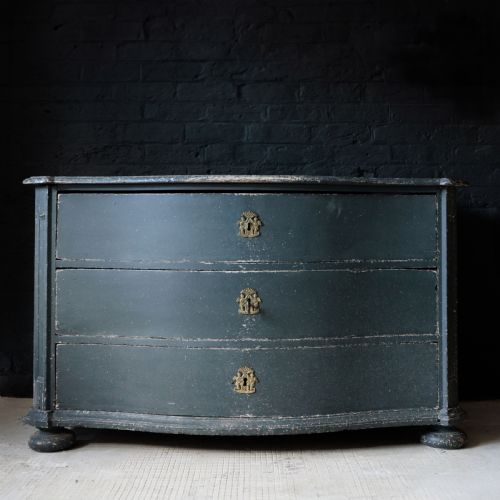
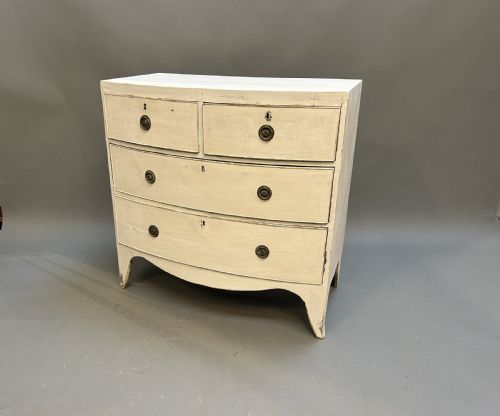
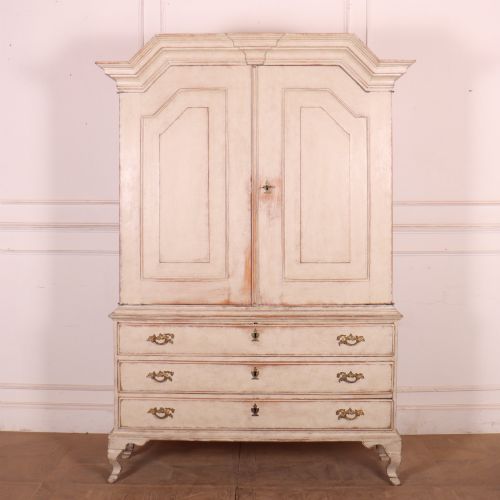
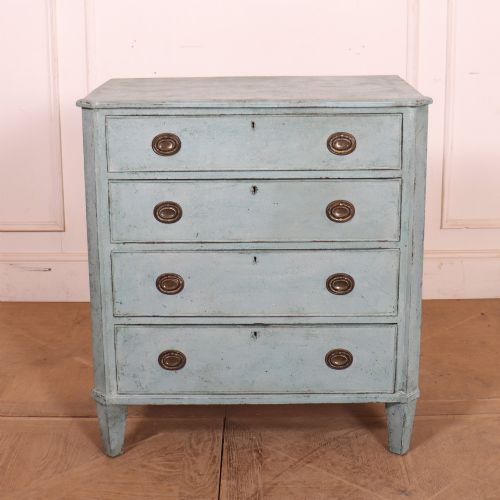
A swedish painted chest encompasses practical storage forms ranging from simple pine coffers and marriage chests to sophisticated serpentine commodes and linen cupboards. Pieces date predominantly from the eighteenth and nineteenth centuries, spanning rustic country utility and refined Gustavian neoclassical design.
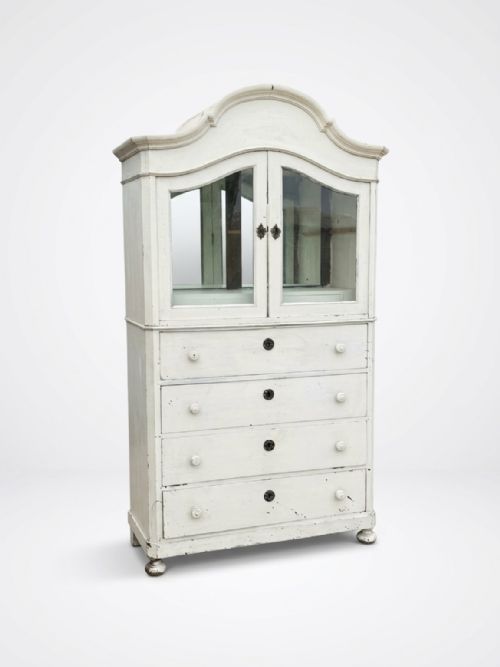
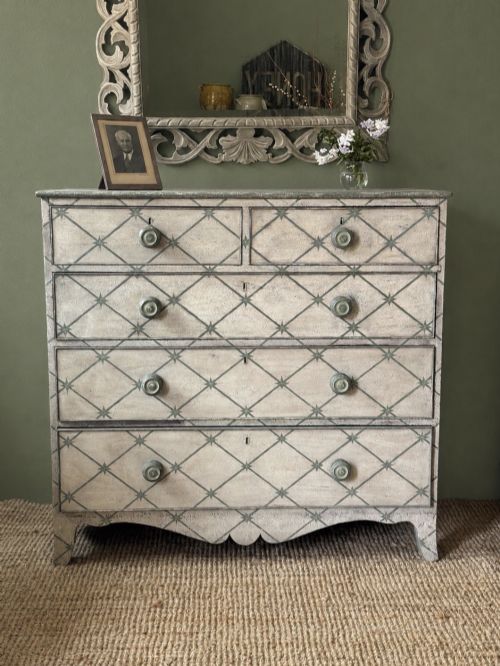
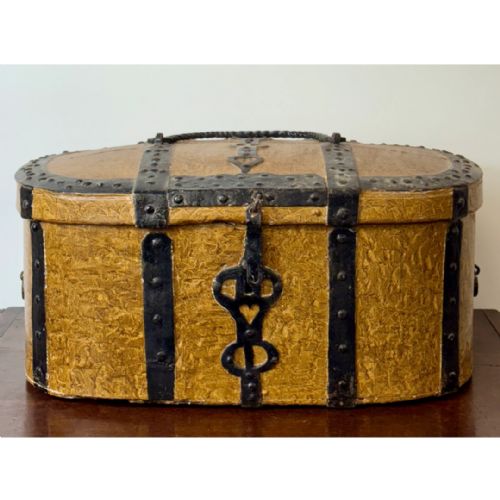
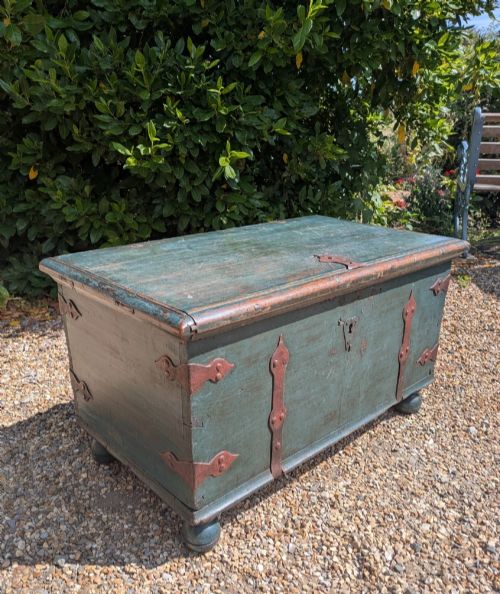
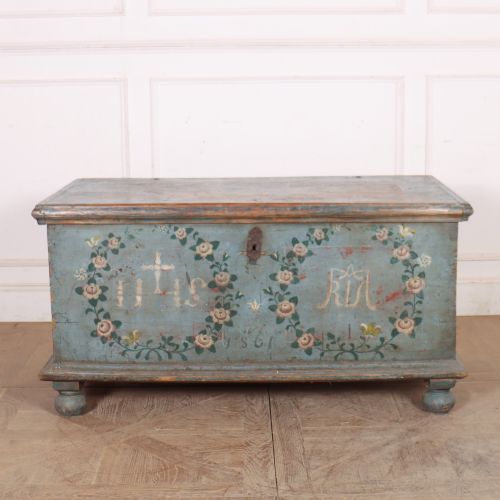
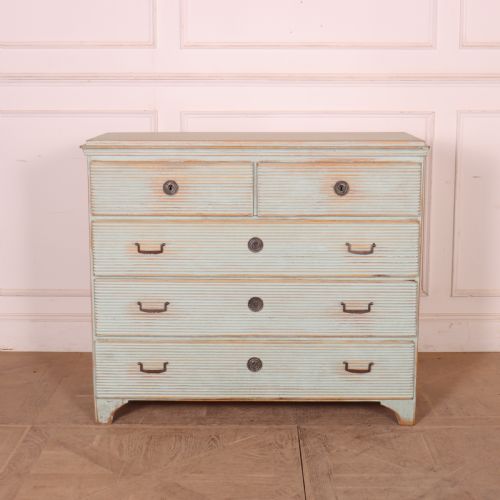
The version most commonly met on this page is the nineteenth-century pine chest of drawers or commode, often finished in muted greys, blacks, or simulated birch paint. Alongside these stand smaller folk art boxes, strong boxes, and substantial marriage chests bearing dates and initials.
How they were made
Construction relies fundamentally on solid pine and painted wood, joined simply for rural boxes or shaped with serpentine drawer fronts for neoclassical commodes. Cabinet makers applied lead or oil-based paints over the timber, sometimes layering colours to achieve simulated marble tops or faux birch effects.
Metalwork played a structural and decorative role, utilising hand-forged iron strapwork and brass fittings on stronger trunks and coffers. Drawer construction often employed fluted fronts and stepped surfaces, finished with hand-painted motifs particular to Scandinavian folk traditions.
Listings feature pine and painted wood constructions spanning the eighteenth and nineteenth centuries, alongside oak and wrought iron elements.
What varies in quality
Quality rests upon the preservation of the original painted surface and the crispness of regional decorative details, such as hand-painted folk motifs or carved fluted drawer fronts. Pieces retaining untouched early paint schemes show superior integrity compared to later re-paintings.
Structural ambition separates everyday storage from high-style execution, notably in the transition from plain rectangular blanket boxes to complex serpentine commodes with shaped bodies. The sophistication of joinery, from simple board construction to dovetailed drawers and fitted marble tops, marks the upper tier.
Gemla Fabrikers
The Swedish Painted Chest Glossary
- Gustavian
- A swedish neoclassical style dating from the late eighteenth century, characterised by restrained symmetry, fluted columns, and pale painted finishes. It draws inspiration from French Louis XVI design but retains a distinct Nordic simplicity.
- Commode
- A low chest of drawers, frequently featuring a serpentine or shaped front in these Scandinavian examples. The form sits on short legs and often displays sophisticated painted decoration.
- Marriage chest
- A large storage box or coffer commissioned to mark a wedding, usually inscribed with the names or initials of the couple alongside the date of union. These pieces often feature dome tops and elaborate folk art painting.
- Strapwork
- Decorative bands of hand-forged iron applied across the exterior of trunks and strong boxes to reinforce the wooden structure. This metalwork provides both security and visual contrast against the painted pine.
- Coffer
- A heavy wooden box with a lid used originally for storing valuables or textiles before the widespread adoption of drawer chests. They form an essential part of early Scandinavian domestic storage.
Swedish Painted Chest: Frequently Asked Questions
How were marriage chests used?
Marriage chests served as functional storage for a bride's dowry, holding textiles, linen, and personal valuables as she moved into her new household. Families often commissioned them to mark the wedding day.
These large trunks frequently displayed painted dates and initials alongside folk motifs, functioning as family heirlooms.
How do I distinguish Gustavian from rustic styles?
Gustavian pieces follow neoclassical lines inspired by French court furniture, featuring symmetrical fluted drawer fronts, pale grey or white paint, and restrained classical carving. They look formal and architectural.
Rustic country pieces embrace bolder folk art painting, visible hand-forged iron strapwork, and simpler box or coffer constructions that prioritise utility over classical proportion.
Where should I place a painted commode?
A painted commode works well in a hallway, bedroom, or living space where its colourful surface finish can function as a focal point. The flat top provides a surface for lamps, ceramics, or mirrors.
Keep these pieces away from direct heat sources and strong sunlight to protect the historic painted wood surfaces from drying out.