


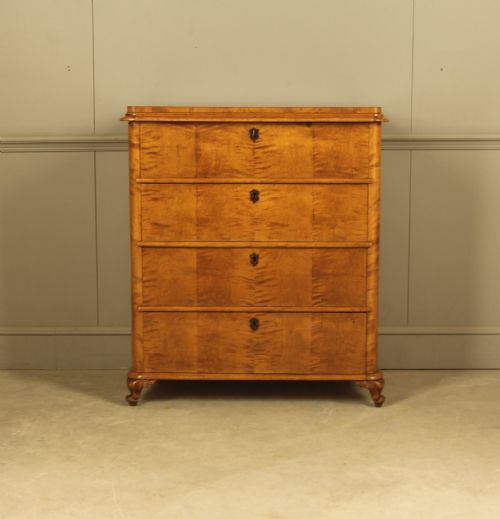


Antique Scandinavian Chest
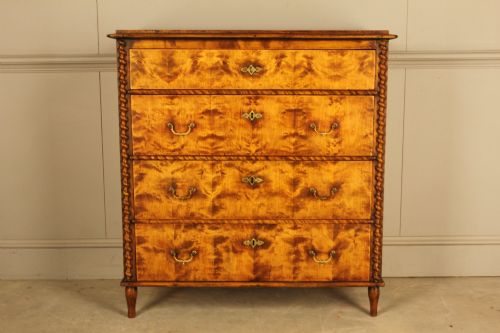
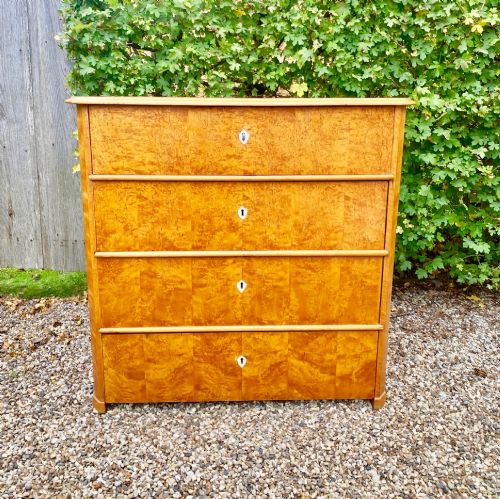
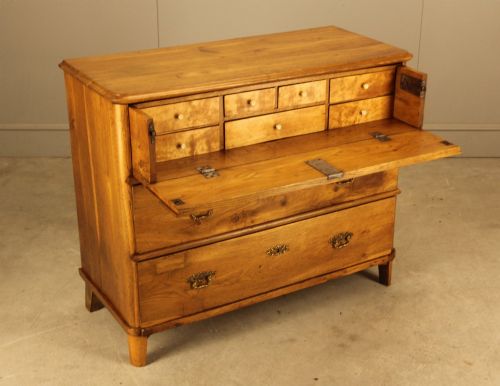
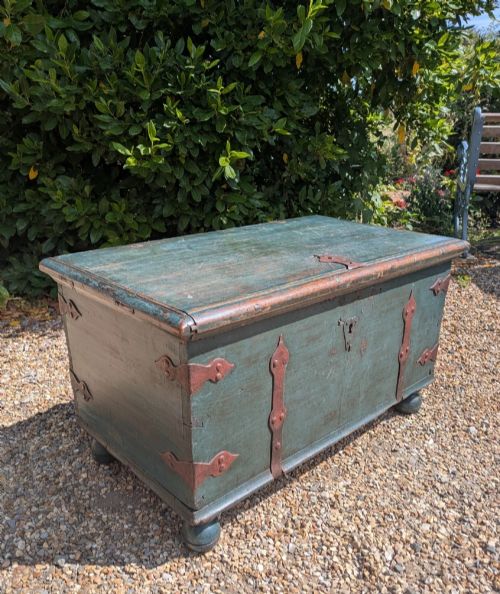
An antique scandinavian chest brings substantial Nordic storage into a room through painted pine and figured birch.
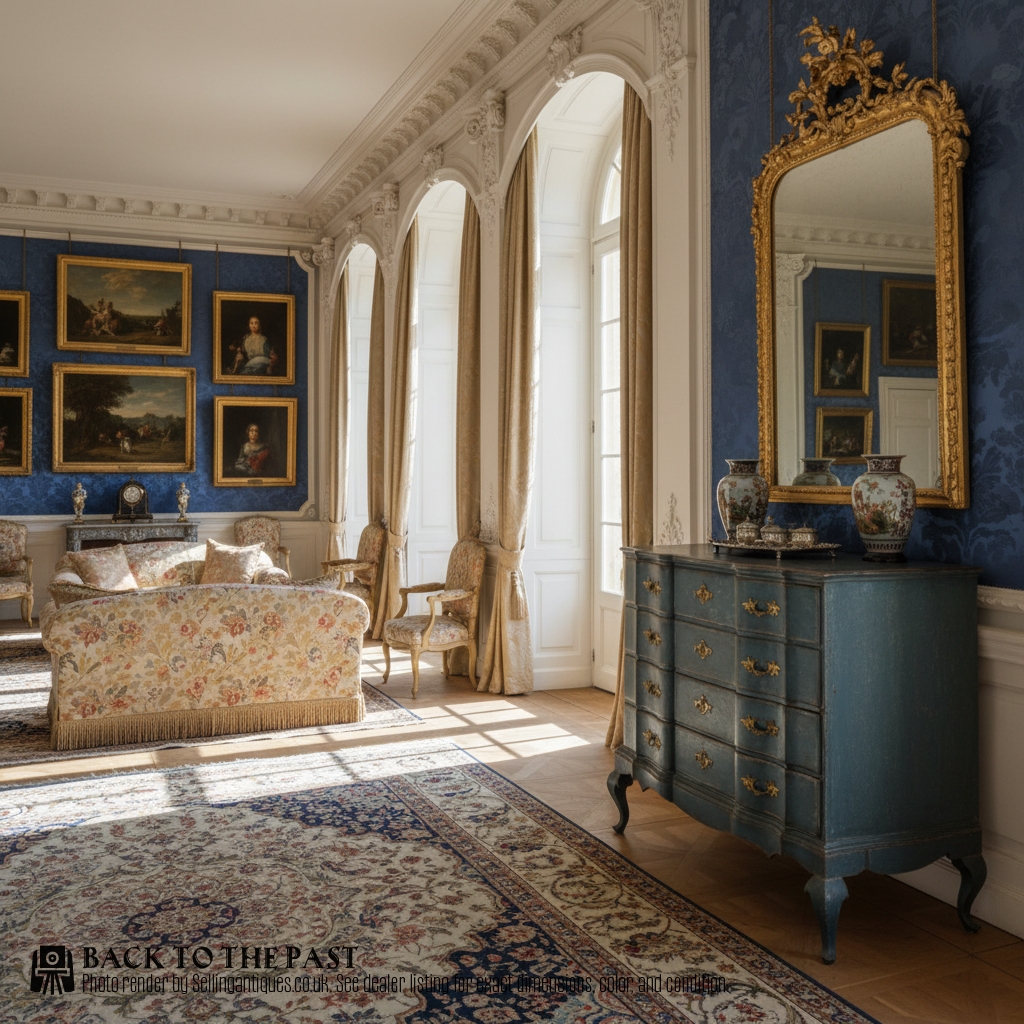
Antique Scandinavian Chest
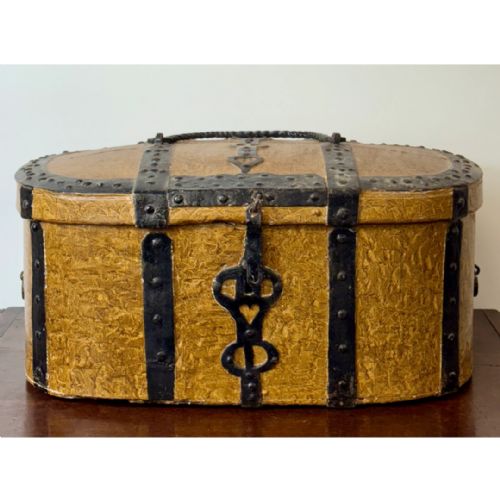
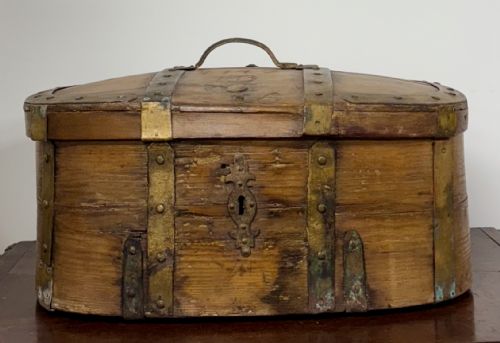
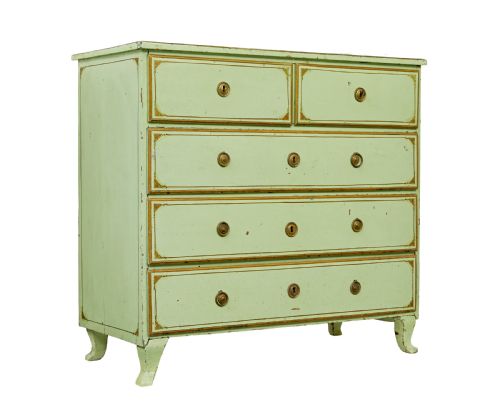
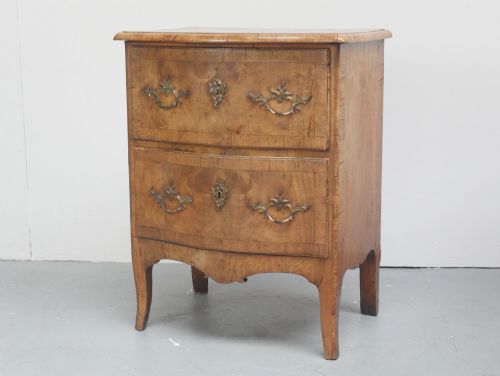
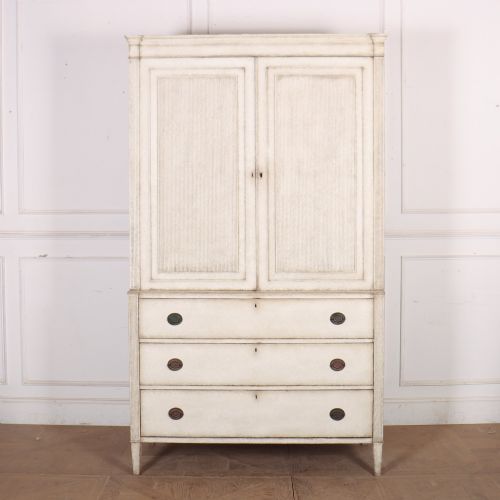
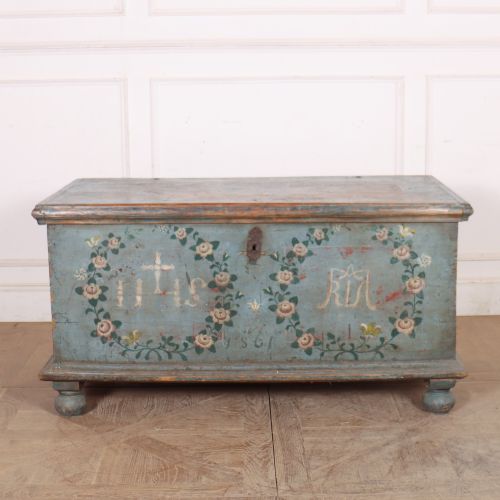
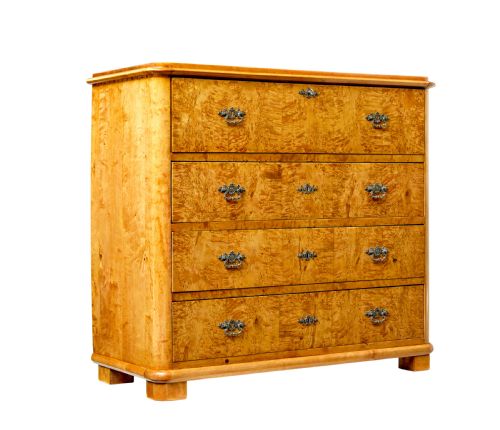
An antique scandinavian chest encompasses robust storage forms including painted pine trunks, marriage coffers, and sophisticated birch chests of drawers originating from Sweden and Denmark. You will frequently encounter nineteenth-century painted pine chests alongside eighteenth-century commodes and smaller folk art boxes.
The selection ranges from rustic seventeenth and eighteenth-century trunks with wrought iron strapwork to refined neoclassical Gustavian commodes and Biedermeier veneered pieces. Regional variations emerge through distinct regional palettes, shaped fronts, and traditional cabinet-making traditions across Scandinavia.
How they were made
Carpenters utilised native softwoods like pine alongside hardwoods including birch, flame birch, and masur birch for drawer fronts and structural carcases. Surfaces often received layers of oil-based paint, sometimes finished with hand-painted folk motifs or simulated graining techniques.
Hardware played both a structural and decorative role, incorporating hand-forged iron strapwork, hinges, and brass fittings. Dovetail joints secured the drawer construction while applied mouldings and fluted drawer fronts defined the formal facade.
Antique Scandinavian Chest Retail Price Guide 2026
Typical asking prices for scandinavian chest among the pieces listed under this phrase on Sellingantiques today, from the lower quarter to the upper quarter. They describe what is for sale here now, not the wider market.
Listings feature eighteenth and nineteenth-century pine, birch, and painted storage pieces from Sweden and Denmark.
What varies in quality
The sophistication of the timber preparation and surface treatment dictates much of the distinction between pieces, ranging from simple utility pine to highly figured flame birch veneers. Original paint surfaces with authentic patination command greater interest than later repainting.
Structural integrity depends on the precision of the joinery, particularly in the hand-cut dovetailing of drawers and the survival of original brass or iron hardware. Refined carving, serpentine shaping, and balanced proportions distinguish high-status urban commodes from simpler provincial storage boxes.
GEMLA FABRIKERS
The Antique Scandinavian Chest Glossary
- Gustavian
- The Swedish neoclassical style spanning the late eighteenth century, characterised by restrained symmetry, fluted columns, and pale painted finishes. It draws inspiration from French Louis XVI design adapted to Nordic tastes.
- Commode
- A low chest of drawers or cabinet designed on architectural lines, often featuring shaped fronts or marble tops. These pieces served practical storage functions in grand interiors.
- Masur birch
- A decorative timber variant exhibiting swirling, mottled grain patterns created by natural growth distortions. Cabinet-makers prized this veneer for high-end drawer fronts.
- Coffer
- A heavy wooden storage chest fitted with a hinged lid and frequently reinforced with iron strapwork. Historically used for securing valuables and textiles.
- Marriage chest
- A commissioned storage piece decorated with dates or initials to celebrate a wedding. These trunks often feature vibrant hand-painted folk art motifs.
Antique Scandinavian Chest: Frequently Asked Questions
What is a marriage chest?
A marriage chest is a traditional painted wooden box or coffer commissioned to mark a wedding, often inscribed with initials or dates. Families used these sturdy vessels to store a bride's dowry linens and household textiles.
Over time, these chests became treasured heirlooms passed down through generations. Their painted folk art surfaces reflect specific regional design traditions.
How do I care for a painted pine chest?
Keep painted pine furniture away from direct sunlight and radiators to prevent the wood from drying out and the paint from cracking. Dust gently with a dry or slightly damp cloth without harsh chemical polishes.
Maintain a stable room humidity to protect both the softwood carcase and the fragile historic paint layers. Lift rather than drag the chest when repositioning it in your home.
What is the difference between a commode and a chest of drawers?
A commode generally refers to a lower, more decorative chest of drawers often featuring shaped or serpentine fronts. These pieces originated as fashionable furniture for principal rooms rather than utilitarian storage.
Standard chests of drawers often present straighter lines and simpler carcase construction. Both forms utilise native Nordic timbers such as pine and birch.
How do I identify Gustavian style?
Gustavian pieces display neoclassical symmetry, pale monochrome or muted paint finishes, and minimal carving. Look for fluted columns, tapered legs, and subtle urn or ribbon motifs.
This Swedish interpretation of French neoclassical design prioritises light and elegance. It contrasts sharply with heavier, darker historic furniture styles.