
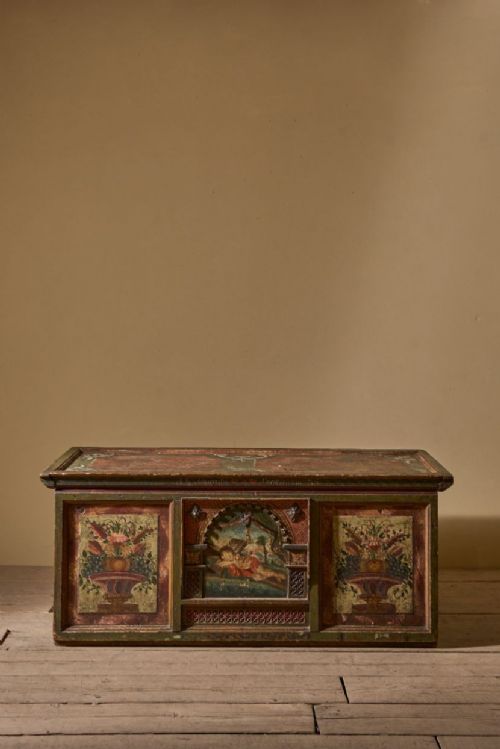
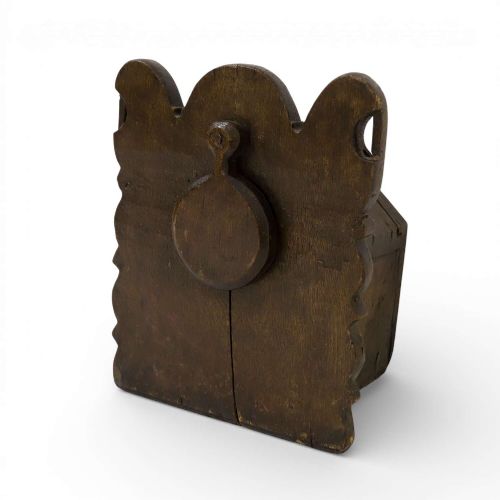


Red Painted Wooden Box
A red painted wooden box brings enduring folk art character to an interior, offering practical storage disguised in rich pigment.
Red Painted Wooden Box
A red painted wooden box encompasses everything from small wall boxes and salt boxes to large marriage trunks, blanket chests, and coffer boxes. When searching for a red painted wooden box, buyers frequently encounter regional European country pieces, particularly Scandinavian, Hungarian, and British examples.
The forms span domestic containers made for everyday storage, travel, and dowries. These storage items served practical households while displaying regional decorative traditions through surface pigment.
Originating across the seventeenth, eighteenth, and nineteenth centuries, these containers reflect the utilitarian needs of past homes. Many survive with their original hardware and accumulated surface wear intact.
How they were made
Constructed primarily from pine and oak, these boxes rely on traditional joinery suited to heavy domestic use. Workshops utilised local timbers, framing panels together to build rigid structures for chests, trunks, and smaller salt boxes.
Makers applied traditional paints and pigments directly to the wood surfaces, sometimes incorporating floral motifs, folk art designs, or Moorish style decoration. Iron and brass hardware such as hinges, brackets, and locks were then secured to complete the piece.
Hardware across these pieces includes original iron hinges, brass fittings, and metal binding.
What varies in quality
The degree of original surface preservation distinguishes examples, particularly where layers of early red pigment survive intact beneath later wear. Retaining original iron or brass hardware adds integrity to the piece.
Structural harmony between the timber carcase and the decorative painting scheme determines overall presence. Finer folk art details and documented dates or origins elevate specific examples above standard utility boxes.
The Red Painted Wooden Box Glossary
- Salt box
- A wall-hung container traditionally used in domestic kitchens to keep dry salt accessible near the hearth. These typically feature a hinged sloping lid and a high backboard with a hanging hole.
- Coffer box
- A heavy storage chest designed with a lid for holding valuables, textiles, or documents. They often stand on bracket feet or directly on the floor.
- Folk art
- Decorative work produced within a traditional cultural community by self-taught or local artisans. It relies on regional styles rather than formal academic training.
- Marriage trunk
- A large celebratory chest commissioned or decorated to mark a wedding, frequently personalised with dates or specific painted motifs. These large storage pieces often formed part of a bride's dowry.
- Polychromed
- Decorated or painted in several colours. This surface treatment brings multicoloured visual depth to carved wooden objects and home altars.
Red Painted Wooden Box: Frequently Asked Questions
How were salt boxes used?
Salt boxes hung on kitchen walls near hearths to keep salt dry and away from damp stone floors. Their sloping lids allowed quick access while protecting the contents.
Over time, daily handling polished the wood around the openings, leaving distinct traces of use on the surviving red paint.
What went into a marriage trunk?
Marriage trunks held linens, woven blankets, and personal valuables collected for a bride's new home. These large chests protected textiles from dust and insects.
Families often commissioned or painted these boxes with specific symbols to mark the wedding union.
How do I spot original paint?
Original paint shows natural craquelure, fading, and wear patterns accumulated across generations of handling. The pigment integrates closely with the timber grain underneath rather than sitting in a flat modern layer.
Examining edges and protected corners reveals early layers of red pigment beneath subsequent surface history.
Where were these painted boxes made?
Rural workshops across Britain, Scandinavia, Hungary, and Spain produced these painted containers for local domestic use. Each region developed distinct colour palettes and decorative motifs.
Swedish and Hungarian examples frequently showcase folk art floral patterns on pine carcases.