
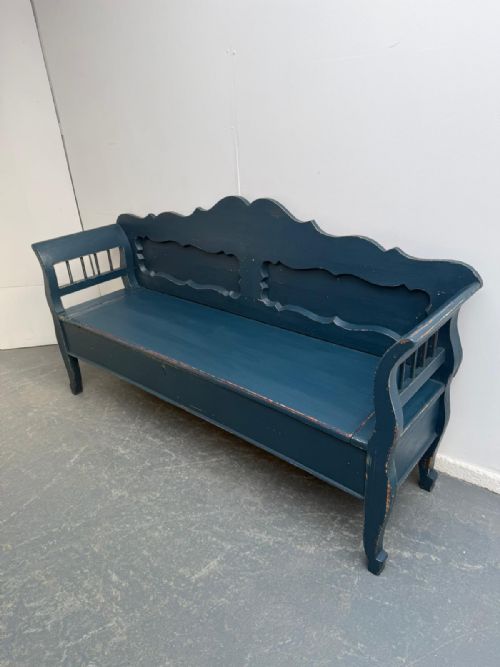


Antique Scandinavian Storage Coffer
An antique scandinavian storage coffer brings robust utility and vernacular charm to a room, holding textiles or logs while grounding the interior with regional history.
Antique Scandinavian Storage Coffer
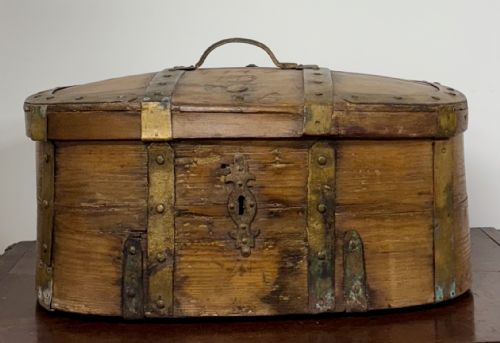
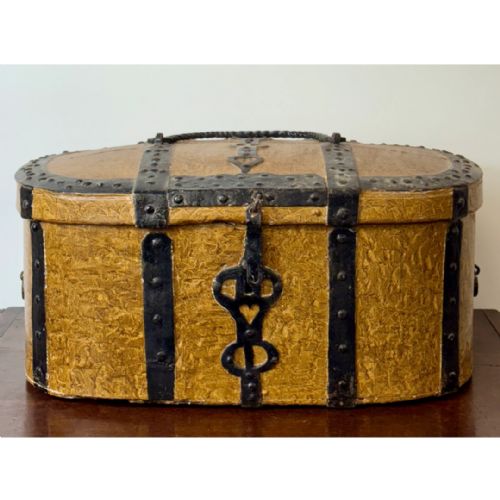
An antique scandinavian storage coffer encompasses heavy pine trunks, blanket boxes, and marriage chests built for domestic utility across the eighteenth and nineteenth centuries. Buyers encounter dome-top coffers, flat-topped strong boxes, and specialised log bins originating from Swedish, Danish, and wider folk art traditions. These forms served practical household needs for stowing linens, valuables, and provisions in rural farmsteads.
The versions most commonly met on this page date from the nineteenth century, finished in painted pine with distinct regional decoration. Earlier eighteenth-century examples emerge less frequently, often displaying deeper patination and structural elements associated with Baroque or early folk styles. Compact boxes and large marriage chests sit alongside one another, reflecting the varied scales required for domestic storage.
Materials and construction
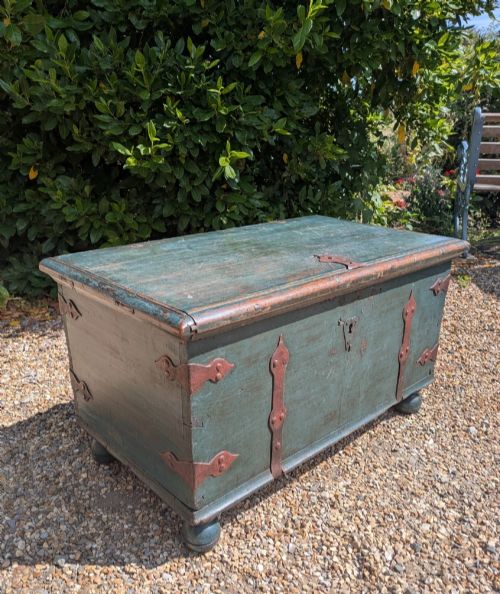
Makers relied primarily on native pine and occasionally oak, constructing solid carcases joined to withstand heavy daily use. Hand-forged iron strapwork and brass fittings reinforced the corners and lids, securing the contents of strong boxes and larger coffers alike.
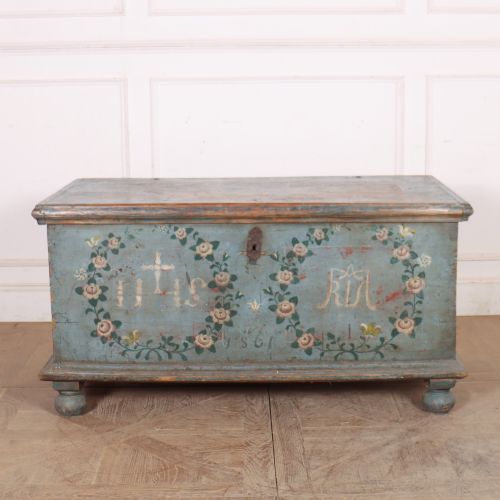
Surfaces were frequently coated in pigment and paint, ranging from flat blues and dark tones to intricate folk art motifs. Artisans applied graining and hand-painted details directly onto the wood, occasionally utilising woven pine for specialised baskets and trunk bodies.
The selection spans dome-top coffers, marriage chests, and log bins bearing traces of original blue, dark, and multi-coloured pigments.
Evaluating craftsmanship and survival
Quality rests in the originality of the surface paint and the integrity of the ironwork. Pieces retaining their original pigment and hand-forged strapwork command greater interest than those stripped or overly restored.
Structural honesty dictates the merit of a coffer, observing how well the joints, original hinges, and lock plates survive. The articulation of folk art painting, from simple brushwork to complex labyrinth designs, marks the distinction between standard utilitarian items and masterworks.
The Antique Scandinavian Storage Coffer Glossary
- Cofer
- A heavy wooden chest used for storing valuables, linens, or domestic goods. These pieces often feature hinged lids and reinforced metal bands.
- Marriage chest
- A specially commissioned box or coffer presented as a gift to mark a wedding. They frequently carry dates, initials, or symbolic folk art painting.
- Strong box
- A compact, heavily reinforced chest designed for securing money and precious documents. They rely on thick timber and robust iron strapwork.
- Dome top
- A lid construction featuring a rounded upper profile rather than a flat surface. This design helps shed water and increases internal storage capacity.
- Folk art
- Traditional decorative styles created by regional craftspeople outside formal academic traditions. It encompasses spontaneous painted motifs and vernacular construction methods.
Antique Scandinavian Storage Coffer: Frequently Asked Questions
What were antique scandinavian storage coffers used for?
These pieces served as the primary storage units in rural households, holding winter blankets, bridal dowries, and valuable documents. Their sturdy construction also allowed them to function as extra seating or tables in smaller homes.
Larger marriage chests kept textiles safe from pests, while smaller strong boxes protected currency and legal papers. Log bins and specialised boxes managed fuel and daily provisions near the hearth.
How do I care for a painted pine coffer?
Keep the piece away from direct sunlight and strong heat sources to prevent the pine from drying out and the old paint from flaking. Dust gently with a dry, soft cloth and avoid chemical polishes that can damage fragile pigments.
Stable indoor humidity preserves both the wood carcase and the historical surface decoration. Lifting the coffer by its base rather than relying on old iron handles ensures structural safety.
How can I tell an eighteenth-century coffer from a nineteenth-century one?
Eighteenth-century examples often exhibit deeper patination, heavier hand-wrought ironwork, and structural traits tied to Baroque or early folk traditions. Their painted surfaces tend to show extensive, natural wear from decades of domestic use.
Nineteenth-century pieces frequently display brighter regional pigments, standardised hardware, and precise folk art motifs. Examining the construction of the dovetails and the type of iron strapwork provides further clues to the manufacturing date.
Are these chests suitable for modern living rooms?
Their robust build and functional storage make them ideal coffee tables, end-of-bed blanket chests, or hallway seating. They provide hidden space for everyday clutter while adding historic character to contemporary interiors.
The flat or dome tops offer display space for lamps or books, grounding modern schemes with the texture of painted pine and forged iron.