




Swedish Painted Cabinet
A Swedish painted cabinet brings pale wood and muted pigments together to brighten darker rooms.
Swedish Painted Cabinet
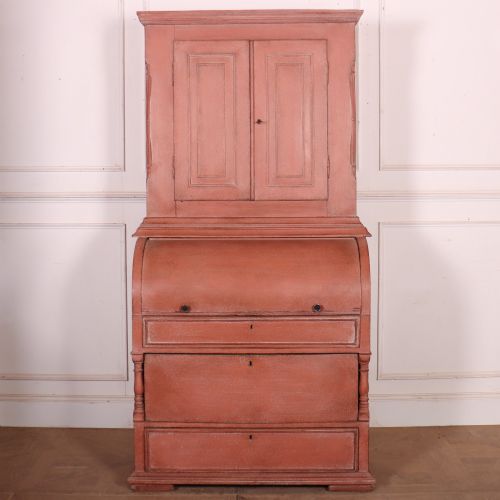
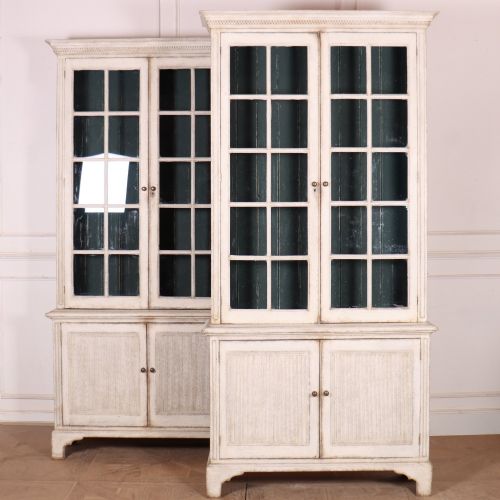
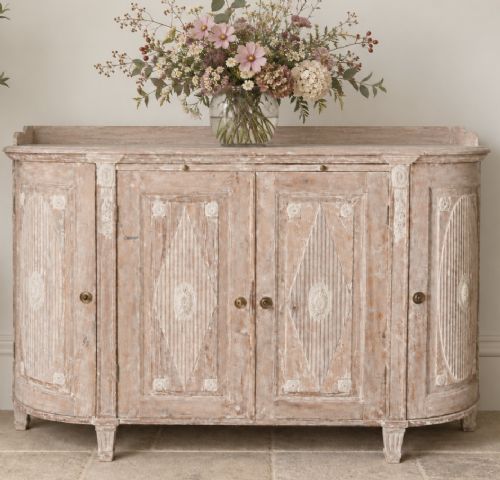
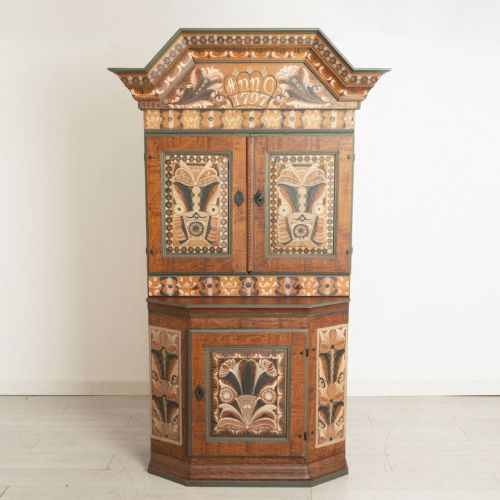
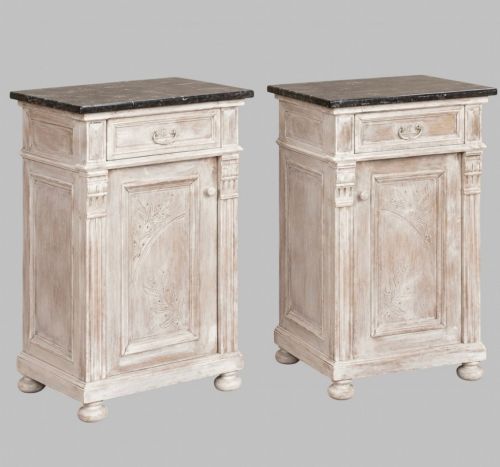
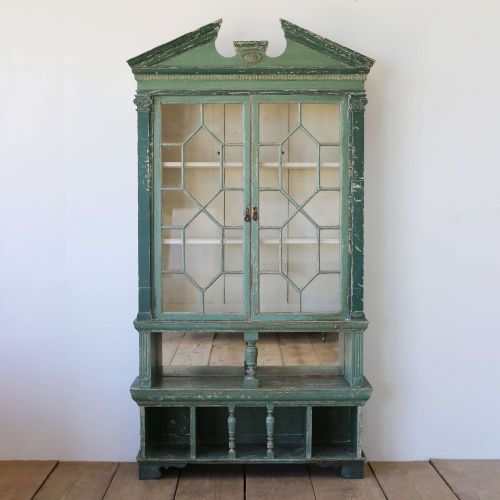
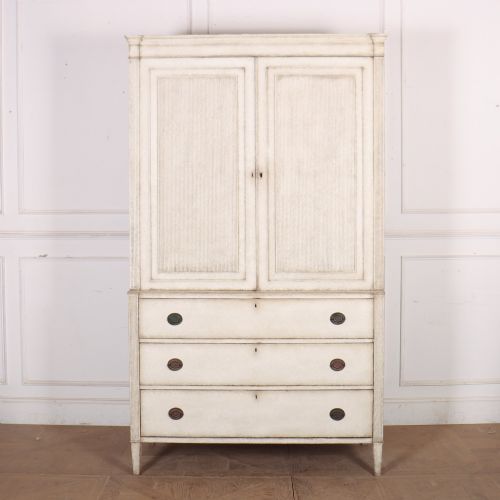
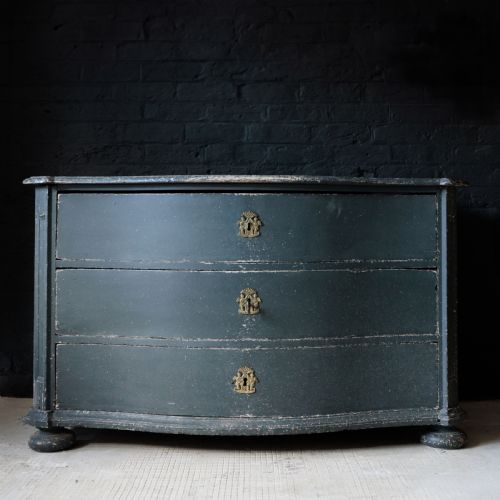
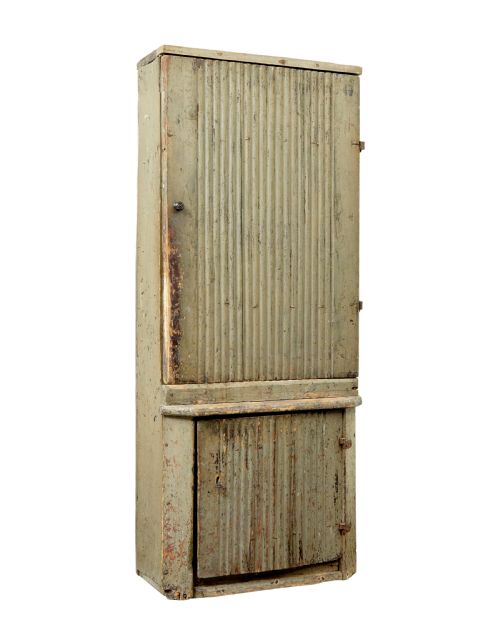
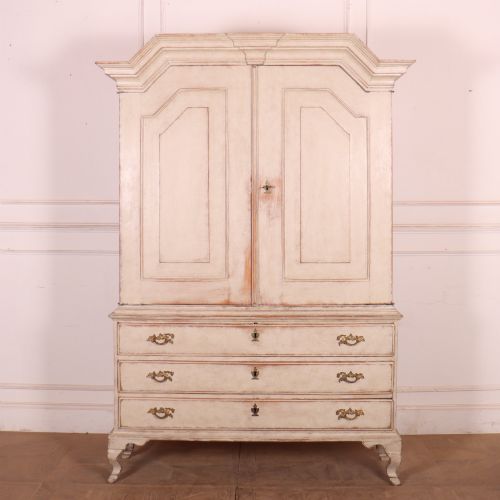
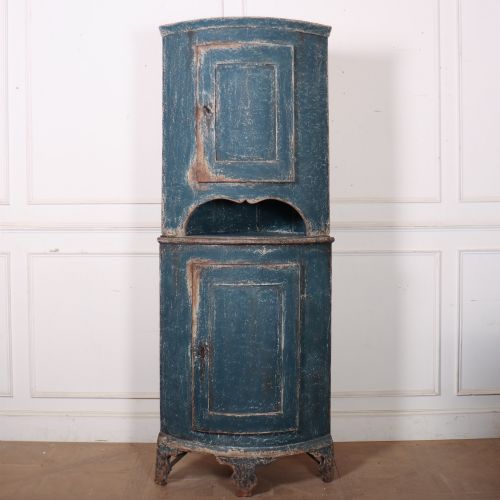
A Swedish painted cabinet is a storage piece originating primarily from the eighteenth and nineteenth centuries, spanning styles from austere Gustavian symmetry to expressive Scandinavian folk art. These pieces range from tall linen cupboards and corner units to compact bedside tables and wall cabinets.
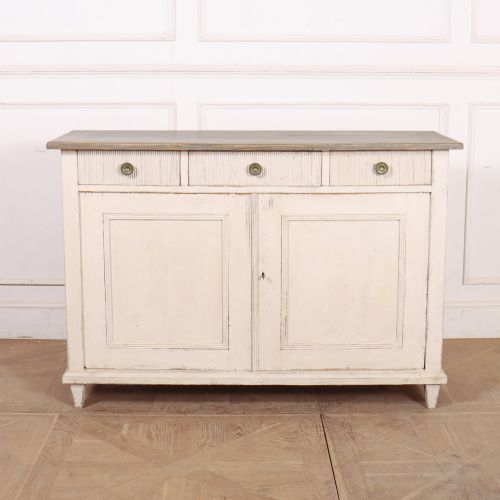
Most examples found in daily trading date from the nineteenth century, constructed in pine or softwood and finished with layers of paint. Buyers encounter both single and double door formats, alongside commodes, bureaus, and cabinets on stands.
Regional variations appear across the selection, shifting between rustic Scandinavian country expressions and neoclassical Gustavian influences. Each form reflects the domestic storage needs of historic Swedish homes, from kitchen pantries to principal chambers.
Materials and construction
Makers relied principally on pine and softwood for the carcase and doors, shaping timber with hand tools before applying preparatory coats. Brass and iron hardware, including hinges, locks, and escutcheons, secured the functional elements of each cupboard.
Surface decoration involved oil or distemper paint applied directly to wood, sometimes layered to create scraped finishes or traditional ragwork patterns. Glass panelling appeared in display variations and bookcase doors, while interiors remained utilitarian pine.
Swedish Painted Cabinet Retail Price Guide 2026
Typical asking prices for swedish painted cabinet among the pieces listed under this phrase on Sellingantiques today, from the lower quarter to the upper quarter. They describe what is for sale here now, not the wider market.
One wall cabinet carries a painted date of seventeen seventy-eight, watching over centuries of domestic life.
Markers of quality
Quality rests in the survival of original surface paint, where untouched historic layers or early scraped finishes distinguish superior examples from later repainted surfaces. Proportions dictate balance, with refined mouldings and restrained carving setting apart finer Gustavian pieces from simpler rustic work.
Joinery execution reveals the maker's hand, seen in pegged joints, well-fitted panelled doors, and intact period hardware like brass and iron fastenings. The integrity of the pine timber beneath the paint layer also determines structural stability.
The Swedish Painted Cabinet Glossary
- Gustavian
- A neoclassical Swedish design style named after King Gustav III, characterised by restrained symmetry, fluted columns, and pale tones.
- Ragwork
- A decorative paint technique using rags to manipulate wet colour across a surface, creating mottled or textured patterns.
- Commode
- A low chest of drawers or cabinet with doors, originating as a bedroom or living chamber storage piece.
- Bonnet top
- An arched or domed upper pediment on a tall cabinet, often housing additional shelf space.
- Distemper
- A water-based paint medium utilising animal glue or size as a binder, common on historical Swedish furniture surfaces.
Swedish Painted Cabinet: Frequently Asked Questions
Where were these cabinets used?
Historic households utilised these pieces across various rooms, storing household linens in large cupboards or everyday provisions in kitchen cabinets.
Smaller variants served bedrooms as bedside tables or hung upon walls to keep small items secure.
How do I date a piece?
Dating relies on examining construction methods, nail types, and stylistic indicators such as Gustavian neoclassical detailing or folk art motifs.
Paint analysis and surface wear also help establish whether a finish dates to the eighteenth or nineteenth century.
Are the painted surfaces original?
Surfaces vary between untouched historic paint layers, early scraped finishes, and later redecorating efforts carried out by hand.
Close inspection under natural light reveals underlying coats and the natural craquelure associated with age.
How do I care for the paint?
Maintain painted pine furniture by keeping pieces away from direct heat sources and strong sunlight that can dry out historic timber.
Dust gently with a dry, soft cloth and avoid chemical cleaning agents that might damage distemper or oil finishes.