



Scandinavian Linen Press
A Scandinavian linen press is a substantial storage piece built to hold textiles, combining practical utility with regional painted or timber finishes.
Scandinavian Linen Press
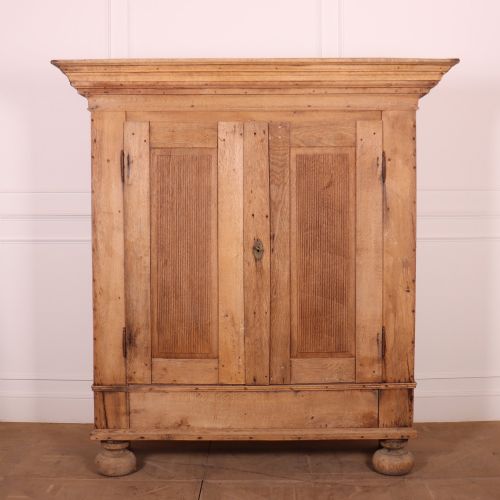
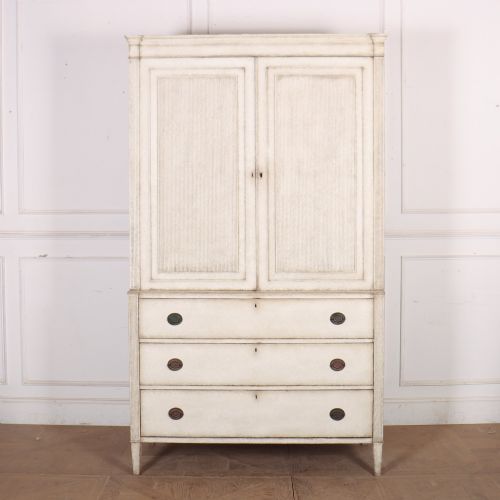
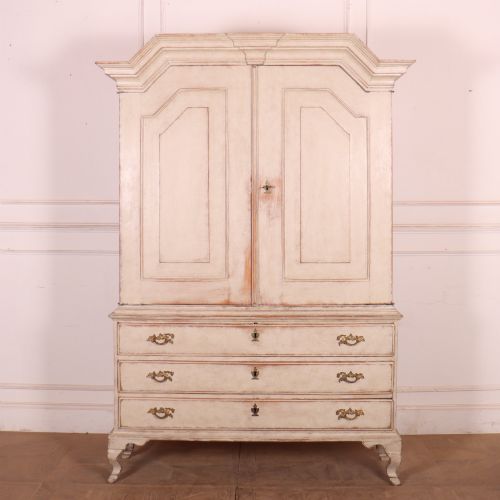
A Scandinavian linen press is a large storage cabinet or cupboard designed for domestic linens and garments, appearing primarily in eighteenth and nineteenth century periods. These tall pieces provide deep interior space behind panelled doors, often incorporating lower drawer sections or stands. Buyers seeking this search phrase encounter substantial wooden furniture built for provincial homes or grander estates.
The selection here draws heavily from Swedish workshops, ranging from rustic painted pine examples to sophisticated birch designs. Common forms include bonnet top cabinets, double door cupboards, and fitted storage units rooted in Scandinavian country, Gustavian, and Biedermeier traditions. Pieces finished with painted surfaces or decorative ragwork sit alongside natural timber variants in satin birch and pine.
Regional variations span simple Baltic construction and ornate Empire revival or Art Nouveau styling. While some pieces function purely as wardrobes or kitchen cabinets, the underlying purpose remains the storage of household textiles and apparel. Buyers find these items functioning as focal points in modern interiors due to their scale and distinct regional character.
How they were made
Makers utilised solid pine and birch as primary structural woods, often applying multiple layers of paint to softer timbers like pine. Painted finishes frequently feature traditional pigments applied over prepared grounds, sometimes employing ragwork techniques to create textured decorative surfaces. Hardwoods such as satin birch and birds-eye maple appear in later or more formal pieces, left natural or polished to highlight the grain.
Construction methods relied on traditional joinery techniques suited to large case furniture, including panelled doors and fitted internal shelving or hanging space. Iron and brass hardware, such as hinges, escutcheons, and locks, secured the heavy doors and added functional detail. Cabinets built on stands or chests incorporated structural bracing to support the elevated weight of the upper compartment.
Scandinavian Linen Press Retail Price Guide 2026
Typical asking prices for scandinavian linen press among the pieces listed under this phrase on Sellingantiques today, from the lower quarter to the upper quarter. They describe what is for sale here now, not the wider market.
Listings feature pine and birch as primary materials, spanning eighteenth-century Baroque styles to mid-century Scandinavian modern forms.
What varies in quality
The refinement of the decorative painting and surface treatment sets apart simpler provincial items from high-style Gustavian or Biedermeier works. Fine examples display carefully layered historical paint surfaces and precise proportioning, whereas rustic pieces show simpler tool marks and heavier proportions. The choice of primary timber also dictates the tier, with figured birch and maple sitting above standard utility pine.
Internal joinery and original hardware contribute significantly to the standing of a piece. Cabinets retaining their original brass or iron fittings, untouched interior fittings, and well-executed secondary framing demonstrate superior workshop practice. The integrity of the timber carcass and the balance between decorative moulding and functional capacity define the overall execution.
Oscar Nilsson Nordiska Kompaniet
The Scandinavian Linen Press Glossary
- Ragwork
- A decorative paint technique where rags or cloths are used to manipulate wet glaze or paint on a surface, creating mottled patterns. This method was common in traditional Scandinavian furniture decoration.
- Gustavian
- The Swedish neoclassical style spanning the late eighteenth century, characterised by restrained classical motifs, fluted columns, and pale painted finishes. These pieces reflect French influence adapted to Nordic tastes.
- Bonnet top
- A curved or arched upper pediment on a tall cabinet or press, resembling the shape of a bonnet. This architectural feature softens the silhouette of large storage furniture.
- Satin birch
- A timber derived from birch trees featuring a lustrous, light-reflecting grain that resembles satin. Cabinetmakers utilised this wood for polished veneer and solid construction in nineteenth-century pieces.
- Serpentine
- A curved shape featuring a convex centre flanked by concave ends, often seen on cabinet fronts and commodes. This flowing contour requires advanced woodworking skill to execute.
Scandinavian Linen Press: Frequently Asked Questions
What is a Scandinavian linen press used for?
These tall cupboards provide deep shelving and hanging space originally intended for household textiles, blankets, and garments. Today they serve as statement wardrobes or general storage cabinets in bedrooms and living areas.
The enclosed architecture protects contents from dust while concealing bulky items behind solid wooden doors. Their generous proportions make them practical solutions for modern storage needs.
Are painted pine cupboards antique?
Many painted pine cupboards date from the eighteenth and nineteenth centuries, constructed by regional carpenters across Sweden and the broader Baltic region. Their surfaces often show layers of historical paint build-up acquired over generations of domestic use.
Craftsmen built these items from native softwoods, finishing them with practical lead or milk-based paints that patinated naturally over decades.
How do I care for antique painted wood?
Maintain painted surfaces by dusting gently with a dry, soft cloth and avoiding harsh chemical cleaning products or abrasive materials. Keep the furniture away from direct sunlight and severe humidity fluctuations to prevent wood movement and paint flaking.
Wax can be applied sparingly to unpainted interior pine or polished birch components, but painted exteriors generally require only gentle cleaning to preserve their historic finish.