

Sterling Silver Table Box
These sterling silver table box pieces span the Victorian and Art Deco eras, offering collectors both functional storage and exceptional decorative silverwork.
Sterling Silver Table Box
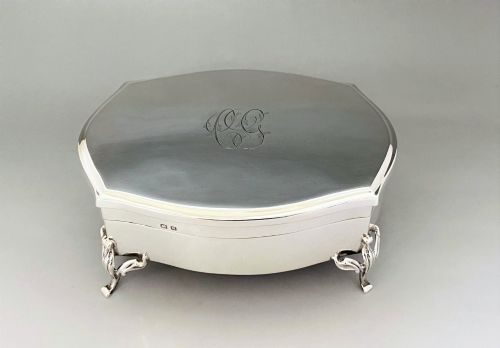
A sterling silver table box is a refined receptacle designed for domestic use on desks, dressing tables, or salons. When searching this phrase, collectors encounter varied iterations ranging from small trinket containers to substantial cigar and cigarette receptacles.
How They Were Made
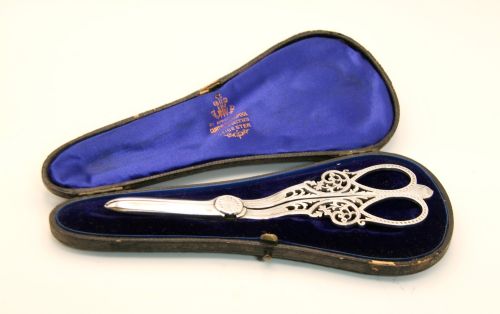
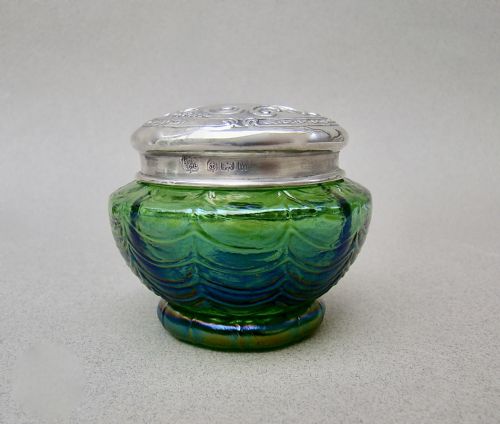
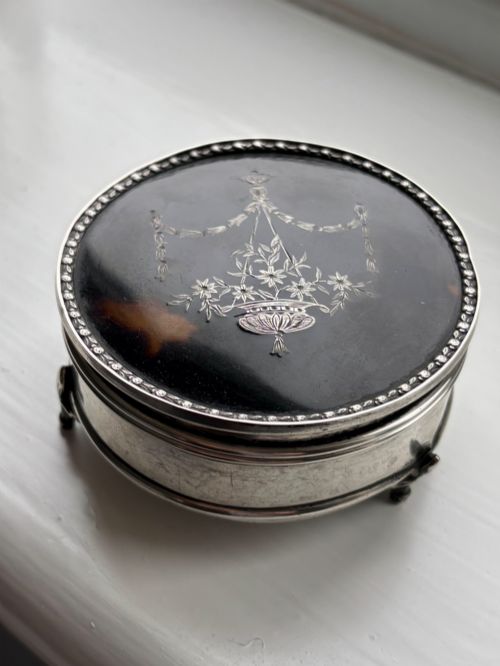
Silversmiths utilised solid sterling silver, often combining the metal with structural elements of glass, satin glass, or Kralik glass for vanity jars and trinket pots. Interiors were frequently lined with velvet, silk, or satin to protect delicate contents.
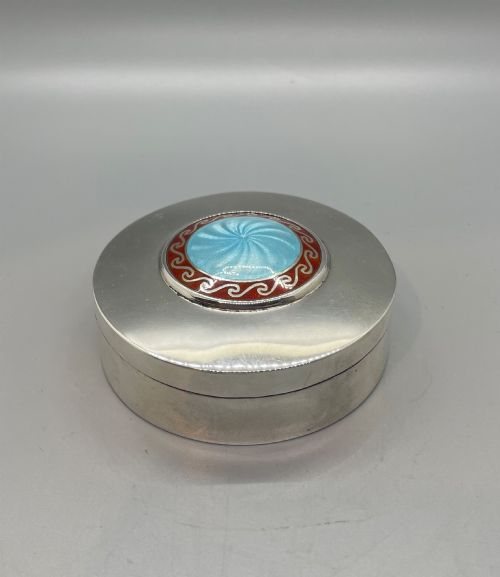
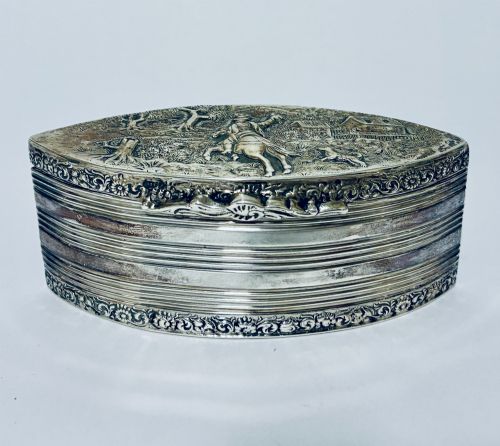
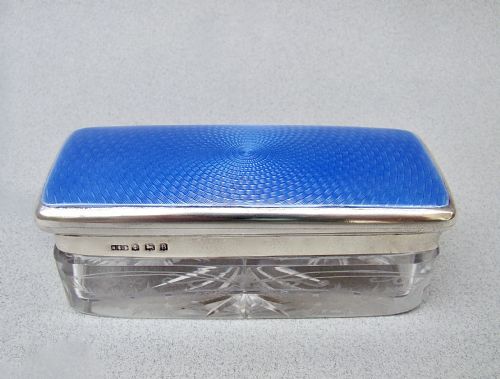
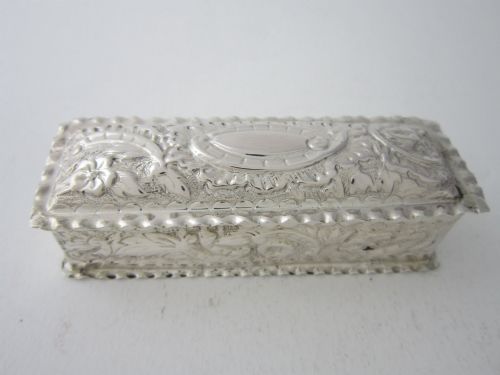
Decoration relied on traditional techniques including chased floral borders, repoussé battle scenes or pastoral motifs, piercing, and guilloché enamel work in colours such as blue, white, green, and purple.
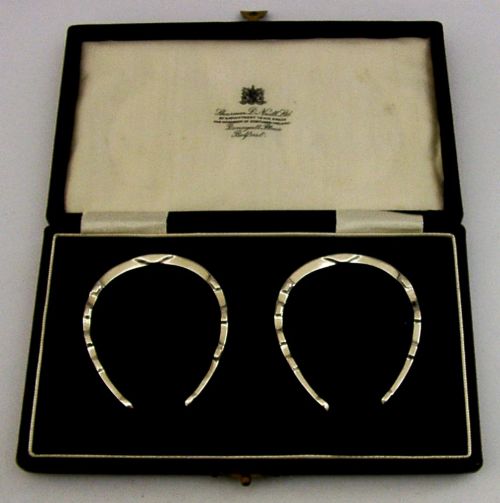
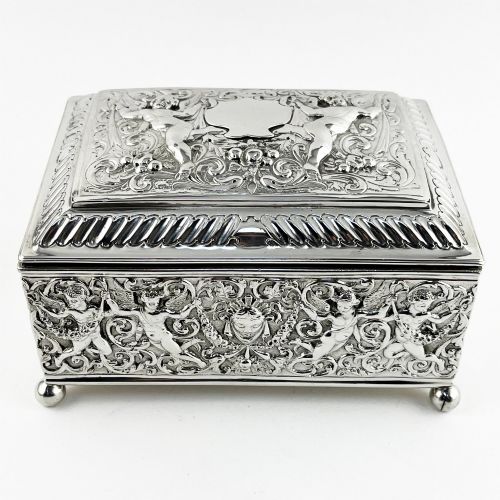
Several boxes incorporate secret drawers, lucky horseshoes, or tiny cherub angels peering out from heavy repoussé pastoral scenes.
What Varies in Quality
Quality rests upon the weight of the metal and the crispness of the silversmith's hand in chasing or engraving the surfaces. Substantial gauge silver and intricate pictorial scenes, such as castle tops or military motifs, elevate a piece above standard utility boxes.
The integration of secondary materials also dictates standing, where flawless coloured enamel panels, heavy cut glass bases, or intact original silk and velvet linings distinguish superior examples from plain variants.
A. J. Pepper & Co·Henry Clifford Davis·A. Bromet & Co·Zimmermann·Thomas Shaw·Edward Smith·Joseph Willmore·Paul Storr·Ollivant & Botsford·A. Wilcox·Mappin & Webb
The Sterling Silver Table Box Glossary
- Sterling silver
- An alloy comprising ninety-two point five percent silver and seven point five percent other metals, typically copper, chosen for durability and lustre. This standard has governed British silver hallmarking for centuries.
- Guilloché enamel
- A decorative technique where intricate geometric patterns are engine-turned into a metal surface beneath translucent coloured enamel. It appears frequently on dressing table jars and Art Deco boxes.
- Repoussé
- A method of shaping metal by hammering from the reverse side to create a raised design in relief. Victorian and Hanau table boxes often employ this technique for dramatic pictorial scenes.
- Silver gilt
- Silver that has been coated with a thin layer of gold on its interior or exterior surfaces. This process prevents tarnishing and adds a rich two-tone finish, often seen on snuff boxes.
- Caddy
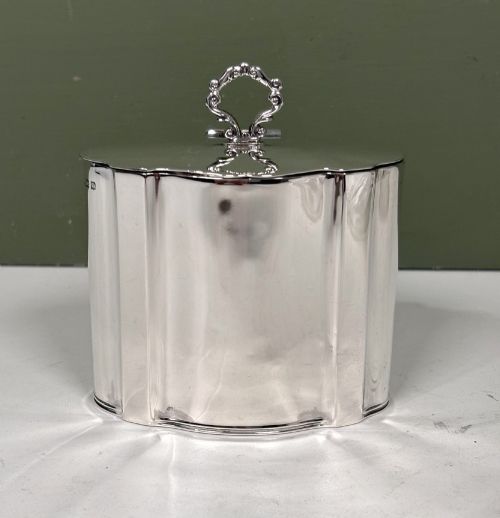
- A small container originally designed for storing tea leaves before they became widely accessible commodities. Silver examples from the Edwardian and Georgian eras often feature secure lidded designs.
Sterling Silver Table Box: Frequently Asked Questions
What were sterling silver table boxes used for?
These boxes served various domestic purposes in period homes, holding everyday items such as visiting cards, tobacco, snuff, or sewing implements. On dressing tables, smaller variants kept jewellery and hairpins secure.
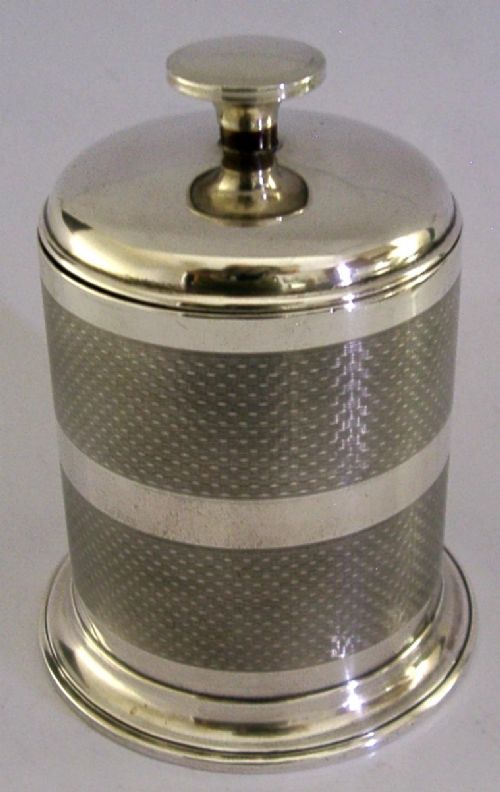
Larger receptacles functioned as desk boxes or cigar humidors in studies and smoking rooms, protecting luxury goods from moisture and dust while displaying the owner's taste.
How do I date a silver table box?
Dating relies primarily on the hallmarks stamped into the silver, which record the assay office, standard mark, and date letter for the specific year of manufacture. Stylistic indicators also help narrow the period.
Victorian pieces often feature heavy chased floral work or military scenes, whereas Edwardian and Art Deco examples tend to incorporate cleaner geometric lines, enamel panels, or cut glass bodies.
How should I clean my silver box?
Maintenance requires a soft microfiber cloth and a mild, non-abrasive silver polish formulated specifically for antique metalwork. Gentle application preserves the crispness of chased details and maker's marks.
Avoid aggressive scrubbing, particularly on pieces with guilloché enamel, glass bodies, or velvet linings, as moisture and harsh chemicals can damage these vulnerable secondary materials.
What is Hanau silver?
Hanau silver refers to decorative items manufactured in the German town of Hanau during the late nineteenth and early twentieth centuries. Many workshops specialised in producing pieces that emulated earlier antique styles.
These imported boxes often feature continental control marks alongside pseudo-marks that mimic British hallmarks, depicting historical Dutch or German scenes like tavern gatherings and cavalier processions.