

Standing Wine Cooler
A standing wine cooler brings the hospitality of the dining room into sharp focus, offering a dedicated vessel for bottles raised from the floor on legs or a bespoke stand.
Standing Wine Cooler
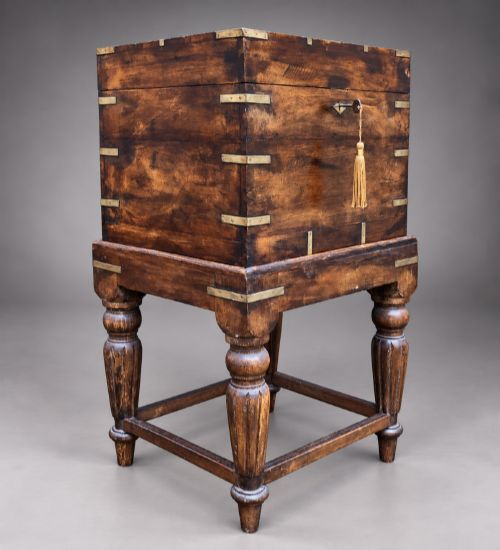
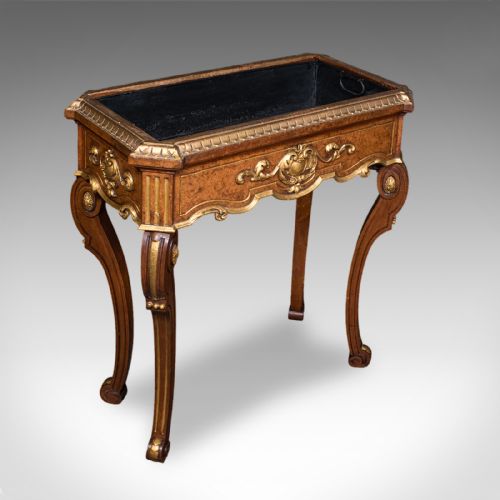
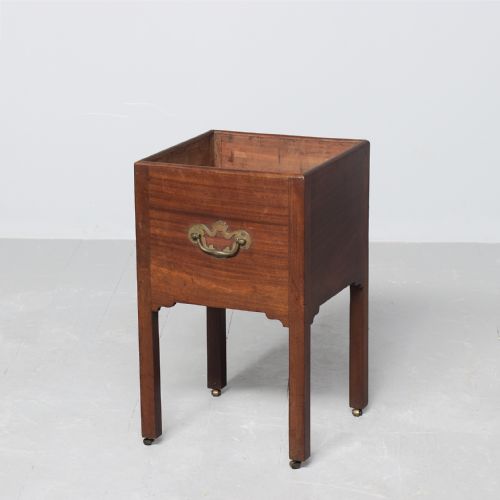
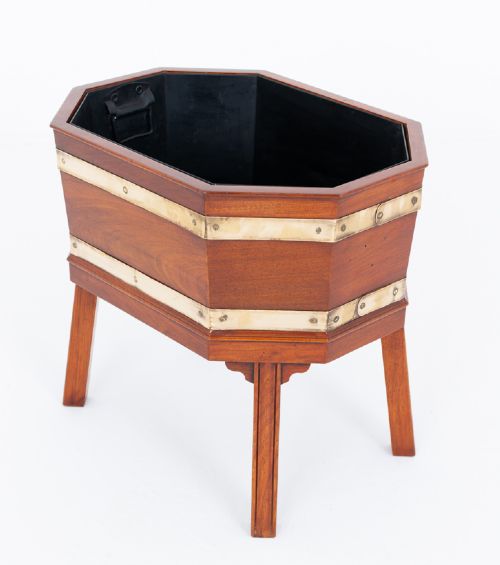
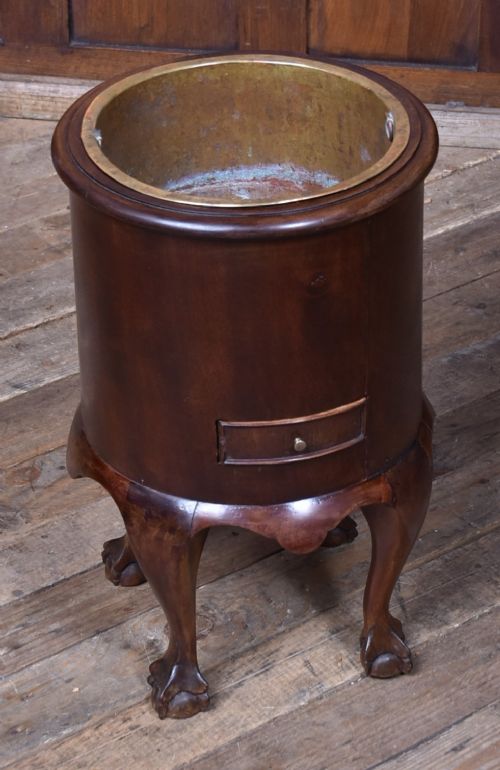
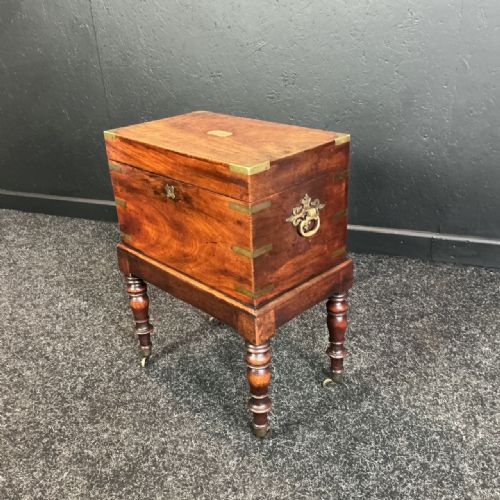
A standing wine cooler is an elevated vessel designed to hold bottles and ice during dining, appearing across Georgian, Regency, and Victorian periods in forms that double as planters or jardinieres.
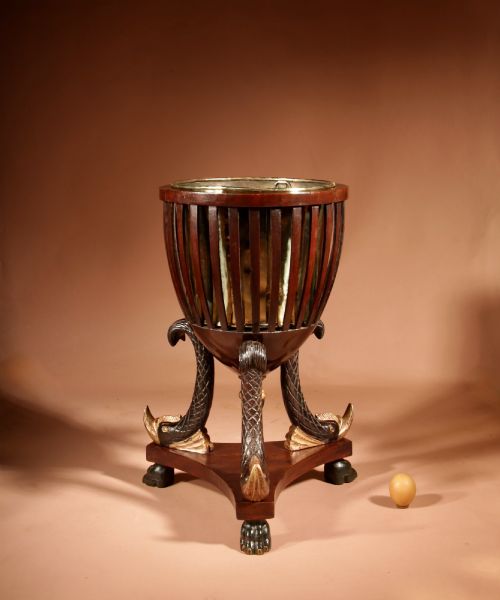
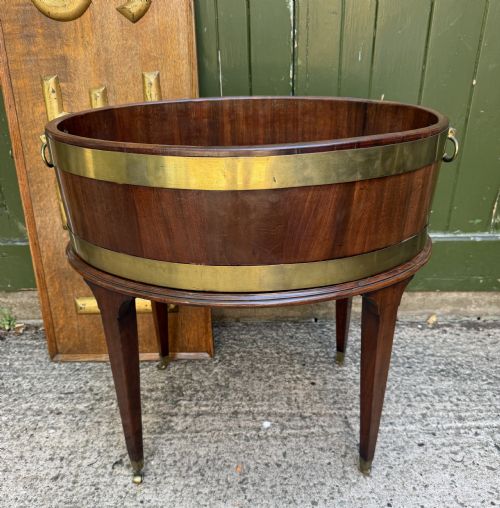
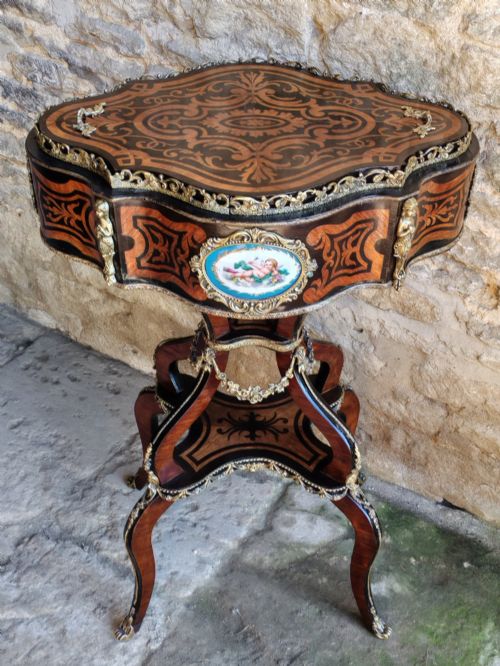
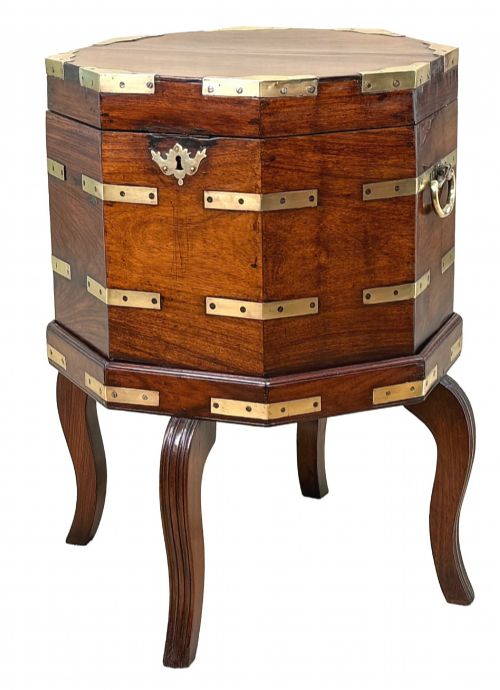
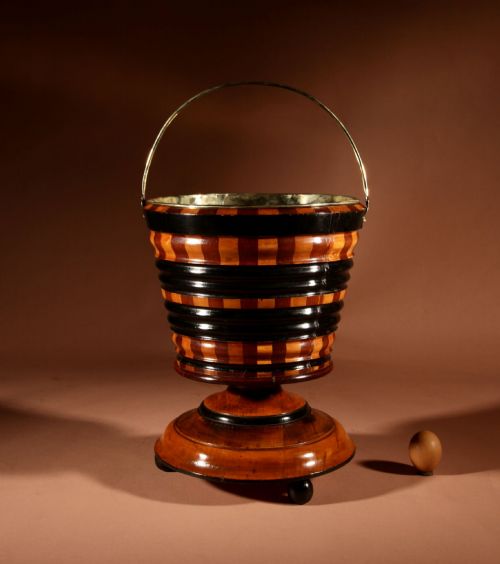
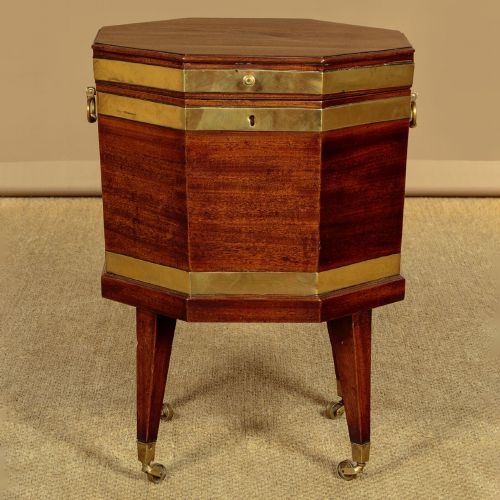
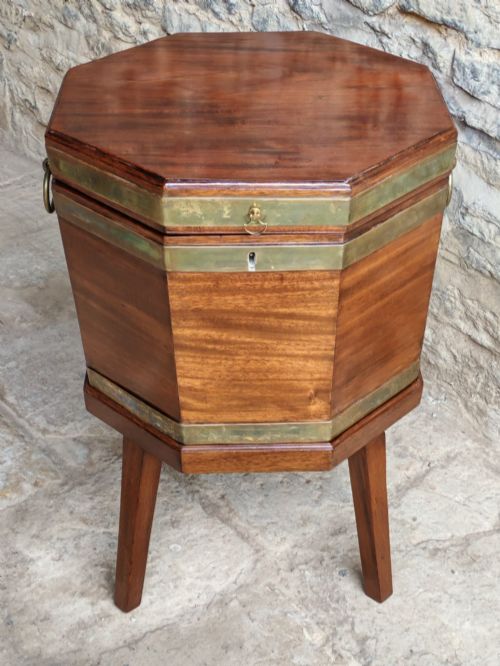
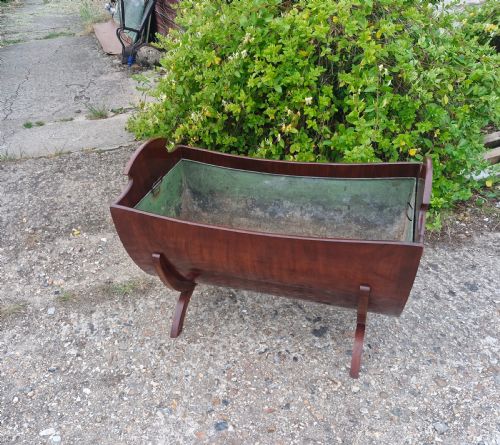
Buyers meet mahogany oval and octagonal cellarettes mounted on slender legs, alongside French ebonised stands and coopered timber buckets fitted with metal liners.
Origins stretch from English country houses to Anglo-Indian workshops and continental salons, reflecting diverse dining rituals across the eighteenth and nineteenth centuries.
What varies in quality
The sophistication of the timber figure and the precision of the cooperage set finer examples apart from simpler utility pieces, particularly where flame mahogany or figured walnut is selected for maximum visual impact.
The retention of original stands, mounts, and interior metal liners dictates authenticity and structural integrity, distinguishing pieces that remain as their makers intended from those assembled later.
Carved detail and inlay execution reveal the hand of the workshop, where crisp mouldings and balanced proportions elevate a standard container to a formal furniture piece.
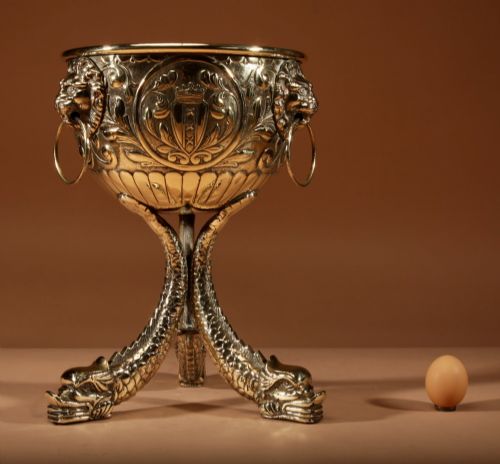
Some Victorian examples doubled as novelty ice buckets, allowing dining hosts to surprise guests with elaborate silver-plated animal and barrel forms.
Gillows·Elkington·Cope and Collinson·Christofle·WMF
The Standing Wine Cooler Glossary
- Cellarette
- A lockable container for holding bottles of wine, often kept beneath a sideboard or mounted on its own stand.
- Coopered
- Constructed from curved wooden staves bound together with metal hoops, following the traditional method of barrel-making.
- Jardiniere
- An ornamental pot or stand designed to hold plants or flowers, frequently sharing forms with contemporary wine coolers.
- Ormolu
- Gilded bronze mounts applied to furniture and decorative objects, popular during the Regency and French Rococo Revival periods.
- Dinanderie
- Objects made of beaten or cast brass and other non-ferrous metals, often featuring embossed decorative patterns.
Standing Wine Cooler: Frequently Asked Questions
What is a standing wine cooler used for?
These pieces served as dining room accessories to keep wine bottles chilled in ice near the table during long meals.
Over time, many found alternative uses as plant stands, jardiniere tables, or log baskets in country houses.
How do I tell a cellarette from a wine cooler?
A cellarette traditionally refers to a lockable box or chest designed to secure expensive vintages, while a wine cooler often denotes an open or bucket-style vessel.
In practice, makers and historical listings frequently use both terms interchangeably for pieces mounted on stands.
Are these liners waterproof?
Many period examples retain their original metal liners, such as zinc or brass, designed to hold melting ice without damaging the surrounding timber.
If the liner is missing or degraded, modern display typically requires a secondary waterproof vessel placed inside the timber shell.
How do I care for the wood?
Maintenance requires keeping timber pieces away from direct heat sources and sudden humidity changes to prevent the staves or veneers from splitting.
Regular application of suitable wax preserves the finish of mahogany and walnut surfaces without building up heavy residue.