


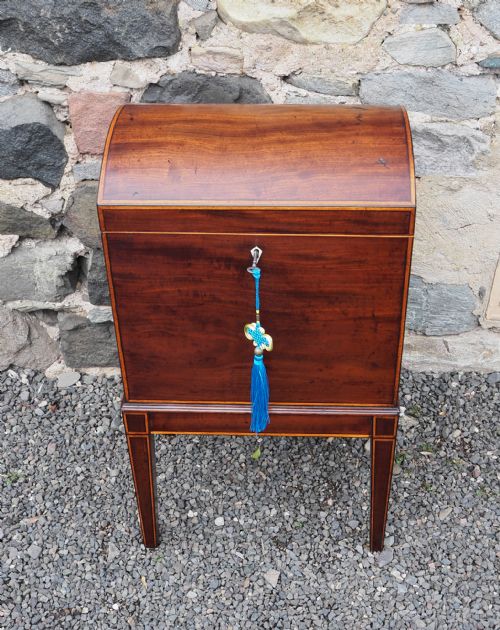
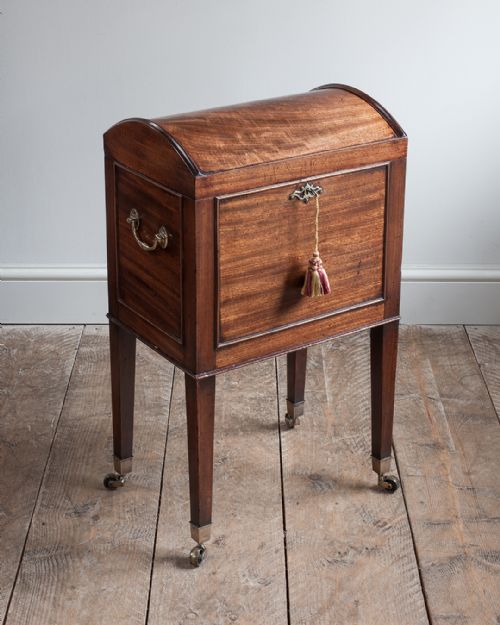


Wooden Bottle Cooler
These wooden bottle cooler pieces keep wine at the table, uniting practical storage with the rich grain of mahogany and oak.
Wooden Bottle Cooler
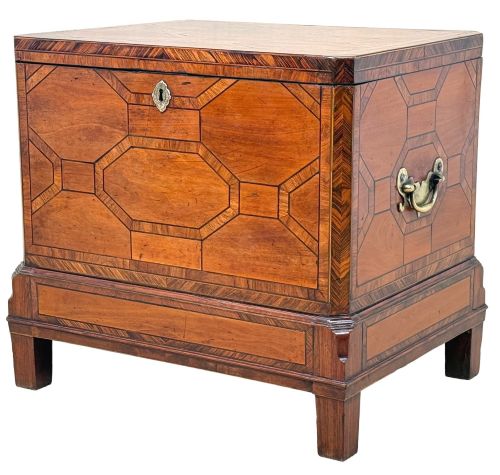
A wooden bottle cooler serves to chill and hold wine vintages within dining rooms and drawing rooms. The pieces encountered here span several key historical eras, including the Georgian, Regency, Victorian, and Edwardian periods.
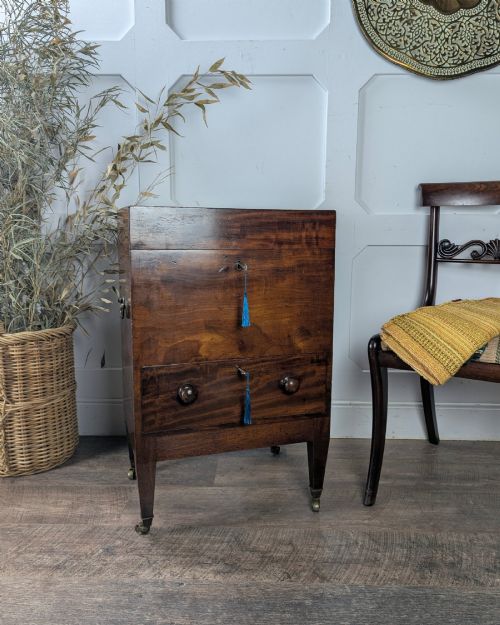
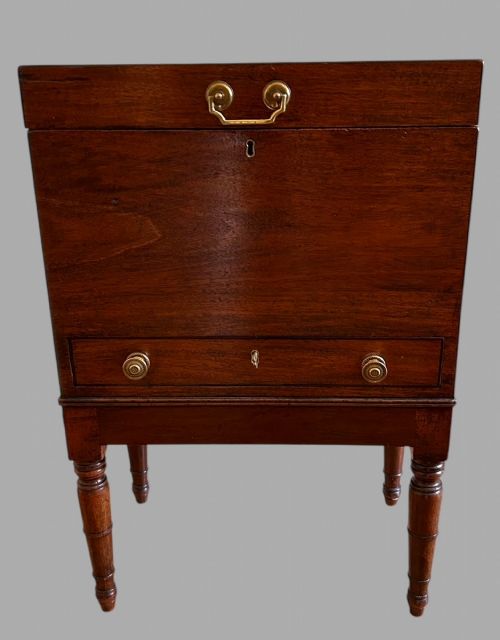
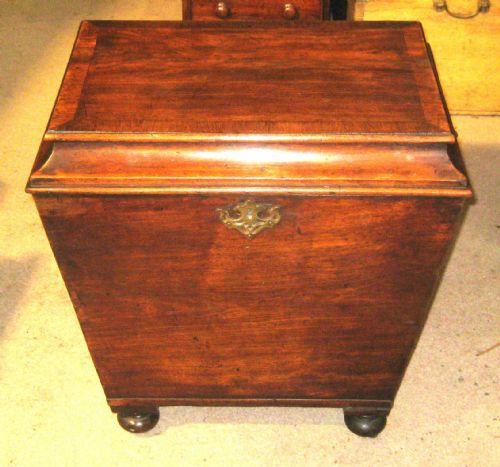
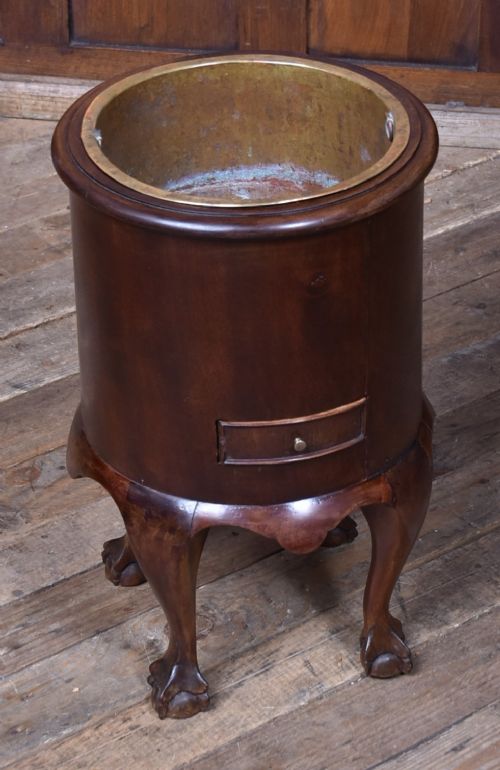
Most examples take the form of cellarettes, wine coolers, or bottle stands designed for floor or table placement. Mahogany predominates among the surviving items, alongside pollard oak, walnut, and satinwood.
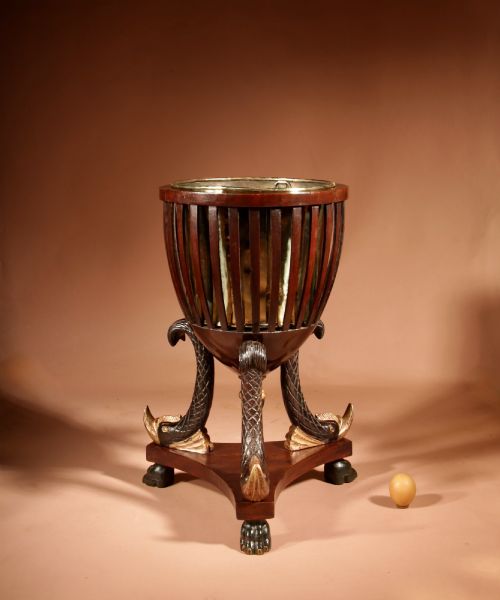
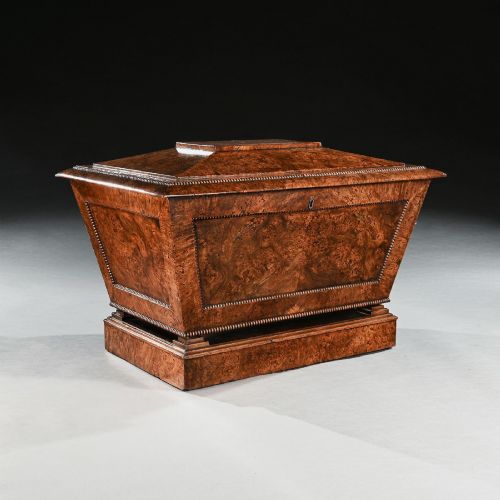
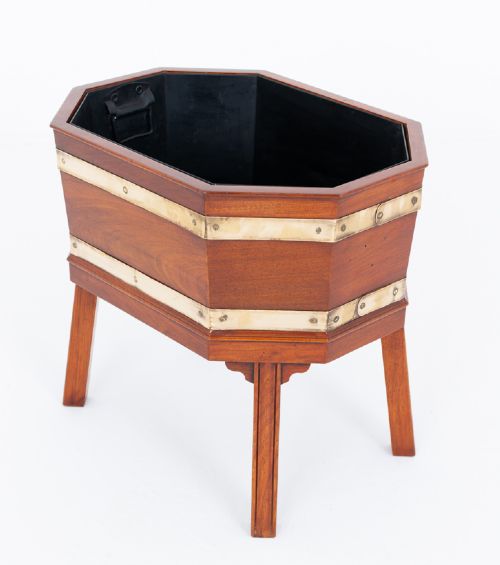
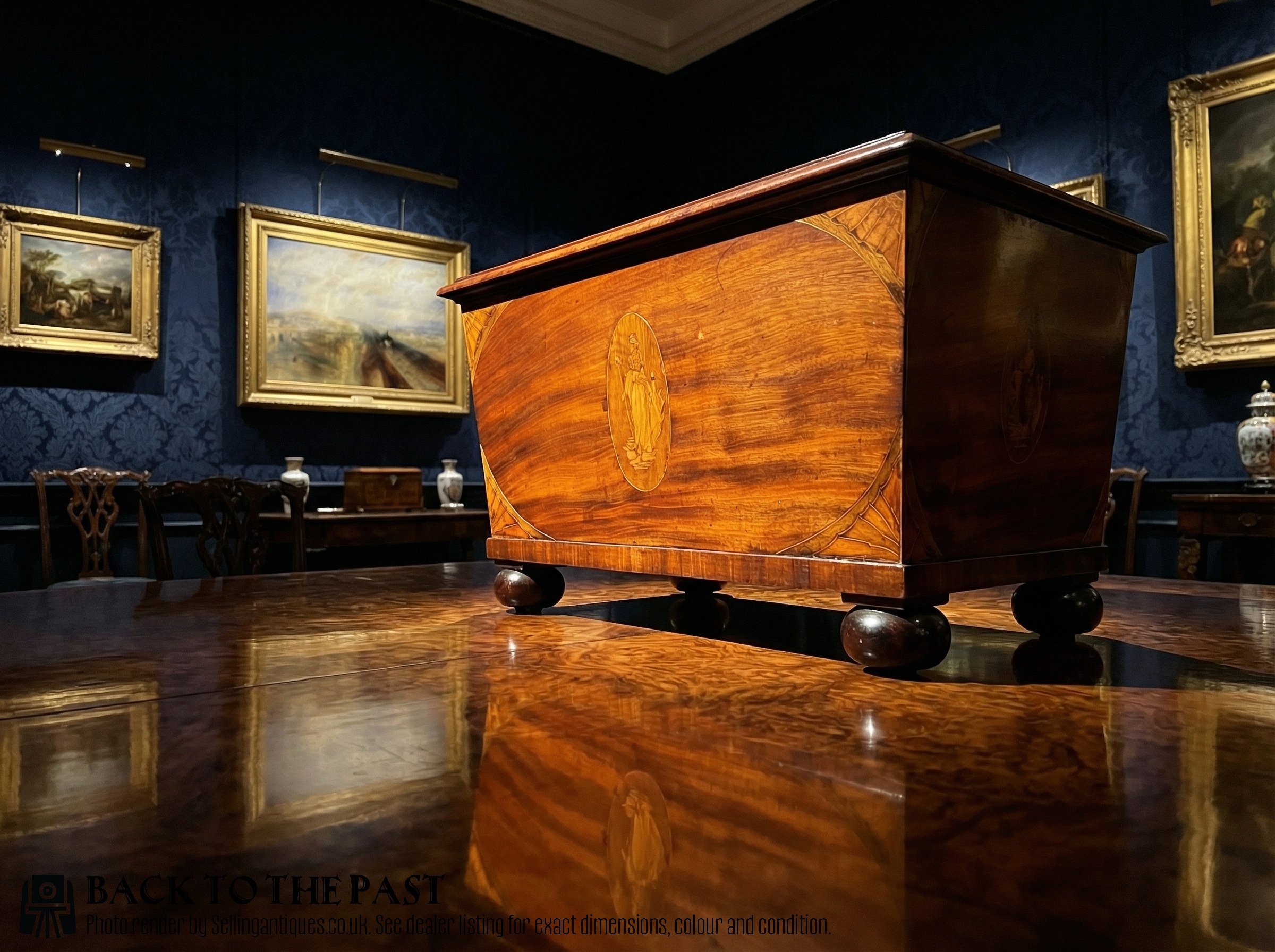
Makers fashioned these vessels as oval tubs, rectangular boxes, or sarcophagus shapes to suit the formal dining habits of past centuries. Many incorporate metal linings to hold ice and water securely.
Materials and construction methods
Craftsmen built these coolers primarily from solid or veneered mahogany, frequently employing flame mahogany veneers and boxwood inlay to create decorative surface patterns. Pollard oak and walnut also appear among the material choices.
Metal components play a central structural and functional role, with brass bands securing the wooden staves and zinc or lead linings protecting the timber from melting ice. Ebonised wood and metal details add contrast to the primary timber bodies.
Wooden Bottle Cooler Retail Price Guide 2026
Typical asking prices for wooden bottle cooler among the pieces listed under this phrase on Sellingantiques today, from the lower quarter to the upper quarter. They describe what is for sale here now, not the wider market.
Some nineteenth-century coolers hide heavy lead linings beneath polished mahogany lids, ready to face ice after a century of repose.
Distinguishing quality in construction
Superior examples derive their standing from the choice of timber figure, such as highly figured flame mahogany or pollard oak displaying deep natural colour and patina. The crispness of carved details, brass mounts, and inlay work separates finer workshop output from standard production.
Structural integrity depends upon the joinery of the main body and the retention of original interior linings. Pieces attributed to notable makers or exhibiting precise period proportions command greater attention from collectors.
Gillows of Lancaster and London·MAPLES & CO·Charles Heathcote Tatham·Whytock & Reid
The Wooden Bottle Cooler Glossary
- Cellarette
- A lockable container used for storing wine bottles near the dining table. They frequently stand on legs or rest directly on the floor.
- Sarcophagus form
- A burial-chest shape popular for Regency wine coolers featuring sloping sides and a flat or domed lid. This architectural outline brought classical dignity to the dining room.
- Flame mahogany
- A veneer cut from the branch junction of a mahogany tree yielding a distinctive flickering flame pattern. Cabinet makers prized this wood for its visual impact on prominent surfaces.
- Brass bound
- Secured with overlapping brass bands or hoops to hold wooden staves tightly together. This technique derives from cooperage methods used for liquid-holding tubs.
Wooden Bottle Cooler: Frequently Asked Questions
What is a wooden bottle cooler?
A wooden bottle cooler is a container built to hold wine bottles and ice during meals. These vessels kept drinks chilled before the invention of mechanical refrigeration.
Craftsmen shaped them as boxes, buckets, or sarcophagi to sit discreetly beside the dining table or sideboard.
How were these coolers used?
Servants filled the internal metal compartment with ice and water to lower the temperature of wine bottles prior to serving. The container allowed hosts to keep several bottles accessible during long dinner parties.
Many featured internal divisions to keep bottles separated and protected as the ice melted.
Where should I place one at home?
These pieces function well as side tables, plant stands, or discrete storage containers in a living room or dining area. Their robust timber construction and decorative brass mounts make them striking focal points.
Larger floor-standing cellarettes occupy corners or spaces beside sideboards, while smaller box versions rest securely on top of tables.
How do I distinguish Regency from Georgian pieces?
Georgian coolers often display crisp straight lines, classical bracket feet, and restrained brass inlay or handles. They lean toward architectural symmetry and lighter wood tones.
Regency examples tend to adopt bolder classical revival forms, including sarcophagus shapes, lion paw feet, and heavy cast brass rings. Pollard oak and rich flame veneers characterise this later era.