
Standing Longcase Clock
When you search for a standing longcase clock, you step into centuries of precision timekeeping and cabinet-making heritage.
Standing Longcase Clock
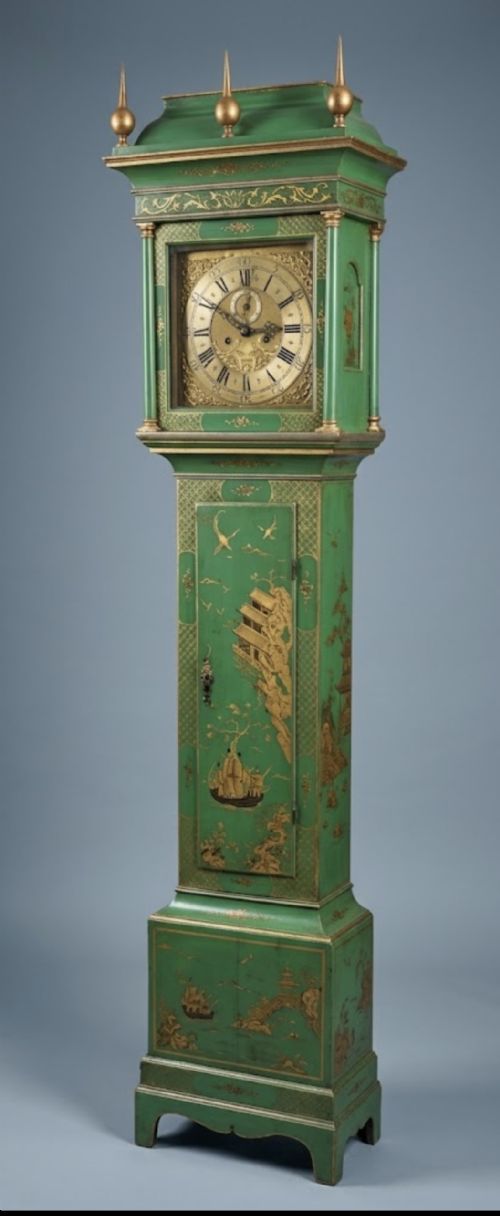
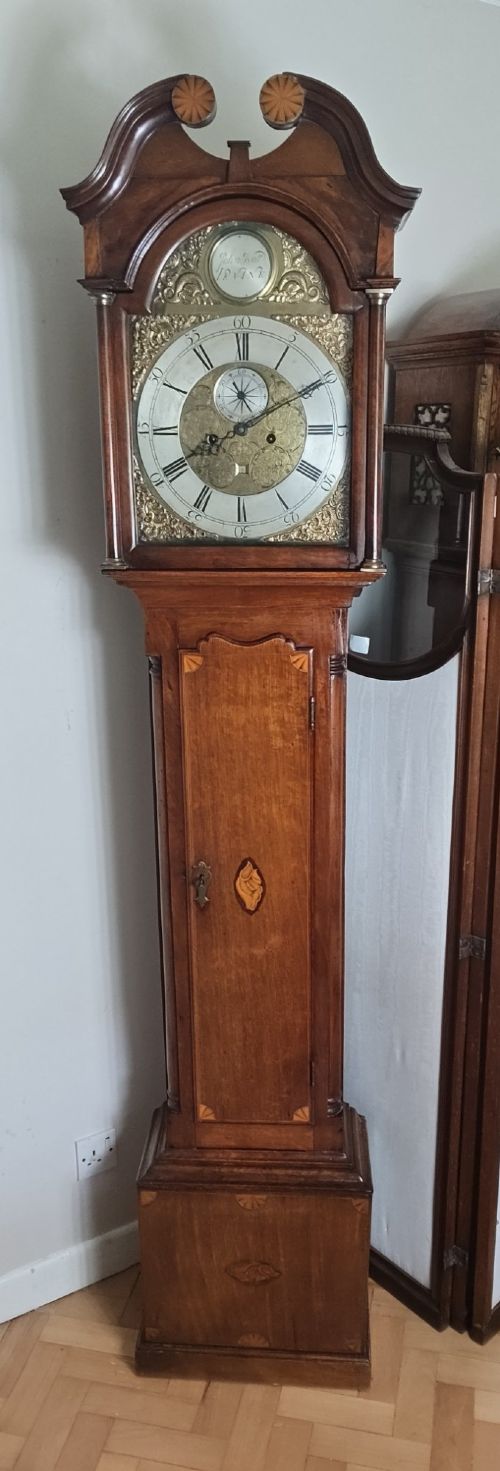
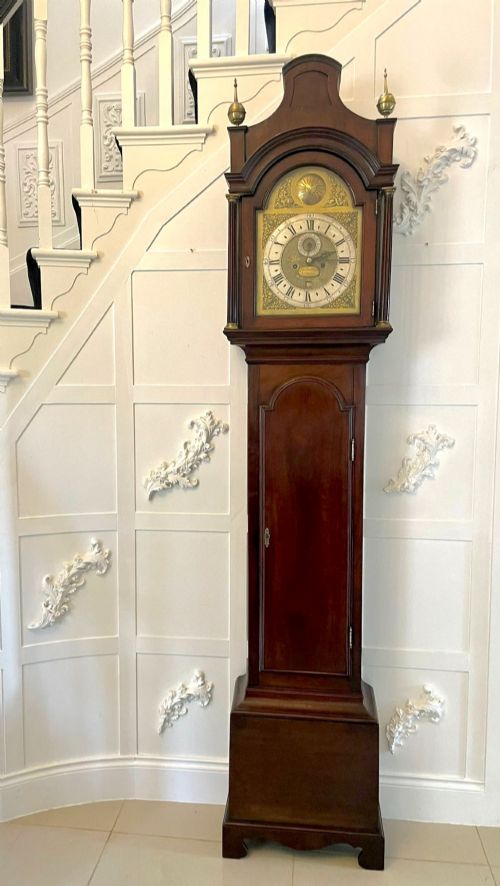
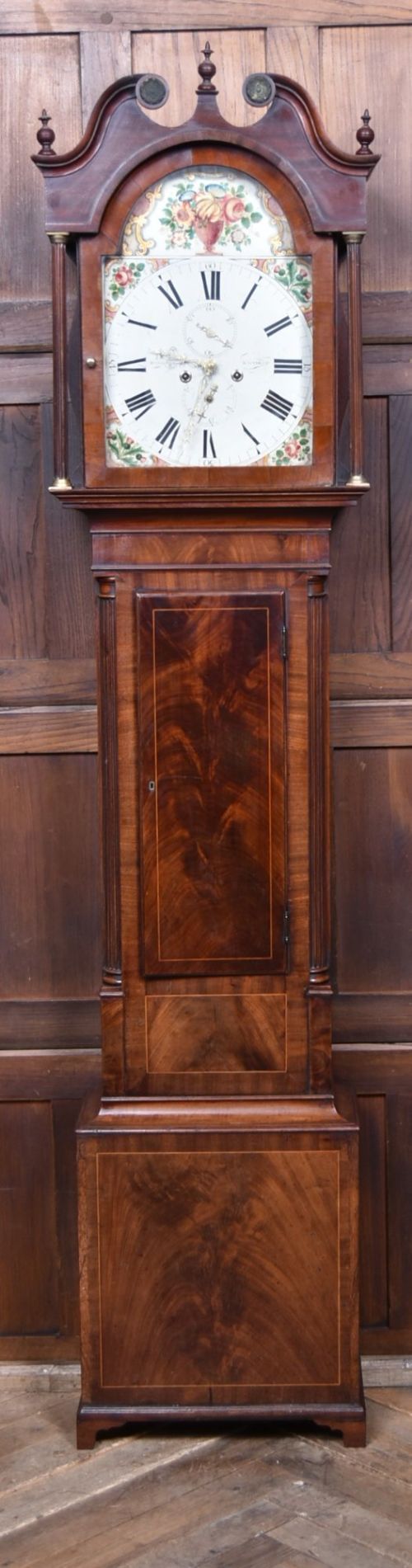
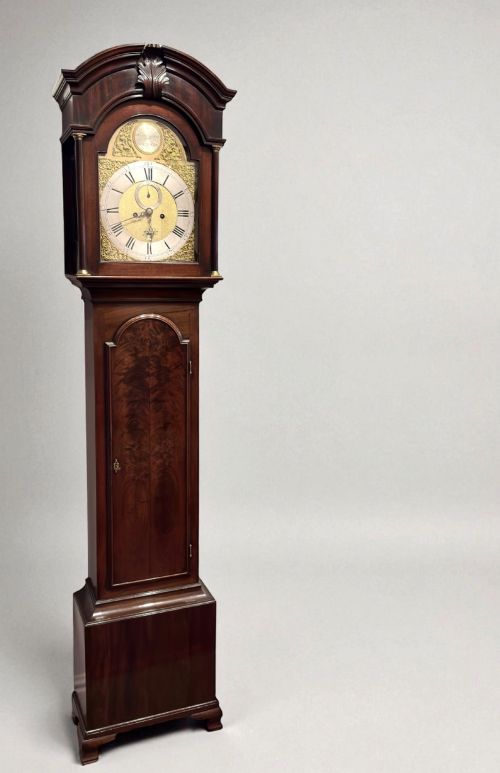
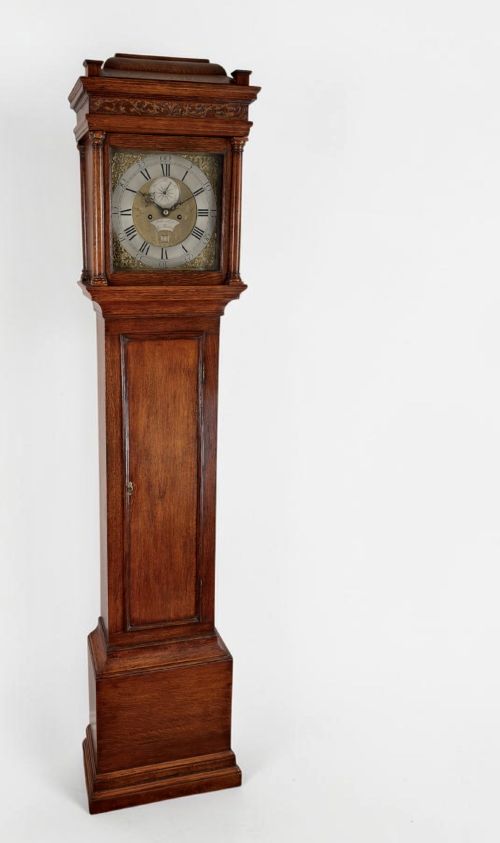
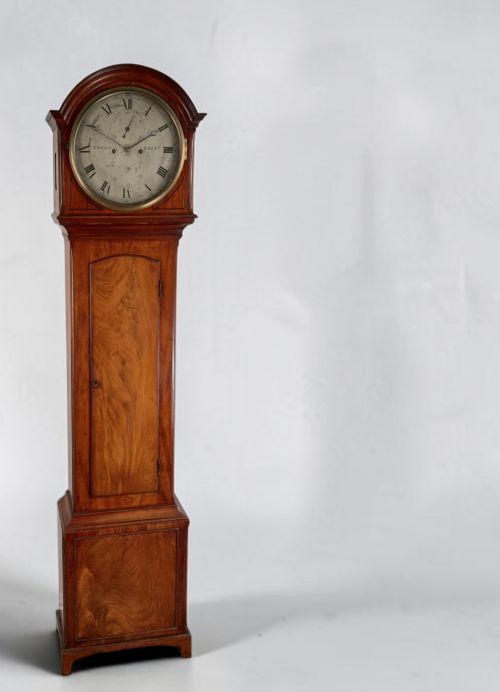
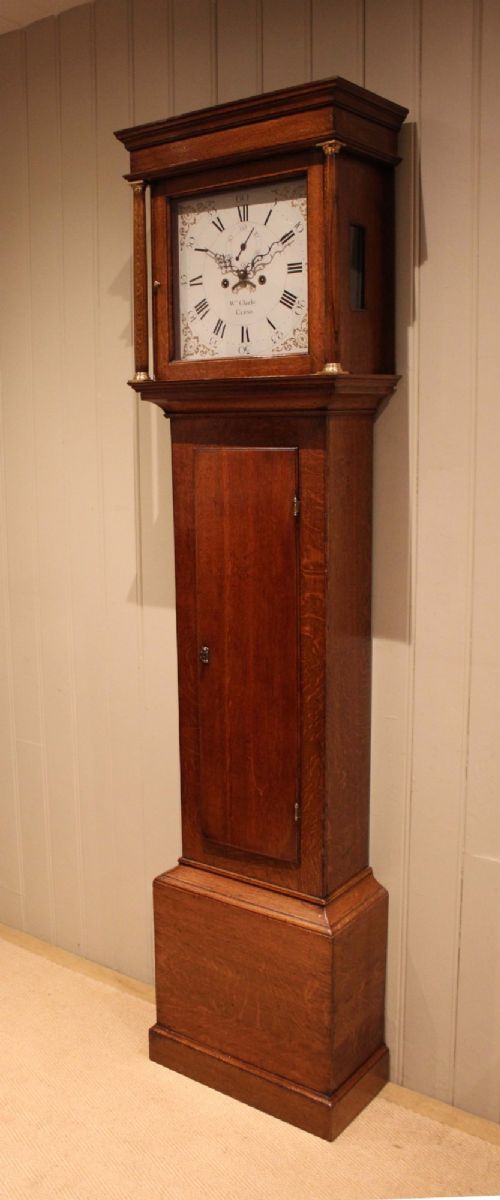
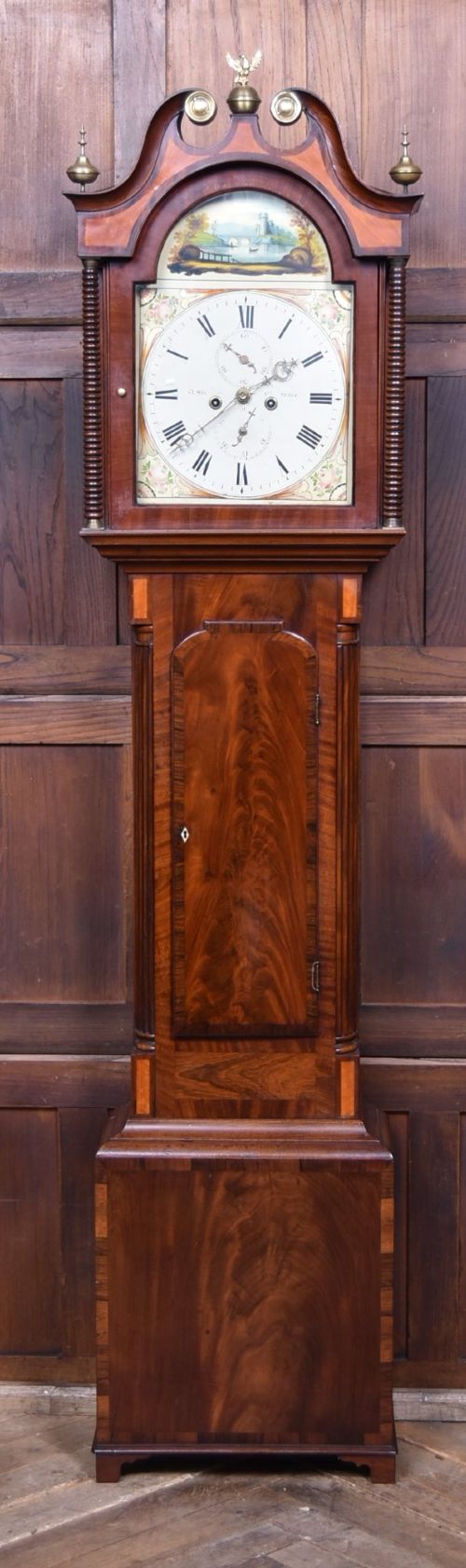
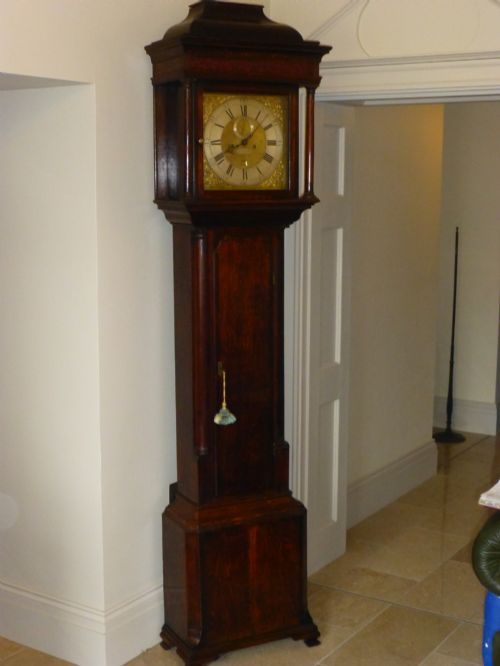
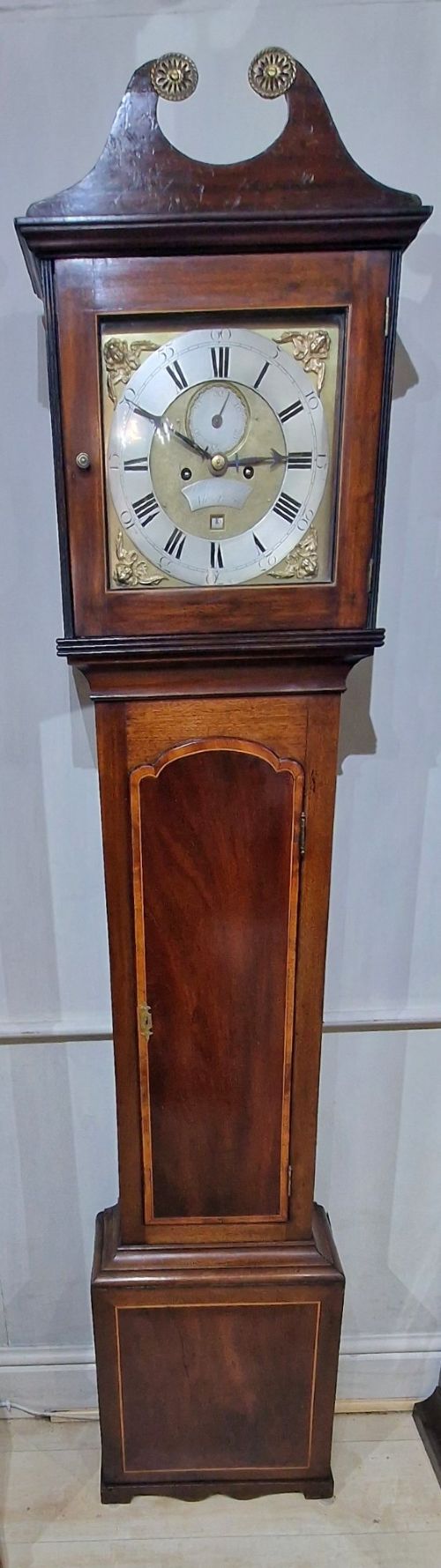
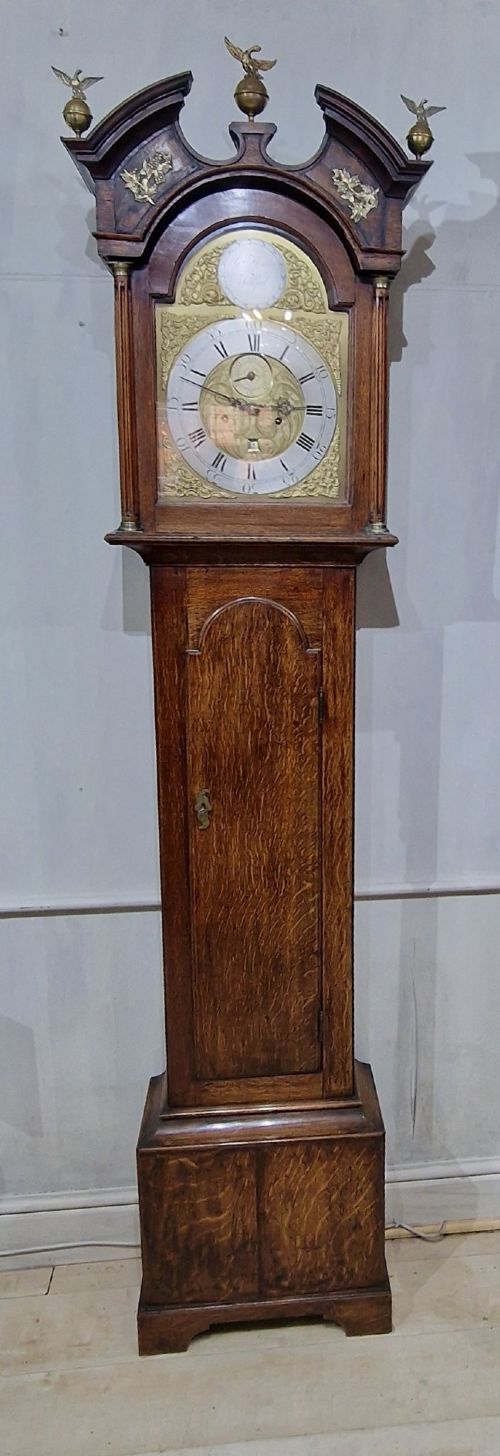
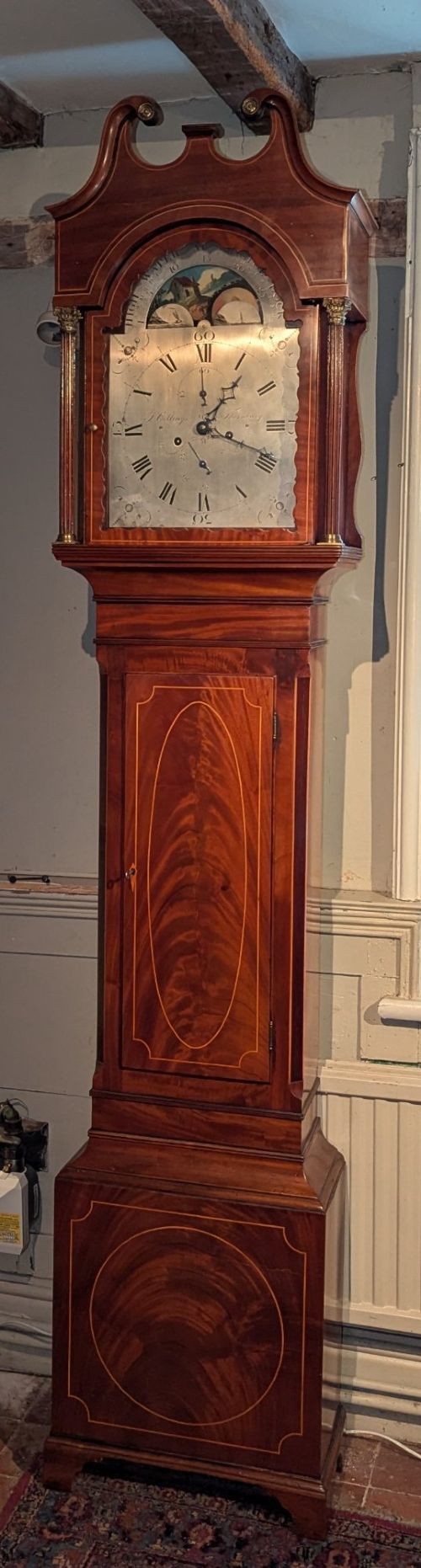
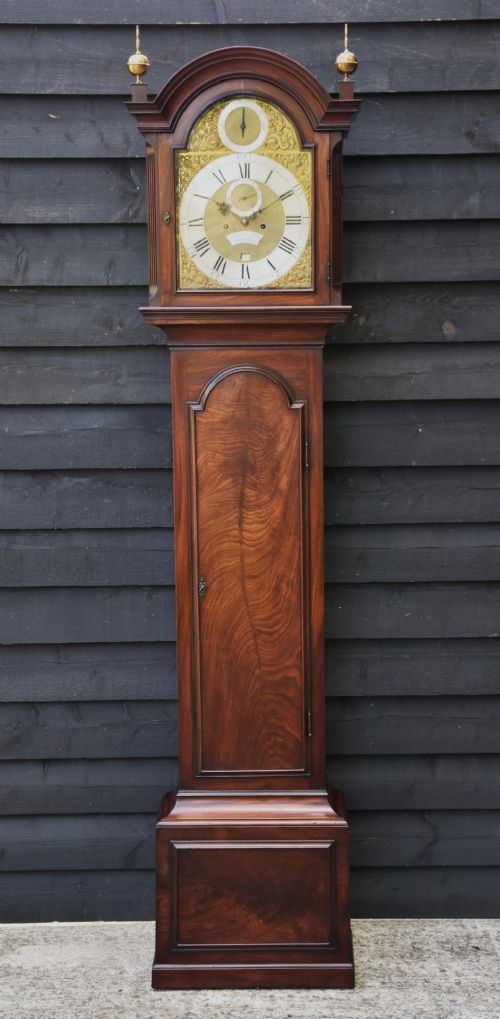
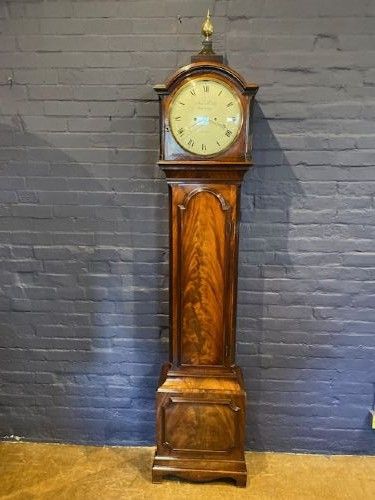
A standing longcase clock, commonly known as a grandfather clock, houses a pendulum-regulated movement within a tall wooden case that rests directly upon the floor. These floor-standing timepieces range from imposing provincial oak examples to refined London mahogany pieces bearing painted or brass dials.
The versions you are most likely to encounter on this page span the Georgian and 18th century periods alongside later Victorian, Edwardian, and Art Deco interpretations. Regional makers from Scotland and provincial English towns frequently signed their work upon the dial faces, providing a clear record of local horological history.
Tall case forms vary from full-sized proportions down to smaller grandmother clocks produced in the early twentieth century. Cabinets often feature glass hoods protecting the dial, brass or steel indicator hands, and architectural details characteristic of their respective eras.
Materials and construction
Makers constructed these tall enclosures predominantly from native timbers such as oak and walnut during the 18th century, transitioning towards figured mahogany, burr walnut, and flame veneers in later Georgian and Victorian iterations. Cabinet-makers matched grain patterns across the trunk doors and plinths to create symmetrical visual appeal.
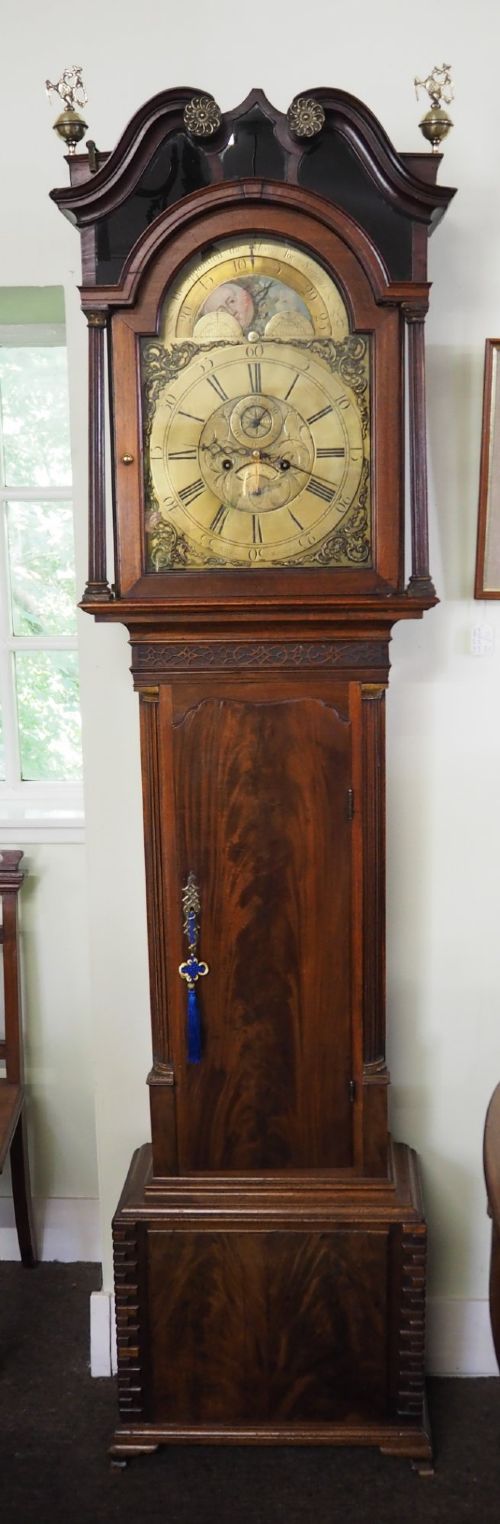
Mechanical movements relied on cast brass wheels, steel pinions, and lead or iron weights suspended by cords or chains. Dials incorporated engraved brass plates, silvered chapter rings, and occasionally painted moon rollers or strike-silent mechanisms operated by eight-day or thirty-hour gear trains.
The listings feature oak, mahogany, and walnut longcase clocks spanning the Georgian era through to Art Deco styles.
Distinctions in quality
The distinction between ordinary timepieces and exceptional examples rests upon the sophistication of the movement and the integrity of the cabinet work. Signed dials by notable makers command greater interest, particularly when paired with musical chimes, moonphase complications, or subsidiary seconds dials.
Timber selection and decorative execution further define the hierarchy, distinguishing plain provincial pine or oak cases from masterwork cabinets featuring intricate marquetry, crossbanding, and rich patination developed over centuries of careful stewardship.
Charles Shuckburgh·Hendrie Ogg·Gordon of Aberdeen·Lee of Great Marlow·Green of Edinburgh·D. Straiton·Richard Corless·James Hendrie·James McCabe·Winsor Bishop Norwich·Fisher Of Preston·Benjamin Taylor·Windmills and Wightman·Rowntree, York·Hugh Lough·Weston Gilmore Family·Benjamin Peers Chester·W Wighton Edinburgh·J Hadruen
The Standing Longcase Clock Glossary
- Grandfather clock
- A colloquial term for a tall standing longcase clock, typically exceeding six feet in height. The name gained popularity following the famous 1876 song 'My Grandfather's Clock'.
- Moon dial
- A specialised dial mechanism featuring a rotating disc that tracks the lunar cycle and phases of the moon. This complication appeared frequently on Georgian and 18th-century provincial timepieces.
- Grandmother clock
- A smaller, scaled-down version of the traditional longcase clock, generally produced during the early 20th century. These compact floor-standing clocks suited more modest domestic room proportions.
- Chapter ring
- The circular ring on the clock face bearing the numerals that indicate the hours and minutes. On older brass dials, this was often a separate silvered piece pinned to the dial plate.
- Strike-silent
- A mechanical lever or dial setting that allows the owner to silence the hour-striking train without stopping the clock's timekeeping function.
Standing Longcase Clock: Frequently Asked Questions
How do I wind an antique longcase clock?
Winding requires using a specialised key to slowly raise the heavy internal weights via the winding holes on the dial face. Most eight-day movements need attention at weekly intervals to maintain accurate time.
Care must be taken not to over-wind the mechanism, stopping as soon as resistance is felt against the key.
Where should I place a grandfather clock?
Position your clock against an interior structural wall away from direct sunlight, heating vents, and exterior doors. Fluctuating temperatures and vibrations can affect the delicate balance of the pendulum.
Ensure the floor is entirely level so the pendulum swings symmetrically and the tick remains even.
How do I tell an 18th century clock from a later one?
Examine the construction of the dial, movement plates, and cabinet timbers. Eighteenth-century examples frequently feature brass dial plates with cast spandrels in the corners, whereas Victorian and Edwardian models often display painted iron dials or distinct revival decoration.
Hand-cut screws and traditional cabinet joinery also point toward earlier Georgian origins.
Why does my longcase clock keep losing time?
Timekeeping discrepancies often stem from minor shifts in the floor surface or the pendulum bob settling out of adjustment. The crutch connecting the pendulum to the escapement may also need careful centring.
Environmental changes in humidity can cause wooden components within the case to expand or contract, slightly altering the geometry of the beat.