


Staffordshire Pottery Ornament
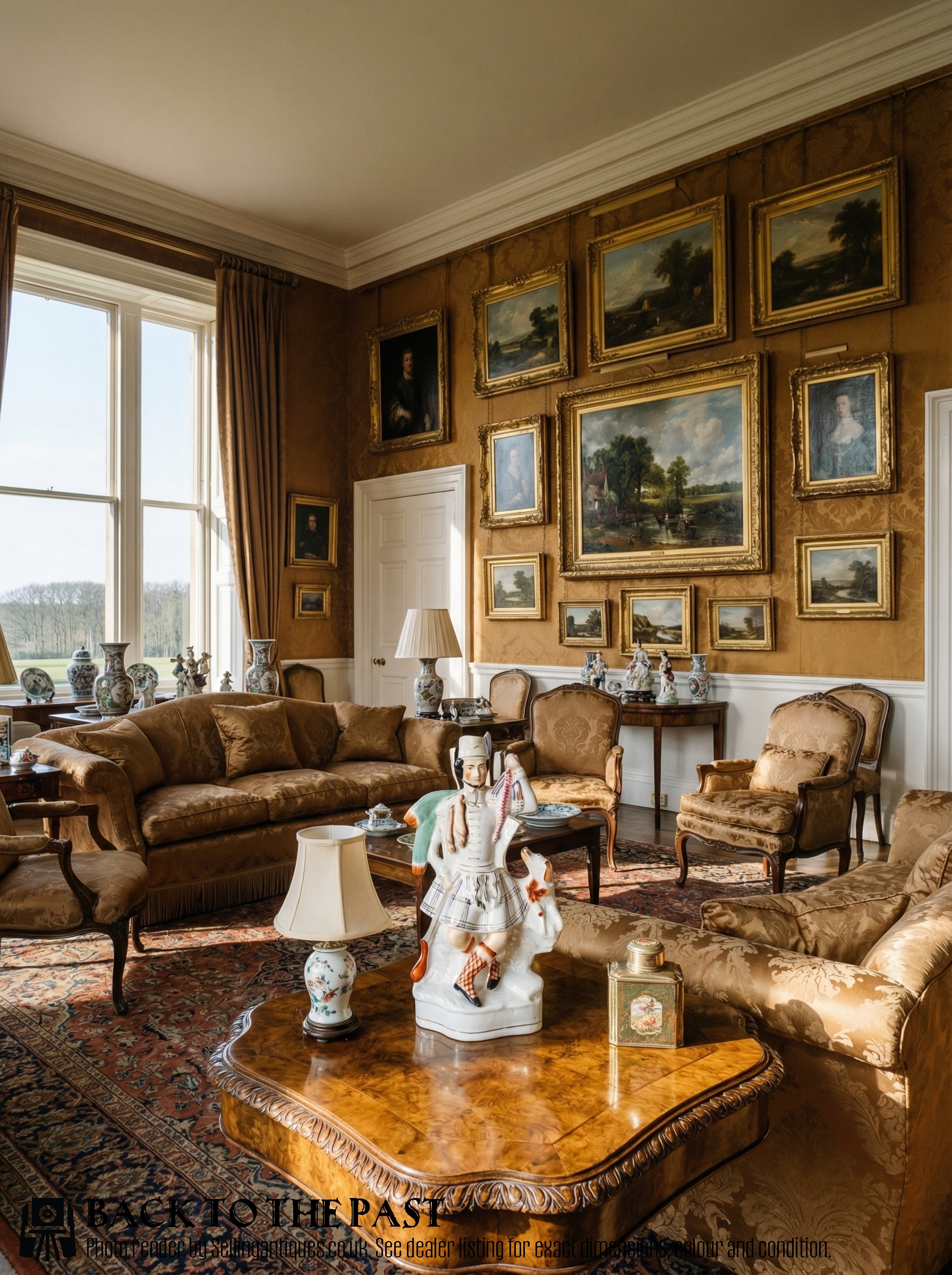
These staffordshire pottery ornament pieces bring character to a mantelpiece, offering a glimpse into nineteenth-century domestic taste.
Staffordshire Pottery Ornament
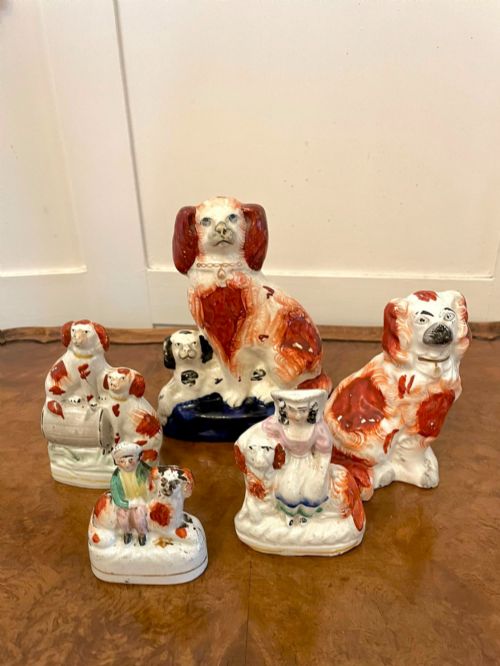
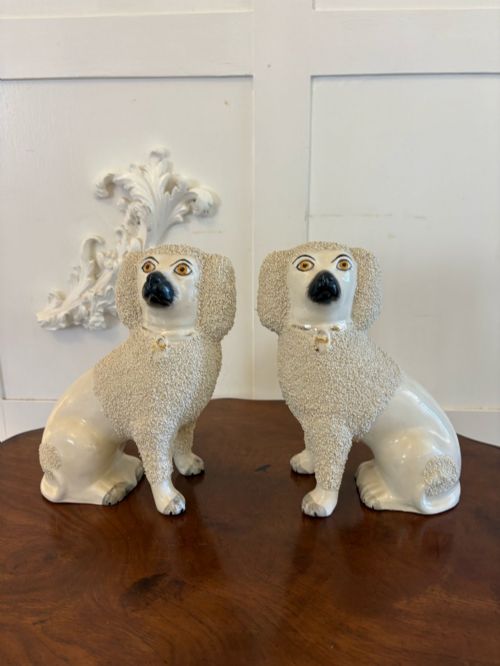
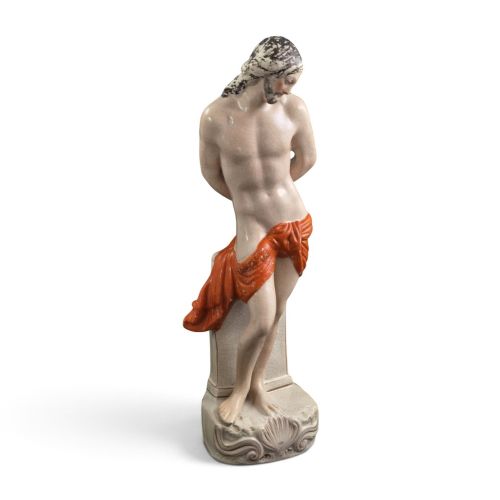
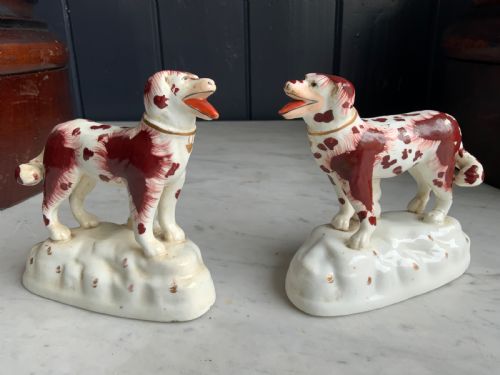
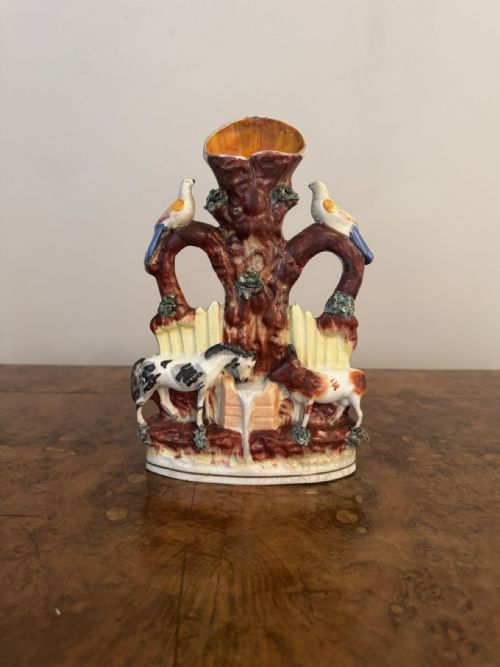
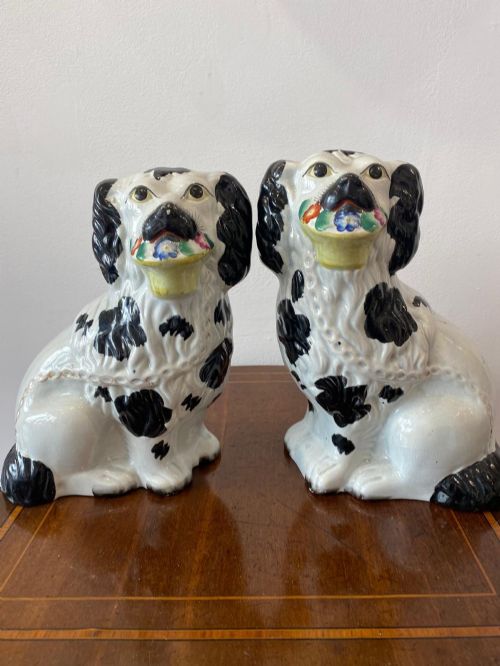
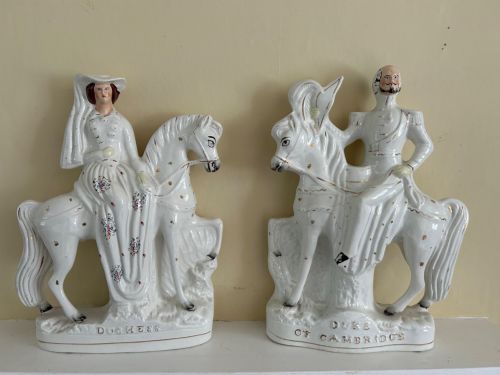
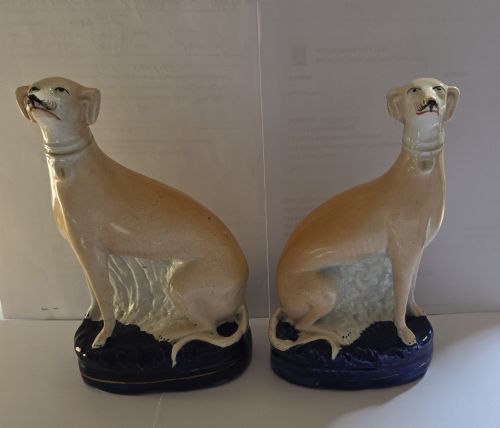
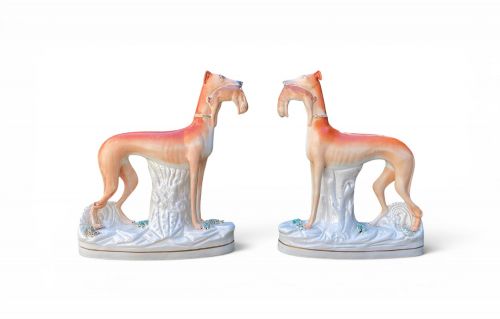
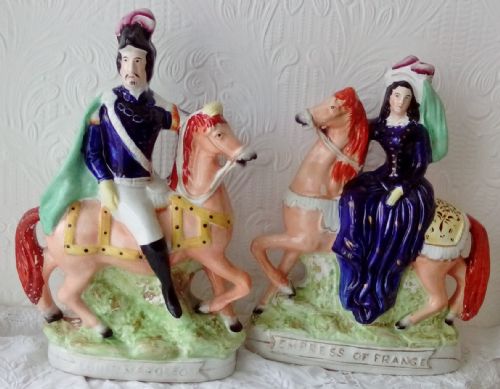
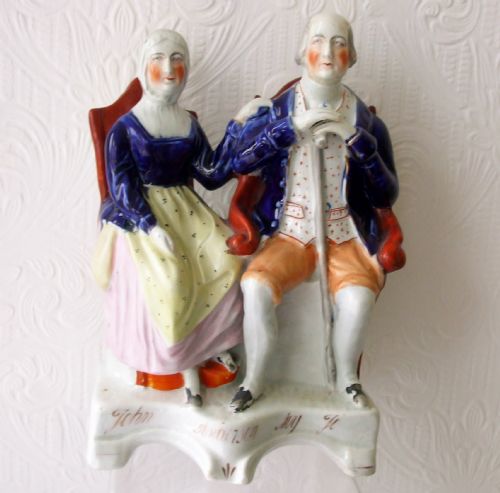
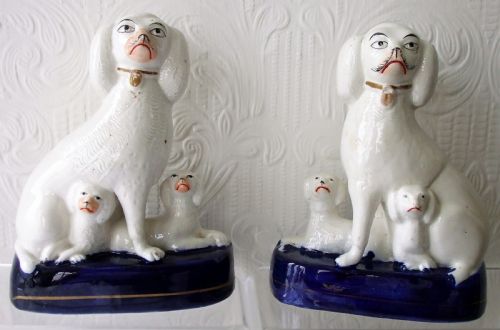
When someone searches for a staffordshire pottery ornament, they encounter a range of nineteenth-century ceramic figures and spill vases depicting animals, theatrical characters, and notable people. The most common varieties met on this page are pairs of seated dogs such as poodles, spaniels, and pugs, alongside flatback portrait figures.
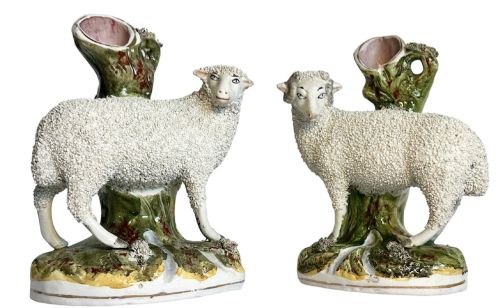
Makers produced these decorative objects during the Victorian era and the broader nineteenth century, drawing on Georgian and Regency traditions of folk art. Pieces span various forms including cow and calf groups, lions, sheep, and theatrical subjects like Ben Backstay.
Collectors find both earthenware and porcelain examples, with many items dating from the mid to late nineteenth century. These ornaments typically served to adorn mantelpieces in British homes, ranging from simple flatbacks to functional spill vases.
Materials and technique
The manufacturing process involved moulding the clay bodies, followed by glazing and firing in kilns before hand-painting the enamel colours. Certain items incorporate treacle glaze or cobalt blue elements, particularly on mid-nineteenth-century examples.
Staffordshire Pottery Ornament Retail Price Guide 2026
Typical asking prices for staffordshire pottery ornament among the pieces listed under this phrase on Sellingantiques today, from the lower quarter to the upper quarter. They describe what is for sale here now, not the wider market.
Materials documented in the inventory span the Victorian, Regency, and Georgian periods.
Judging quality
The level of detail in the modelling separates standard decorative items from superior works, particularly in animal figures and portrait subjects. Matching pairs with original coloration and minimal wear command greater attention from collectors.
John Bevington·Ralph Wood·Rockingham Pottery
The Staffordshire Pottery Ornament Glossary
- Flatback
- A figure moulded with a finished front and a flat, unadorned reverse designed to sit flush against a wall or mantelpiece. This method saved materials and made production more efficient.
- Spill Vase
- A hollow cylindrical ceramic vessel attached to a figure, intended to hold wooden spills for lighting fires or pipes. These combine practical utility with decorative sculpture.
- Pearlware
- A fine-grained earthenware developed in the late eighteenth century featuring a subtle bluish glaze that pooled in recesses. It paved the way for nineteenth-century Staffordshire bodies.
- Lead Glaze
- A shiny coating applied to pottery before firing to create a waterproof surface and enhance colours. It produces the characteristic glossy sheen seen on Victorian figures.
- Treacle Glaze
- A dark, translucent brown glaze used extensively on pottery during the nineteenth century. It gives earthenware a rich, lustrous appearance similar to dark syrup.
Staffordshire Pottery Ornament: Frequently Asked Questions
What are Staffordshire comforter spaniels?
Comforter spaniels are pottery dog figures produced in pairs during the Victorian era to sit on mantelpieces. People often placed them facing inwards towards each other on either side of a fireplace.
These dogs usually depict Cavalier King Charles Spaniels with white coats and patches of red or black. They became a staple of nineteenth-century domestic interior decoration.
How do I date a Staffordshire figure?
Dating these pieces involves examining the clay body, glaze type, flatback construction, and subject matter. Mid-nineteenth-century examples often feature vibrant enamel colours and cobalt blue bases.
Victorian figures frequently commemorated specific historical events or personages from the period. Comparing the moulding style with documented pieces helps narrow down the decade of production.
What is a spill vase figure?
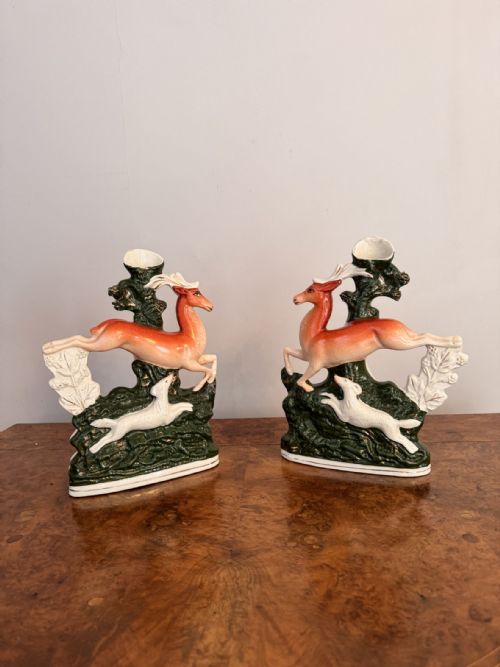
A spill vase figure combines a sculptural animal or human subject with an attached cylindrical holder. These holders stored thin wooden matches known as spills used for lighting candles and fires.
Victorian households kept them on mantelpieces for everyday convenience. They feature animals like deer, lions, and sheep alongside human figures.